


The Machines That Transcend Metal — And Become Assets
There are cars… and then there are blue-chip classic cars.
These are not simply vehicles. They are cultural artifacts, financial instruments, and rolling works of art—the kind of machines that anchor entire collections and quietly outperform traditional assets over decades.
In a world where markets fluctuate and trends come and go, a select group of classic cars continues to stand above the rest. Their value is not dictated by hype, but by something far more powerful:
rarity, provenance, design, and legacy.
These are the cars that define the collector market.
🟥 Ferrari 250 GTO (1962–1964)
The Benchmark of Everything
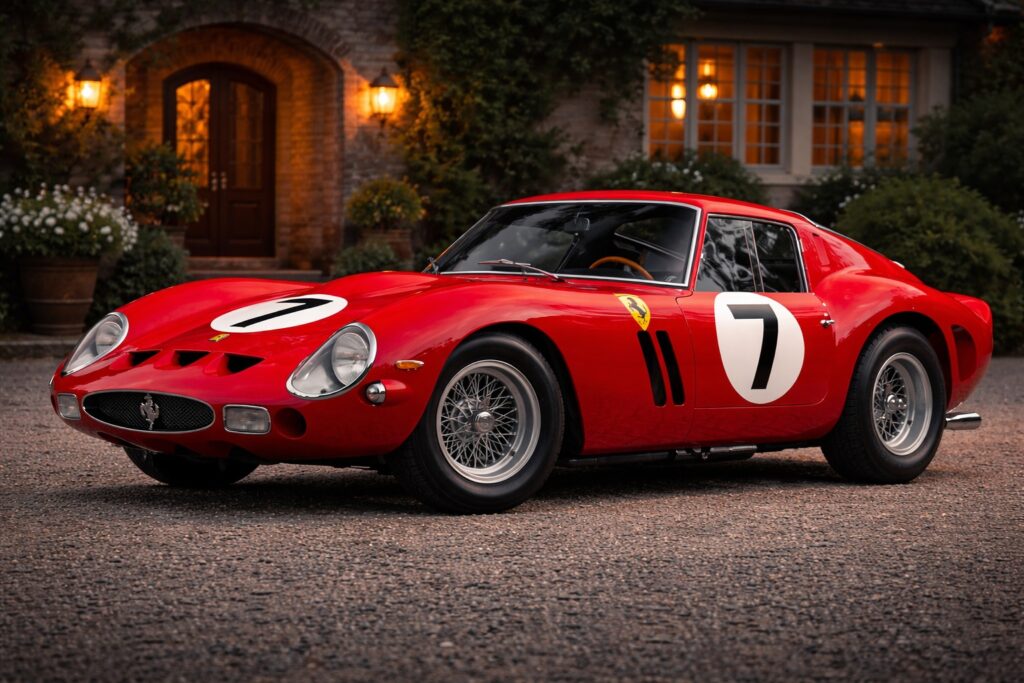
If there is one car that sits above all others, it is the Ferrari 250 GTO.
Only 36 examples were ever built, each one hand-crafted with racing DNA and approved personally by Enzo Ferrari himself.
But scarcity alone does not explain its dominance.
The GTO represents a perfect convergence:
- Motorsport pedigree
- Timeless design
- Mechanical purity
- Provenance that can be traced chassis-by-chassis
Today, it functions as the ultimate benchmark of value, with private sales reportedly reaching $70 million and beyond.
Why it matters:
The 250 GTO doesn’t follow the market—it defines it.
🟨 Mercedes-Benz 300SL Gullwing (1954–1957)
Engineering That Became Iconic
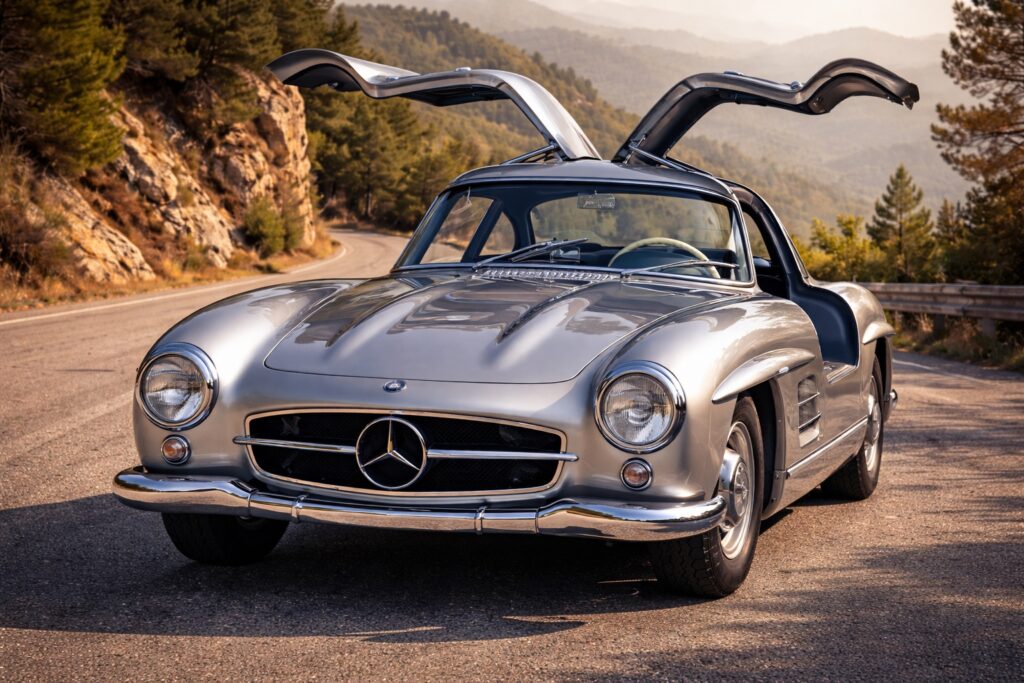
The Mercedes-Benz 300SL Gullwing is one of the rare cars that achieved both technical innovation and visual immortality.
It was:
- One of the first production cars with fuel injection
- Built on a lightweight tubular frame
- Instantly recognizable thanks to its upward-opening doors
More than just a design statement, the Gullwing represented a turning point in post-war automotive engineering.
Why it matters:
It proves that innovation, when executed flawlessly, becomes timeless.
🟦 Porsche 911 Carrera RS 2.7 (1973)
The Pure Driver’s Investment

Not all blue-chip cars are about excess.
The Porsche 911 Carrera RS 2.7 represents something different—precision, balance, and purity.
Lightweight and purpose-built, it introduced:
- The now-famous ducktail spoiler
- A focus on driver connection over luxury
- A formula that still defines Porsche performance today
Its appeal lies in its honesty. It doesn’t overwhelm—it communicates.
Why it matters:
It is one of the clearest examples of a car that rewards driving as much as collecting.
🟧 Lamborghini Miura (1966–1973)
The Birth of the Supercar
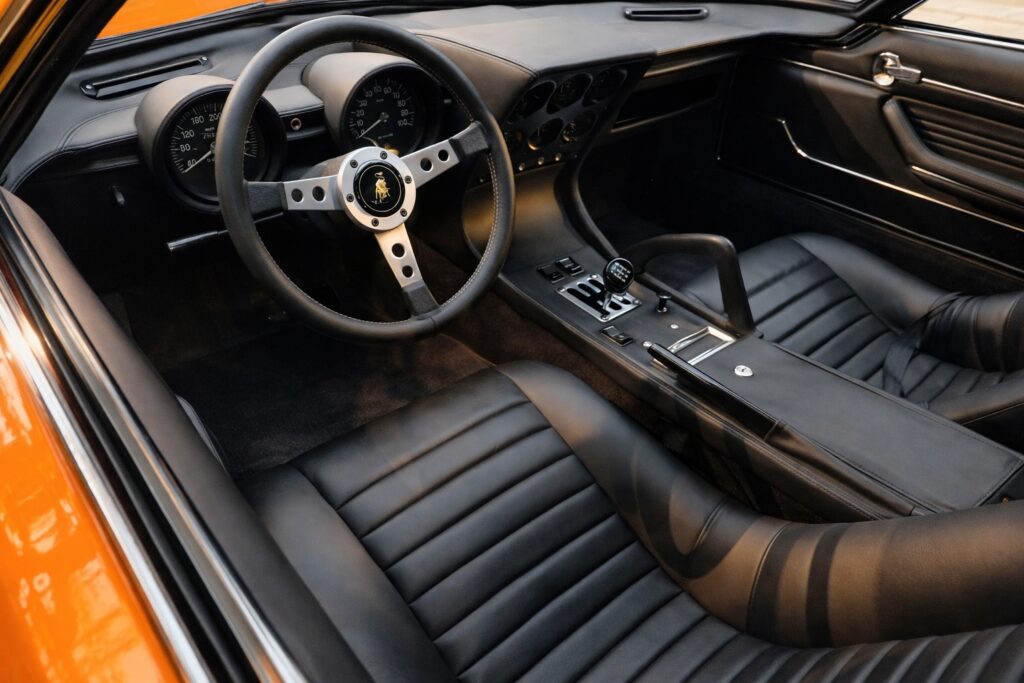
Before the Miura, performance cars followed tradition.
After the Miura, everything changed.
Introduced in 1966, the Miura’s mid-engine V12 layout revolutionized automotive design and effectively created the modern supercar blueprint.
Low, wide, and impossibly beautiful, it was more than fast—it was emotional.
Even today, the Miura remains one of the most visually striking cars ever built, and its influence can be seen in every exotic that followed.
Why it matters:
It didn’t just join the market—it reshaped it.
🧠 What Makes a Car “Blue-Chip”?
The collector market is not driven by speculation alone. The cars that endure—and appreciate—share a common DNA:
1. Extreme Rarity
Limited production creates scarcity that cannot be replicated.
2. Provenance
Ownership history, racing pedigree, and documentation can add millions.
3. Design Legacy
Cars that influence generations become permanently relevant.
4. Cultural Impact
From film appearances to motorsport dominance, story matters.
5. Timeless Appeal
The best cars never feel outdated—they feel eternal.
📈 The Investment Perspective
Unlike modern speculative assets, blue-chip cars operate on a different timeline.
- Values grow over decades, not months
- Market corrections rarely impact top-tier models
- Demand is driven by global wealth, not trends
The result?
A Ferrari 250 GTO is not just a car—it is:
- A hedge
- A status symbol
- A museum-grade asset
🏁 Final Thoughts: The Cars That Will Never Fade
In a rapidly changing automotive world—one shifting toward electrification and autonomy—these machines stand as reminders of something irreplaceable:
emotion, craftsmanship, and mechanical artistry.
They are not just collected.
They are preserved.
And in many cases, they are passed down—not sold.