

From Tuner Culture to the Top of the Collector Market
For decades, JDM legends lived in a world all their own — import-only heroes, cult favorites traded in enthusiast forums and tuner garages long before the auction houses paid attention. Today, that world looks almost unrecognizable. The same cars that once sold for a fraction of their European counterparts are now crossing blocks at Gooding, RM Sotheby’s, and Broad Arrow for seven figures — and in some cases, setting records no one predicted even five years ago.
The rise of JDM legends into the million-dollar bracket isn’t a fluke. It’s a cultural, generational, and market-driven shift that’s fundamentally redrawing the collector car hierarchy.
What Actually Counts as a JDM Legend
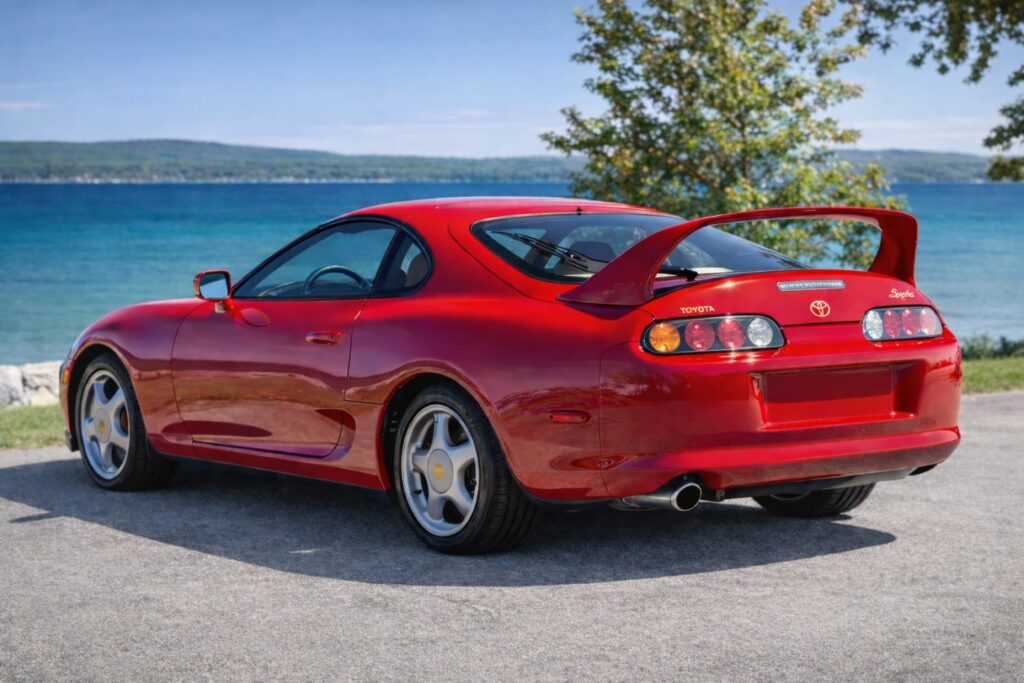
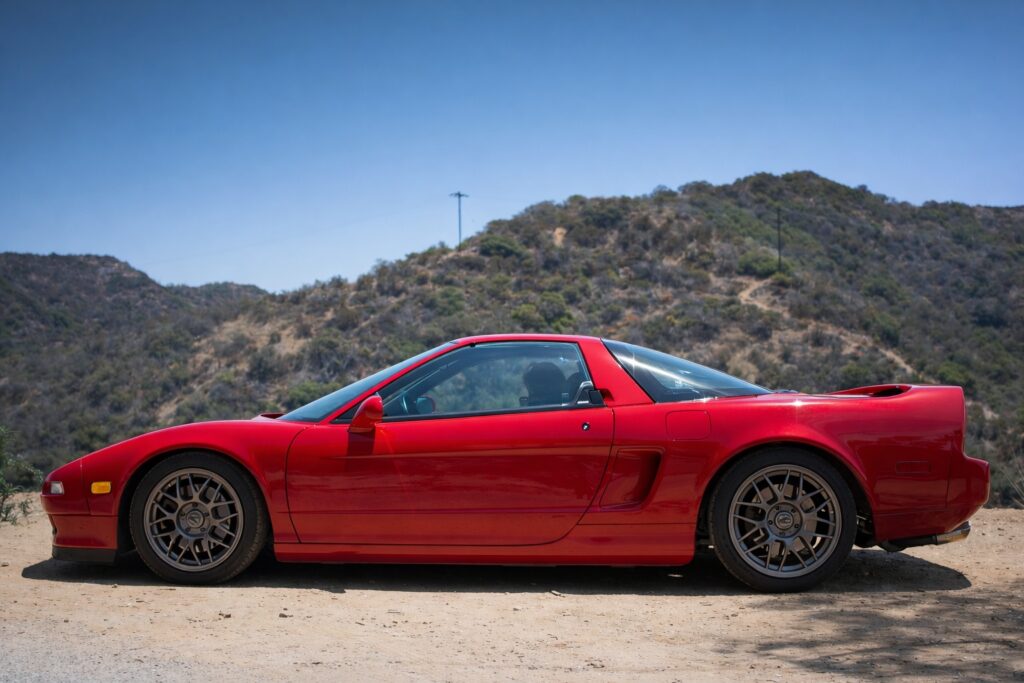
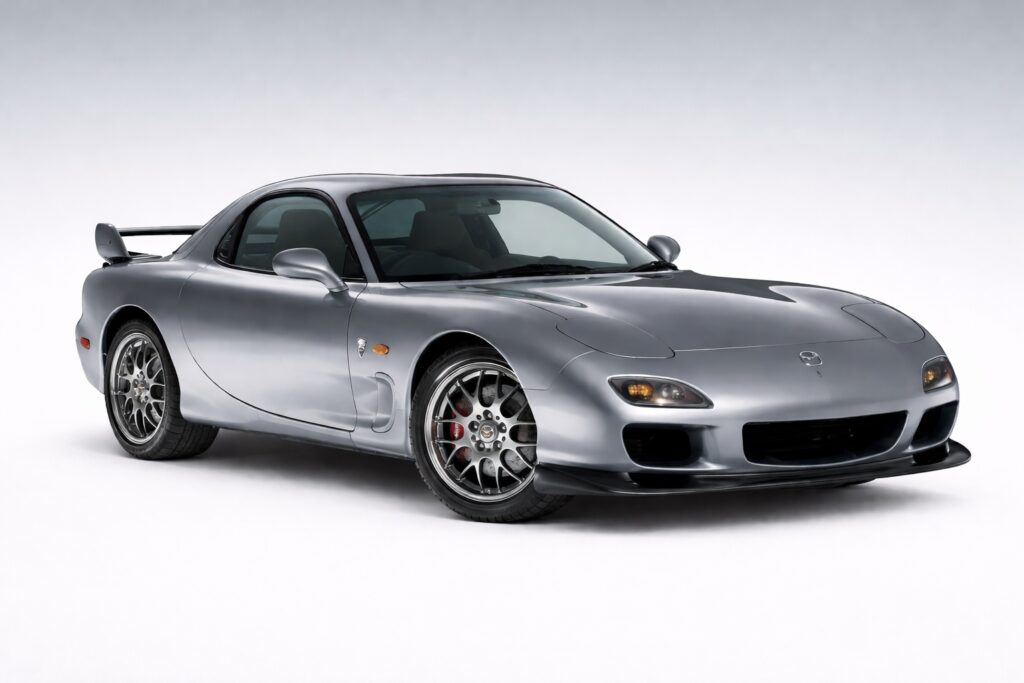
Before unpacking the market, it’s worth defining the field. JDM legends — short for Japanese Domestic Market — typically refers to Japan’s most iconic performance cars from the late 1980s through the early 2000s. The shortlist that dominates today’s auctions includes the Toyota Supra Mk IV, the Acura NSX, the Nissan Skyline GT-R (particularly the R32, R33, and R34), the Mazda RX-7 FD, and the Honda Civic Type R EK9. Rarer halo models like the Nissan R390 GT1 Road Car and the Autozam AZ-1 sit at the extreme end of the scale.
What unites them isn’t just nationality — it’s engineering ambition. These were cars built during Japan’s bubble-era golden age, when manufacturers competed not on cost, but on capability.
Why the Market Shifted So Quickly
Three forces converged to push JDM legends into million-dollar territory, and they all happened at roughly the same time.
Generational wealth finally met childhood obsession. The buyers who grew up with Gran Turismo, Initial D, and The Fast and the Furious are now in their late 30s and 40s — the prime collector-buying age. For them, a Skyline GT-R isn’t an alternative to a Ferrari. It’s the dream car. That emotional pull is what moves markets.
U.S. import laws created artificial scarcity. The 25-year rule in the United States meant that for years, cars like the R34 GT-R and Supra RZ were effectively forbidden fruit. As each model year became eligible for legal U.S. import, demand exploded and supply stayed limited — the textbook recipe for a price surge.
Auction houses started taking JDM seriously. When Bring a Trailer, Broad Arrow, and RM Sotheby’s began curating JDM legends into major sales, they legitimized the category in front of a buyer class that had previously ignored it. Once that validation happened, the ceiling lifted almost overnight.
The Cars Leading the Million-Dollar Charge
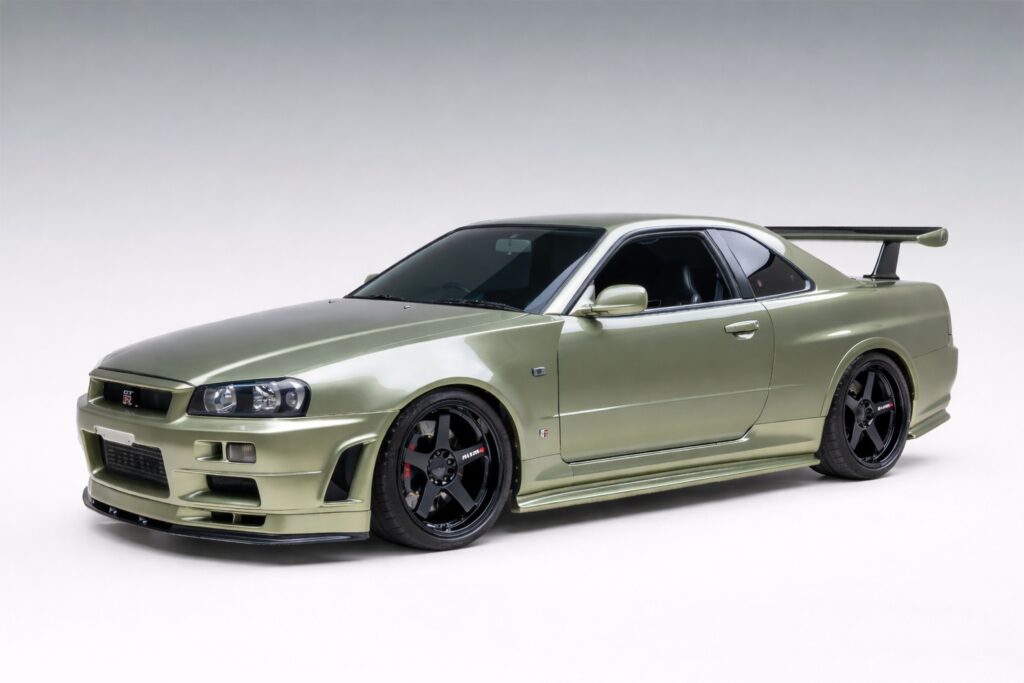
Nissan Skyline GT-R R34 V-Spec II Nür: The poster car of the JDM era is also the one that broke the dam. Pristine, low-mileage examples have now crossed well into seven figures, with the rarest Nür editions commanding values most collectors reserved for vintage Porsches.
Toyota Supra Mk IV Turbo (A80): Long treated as a tuner platform, the Supra has been rediscovered as a bone-stock icon. Unmodified, low-mile Japanese-market RZ examples have smashed past the million-dollar mark — something no one would have believed in 2015.
Acura NSX Zanardi Edition and NSX-R: The NSX is now firmly in the conversation with Ferrari and Porsche from the same era. The NSX-R in particular has emerged as one of the most sought-after analog driver’s cars of the 1990s.
Mazda RX-7 FD Spirit R Type A: The final evolution of the rotary-powered RX-7 has become a serious collector target. Limited production, mechanical rarity, and purity of design are all driving values upward fast.
Honda Civic Type R EK9: Once a daily-driver hot hatch, the EK9 now represents the accessible entry point to serious JDM collecting — and that entry point is climbing every quarter.
The Role of Cultural Crossover
No collector category has benefited more from media influence than JDM legends. Film, video games, and anime gave these cars a narrative that European exotics simply don’t have in the same way. Paul Walker’s Supra, Brian O’Conner’s Skyline, the Initial D AE86 — these references created emotional equity decades before the auction market caught up.
That cultural weight matters. Collector cars don’t just rise on specs — they rise on stories. And no segment has more storytelling fuel than Japan’s golden era.
Why Serious Collectors Are Paying Attention Now
For years, the collector establishment treated JDM legends as a niche. That era is over. The Pebble Beach crowd now takes the category seriously, and so do the advisors and wealth managers who guide high-net-worth buyers through alternative-asset acquisitions.
Several factors are keeping the momentum going. Supply is fundamentally capped — no one is making more 1999 R34s. Condition is increasingly critical, meaning premium cars command disproportionate premiums. And the buyer pool keeps widening as younger collectors enter the market with different taste profiles than their predecessors.
Put simply: the ceiling on JDM legends hasn’t been tested yet, because every time someone thought they’d found it, another record broke.
Are JDM Legends Overheated or Undervalued?
It’s the question every collector is asking. On one hand, the velocity of the price increases looks familiar — it echoes air-cooled 911 values before their correction. On the other hand, the best JDM legends remain significantly cheaper than their European analogs from the same era. A perfect NSX-R still sells for less than a comparable Ferrari F355 Challenge. A V-Spec R34 is a fraction of a 993 GT2.
The answer likely lies in the middle. The broader JDM market will probably see volatility, but the halo cars — the ones tied to generational memory and finite production — are almost certainly here to stay in the seven-figure conversation.
The Bottom Line
JDM legends aren’t a trend. They’re a permanent shift in how the collector market defines significance. For decades, the blue-chip conversation revolved almost exclusively around Italy, Germany, and Britain. Today, Japan sits at the same table — and the buyers driving that change aren’t going anywhere.
The million-dollar Skyline isn’t an outlier anymore. It’s the new baseline for a category the auction world took far too long to take seriously.
Explore more premium coverage and breaking stories in the exotic and collector market on Exotic Car News.