
There was a time when owning a Ferrari, Lamborghini, or Porsche felt just within reach for many automotive enthusiasts. While exotic vehicles have never been inexpensive, the reality is that today’s luxury and performance cars are commanding prices that would have seemed unimaginable just a decade ago.
In 2026, the rise of exotic car prices has become one of the most significant trends in the automotive industry. Whether you’re shopping for a new supercar, evaluating a collector vehicle, or simply following the market, the numbers tell a compelling story: exotic cars are becoming more expensive, more exclusive, and more desirable than ever before.
So what is driving these higher prices? The answer lies in a combination of economics, technology, limited production, global demand, and changing consumer behavior.
The Era of the “Affordable” Exotic Car Is Over
For years, buyers could find relatively attainable entry points into the exotic car market.
A Lamborghini Gallardo could be purchased for around $180,000. Early Lamborghini Huracán models started around $240,000. Ferrari’s naturally aspirated V8 models often sold well below today’s pricing structure, while Porsche GT cars could frequently be purchased near MSRP.
Fast forward to 2026, and the landscape has changed dramatically.
Today’s flagship supercars often begin at $400,000 to $600,000 before options. Hypercars regularly exceed seven figures, while even well-equipped luxury performance vehicles can approach the price of a home in many parts of the United States.
What was once considered an ultra-exclusive vehicle segment has evolved into an asset class sought after by collectors, investors, and enthusiasts around the world.
Global Wealth Growth Is Fueling Demand
One of the biggest drivers behind rising exotic car prices is the continued expansion of high-net-worth individuals globally.
Luxury vehicle manufacturers are no longer relying solely on traditional buyers in North America and Europe. Demand now comes from rapidly growing markets across the Middle East, Asia, and other emerging regions where affluent consumers are increasingly seeking exclusive vehicles.
For manufacturers such as Ferrari, Lamborghini, McLaren Automotive, and Porsche, global demand frequently exceeds available supply.
As a result, waiting lists continue to grow, allocations become more difficult to obtain, and resale values remain elevated.

Limited Production Creates Scarcity
Scarcity has always played a major role in the exotic car market.
Unlike mass-market manufacturers that produce hundreds of thousands of vehicles annually, exotic automakers intentionally limit production to preserve exclusivity and brand value.
This strategy creates a powerful supply-and-demand imbalance.
When buyers know production numbers are restricted, demand often increases further. Many consumers are willing to pay significant premiums to secure vehicles that may become difficult—or impossible—to purchase later.
Limited-production models frequently become instant collectibles, driving both new and used market prices higher.
Customization Is Adding Tens of Thousands to Vehicle Prices
Today’s exotic car buyers rarely purchase standard configurations.
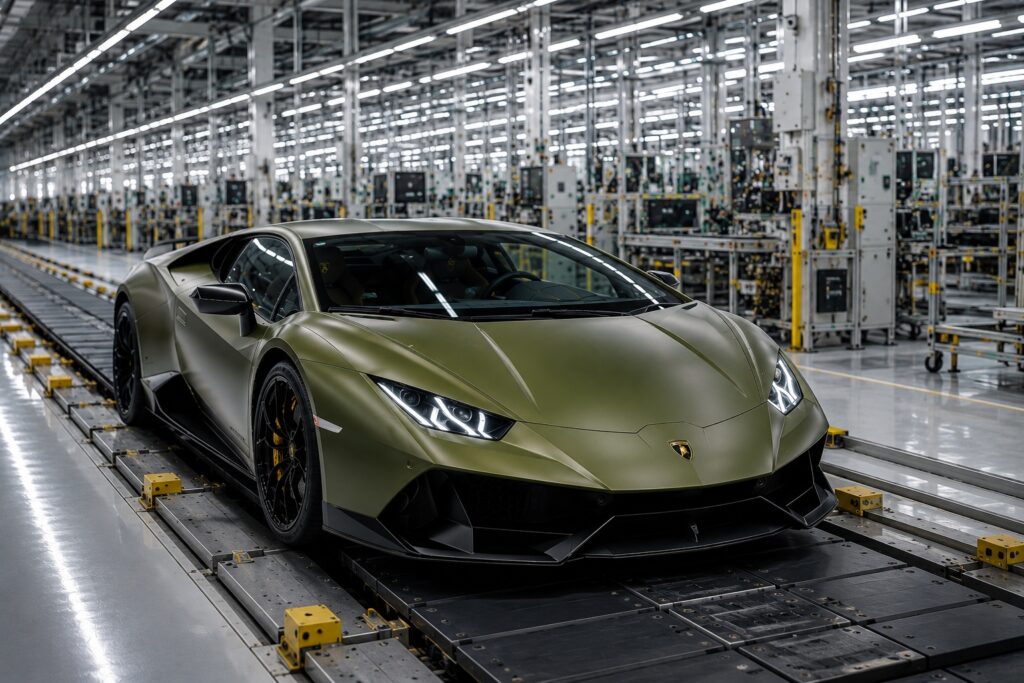
Manufacturers now offer extensive personalization programs that allow customers to create highly customized vehicles.
Popular options include:
- Carbon fiber exterior packages
- Bespoke paint finishes
- Custom leather interiors
- Performance upgrades
- Forged wheel packages
- Exclusive trim materials
- Personalized badging
It is not uncommon for buyers to add $50,000 to $150,000 or more in optional equipment before delivery.
These customization programs have become major profit centers for luxury manufacturers while simultaneously raising average transaction prices throughout the market.
Inflation and Manufacturing Costs Continue to Increase
Like virtually every industry, automotive manufacturing has experienced substantial cost increases over the past decade.
Factors contributing to higher vehicle prices include:
- Rising labor costs
- Increased raw material expenses
- Advanced technology integration
- Supply chain disruptions
- Transportation costs
- Regulatory compliance requirements
Modern supercars contain significantly more technology than their predecessors, including advanced driver assistance systems, hybrid powertrains, digital interfaces, and sophisticated performance management software.
These innovations improve performance and usability but also contribute to higher production costs.
The Used Exotic Car Market Remains Strong
Historically, many luxury vehicles experienced substantial depreciation shortly after purchase.
That trend has shifted for numerous exotic models.
Several factors have contributed to stronger resale values:
Long Waitlists
Many buyers are unwilling to wait months—or even years—for factory allocations.
Collector Demand
Enthusiasts increasingly view certain vehicles as collectible assets rather than simple transportation.
End of Naturally Aspirated Engines
As manufacturers move toward electrification and hybridization, demand for naturally aspirated vehicles continues to grow.
Cars equipped with large-displacement V8, V10, and V12 engines are becoming increasingly rare, making them more attractive to collectors.
Why Ferrari, Lamborghini, and Porsche Continue to Lead the Market
While many luxury brands have experienced pricing growth, a handful continue to dominate enthusiast demand.
Ferrari
Ferrari’s disciplined production strategy has allowed the company to maintain strong pricing power while protecting long-term brand exclusivity.
Lamborghini
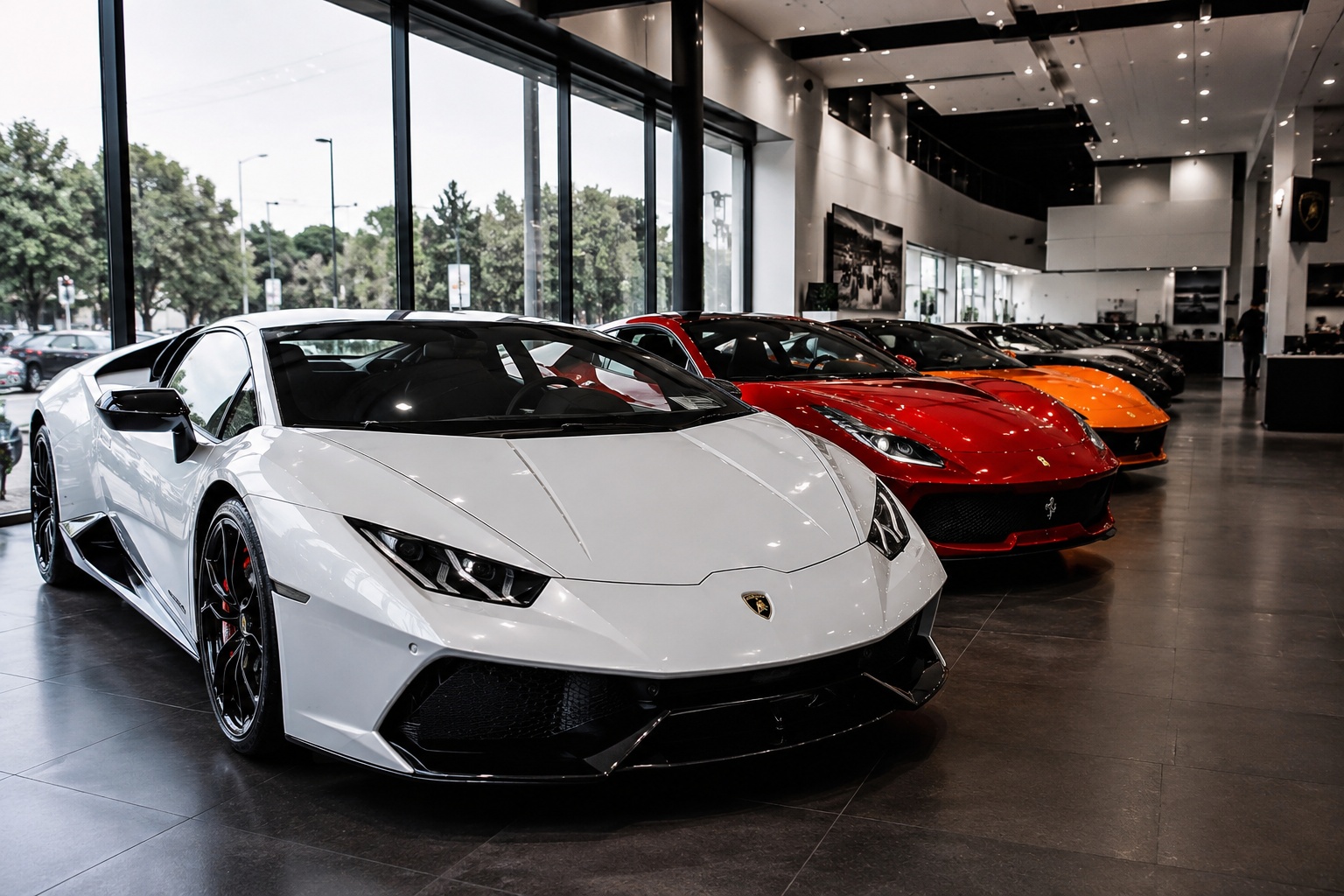
The success of models such as the Huracán and Revuelto has reinforced Lamborghini’s position as one of the world’s most desirable automotive brands.
Porsche
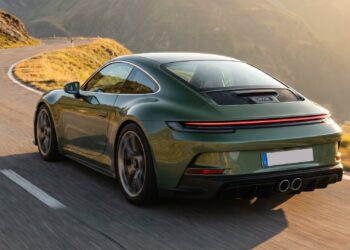
Limited-production GT models continue to generate extraordinary demand among enthusiasts and collectors alike.
Vehicles such as the GT3 RS remain among the most sought-after performance cars in the world.
Are Exotic Cars Becoming Investment Assets?
An increasing number of buyers view exotic vehicles as alternative assets.
While no vehicle should be purchased solely as an investment, several trends have attracted investor attention:
- Limited production numbers
- Strong brand heritage
- Collector demand
- Historical appreciation of certain models
- Global market interest
Models that combine rarity, performance, and historical significance often demonstrate stronger long-term value retention than standard production vehicles.
However, buyers should remember that market conditions can change, and past performance does not guarantee future results.
What This Means for Future Buyers
The reality is that exotic car prices are unlikely to return to levels seen ten or fifteen years ago.
While individual models will continue to fluctuate based on market conditions, the broader trend points toward increasing exclusivity and higher transaction prices.
Manufacturers are producing more technologically advanced vehicles, demand remains strong, and buyers continue to place a premium on rarity and personalization.
For enthusiasts considering their first exotic vehicle, waiting indefinitely for prices to decline may not be the most effective strategy.
The market has evolved, and today’s pricing environment may represent the new normal.
Final Thoughts
The rise of exotic car prices is not the result of a single factor. Instead, it reflects a convergence of global wealth growth, limited production, technological advancement, customization demand, collector interest, and shifting market dynamics.
Whether you’re shopping for a Ferrari, Lamborghini, Porsche, McLaren, or another high-performance vehicle, understanding these trends can help you make more informed purchasing decisions.
As the automotive industry continues its transition toward electrification and advanced technology, one thing remains clear: exclusivity has never been more valuable, and the world’s most desirable cars continue to command record levels of attention—and pricing.
Discover more elite automotive content, market insights, and collector-focused coverage at Exotic Car News.