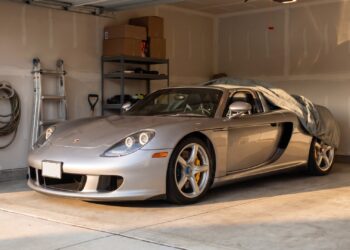


For decades, the identity of a supercar was unmistakable.
A naturally aspirated V12 screaming toward redline. Violent downshifts echoing through tunnels. Exhaust systems engineered as much for emotion as performance.
That raw soundtrack became part of the culture surrounding exotic cars — something owners, collectors, and enthusiasts associated directly with the experience of driving a Ferrari, Lamborghini, Porsche, or McLaren.
But the modern supercar landscape is changing rapidly.
As global emissions standards tighten and electrification accelerates across the automotive industry, manufacturers once defined by sound and mechanical drama are being forced into a new era of performance engineering.
The result is not the death of the supercar — but a complete transformation of what performance means moving forward. End of Loud Supercars
Regulations Are Reshaping the Industry
Governments across Europe, North America, and parts of Asia continue introducing stricter emissions and noise regulations aimed at reducing environmental impact.
For low-volume exotic manufacturers, this creates a unique challenge.
Brands such as Ferrari, Lamborghini, McLaren Automotive, and Porsche built their reputations around internal combustion performance. Yet modern compliance standards increasingly demand hybridization, reduced emissions output, and quieter operation.
This shift is already visible across the newest generation of halo cars.
The Lamborghini Revuelto combines a naturally aspirated V12 with hybrid assistance while maintaining the aggressive identity the brand is known for. Ferrari continues moving deeper into electrified performance platforms, while Porsche’s long-term roadmap includes expanded EV integration across its lineup.
Even manufacturers historically resistant to electrification now acknowledge that regulatory pressure leaves limited alternatives.
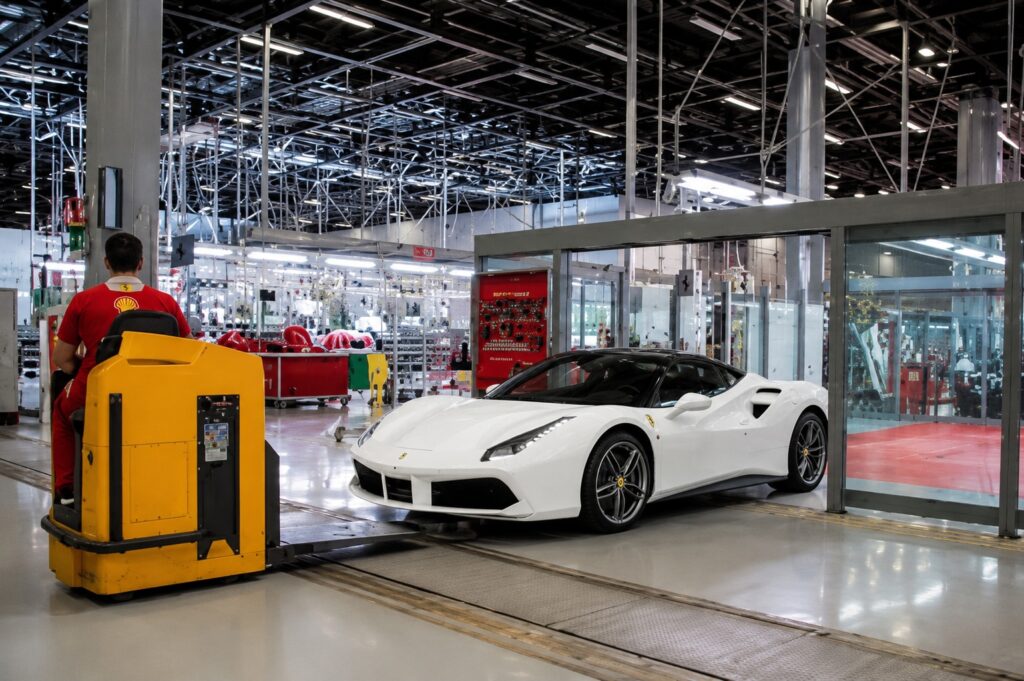
The Sound of Performance Is Changing
One of the biggest emotional shifts for enthusiasts is the gradual reduction of raw engine sound.
Modern emissions systems, particulate filters, turbocharging, and hybrid integration have fundamentally altered how performance cars sound compared to previous generations.
For many collectors, this is why older analog supercars continue gaining importance.
Vehicles like the:
- Lamborghini Aventador
- Ferrari 458 Italia
- Porsche Carrera GT
- Lexus LFA
are increasingly viewed as the final era of unrestricted emotional performance cars.
The appeal is not simply nostalgia.
It is the realization that many of these vehicles represent engineering philosophies unlikely to return under future global regulations.
Performance Has Never Been Faster
Ironically, modern supercars have never been quicker.
Hybrid systems now deliver:
- instant torque
- improved traction
- faster acceleration
- enhanced efficiency
- greater drivability
The newest generation of electrified hypercars produces performance figures that were almost unimaginable only a decade ago.
Cars like the:
- McLaren P1
- Ferrari SF90 Stradale
- Rimac Nevera
demonstrate how electrification can dramatically improve outright speed and technical capability.
Yet many enthusiasts argue that pure speed alone does not replace emotional engagement.
The debate now shaping the exotic car industry is whether future performance cars can preserve excitement while operating within increasingly restrictive regulatory frameworks.
Manufacturers Are Searching for Balance
Luxury manufacturers understand that emotional connection remains critical to their brand identity.
As a result, automakers are investing heavily in ways to preserve character even as powertrains evolve.
This includes:
- synthetic sound engineering
- lightweight hybrid systems
- advanced transmission calibration
- active exhaust technologies
- driver-focused cockpit design
- limited-production naturally aspirated models
Some manufacturers are also exploring synthetic fuels and carbon-neutral fuel development as a possible pathway for extending the lifespan of internal combustion engines.
Companies including Porsche have already invested heavily into eFuel research, signaling that combustion performance may still have a future — even if it ultimately becomes more specialized and exclusive.
The Aftermarket Industry Could Become More Important Than Ever
As regulations continue reshaping performance cars, the aftermarket industry may become one of the most important forces preserving enthusiast emotion and individuality.
Owners increasingly turn to aftermarket solutions for:
- exhaust enhancement
- suspension tuning
- lightweight wheels
- aerodynamic upgrades
- ECU calibration
- sound improvement
- custom styling
For many enthusiasts, these modifications are no longer just about adding horsepower.
Instead, they are about restoring some of the raw personality that modern emissions standards and factory restrictions have reduced.
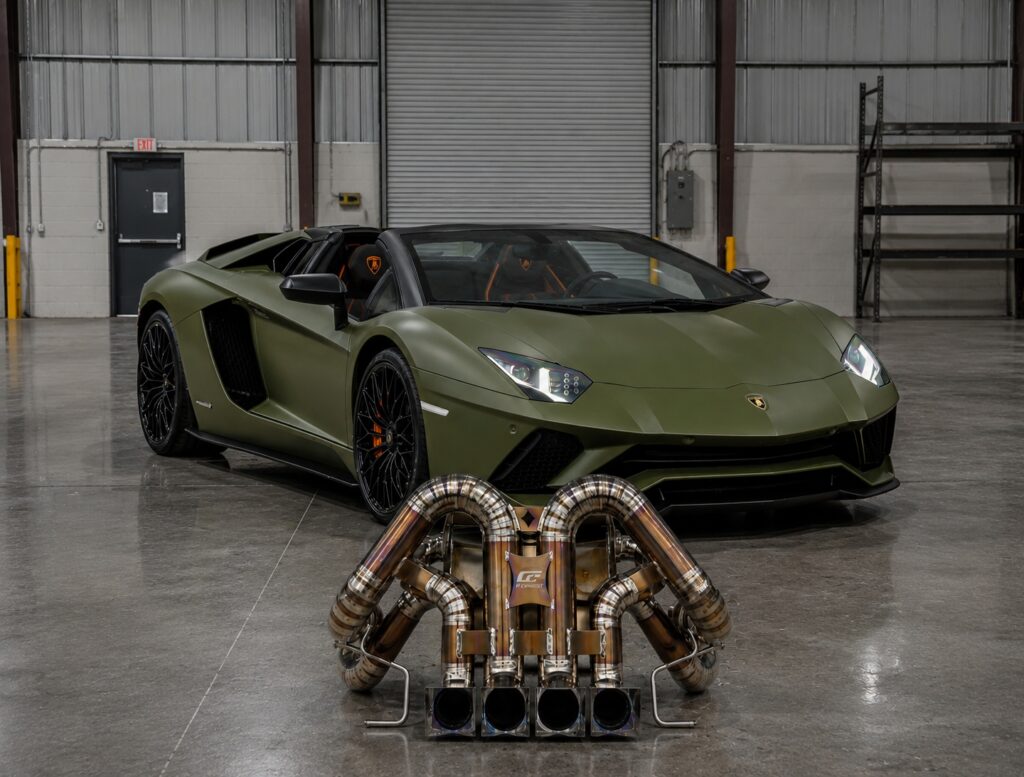
This is especially noticeable on newer hybrid and turbocharged platforms, where aftermarket exhaust companies are developing systems designed to enhance sound while still operating within legal compliance limits.
At the same time, manufacturers are tightening software security and ECU encryption, making modern tuning significantly more difficult than previous generations.
The result is a growing battle between regulation, manufacturer control, and enthusiast customization.
For the luxury aftermarket sector, however, this transition may create a massive opportunity.
Companies capable of balancing performance enhancement, legality, reliability, and premium craftsmanship could become increasingly influential within the future supercar ecosystem.
In many ways, the future identity of the exotic car may depend not only on manufacturers — but also on the aftermarket innovators working to preserve the emotion that originally made these cars iconic.
The Collector Market Is Already Responding
The changing regulatory environment is already influencing the collector market.
Many buyers increasingly view naturally aspirated supercars as long-term collectible assets due to:
- shrinking production opportunities
- emissions uncertainty
- emotional driving experience
- analog engineering appeal
- lower electronic dependence
This trend helps explain continued demand for:
- manual transmission supercars
- V10 and V12 platforms
- lightweight analog cars
- pre-hybrid flagship models
For collectors, today’s market increasingly feels like a transition period between two completely different automotive eras.
The Future of the Supercar
The future supercar may sound different, operate differently, and rely heavily on electrified performance systems.
But the pursuit of speed, exclusivity, design, and emotional connection remains unchanged.
Manufacturers are no longer competing on horsepower numbers alone. They are now competing on how effectively they can preserve excitement in an era increasingly shaped by regulation, sustainability, software integration, and electrification.
The loud naturally aspirated supercar may slowly become rarer.
Its influence, however, will likely define performance car culture for generations to come.
Discover more elite automotive content, market insights, and collector-focused coverage at Exotic Car News.