
For a decade, the exotic car arms race was fought with numbers: more horsepower, more turbochargers, quicker paddle shifts and ever-larger touchscreens. In 2026, the most fascinating battle in the supercar world is being fought in the opposite direction. The analog comeback — a swing back toward manual gearboxes, naturally aspirated engines and cabins with fewer screens — has moved from nostalgic whisper to full-blown industry debate, and the sales numbers suggest the romantics are winning.
What Is the Analog Comeback?
The analog comeback is the growing movement among exotic and luxury carmakers to prioritize driver engagement over raw performance figures — reviving manual transmissions, high-revving naturally aspirated engines, physical switchgear and minimalist, screen-light interiors. It is not anti-technology; it is a recalibration of what technology is for. The stopwatch has stopped being the point. The experience is the point.
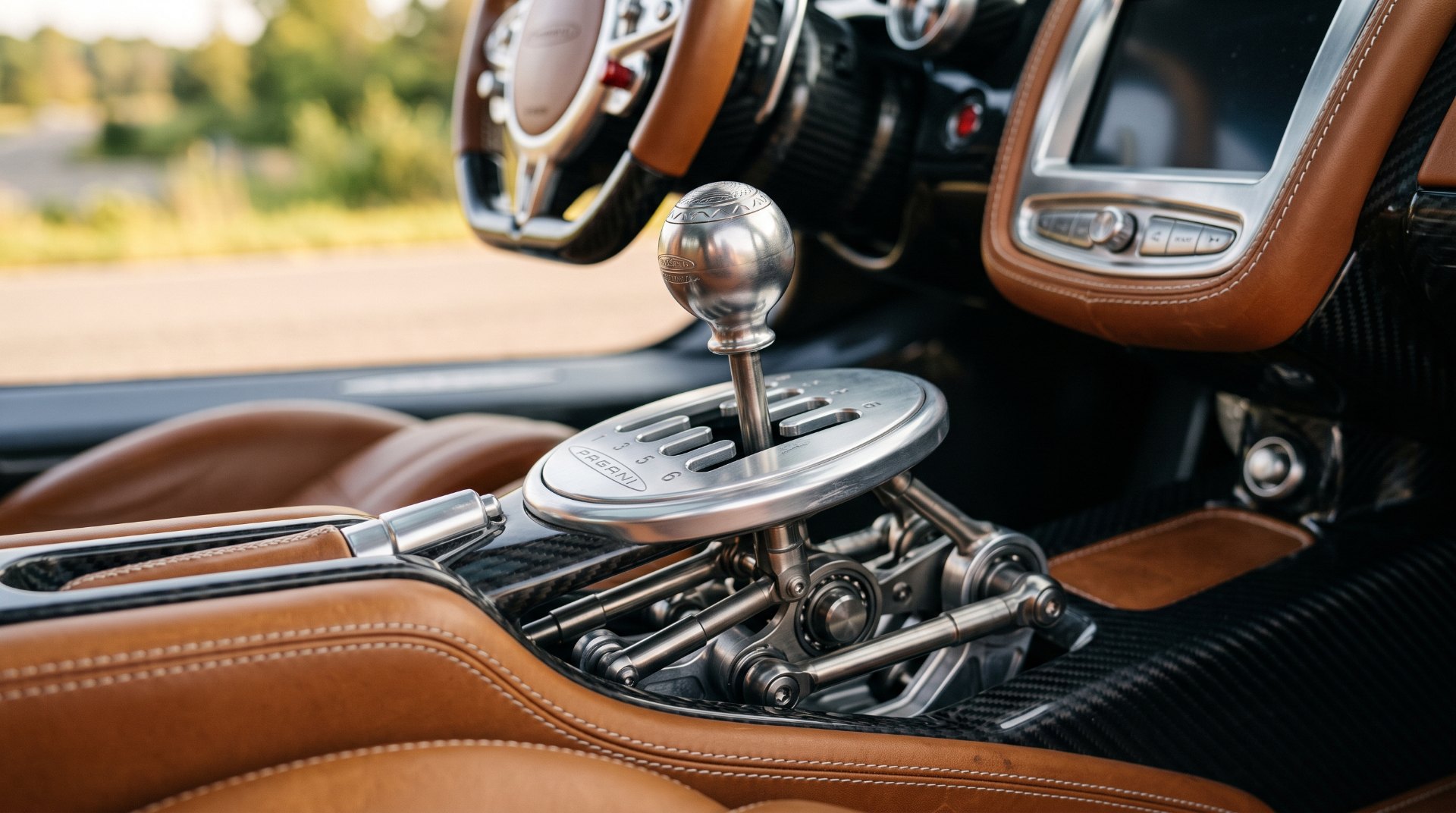
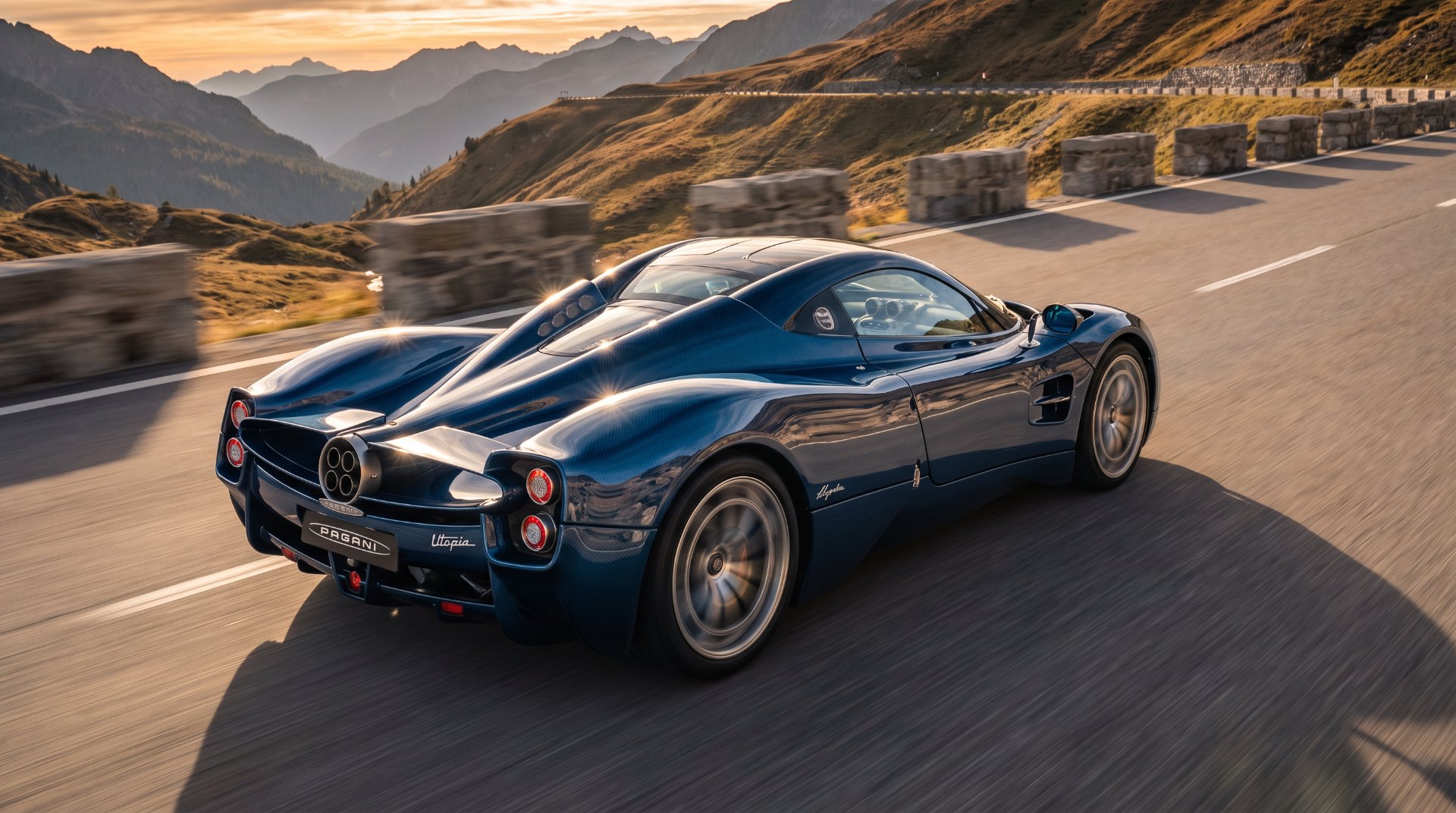
Nothing captures the shift better than what customers do when they are handed a seven-figure order form. When Pagani launched the Utopia, its 852-horsepower V12 flagship, the company offered buyers a choice between a seven-speed automated gearbox and an exposed, gated six-speed manual. Roughly 75 percent of the 99 build slots went to the manual — a figure almost no one in the industry predicted for a hypercar in this decade. Pagani has said the demand traces back to the Huayra years, when customers kept asking for the return of the stick that defined the original Zonda.
The Numbers Behind the Nostalgia
Skeptics like to dismiss the analog comeback as marketing perfume. The take rates say otherwise.
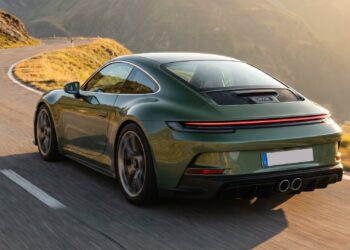
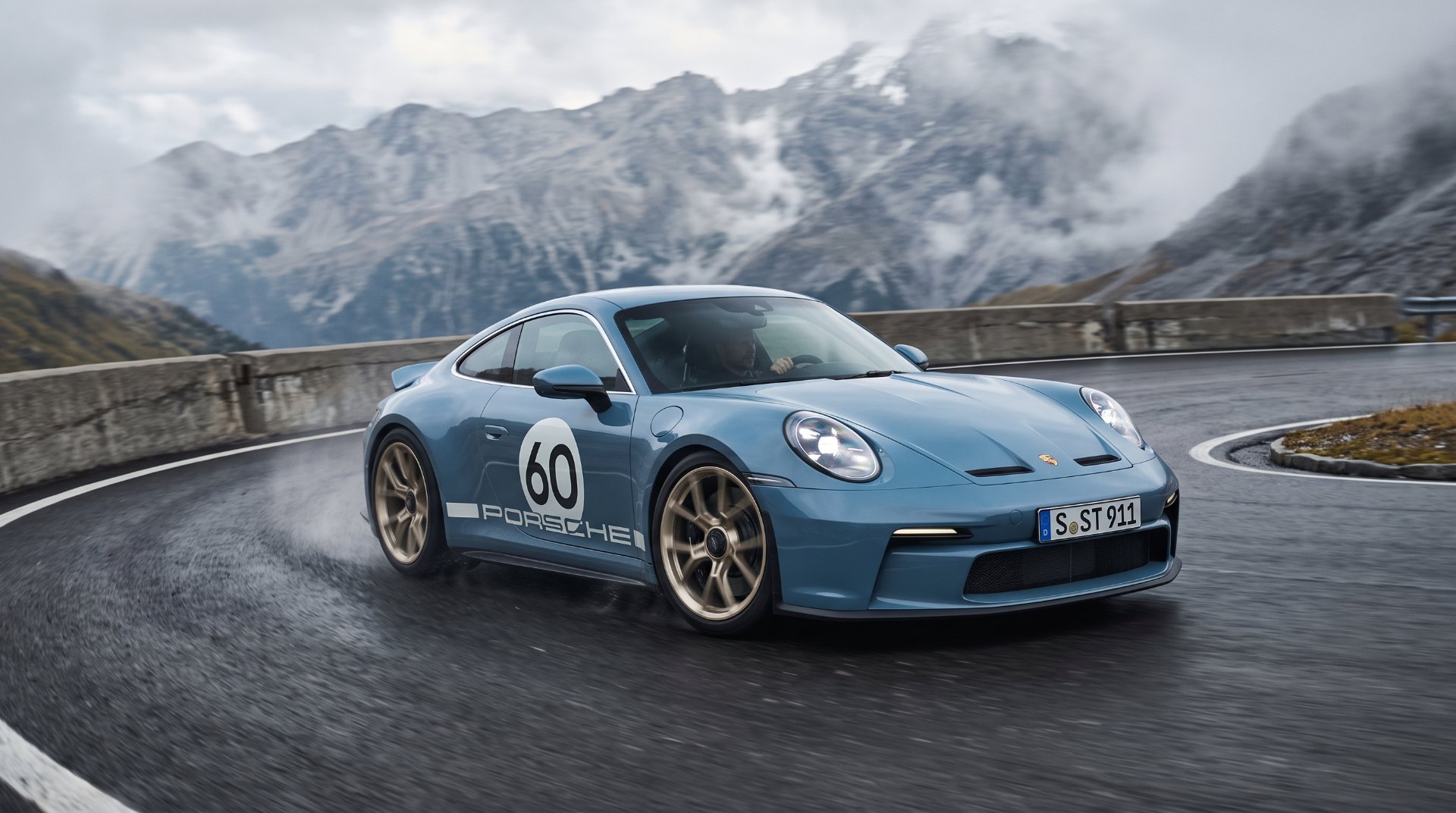
At Porsche, around 70 percent of American buyers of the previous-generation 911 GT3 chose the six-speed manual over the faster PDK dual-clutch — a result that reportedly cost Porsche executives several bottles of wine in lost internal bets. Frank-Steffen Walliser, then head of the 911 line, admitted the company was “surprised by how high it was.” Porsche’s answer was the 911 S/T, a featherweight, manual-only celebration of the 4.0-liter naturally aspirated flat-six that sold out instantly and now trades well above sticker.
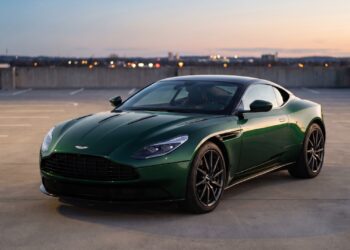
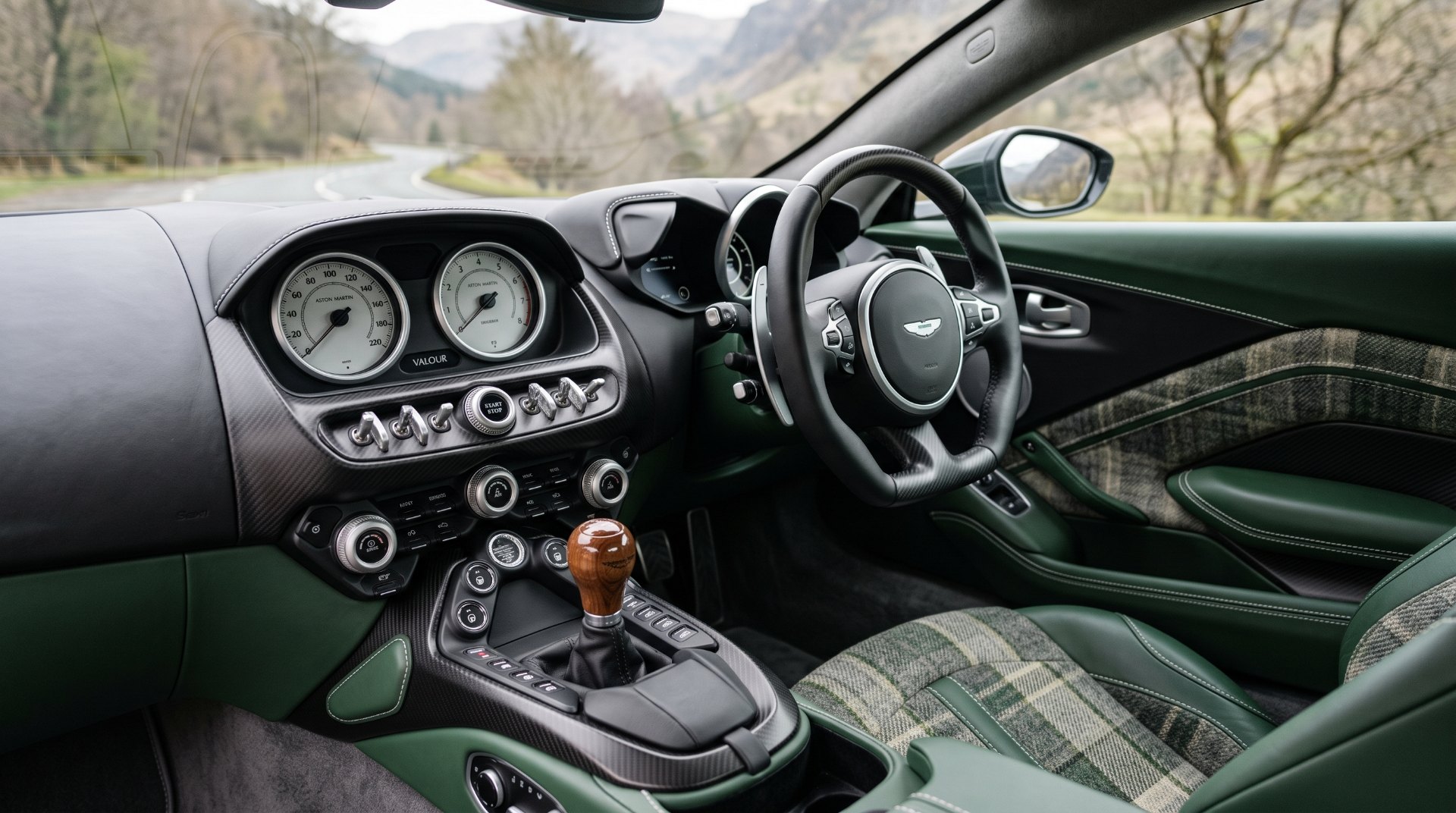
Aston Martin tells the same story with a British accent. The Valour — a 705-horsepower V12 coupled exclusively to a manual gearbox — sold out its entire 110-car run in about two weeks. Its track-sharpened sibling, the Valiant, moved all 38 units before most enthusiasts had finished reading the press release. In a market where every automaker insists “customers don’t want manuals,” the cars that offer three pedals keep disappearing before they reach a showroom floor.
And this is happening while manual transmissions hover near just one percent of overall new-car sales in the United States. The mainstream buyer has moved on. The enthusiast, it turns out, never did — and the enthusiast is exactly who buys exotic cars.
The 12,100-RPM Rebuttal to the Turbo Era
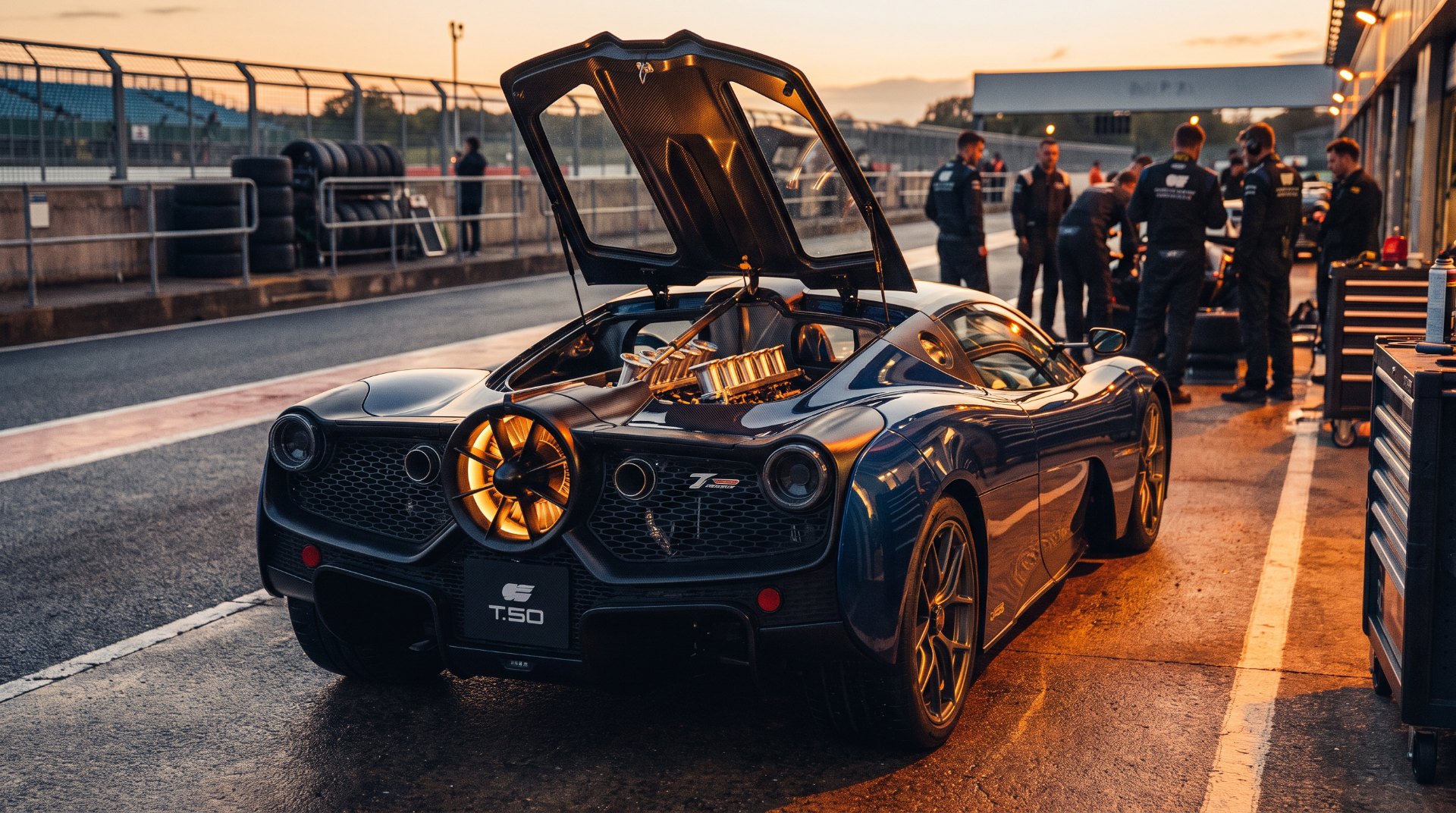
If the analog comeback has a spiritual leader, it is Gordon Murray. The designer of the McLaren F1 built the GMA T.50 as a deliberate rejection of the modern hypercar formula: no turbochargers, no hybrid system, no dual-clutch gearbox and, pointedly, no touchscreen infotainment. Instead, a 3.9-liter Cosworth V12 screams to 12,100 rpm — the highest-revving road-car engine ever made — through a six-speed manual, in a car weighing under a metric ton. Murray called it the ultimate analog supercar, and the T.50’s waiting list and secondary-market values suggest the market agrees.
The philosophy matters more than the spec sheet. Turbocharged, hybridized hypercars are objectively faster. But naturally aspirated engines deliver something forced induction cannot: instant throttle response, a linear power build and a soundtrack that turbos physically muffle. As one-tenth improvements in lap times became meaningless to owners who never see a racetrack, the sensory qualities — sound, response, the mechanical handshake of a gated shifter — became the new luxury.
Even Ferrari Is Backpedaling on Screens
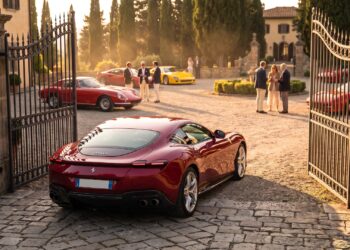
The third front of the analog comeback is inside the cabin, and it produced 2025’s most symbolic surrender: Ferrari brought back physical buttons. After years of owner complaints about the haptic touch controls on its steering wheels, Maranello reintroduced real switches on the new Amalfi — and went further, offering existing owners a retrofit to swap their touch-sensitive steering wheel controls for proper buttons. When the world’s most famous carmaker publicly reverses an interior design direction, the industry notices.
It is not alone, and regulators are now pushing in the same direction. Euro NCAP’s updated 2026 protocols penalize cars that bury essential functions like wipers and hazard lights inside touchscreens, nudging the entire industry back toward tactile controls. Volkswagen, Hyundai and Mercedes-Benz have all announced returns to physical knobs and buttons for core functions. In the exotic sphere, the minimalist cockpit has become a selling point: the Porsche 911 S/T, the Valour’s toggle-heavy dashboard and the T.50’s screen-free instrument pod all treat the absence of technology as the feature.
Why Analog Exotics Are Winning the Value War
Collectors have already voted with their wallets. Analog-era supercars — gated-manual Ferraris, early Lamborghini Murciélagos, manual Porsche GT cars — have consistently outpaced their automated successors in value growth, and market watchers such as Hagerty keep placing driver-focused, manual-equipped machines on their annual lists of cars poised to appreciate. The logic is simple supply and demand: the industry built millions of fast automatic cars, but only a trickle of modern manuals, and no one is making more 12,100-rpm V12s.
That scarcity math is exactly why manufacturers keep greenlighting analog specials. Limited-run, engagement-first cars sell out instantly, command premiums, burnish the brand and cost less to develop than another hybrid powertrain. Expect more of them: Maserati has openly flirted with a manual supercar revival, boutique builders are thriving, and every major brand now has a “heritage” program mining its analog past.
The Road Ahead: Coexistence, Not Civil War
The analog comeback will not kill the hypercar arms race — 2,000-horsepower EVs and hybrid monsters will keep setting lap records, and they should. What has changed is the definition of desirability at the top of the market. Speed became cheap; feel became rare. The exotic car world spent twenty years asking how fast a car could go, and its wealthiest customers finally answered with a different question entirely: how does it make you feel at 40 mph?
Judging by the sold-out order books from Modena to Gaydon, the answer is worth every rev.
Frequently Asked Questions
What does “analog” mean in the exotic car world?
An analog exotic car emphasizes direct mechanical driver engagement: typically a manual transmission, a naturally aspirated engine, hydraulic or minimally assisted steering, physical controls and few or no touchscreens. The term contrasts with “digital” supercars defined by turbocharging, hybrid systems, dual-clutch gearboxes and screen-heavy cabins.
Which new exotic cars offer a manual transmission in 2026?
Standouts include the Pagani Utopia (gated six-speed), Gordon Murray Automotive T.50 and T.33, Porsche 911 S/T and 911 GT3 with the Touring package, and Aston Martin’s sold-out Valour and Valiant. Several boutique builders and restomod specialists are manual-only.
Why are automakers removing touchscreens?
Customer backlash and safety findings. Drivers find touch controls distracting, and Euro NCAP’s 2026 protocols penalize cars that hide essential controls inside screens. Ferrari, Volkswagen, Mercedes-Benz, Porsche and Hyundai have all reintroduced physical buttons for key functions.
Do analog supercars hold their value better?
Recent market data suggests yes. Limited-production manual and naturally aspirated exotics like the Porsche 911 S/T and Aston Martin Valiant routinely trade above MSRP, and analysts such as Hagerty consistently flag analog-era supercars as strong appreciation candidates due to fixed supply and rising enthusiast demand.