
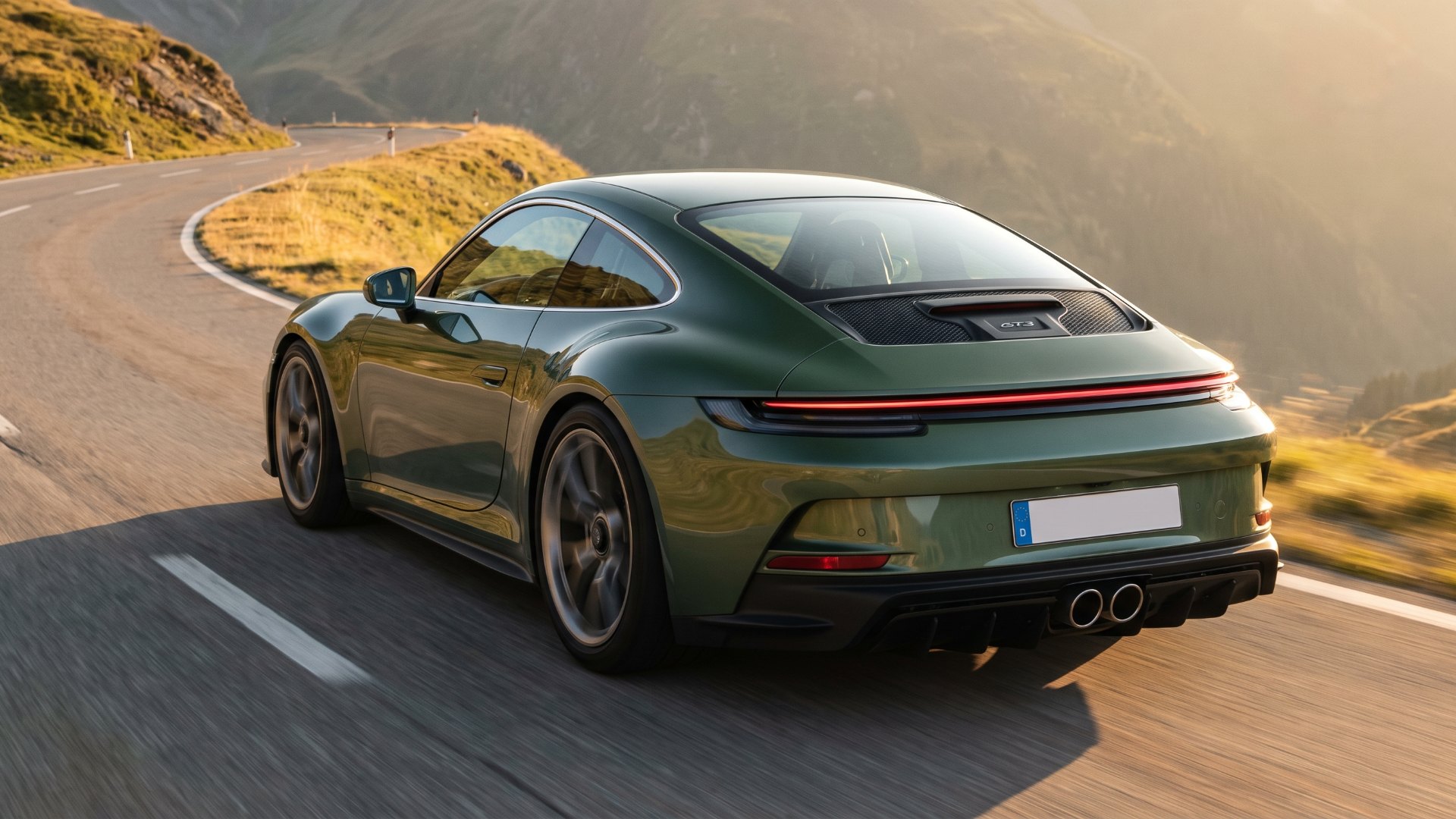
Turbochargers, hybrid systems and dual-clutch gearboxes have made performance cars faster than ever. They have also nearly erased the simplest formula in the business, the naturally aspirated manual: an engine that breathes on its own, bolted to a gearbox the driver shifts by hand. At the exotic end of the market, Porsche is keeping it alive almost alone.
For most of the sports car’s history, the formula was too obvious to spell out. Take an engine that breathes on its own, without turbochargers or electric help. Connect it to three pedals and a gear lever. Keep the weight down, then let mechanical feel do the rest.
In 2026 that combination is remarkably hard to buy. Power has not gone anywhere, and neither has speed. Modern supercars accelerate harder, corner faster and process more information than anything that came before them. Turbocharging is close to universal, hybrid assistance is moving deeper into the exotic market, and dual-clutch gearboxes shift faster than any person can.
What You Need to Know
- The survivor. The 2026 Porsche 911 GT3 pairs a 502-hp, 9,000-rpm naturally aspirated flat-six with a six-speed manual, at the same price as the PDK.
- The near misses. The Ferrari 12Cilindri (830 cv) and Chevrolet Corvette Z06 (670 hp) keep spectacular naturally aspirated engines, but both are dual-clutch only.
- The affordable holdouts. The Mazda MX-5 Miata, Toyota GR86, Subaru BRZ and V8 Ford Mustang still offer the combination well below exotic money.
- The loss close to home. Porsche’s own 718 GTS 4.0, a manual with a naturally aspirated flat-six, left production in October 2025.
- The doubling down. The 2027 911 GT3 S/C, revealed in April 2026 at $273,000, comes with a manual and nothing else.
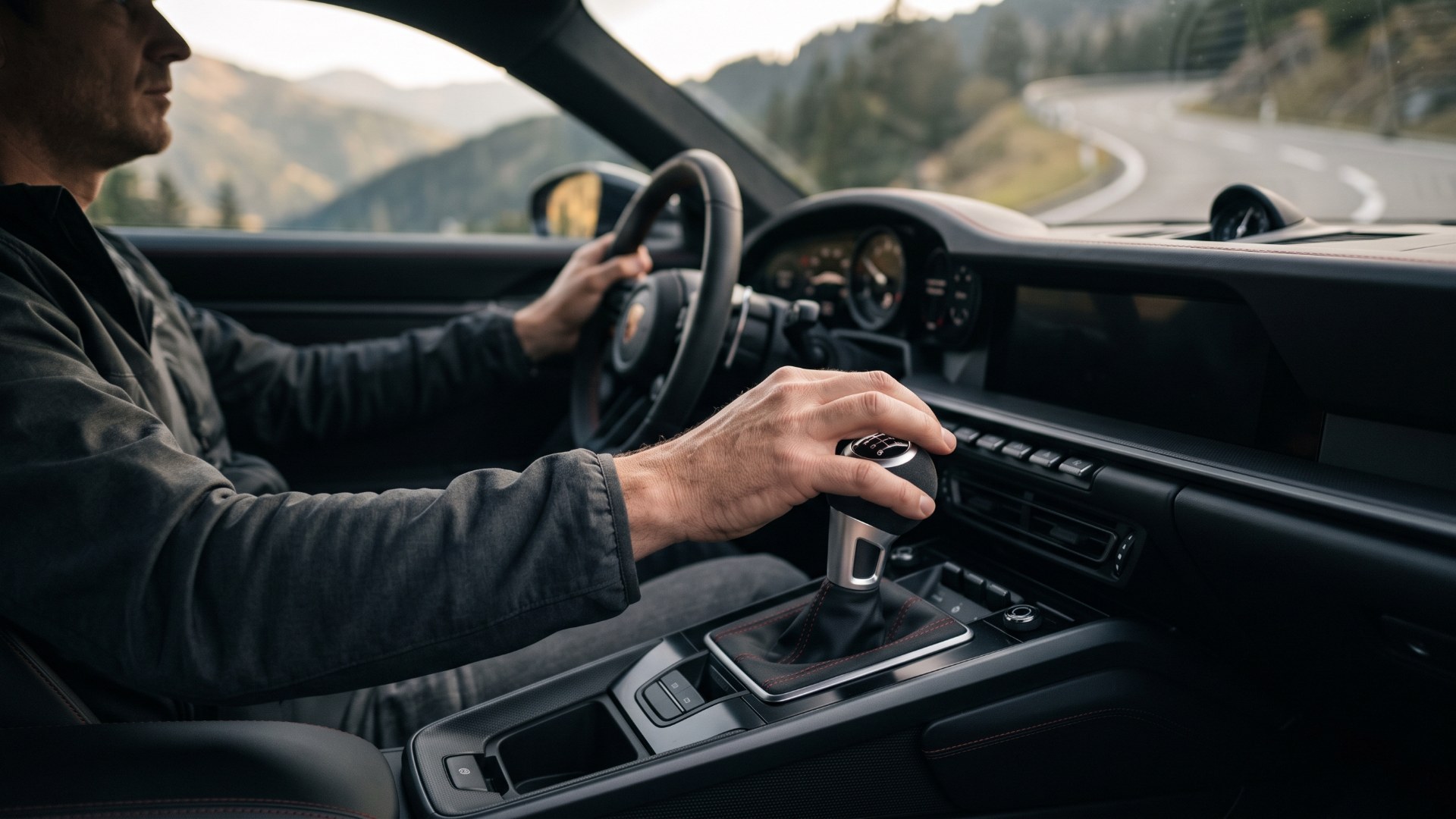
Those same advances have made another kind of car scarce: the one that asks its driver to do more. Near the top of the market, the Porsche 911 GT3 now stands almost alone. Its 4.0-liter flat-six is naturally aspirated, revs to 9,000 rpm and makes 502 horsepower in U.S. specification. It can still be ordered with a six-speed manual.
That does not make the GT3 the only naturally aspirated manual performance car on Earth, and small-volume specialists complicate any absolute claim. Among recognizable series-production cars that operate at exotic levels of price, engineering and capability, though, the field has become extraordinarily thin.
Why It Matters
For buyers, this is a specification choice that may not be on the order form forever. For the industry, the GT3 is a live test of whether involvement can be sold as a feature in its own right, at a time when almost every rival is quicker on paper. If Porsche keeps making the numbers work, it gets harder for anyone else to argue that the naturally aspirated manual died because nobody wanted it.
The Engines Survived. The Clutch Pedal Did Not.
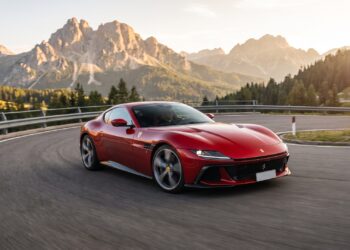
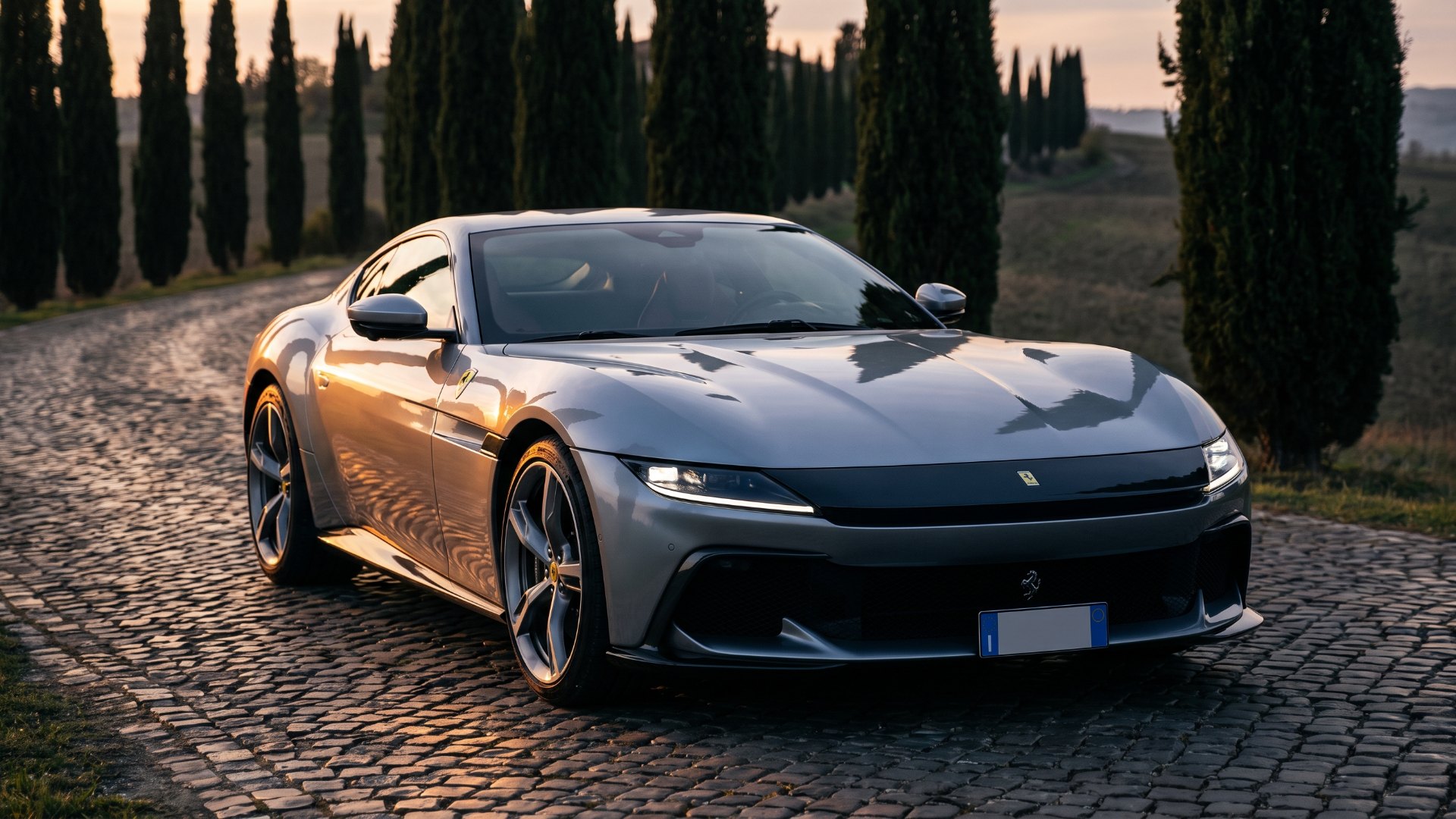
The distinction matters, because the naturally aspirated engine is not dead at the top of the market. Ferrari still builds one of the most spectacular examples on sale. The 12Cilindri uses a 6.5-liter V12 that makes 830 cv and revs to 9,500 rpm, a deliberate celebration of the Maranello V12 while electrification reshapes the rest of the supercar world. It sends that power through an eight-speed dual-clutch transmission.
Chevrolet’s Corvette Z06 makes the same argument from a different direction. Its 5.5-liter LT6 is a flat-plane-crank V8 producing 670 horsepower and spinning to 8,600 rpm. It, too, comes only with an eight-speed dual-clutch.
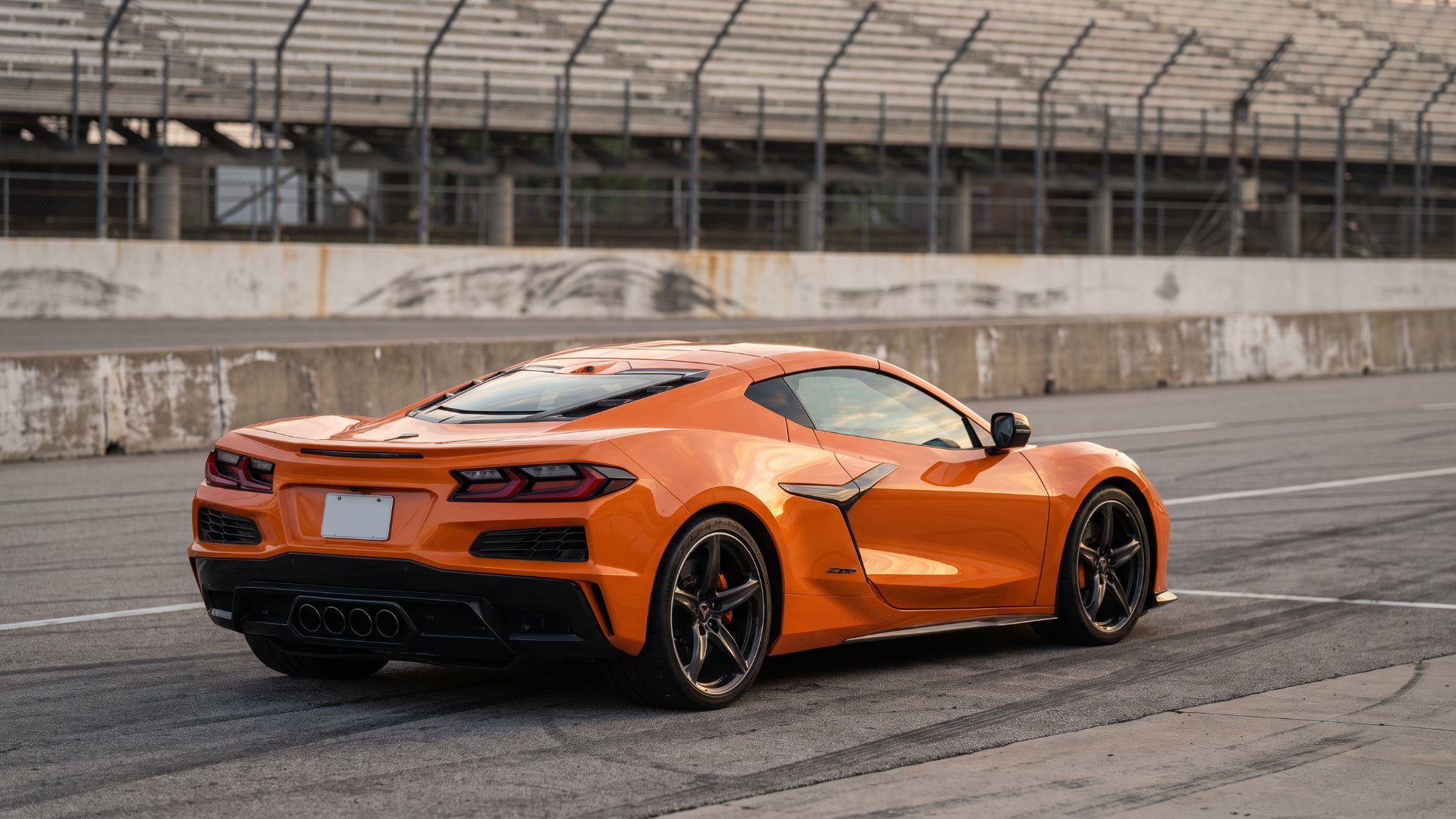
Neither choice is a flaw. Those gearboxes are part of how both cars deliver what a modern supercar is expected to deliver, and a good dual-clutch shifts with a speed and consistency no conventional manual can match.
The exotic manual has been retreating for more than a decade. Ferrari’s last three-pedal car was the California. Lamborghini’s was the Gallardo, which ended in 2013, and Audi’s open-gated R8 lever went with the first-generation car in 2015. The high-revving V10 that Lamborghini and Audi shared left production in 2024, and Lamborghini’s replacement, the Temerario, is a twin-turbo hybrid.
That is the backdrop that makes the GT3 interesting. Porsche is knowingly accepting that its driver will shift more slowly, because speed is no longer the only objective.
What Is Actually Left
Move down the price ladder and a handful of important survivors remain.
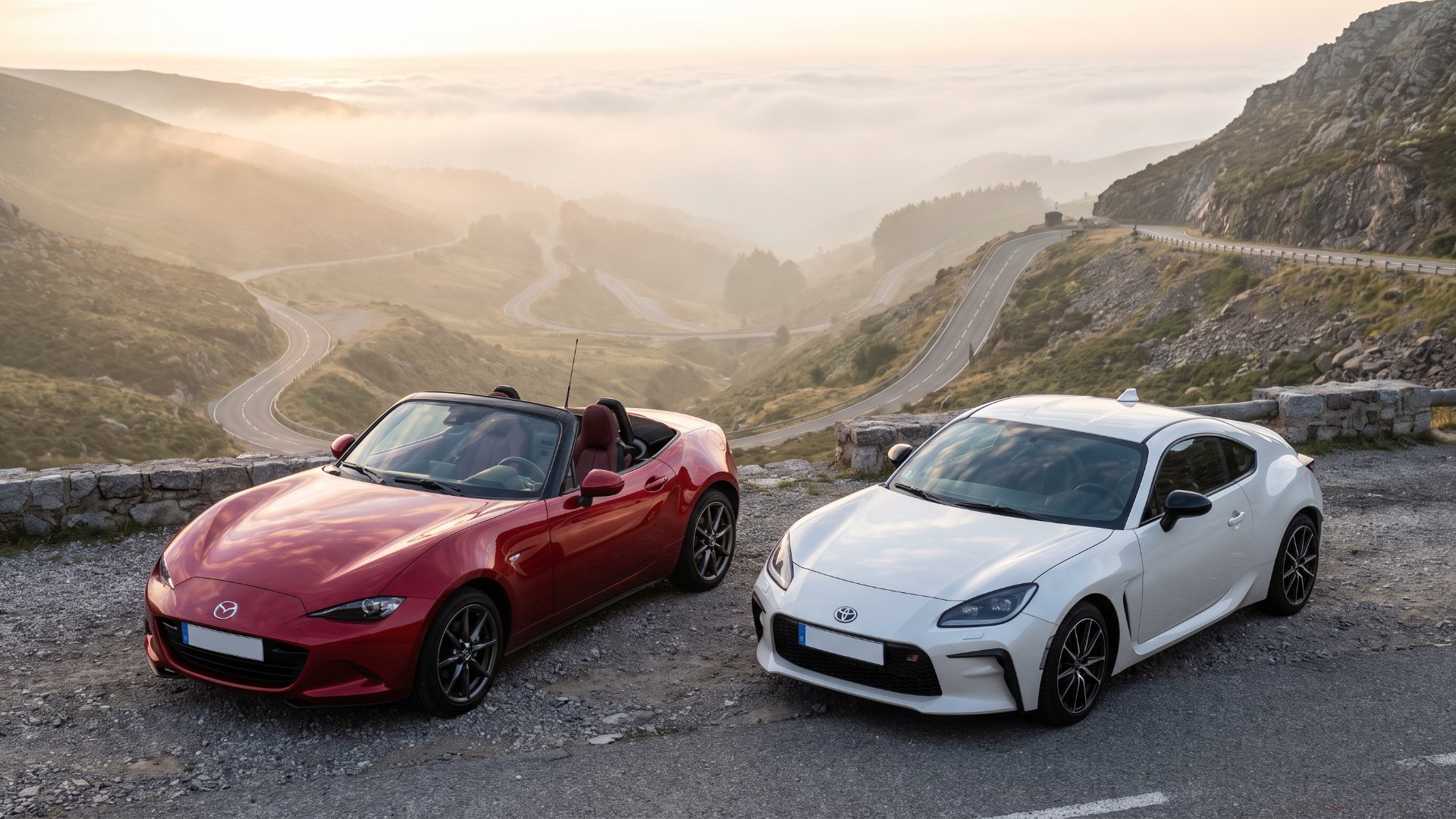
The 2026 Mazda MX-5 Miata keeps its 181-hp naturally aspirated four-cylinder, and Mazda sells the Sport and Club only with a six-speed manual. An automatic is offered on the Grand Touring alone. Toyota’s GR86 and its twin, the Subaru BRZ, share a 228-hp 2.4-liter boxer four. Subaru makes the manual standard across the BRZ range and limits the automatic to a single trim.
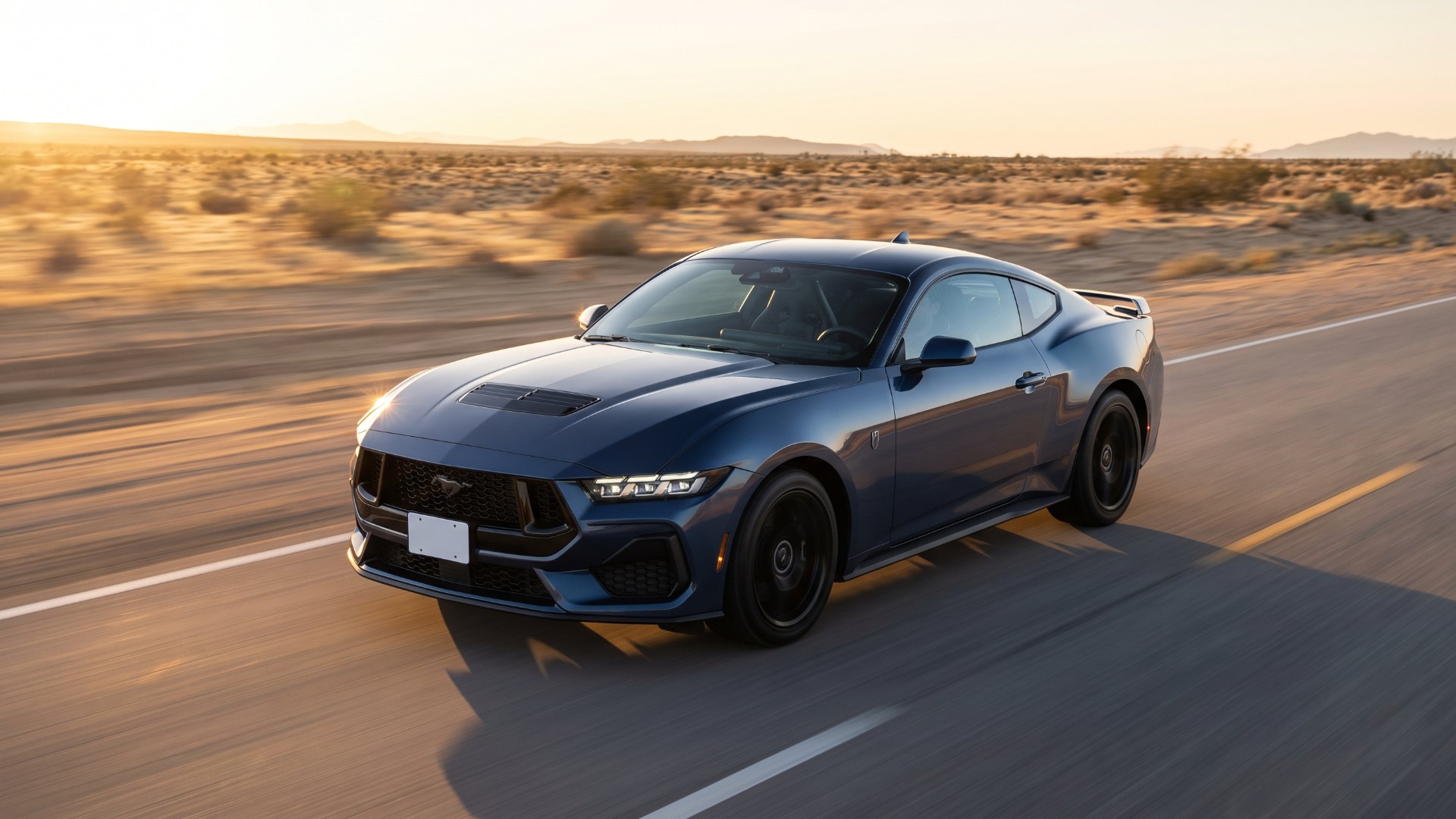
Then there is the Ford Mustang, the centerpiece of a V8 revival Detroit was not supposed to have. Its naturally aspirated 5.0-liter V8 makes 480 horsepower in the GT and 500 in the Dark Horse, and both can be had with three pedals. One detail says a lot about where the market is heading. For 2026 the Dark Horse made its 10-speed automatic standard and turned the TREMEC six-speed into the option. The fastest Mustangs of all, the supercharged Dark Horse SC and GTD, do not offer a clutch pedal.
| Naturally aspirated manual, 2026 | Engine | Power | Manual gearbox |
|---|---|---|---|
| Porsche 911 GT3 and GT3 Touring | 4.0L flat-six | 502 hp | Six-speed, same price as PDK |
| Porsche 911 GT3 S/C (2027 model year) | 4.0L flat-six | 502 hp | Six-speed only |
| Ford Mustang Dark Horse | 5.0L V8 | 500 hp | Six-speed optional, automatic standard |
| Ford Mustang GT | 5.0L V8 | 480 hp | Six-speed or automatic |
| Toyota GR86 | 2.4L flat-four | 228 hp | Six-speed or automatic |
| Subaru BRZ | 2.4L flat-four | 228 hp | Six-speed standard, automatic on one trim |
| Mazda MX-5 Miata | 2.0L inline-four | 181 hp | Six-speed, automatic on one trim |
U.S. specification, manufacturer figures as of October 2026. Sources: Porsche, Ford, Toyota, Subaru, Mazda.
Read the table from the bottom and the gap is obvious. The formula is healthy at 181 and 228 horsepower, alive in the Mustang, and then the price list runs empty for a long stretch. The next naturally aspirated manual wears a Porsche crest.
Even Porsche lost one. The 718 GTS 4.0, a mid-engine car with a naturally aspirated flat-six and a six-speed manual, ended production with the rest of the combustion 718 line in October 2025. Beyond that there are only the boutique builders. Gordon Murray Automotive pairs naturally aspirated V12s with manual gearboxes in the T.50 and T.33, in runs of about 100 cars each. Our guide to every manual supercar you can still buy new covers the turbocharged holdouts as well.
Why the Combination Is Disappearing
There is no single villain. The modern car has simply evolved in a direction that makes a naturally aspirated engine and a manual gearbox hard to justify together.
Turbocharging makes power easy
A turbocharged engine produces big torque from modest displacement, and it gives engineers more room to balance output against efficiency targets. A naturally aspirated engine has to earn its power with revs, airflow and precision.
Porsche’s answer borders on obsessive. The current 4.0-liter flat-six uses revised cylinder heads, sharper camshafts taken from the GT3 RS, six individual throttle bodies, titanium connecting rods and forged pistons, according to Porsche’s technical notes.
Emissions rules raise the price of character
To meet current exhaust standards, Porsche fits that engine with two particulate filters and four catalytic converters. That is a great deal of hardware spent preserving something a pair of turbochargers would make simpler. It tells you how much Porsche believes the character is worth.
Dual-clutch gearboxes are simply faster
When lap times and acceleration figures sell cars, the case for an automated gearbox is easy to make. A computer does not miss a shift or hesitate, and it can run a launch perfectly every time.
Porsche’s own figures show the cost of choosing otherwise. A GT3 with PDK reaches 60 mph in 3.2 seconds, and the manual car needs 3.7. In a class where tenths of a second are marketing material, half a second is a lot to give away.
The manual answers with other virtues. Porsche says it weighs 17 kilograms less than PDK, about 37 pounds, and it puts nothing between the driver and the powertrain. The slower gearbox may be the one enthusiasts want more, which would have sounded strange a generation ago.
Speed Got Easier to Buy. Involvement Got Scarce.
This may be the larger story, and it is one ECN has made before: the horsepower war is over, and emotion is the new battleground. Modern cars have made extraordinary speed accessible. All-wheel drive deploys huge power, launch control repeats the same start every time, and stability systems intervene faster than any driver can react. Dual-clutch gearboxes fire through their ratios without interrupting acceleration. The car gets faster while the driver’s workload gets smaller.
A naturally aspirated manual car works the other way. The GT3’s 331 pound-feet arrives high in the rev range, so the engine has to be kept spinning and the driver has to pick the gear, often one lower than instinct suggests. Throttle position matters. Engine speed matters. Timing matters.
A perfect downshift satisfies because the car did not do it for you. That kind of interaction is now rare enough to count as a luxury feature in its own right.
The GT3 Is an Engineering Anomaly
Look closely at the current GT3 and the oddness of the car comes into focus. Porsche could have turbocharged it, and has decades of experience doing exactly that to the 911. It could have made PDK mandatory, since it builds one of the best dual-clutch gearboxes in the world. It could have softened the engine in exchange for easier emissions compliance.
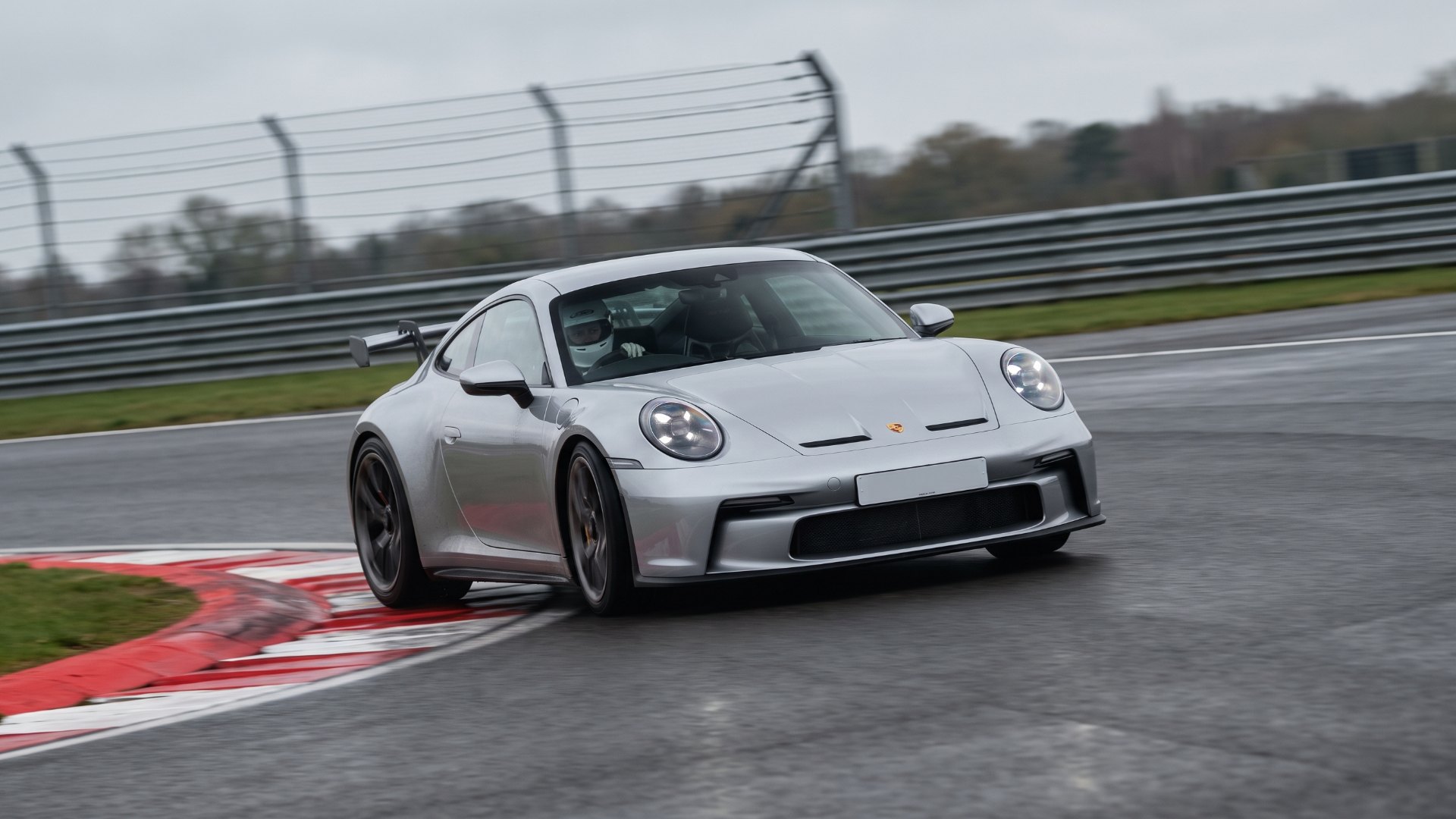
It did none of those things, and it had already tried one of them. The 991-generation GT3 arrived in 2013 with PDK and no manual option. Three years later Porsche built the manual-only 911 R, limited to 991 cars, and watched it sell out and trade well above list price. The manual returned to the GT3 in 2017, joined by a Touring Package that offered no automatic at all at launch.
So the car in showrooms today is the product of a lesson learned. It is also packed with modern technology: a double-wishbone front axle, rear-axle steering, serious aerodynamics and sophisticated electronics. Porsche uses all of it to preserve an old-fashioned experience, which may be the GT3’s greatest trick.
Porsche Just Doubled Down
If there were any doubt that Porsche understands the emotional value of this combination, the 911 GT3 S/C settles it. Revealed in April 2026 for the 2027 model year, the Sport Cabriolet is the first GT3 with a fully automatic convertible top. It uses the same 4.0-liter engine, with 502 horsepower, 331 pound-feet and the 9,000-rpm limit.
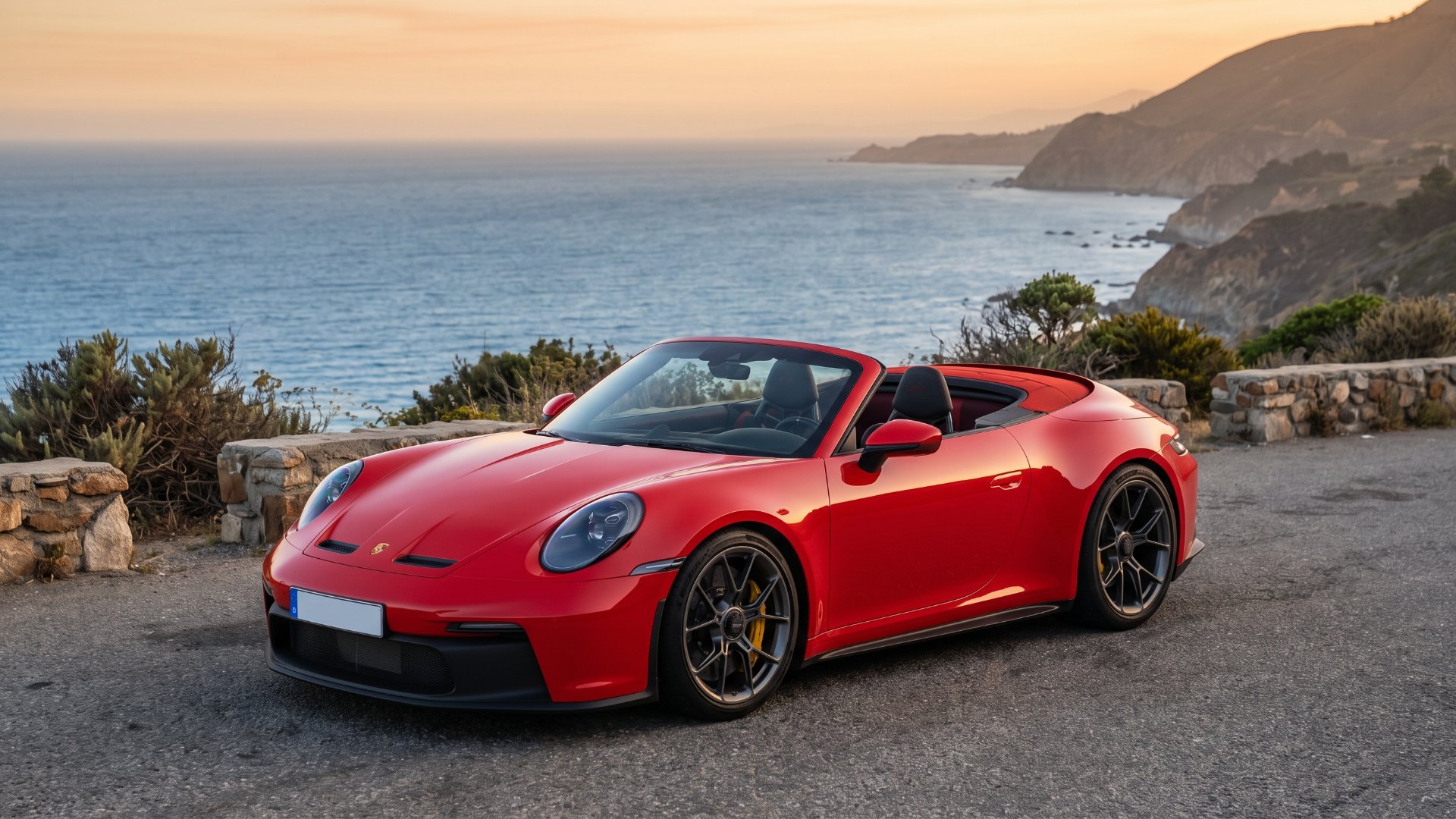
Then Porsche went a step further. The GT3 S/C is manual-only, with a short-ratio six-speed and no PDK alternative. In an industry obsessed with trimming tenths from acceleration times, Porsche launched a new $273,000 GT car whose gearbox requires the driver to take part.
The rest of the car follows the same logic. The hood, fenders and doors are carbon fiber borrowed from the 911 S/T, the wheels are magnesium, and ceramic brakes are standard. The result weighs 3,322 pounds, reaches 60 mph in 3.7 seconds and runs to 194 mph. Unlike the 2019 911 Speedster it recalls, it is not a limited edition.
One small detail captures the intent. The driver can rotate the tachometer so the 9,000-rpm redline sits at twelve o’clock.
The S/C is not an isolated gesture. In August 2026 Porsche announced a six-speed manual 911 Carrera S built exclusively for North America. That car is turbocharged, so it sits outside this story’s narrow definition, but it shows where Porsche thinks its customers are.
Will Naturally Aspirated Manuals Become More Desirable?
Scarcity does not automatically create collectibility. A gearbox alone does not make a car valuable, and no modern performance car should be treated as a guaranteed investment.
Still, the ingredients collectors tend to notice are all present:
- A distinctive engine with a sound and character of its own
- A technology that is visibly disappearing
- A strong, knowledgeable enthusiast following
- A clear place in the history of a model line
- A specification that later cars may not offer
There is precedent. Ferrari’s last gated-manual cars, built in small numbers as paddles took over, now sell for substantially more than their paddle-shift siblings, a pattern we traced in our look at how 2000s cars become collectible. The 911 R showed the same instinct at work on a brand-new car.
There is also a reason for restraint. Porsche has kept the GT3 Touring and the GT3 S/C as series-production models, which works against the artificial scarcity that drives speculation. That is good news for people who intend to drive them.
The appeal was never that shifting by hand is technically superior. It is not. The appeal is that nothing else feels like it.
The Future Can Be Better Without Making the Past Irrelevant
None of this needs to become an argument against technology. Electrified supercars reach performance that combustion could never manage alone. Turbocharging delivers power figures that once belonged to racing cars. Modern transmissions make very fast cars easier to drive quickly and consistently. The progress is real.
Progress does not strip every older idea of its value, though. Mechanical watches outlived quartz and the smartphone. Vinyl survives in the age of streaming, and film still sells beside computational cameras. Sometimes a technology becomes more emotionally valuable precisely because the world no longer needs it.
The manual transmission is heading into that territory, and the naturally aspirated performance engine may be following it. Put the two together and what was once normal starts to feel extraordinary.
The Last Exotic Standing
Eventually even Porsche may reach a limit. Regulations will keep tightening and electrification will keep advancing. The economics of developing a specialized naturally aspirated engine for a small group of customers will not get easier.
That makes the present worth appreciating. A GT3 buyer today can still sit behind an engine that revs to 9,000 rpm, press a clutch pedal, move a physical lever and decide exactly when the next ratio arrives. The car will not be as quick through each shift as the PDK version, and that is almost beside the point.
Modern engineering has solved the problem of going fast. The GT3 preserves something harder to engineer: the feeling that the driver still has work to do.
The naturally aspirated manual exotic may be approaching extinction. Porsche, apparently, has decided extinction can wait.
Frequently Asked Questions
What is a naturally aspirated manual?
A naturally aspirated manual is a car whose engine draws in air at atmospheric pressure, with no turbocharger, supercharger or hybrid assistance, and whose gearbox the driver shifts with a clutch pedal and a gear lever.
What is the last naturally aspirated manual exotic car?
Among series-production exotics on sale in 2026, it is the Porsche 911 GT3 family: the GT3, the GT3 with Touring Package and the manual-only 2027 GT3 S/C. Gordon Murray Automotive offers the same combination in the T.50 and T.33, in runs of about 100 cars each.
Is the Porsche 911 GT3 naturally aspirated?
Yes. The current 911 GT3 uses a 4.0-liter flat-six with no turbochargers and no hybrid assistance. It makes 502 horsepower in U.S. specification and revs to 9,000 rpm.
Can you still buy a 911 GT3 with a manual transmission?
Yes. The GT3 and the GT3 with Touring Package offer a six-speed manual at the same price as the seven-speed PDK. The 2027 GT3 S/C is manual-only, while the track-focused GT3 RS is PDK-only.
Is the manual GT3 slower than the PDK?
In a straight line, yes. Porsche quotes 0 to 60 mph in 3.7 seconds for the manual and 3.2 seconds for the PDK. The manual is about 37 pounds lighter and has a marginally higher top speed.
Which new cars still pair a naturally aspirated engine with a manual in 2026?
Among series-production cars sold in the U.S.: the Porsche 911 GT3 family, Ford Mustang GT and Dark Horse, Toyota GR86, Subaru BRZ and Mazda MX-5 Miata. A few boutique builders, including Gordon Murray Automotive, offer the combination in very small numbers.
Why did Ferrari and Lamborghini stop building manuals?
Paddle-shift gearboxes became faster than any driver, and demand for three-pedal cars fell away as they did. Ferrari’s last manual was the California and Lamborghini’s was the Gallardo, which ended production in 2013.
Will a manual GT3 be worth more in the future?
Nobody can promise that. Manual versions of some earlier performance cars now carry clear premiums, but the GT3 Touring and GT3 S/C are series-production models. They are better bought to drive than to speculate on.
Images in this article are editorial illustrations, not manufacturer, press or event photography.