
What you need to know
- At 2026 auctions, low-mileage supercars sold for wildly more than near-identical driven examples. An 8-mile 2006 Ford GT Heritage Edition brought $2,101,000; a 13,000-mile example brought $660,000.
- The penalty is steepest in the first few hundred miles. By ECN’s math, the first 148 miles on a Heritage Edition were “worth” roughly $5,460 each. Every mile after that, out to 13,000, cost about $49.
- Some supercars are built to rack up miles: the Porsche 911 Turbo S, Audi R8, Acura NSX, McLaren GT/GTS and Ferrari’s front-engine GTs pass a far tougher test than “can you commute in it?”
- Owners who did drive have the receipts: a Ferrari 308 GTS past 241,000 miles, a 996 Turbo past 700,000 and an NSX with roughly 400,000 on the clock.
- Letting a car sit isn’t free. Tires age out, fuel goes stale, seals dry and batteries die whether the odometer moves or not.
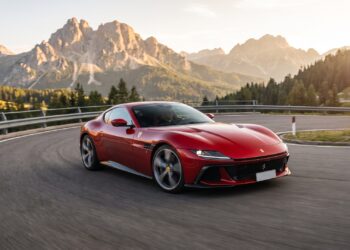
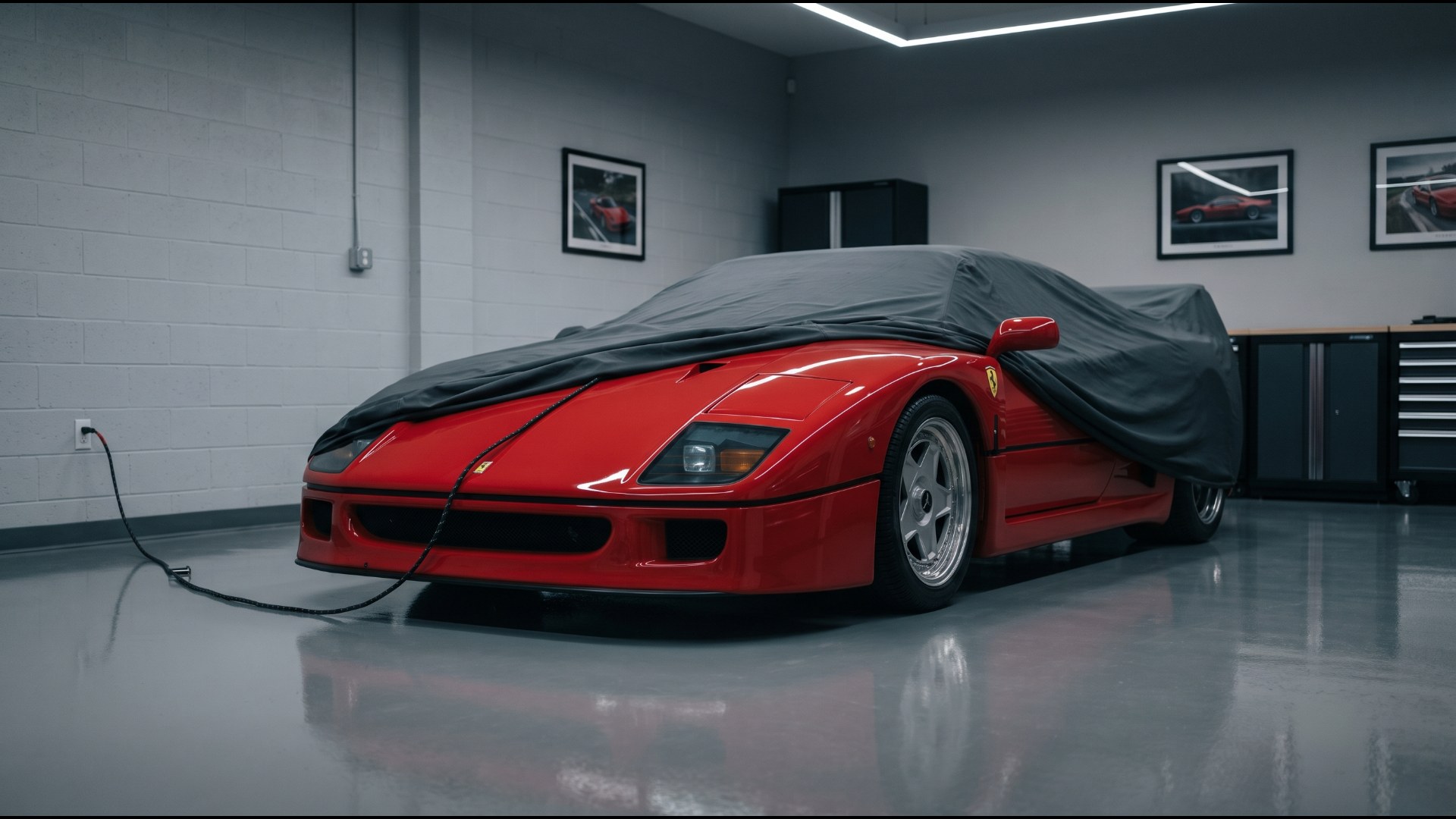
Ferrari spends years and enormous sums making a car that will run all day at speeds most owners will never see. Then the collector market pays the owner who never takes it out from under the cover.
That is the strangest contradiction in the supercar world, and the reason low-mileage supercars dominate the auction headlines. Engineers measure success in lap times, cooling capacity and how a car feels at the end of a 500-mile day. The auction catalog measures it in miles that didn’t happen. The less a car has done the thing it was built for, the more it is often worth.
This isn’t just a feeling. The 2026 auction season produced a clean set of comparisons, and they show how much the market charges for each mile.
The price of every mile
The cleanest example is the 2006 Ford GT Heritage Edition, the 343-car run finished in the light blue and orange of the Le Mans–winning GT40s. Spec is basically fixed, so mileage is the biggest variable left. In August, an example showing 8 miles sold on Bring a Trailer for $2,101,000. It is the most expensive first-generation Ford GT ever sold at auction, and it went for more than three times what driven examples brought earlier in the year.
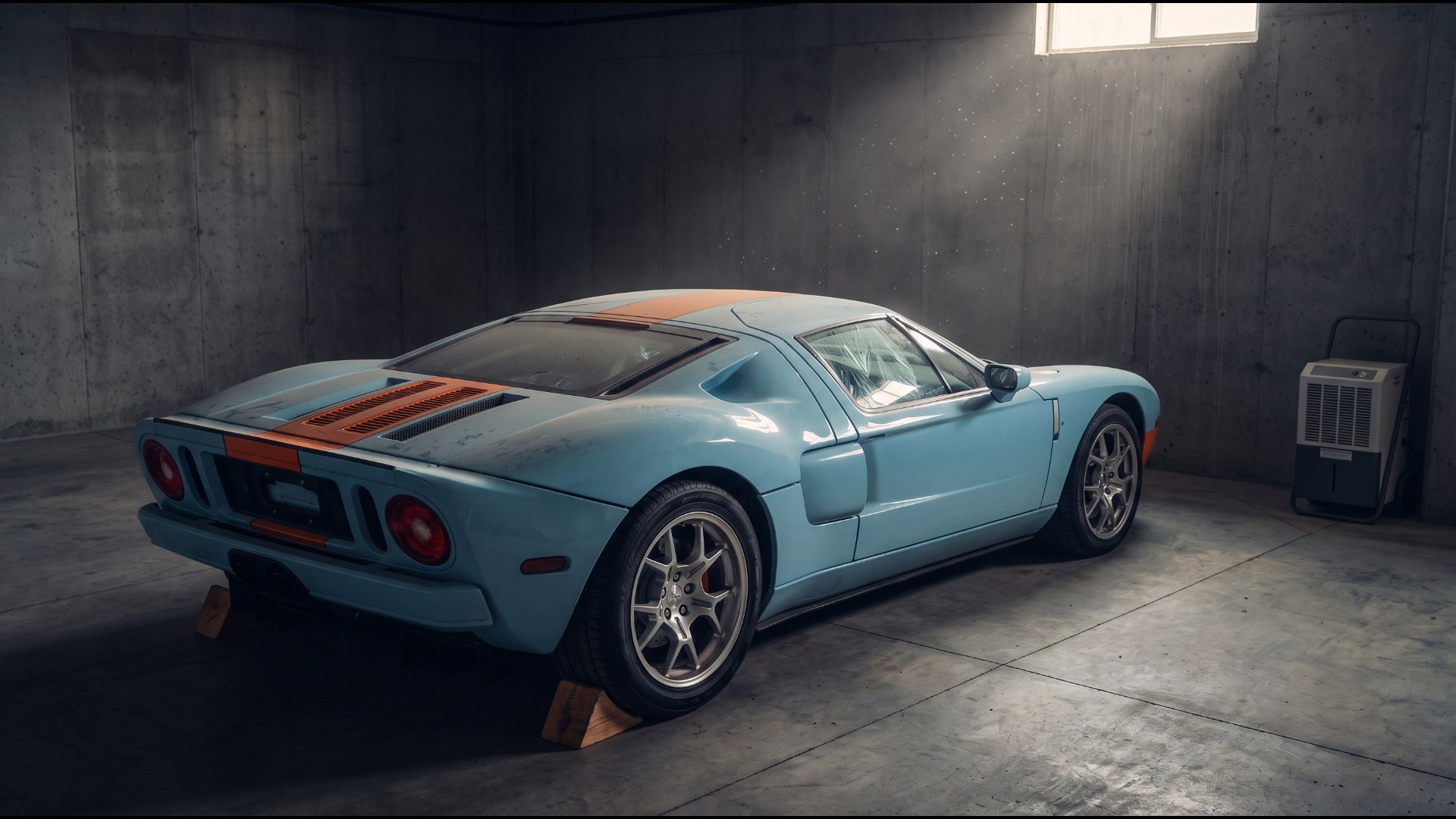
Lay the 2026 Heritage Edition results side by side and the mileage curve is hard to miss. Figures are reported sale results compiled by ECN; auction-house prices include buyer’s premium, while Bring a Trailer figures are the winning bid.
Ford GT Heritage · 2026 sales
$2,101,000
8 miles
- Venue
- Bring a Trailer, Aug. 4
Ford GT Heritage · 2026 sales
$1,292,500
156 miles
- Venue
- Mecum, May 16
Ford GT Heritage · 2026 sales
$725,000
22,000 miles
- Venue
- Bring a Trailer, June 3
Ford GT Heritage · 2026 sales
$660,000
13,000 miles
- Venue
- Bring a Trailer, Jan. 22
Now do the math. Going from 8 miles to 156 cost the seller roughly $808,500, or about $5,460 per mile. From 156 miles to 13,000, the drop was $632,500, or about $49 a mile. Most of the “mileage penalty” isn’t about wear at all. It is about the line between a car that has been used and one that is still, in collector terms, new.
The market isn’t perfectly linear. The 22,000-mile car outsold the 13,000-mile car, and in the same database a 3,000-mile car brought $1,261,000 while a 4,000-mile car made $793,500. Condition, color, history, documentation and simply who shows up to bid all matter. But the direction is consistent.
Ferrari tells the same story with more zeros
U.S.-specification Ferrari F40s were among the hottest cars of the year. At RM Sotheby’s Monterey sale in August, a 1991 F40 showing 320 miles, originally bought by Lee Iacocca, sold for $8,365,000, according to RM’s lot results. In January, Mecum sold a 458-mile U.S. F40 for $6,600,000 from the Bachman collection. Back in March at Broad Arrow’s Amelia Island sale, a 1990 U.S. car with 8,065 miles brought $3,800,000.
Even setting aside the Iacocca provenance, the 458-mile car brought about 1.7 times the 8,065-mile car. That works out to roughly $368 for every mile between them.
The Numbers · ECN calculation
Ferrari F40 (U.S. spec)
- Low
- 458 mi · $6,600,000 (Mecum, Jan. 2026)
- Driven
- 8,065 mi · $3,800,000 (Broad Arrow, Mar. 2026)
- Per mile
- ≈ $368
A 320-mile ex-Iacocca car made $8.365M at RM in August. Provenance pushes that one even higher.
The Numbers · ECN calculation
Ferrari Enzo (U.S. spec)
- Low
- 649 mi · $17,875,000 (Mecum, Jan. 2026)
- Driven
- 3,746 mi · $11,110,000 (same sale)
- Per mile
- ≈ $2,184
Not apples to apples. The low-mile car is a rare Giallo Modena example and the other is special-order Rosso Dino, so color drives part of that gap.
The Numbers · ECN calculation
Ferrari F512 M (U.S. spec)
- Low
- 5,002 mi · $1,210,000 (Mecum, Jan. 2026)
- Driven
- 11,144 mi · $891,000 (same sale)
- Per mile
- ≈ $52
Two cars that had both been driven, at the same auction, yet the extra 6,000 miles still cost about $319,000.
The Numbers · ECN calculation
Ford GT Heritage Edition
- Low
- 8 mi · $2,101,000 (BaT, Aug. 2026)
- Driven
- 13,000 mi · $660,000 (BaT, Jan. 2026)
- Per mile
- ≈ $111
The 8-mile car brought about 3.2 times the driven one.
Method: price difference divided by mileage difference, using reported sale prices (auction-house results include buyer’s premium; Bring a Trailer figures are the winning bid). These are illustrations of the market’s behavior, not valuations. Color, provenance, condition and bidding dynamics also move prices.
Hagerty has measured the same effect across the broader collector market. Its analysis of “always collectible” cars, a group that includes the 2005–06 Ford GT, found that examples with under 100 miles brought over 88 percent more at auction than their Hagerty Price Guide value. Cars with 100 to 1,000 miles brought 67 percent more, and cars with 1,000 to 10,000 miles about 24 percent more. (ECN explains how that price guide works in our Hagerty valuation explainer.)
That is the economic logic behind low-mileage supercars living in climate-controlled garages on battery tenders and under car covers. If the miles are worth that much, every drive to dinner looks like a four-figure expense. It also explains why odometer fraud is such a live issue in this segment; ECN covered that in how mileage blockers are distorting the exotic car market.
But some supercars want to be driven
Here’s the other side. Some supercars are built for mileage. Their owners pile it on, their engineering supports it, and they are arguably at their best on day three of a road trip.
“Can you commute in it?” is too easy a test. Almost anything with air conditioning and a reverse gear can survive a commute. A car that wants mileage has to pass a tougher one:
The ECN mileage test
- Three-hour comfort. Seats, ride and noise you can live with after lunch, not just for a 20-minute blast.
- Traffic visibility. Can you merge, park and change lanes without a spotter?
- Clearance. Enough ride height, or a nose lift, for driveways, speed bumps and fuel-station aprons.
- Real luggage. Space for two people’s weekend bags, not a toothbrush and a credit card.
- Repeat dependability. A track record of starting every morning, not just on show day.
- Sane servicing. Intervals and consumables (tires, brakes, clutches, belts) that don’t punish use.
- Highway manners. Stable and quiet at 80 mph for hours.
- Rain and cold. Traction and tire options that let you keep driving when the weather turns.
- Does sitting hurt it? Whether the car actually needs to be driven to stay healthy.
Run the usual everyday-supercar names through that test and a short list of cars clearly wants mileage.
Porsche 911 Turbo S: the benchmark
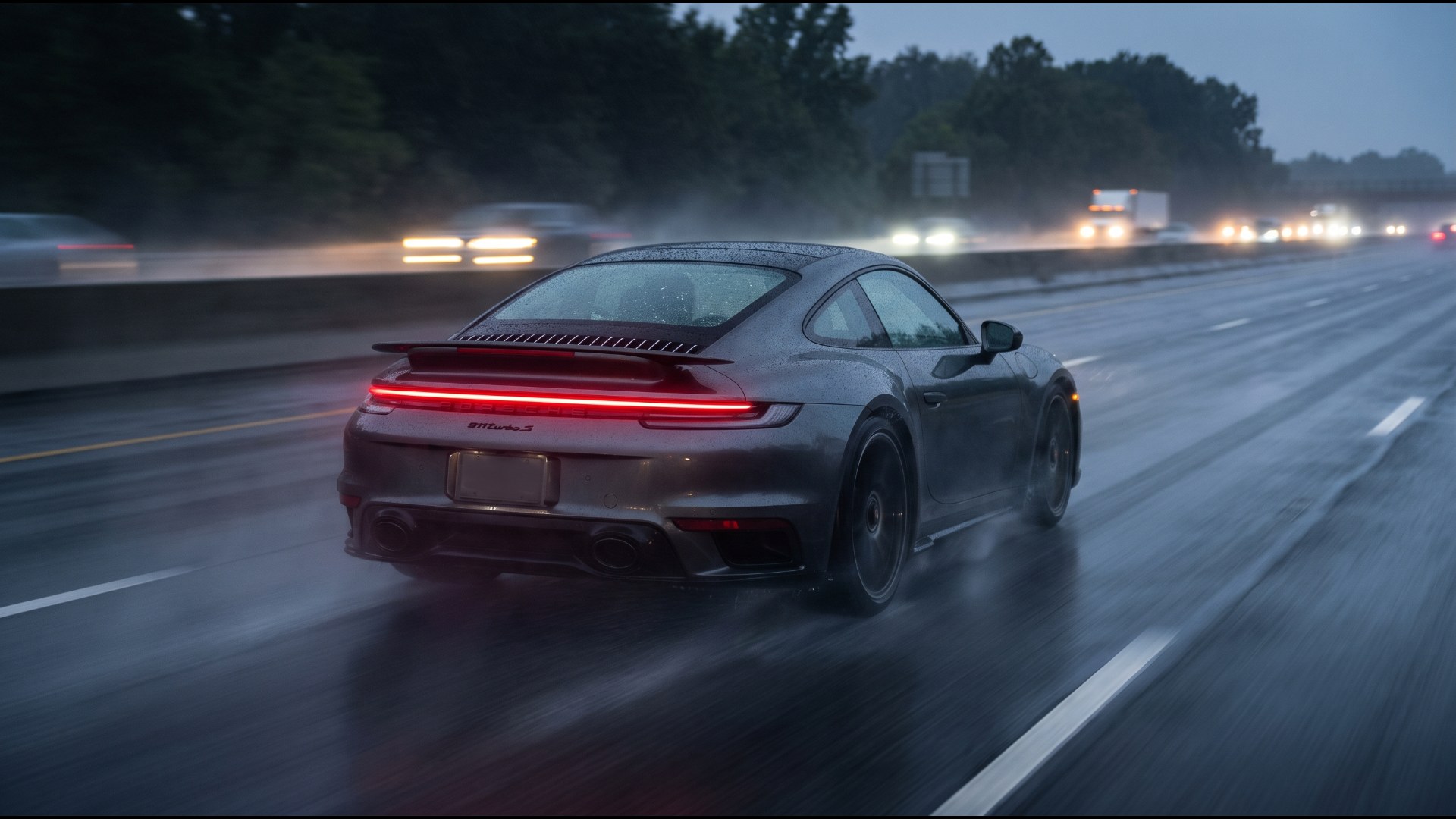
If one car defines the high-mileage supercar, it’s this one. The 2026 911 Turbo S makes 701 hp from its T-Hybrid powertrain, and Porsche quotes 0–60 mph in 2.4 seconds and a 200-mph top speed. Yet it still drives all four wheels, offers an optional front-axle lift that Porsche says now reacts faster, and lets coupe buyers add rear seats at no extra cost, according to Porsche’s press kit. Porsche rates the 992-generation Turbo’s front trunk at 128 liters (4.5 cu ft), with the rear-seat area adding more.
Dealer service schedules for the 992 call for an oil service every 10,000 miles or one year.
The proof is in the owners. Rhode Island’s Tom Thalmann said, in remarks published by Rennlist, that his 2003 996 Turbo was still his daily driver after nearly 21 years and had passed 700,000 miles. His advice for the doubters: “If you have never put snow tires on a 911 Turbo and taken it out in 10 inches of fluffy snow, you don’t know what you’re missing.” Separately, a 2016 991.2 Turbo S with 207,103 miles (333,300 km) was consigned to Bonhams in 2022.
McLaren GT and GTS: the McLaren built for luggage
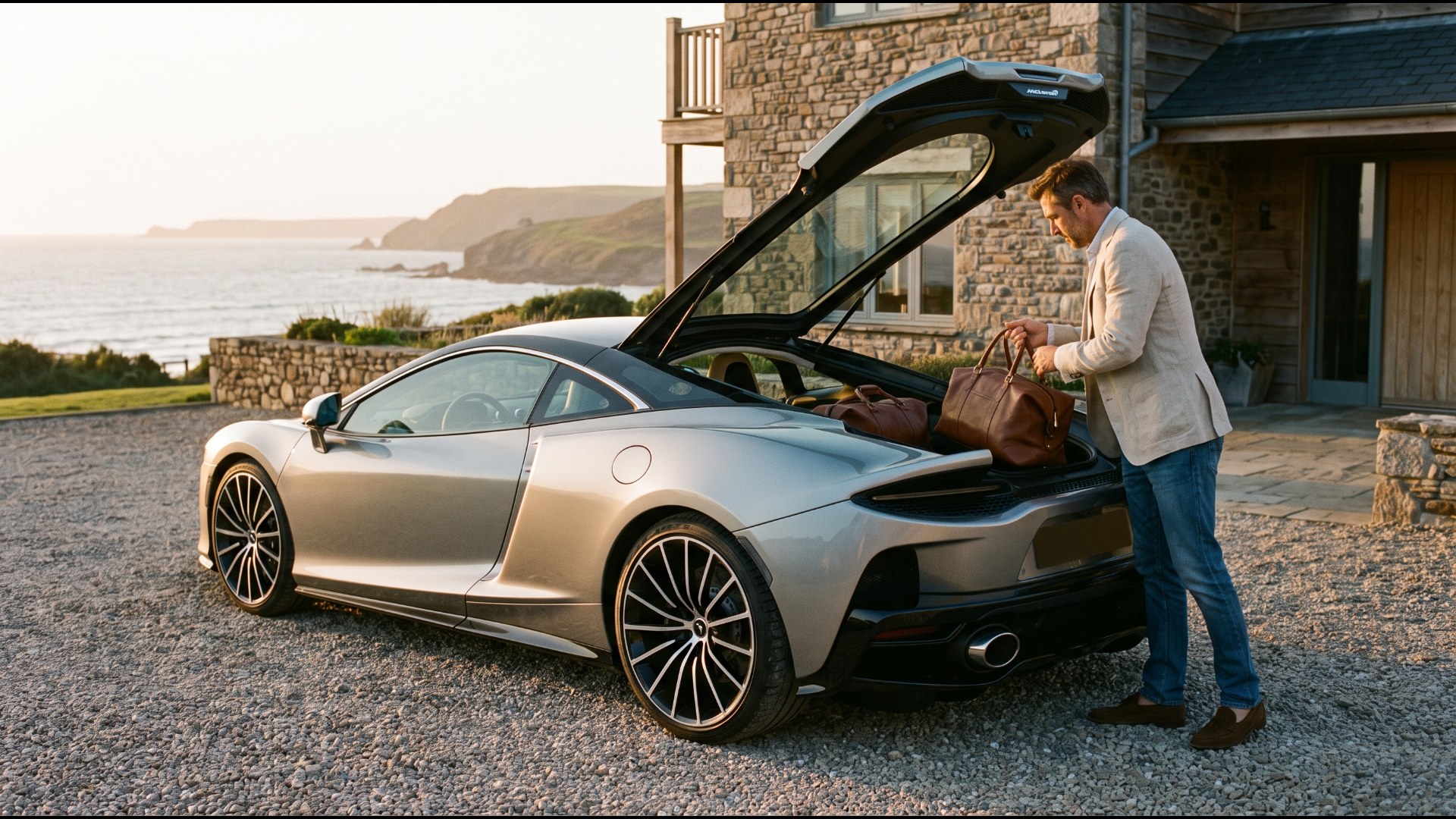
McLaren built the GT, and the GTS that replaced it, for exactly this kind of use. The GTS press kit lists 570 liters of total luggage space, 150 front and 420 under the rear glass. A nose lift that raises the front 20 mm in about four seconds comes standard. It’s rear-wheel drive, so cold-weather duty means proper winter tires, and McLaren dealers list annual service at 10,000 miles or 12 months.
McLaren owners have long proved the point. Swiss businessman Urs Tschuding put more than 130,000 km (about 81,000 miles) on a 12C Spider driving to customers across Europe. Coverage in 2016 reported that McLaren itself called it probably the highest-mileage McLaren in the world. Rowan Atkinson put roughly 41,000 miles on his McLaren F1. In a 2015 interview published by the dealer handling its sale, he explained the appeal: “You don’t need to plan a long distance journey with military precision before it’s worth getting out of the garage.”
Acura NSX: the original argument
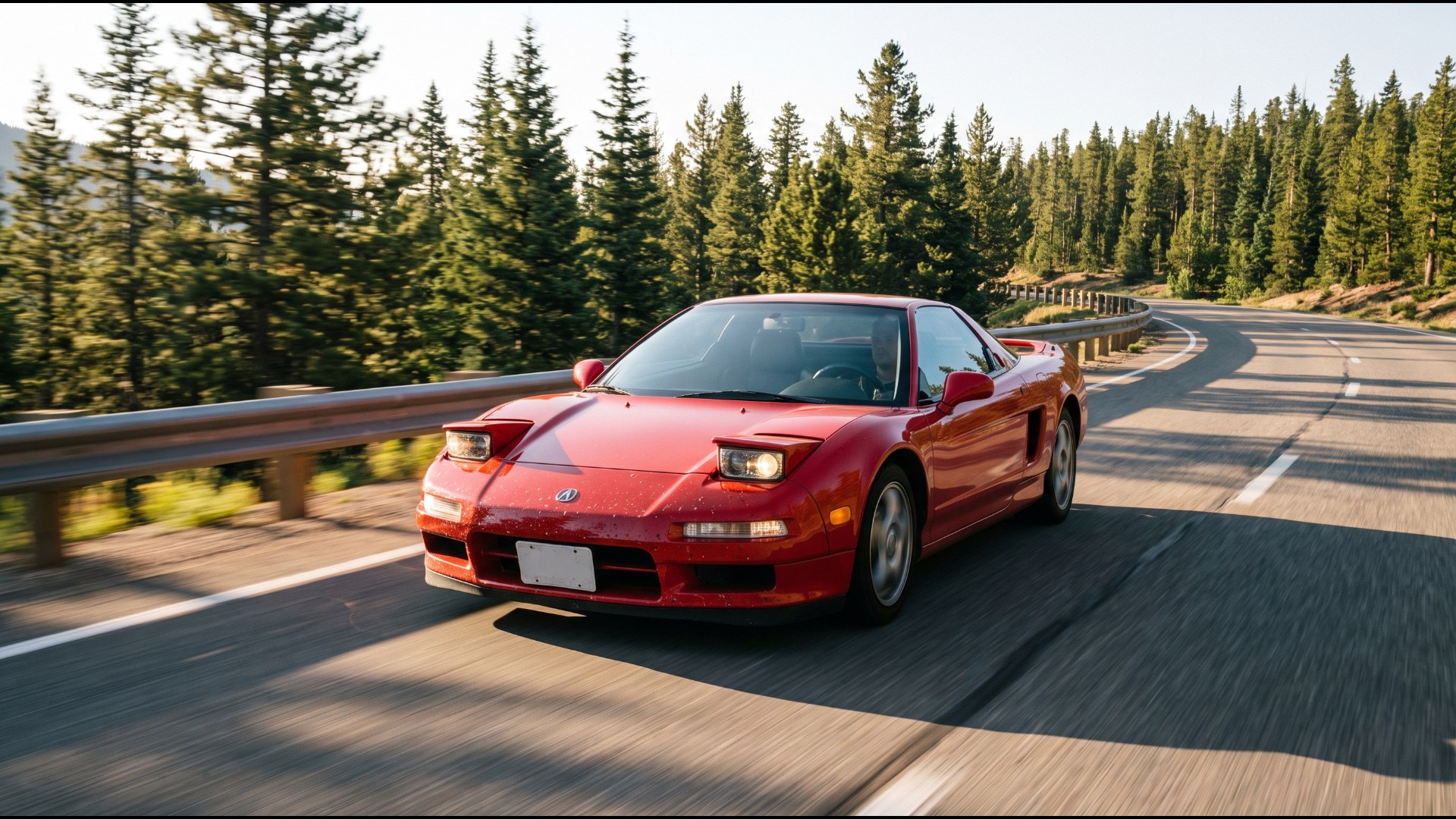
The first NSX made usability part of the exotic-car brief: great visibility, a Honda-grade interior and a V6 that didn’t need babying. Owners took it literally. Sean Dirks bought his 1992 NSX at about 70,000 miles and has used it as his only car ever since, averaging around 20,000 miles a year. The Drive reported in 2021 that he’d added about 330,000 miles, putting the odometer near 400,000. His one major failure was a transmission snap ring at 123,000 miles. “If you take care of this car, it will take care of you,” he said.
The second-generation NSX (2017–2022) added Sport Hybrid SH-AWD, which helps a lot in rain and cold. The compromises are packaging: Acura’s specifications list 4.4 cu ft of cargo space and 3.8 inches of ground clearance.
Collector money hasn’t missed the NSX, either. A 4,200-mile, Rio Yellow 2005 NSX-T with a manual gearbox, reportedly one of six in that spec, sold on Bring a Trailer in May for $310,000. That is well above what driven first-generation cars typically bring.
Audi R8: a V10 for every day
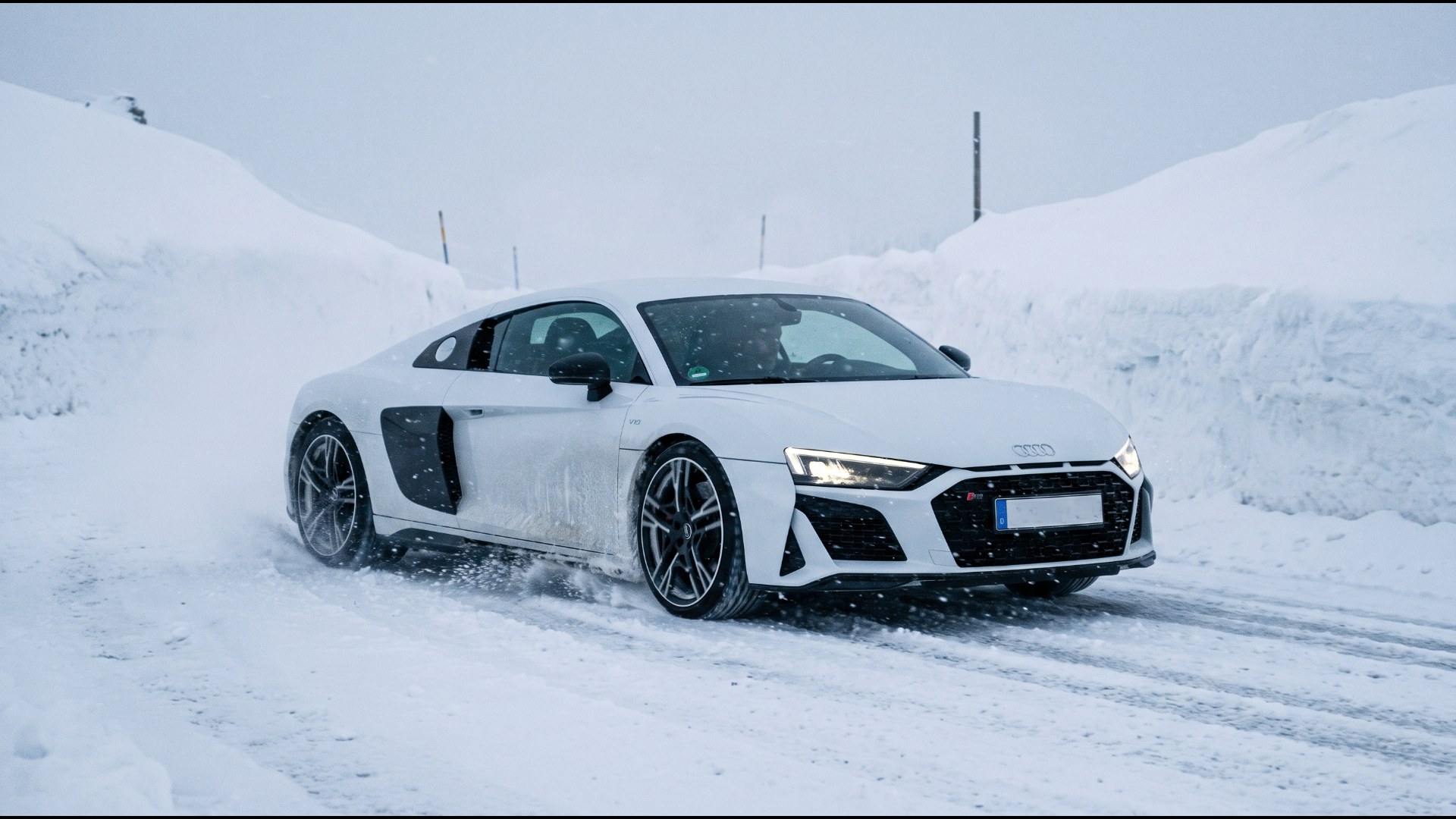
The second-generation R8 (built 2015–2024) may be the best-kept secret in this group: a naturally aspirated V10, quattro all-wheel drive on most versions and an Audi cabin that never feels exotic in the annoying sense. Audi lists 112 liters up front plus a 226-liter shelf behind the seats. Audi’s maintenance schedule starts at 10,000 miles or one year.
The catch is that the R8 is gone. Production ended in 2024, and the last naturally aspirated V10 R8s, especially the rear-drive cars, look like future classics. Some owners will start garaging them now. The car itself would rather be driven.
Modern Ferraris: yes, really
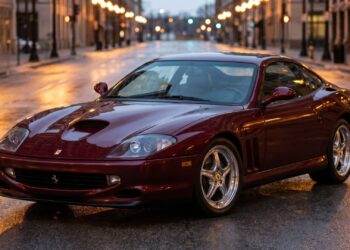
Ferrari’s reputation for fragility mostly belongs to a different era. Its front-engine GTs, the Roma and its successor the Amalfi, are 2+2s with usable trunks. The Roma’s has been widely reported at about 272 liters. The Purosangue offers a factory suspension lifter that raises the car about 30 mm. And Ferrari’s seven-year Genuine Maintenance program, as described by its dealers, covers scheduled service once a year or every 20,000 km (about 12,400 miles), and it transfers to the next owner. That makes driving cheaper.
Mid-engine V8 Ferraris rack up miles too. Italian-car site Italpassion reported in April that a Japanese owner’s 458 Italia, bought new in 2011, had passed 400,000 km (about 248,500 miles). It needed a replacement used engine in 2023, after its original failed, but kept going.
Mileage test scorecard
Porsche 911 Turbo S
- Drive
- AWD
- Luggage
- 128 L front + rear seat area
- Nose lift
- Optional
- Service
- 10,000 mi / 1 yr (dealer schedule)
The benchmark. Passes every test, including snow.
Mileage test scorecard
McLaren GT / GTS
- Drive
- RWD
- Luggage
- 570 L total (GTS)
- Nose lift
- Standard (GTS)
- Service
- 10,000 mi / 12 mo (dealer)
Best luggage in the class. Needs winter tires for cold climates.
Mileage test scorecard
Acura NSX (2017–22)
- Drive
- Hybrid SH-AWD
- Luggage
- 4.4 cu ft
- Clearance
- 3.8 in
- Service
- Maintenance Minder
Great weather capability, tight on bags. The first generation has the mileage legend.
Mileage test scorecard
Audi R8 (2015–24)
- Drive
- quattro AWD (most); RWD versions
- Luggage
- 112 L front + 226 L behind seats
- Service
- From 10,000 mi / 1 yr
A V10 that’s easy to live with, now out of production.
Mileage test scorecard
Ferrari Roma / Amalfi
- Drive
- RWD, front-engine
- Luggage
- About 272 L (Roma, reported)
- Service
- 7-year included maintenance, annual / 20,000 km
Ferrari’s grand tourers. Included servicing removes much of the fear.
Specifications from manufacturer press materials and dealer service schedules where noted; comfort and dependability judgments are ECN analysis.
Sitting still isn’t free
Keeping miles off the odometer doesn’t stop the calendar. Several of the most expensive problems on a supercar are caused by time, not distance.
Tires are the obvious one. NHTSA’s tire-aging research notes that some vehicle manufacturers recommend replacing tires every six years regardless of use, and that a number of tire makers set 10 years as the maximum service life. Michelin advises annual inspection after five years and replacement at 10.
The danger is real. In the 2013 Carrera GT crash that killed Paul Walker and driver Roger Rodas, investigators blamed unsafe speed but also found tires more than nine years old on a car with about 3,500 miles. The Associated Press reported that Porsche recommends replacing that car’s tires after four years.
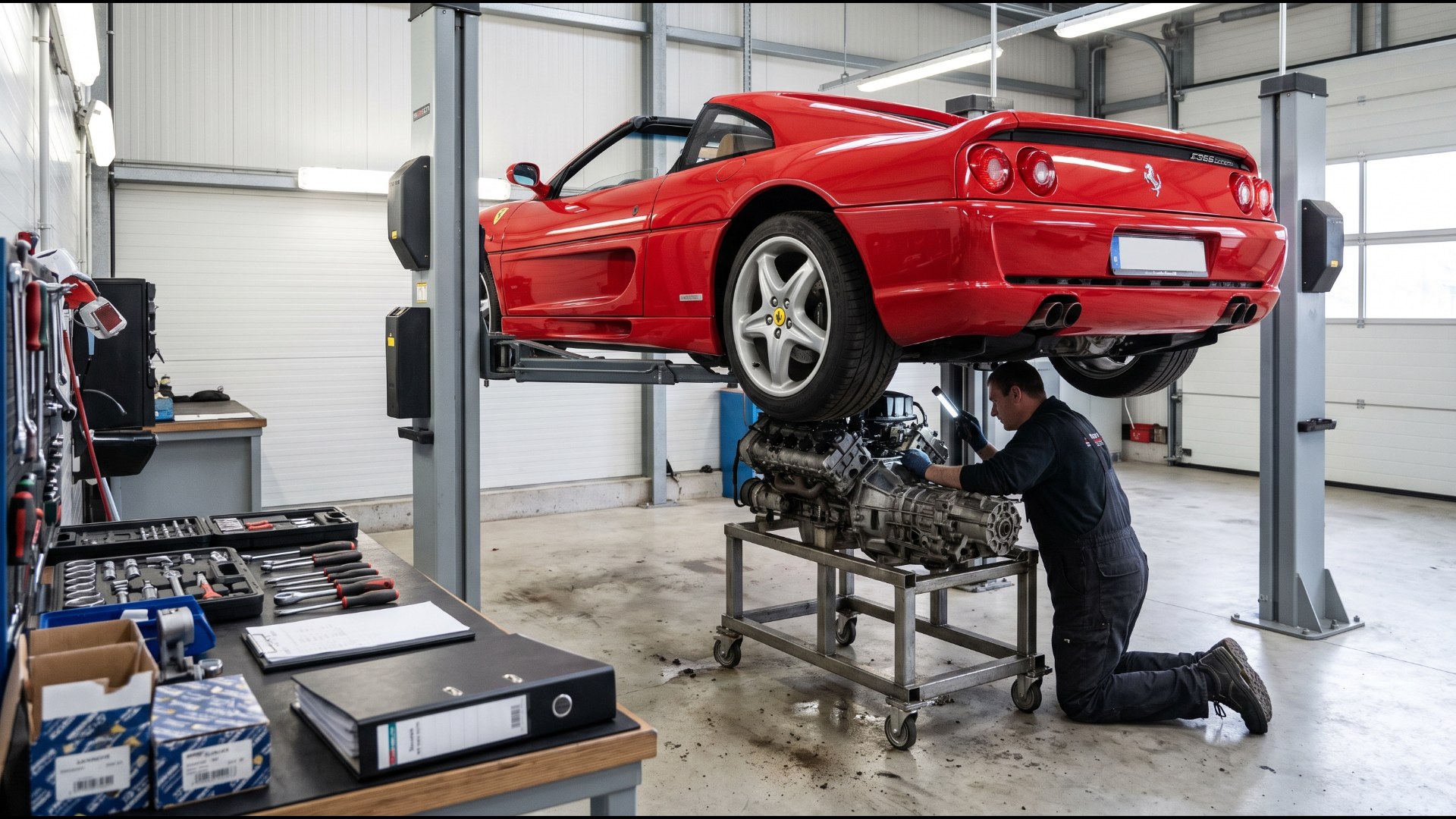
Hagerty’s storage guidance covers the rest. A car parked long enough can develop flat-spotted tires. Keeping the tank full helps stop seals from drying out. A battery left unattended will slowly lose its charge and eventually fail. Brake pads can stick to the rotors. Ethanol-blended fuel absorbs water over time. On belt-driven Ferraris like the F355, specialists generally schedule the belt service by age, typically every three to five years, so a car that hasn’t moved can still be due for an engine-out job.
None of this means a stored car is doomed. Good collectors exercise their cars, replace tires on time and keep records. But “unused” and “perfect” are not the same thing, and a car that never leaves the garage can need as much attention as one that does.
Sidebar: The 200,000-mile Ferraris
California’s Kevin Enderby may be America’s most committed Ferrari driver. Car and Driver reported in 2025 that his 1984 308 GTS had passed 241,000 miles, with his 1995 F355 GTS and 2006 F430 both past 200,000. The 308’s maintenance log since 1990 includes 8 timing belts, 8 water pumps, 3 clutches, 10 sets of brake pads and around 80 oil filters. Its engine was replaced at 130,000 miles with a new-old-stock unit. The F430’s original engine let go at 199,467 miles at Thunderhill.
“If you don’t drive them, you’re missing half the fun,” Enderby told the magazine. He’s also candid about the cost: “I’d bet it’s a couple of million dollars, all the fixes over 35 years. If your pockets are deep enough, you can fix anything.” In 2005, he received the first Ed Gilbertson “Ferraris Are Meant to Be Driven” Award, named for the Pebble Beach chief judge.
Then there’s the Enzo. Richard Losee bought his new in 2003, crashed it at around 206 mph in 2006, rebuilt it over 30 months (with twin turbos) and kept driving. Hagerty reported it past 93,000 miles. “I could have bought another Enzo,” he told Hagerty. “I didn’t want another Enzo. I wanted this Enzo.” Compare that with January’s 649-mile Enzo at $17.875 million. Both are Enzos, valued on completely different terms.
2,000 miles or 28,000 memories?
That brings us to the question every supercar owner eventually faces. Would you rather own a 2,000-mile supercar worth $300,000, or a 30,000-mile example of the same car worth substantially less that gave you 28,000 miles of memories?
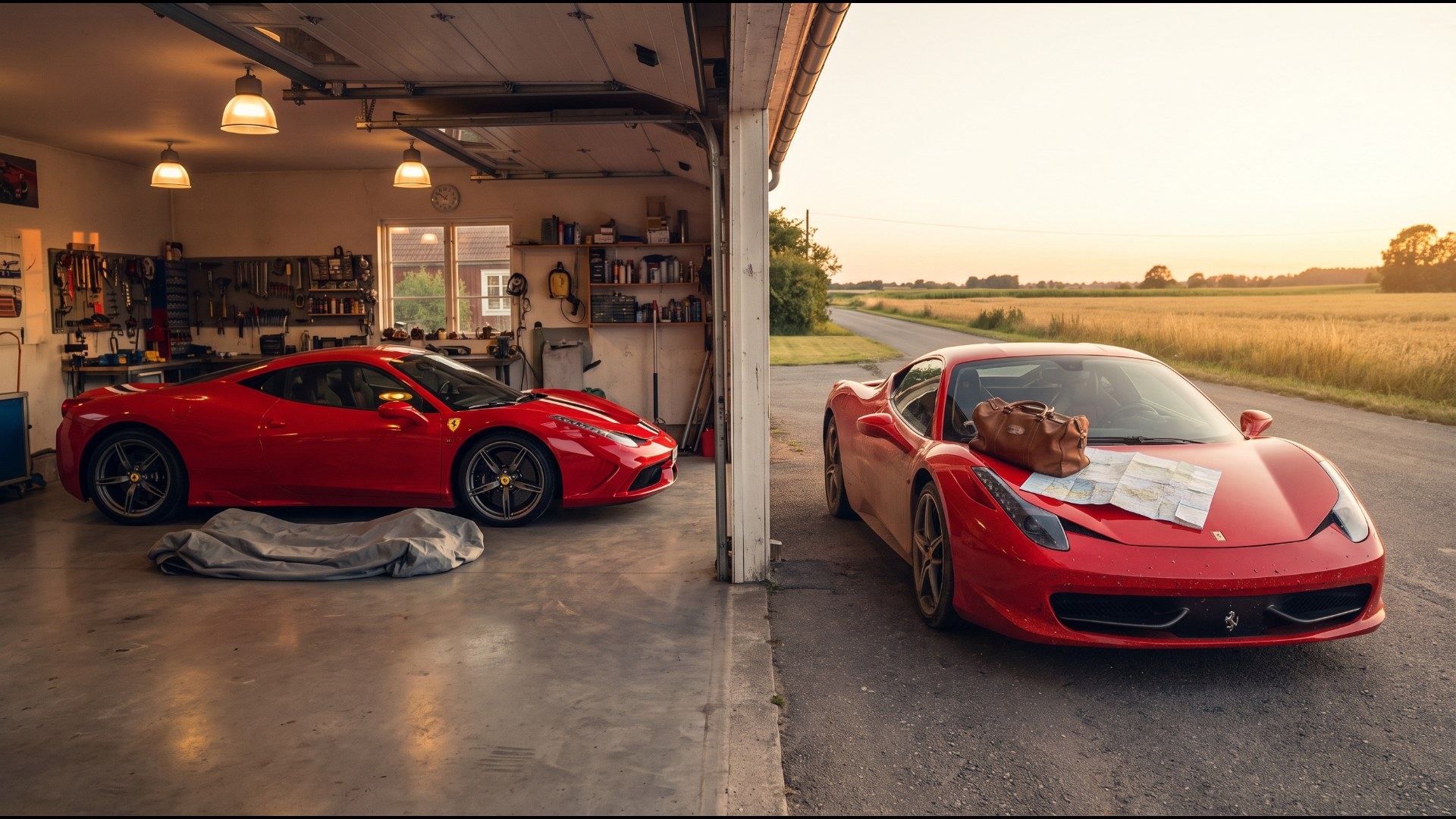
Put it in real 2026 numbers. The 22,000-mile Ford GT Heritage Edition sold for $1,376,000 less than the 8-mile car. Spread across its miles, that’s about $63 a mile. For that, someone got roughly 22,000 miles of a supercharged V8 behind their head, Heritage colors on the open road, and everything that came with it. Twenty-two thousand miles is a coast-to-coast trip seven times over, or a 150-mile Sunday drive more than 145 times.
That isn’t the whole bill. Driving brings tires, brakes, clutches, insurance and the risk that comes with any car on a public road. And the low-mile owner did nothing wrong. Preserving an important car as it left the factory has real value, especially for something like a U.S. F40 that historians and future owners will want to study. Nobody should feel guilty about that.
But the spreadsheet only measures one kind of return. The 8-mile Ford GT’s owner earned a record result. The 22,000-mile owner got the experience the car was built to deliver.
The most valuable supercar
The collector market will keep paying a premium for low-mileage supercars, and the 2026 results suggest that premium is still growing. That’s fine. Markets price scarcity, and an unused 20-year-old supercar is scarce.
But ask Enderby, Thalmann or Dirks what their cars are worth, and the auction number is the least interesting part of the answer. Their cars carry stories no low-mileage car can match: snow drives, dawn runs, engines rebuilt and roads crossed. Perhaps the most valuable supercar isn’t always the one worth the most money. Sometimes it’s the one with the most miles of memories.
Images: Exotic Car News. All vehicle and workshop images in this article, including the lead image, are editorial illustrations, not photographs of the specific cars, owners or sales discussed.
FAQ
Why are low-mileage supercars worth so much more?
Because unused examples are scarce, and collectors pay most for cars that are still effectively new. The premium is not even, though: it is biggest on cars with delivery or near-delivery mileage; Hagerty found sub-100-mile “always collectible” cars brought over 88 percent more than guide value. For everyday cars with tens of thousands of miles, condition, service records, color and spec often matter more than another few thousand miles.
Which supercars are best suited to high mileage?
By ECN’s mileage test, the Porsche 911 Turbo S is the benchmark, with the McLaren GT/GTS, Audi R8, Acura NSX and Ferrari’s front-engine GTs such as the Roma and Amalfi close behind. They combine usable luggage space, livable ride quality, sensible service plans and, in most cases, all-wheel drive or a nose lift.
Is it bad for a supercar to sit unused?
It can be. Tires age by the calendar. NHTSA notes some automakers recommend replacement every six years regardless of use. Batteries drain, fuel degrades, seals can dry out and brakes can stick. Stored cars need regular exercise and time-based maintenance to stay healthy.
Sources
Sale results: RM Sotheby’s Monterey 2026 lot results (Lots 309, 317); Mecum Kissimmee January 2026 results (Bachman collection); Broad Arrow Amelia Island March 2026 results; Bring a Trailer 2026 results as compiled in public market data; Mecum May 2026 results. Hagerty low-mileage premium analysis; Hagerty storage guidance; Hagerty reporting on the Losee Enzo. Car and Driver (Jan./Feb. 2025) on Kevin Enderby; Rennlist on Tom Thalmann; The Drive (Oct. 2021) on Sean Dirks; Italpassion (Apr. 2026) on the 400,000-km 458; Associated Press (Mar. 2014) on the Carrera GT crash investigation.
Manufacturer data: Porsche 911 Turbo S press kit; McLaren GTS press kit; Acura 2022 NSX specifications; Audi R8; Ferrari Purosangue suspension lifter. Tire guidance: NHTSA tire-aging summary; Michelin. Per-mile figures are ECN calculations from reported sale prices.