
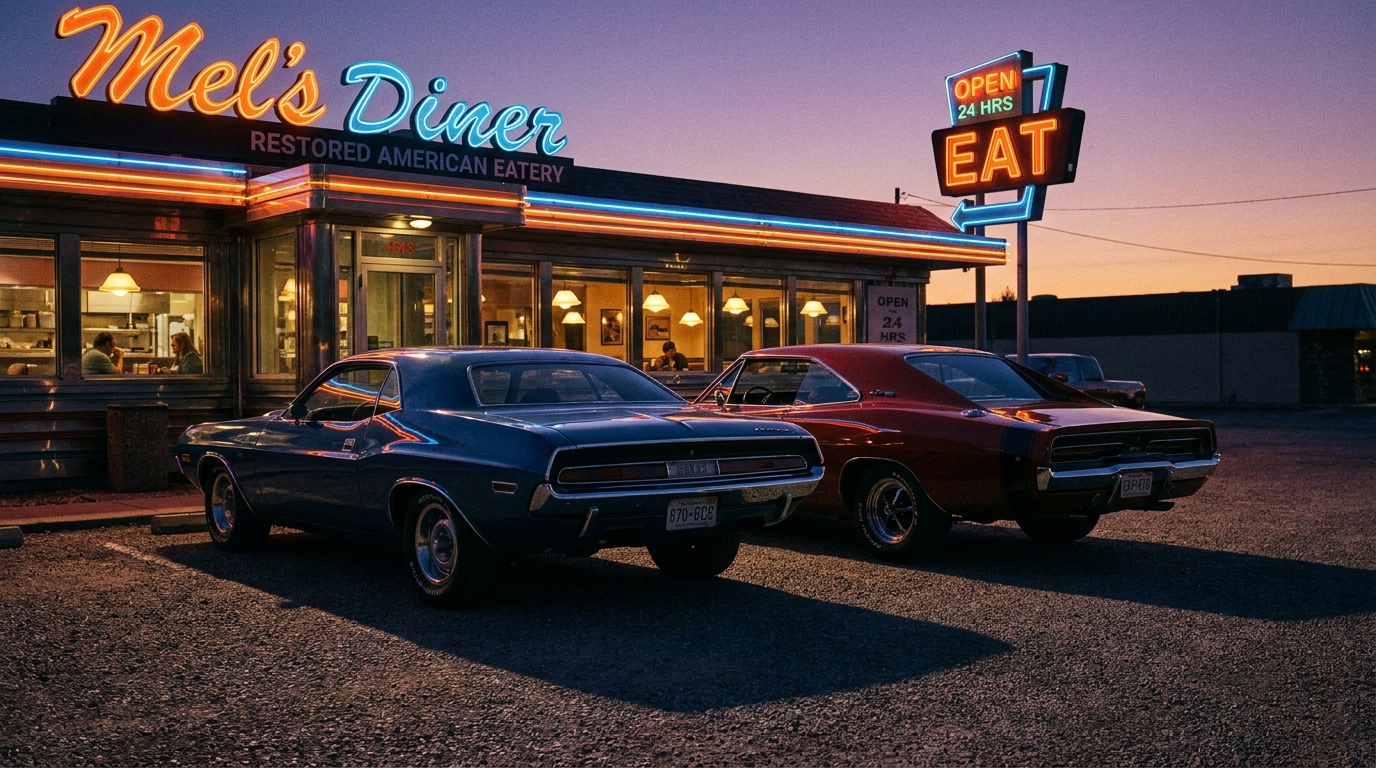
In December 2023, the last Hemi-powered Challenger rolled off the line in Brampton, Ontario, and the obituaries for American muscle cars wrote themselves. The V8 was finished. Electrification was inevitable. The muscle car, born in 1964 and revived in 2008, was dead for the second time — and this time, the industry insisted, there would be no resurrection.
Thirty months later, the executive who called killing the Hemi “very anti-American” runs every American brand at Stellantis, the SRT division is back from the grave, a 777-horsepower supercharged Ram is weeks from production, gas-powered Charger sales are up 404 percent while the electric version has collapsed, and the Hellcat is reportedly coming back to the car it made famous.
This is not a story about an engine. It’s the story of the most expensive miscalculation in the modern history of American muscle cars — and the customer revolt that reversed it.
Act One: The Bet Against American Muscle
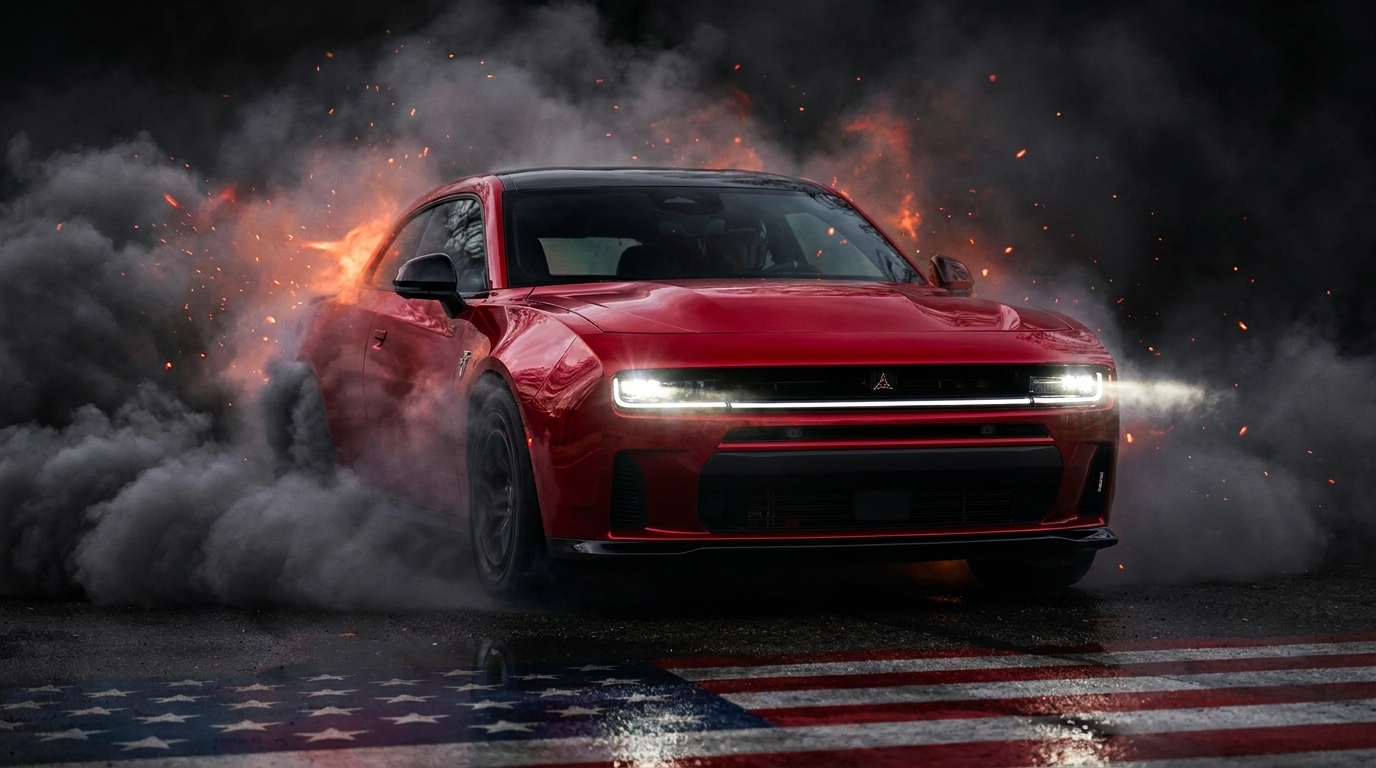
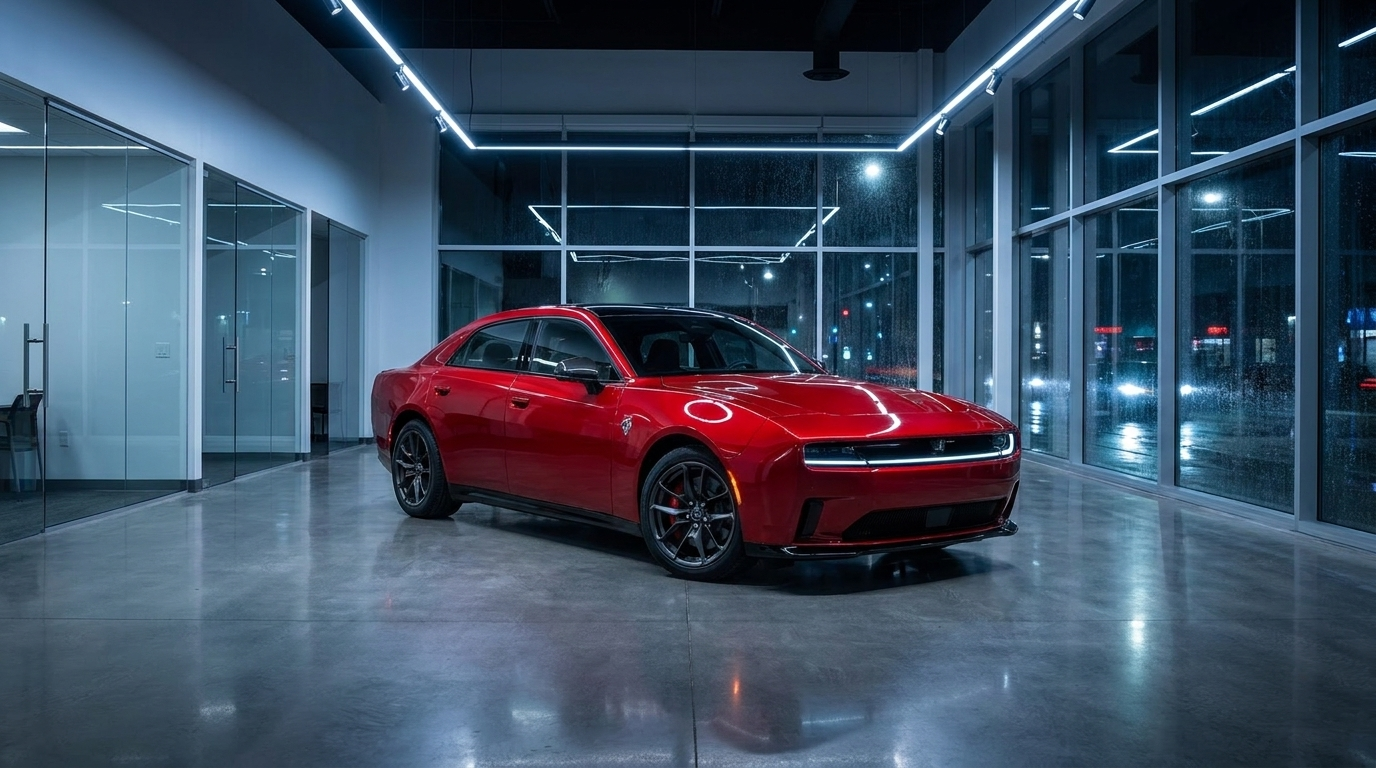
The plan came from the top. Under CEO Carlos Tavares, Stellantis committed to an aggressive electrification timeline, and Dodge — the brand built on burnouts — was ordered to lead it. The Hemi was purged from the lineup. The Challenger and Charger were retired without direct successors. And the eighth-generation Charger was engineered around a battery pack, launching as the all-electric Charger Daytona, complete with a synthetic “Fratzonic” exhaust designed to simulate the sound of the engine it replaced.
Reporting later revealed the depth of the miscalculation: North American executives had pushed back on the strategy and were overruled. The new Charger platform shipped without a V8 in the plan at all. And in May 2024, Tim Kuniskis — the executive most closely identified with Dodge’s muscle identity, the father of the Hellcat and Demon programs — was abruptly out after nearly 32 years.
The enthusiast market read all of it as exactly what it was: a corporation telling its most loyal customers that what they wanted no longer mattered.
Act Two: The Collapse
The customers answered with their wallets. The Charger Daytona’s launch was plagued by delays and software issues, and when deliveries finally began in early 2025, the sales figures were brutal — the electric muscle car was outsold by models Dodge had already discontinued. Within months, the base R/T trim was killed for lack of demand. By mid-2026, the verdict was statistical fact: electric Charger sales down 88 percent, while the gas-powered Sixpack version that arrived a year later surged 404 percent in a single quarter.
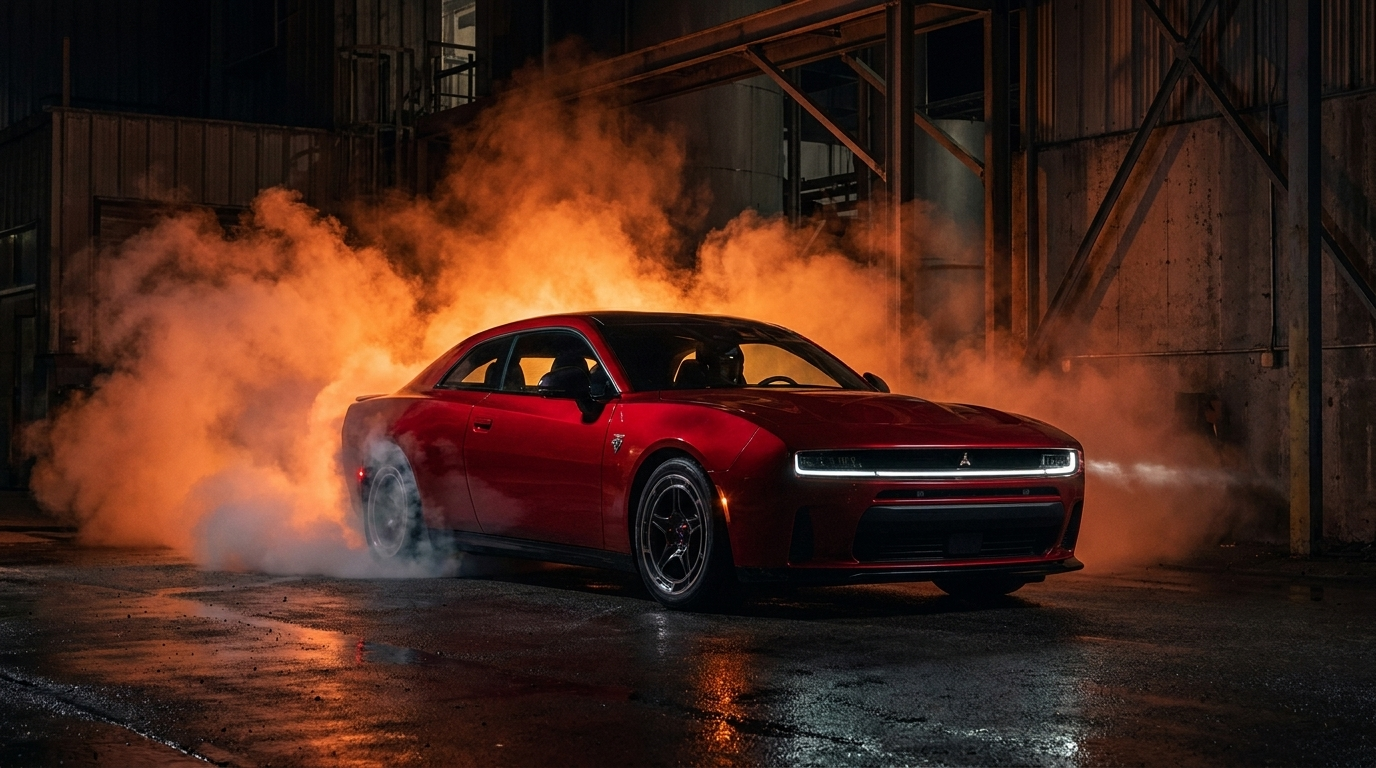
The lesson wasn’t that buyers of American muscle cars reject technology — the Daytona Scat Pack was genuinely quick, 670 horsepower of instant torque. The lesson was that Dodge had misdiagnosed its own product. A muscle car was never a straight-line appliance; it’s theater, sound, ritual, and identity. Simulated exhaust noise through speakers didn’t honor that truth. It insulted it.
Meanwhile, the corporate structure that made the bet was unraveling. Tavares resigned in late 2024 under pressure from collapsing North American performance. And in one of the fastest reversals in the industry’s memory, Stellantis brought Kuniskis back out of retirement within weeks — first to run Ram, then, by 2025, elevated to lead every American brand: Dodge, Ram, Jeep, and Chrysler.
Act Three: The Reversal
What followed was less a product plan than a public apology tour, executed in horsepower.
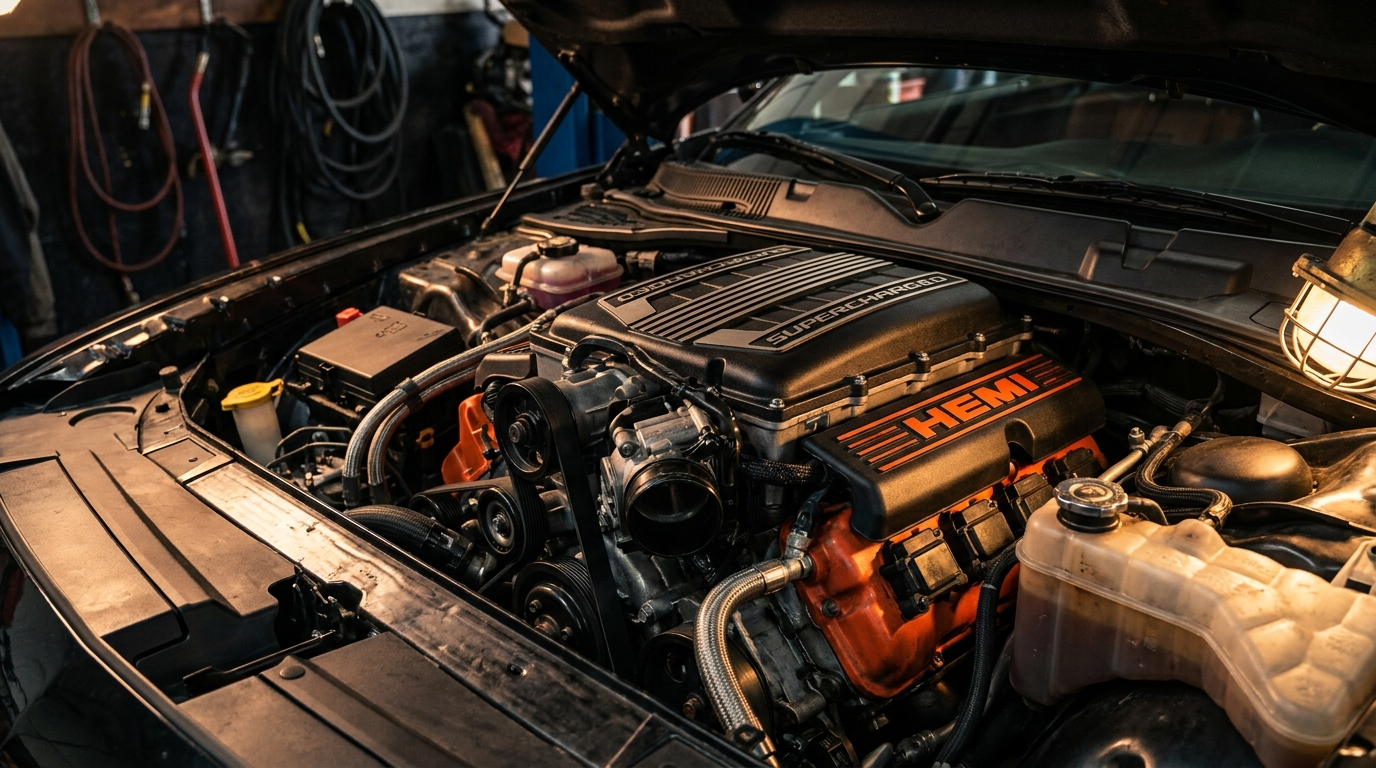
The 5.7-liter Hemi returned to the Ram 1500 — announced with marketing that openly admitted the company had gotten it wrong. The Durango went V8-only for 2026, keeping the 710-horsepower Hellcat alive. The SRT division, disbanded years earlier, was formally revived along with the racing program. The 2027 Ram 1500 TRX was confirmed with a 777-horsepower supercharged Hemi wearing the SRT badge. And the reports every Mopar loyalist had been waiting for finally landed: a Hellcat-powered Charger has reportedly been approved internally, targeting the car’s mid-cycle refresh — the supercharged V8 returning to the very platform designed to exclude it.
Even the rumor mill turned optimistic. The Viper — dead since 2017 — is once again the subject of credible revival chatter, precisely because the pattern now supports it: this is a company that has demonstrated, publicly and expensively, that it will reverse course when enthusiasts push back. That renewed optimism is already rippling through the collector car market, where the last-of-the-breed premiums of 2023 are being repriced in real time.
American Muscle Cars Didn’t Just Survive. They Escalated.
Here’s what the obituary writers of 2023 missed entirely: while Dodge was relearning its identity, American performance as a whole entered its most dominant era ever.
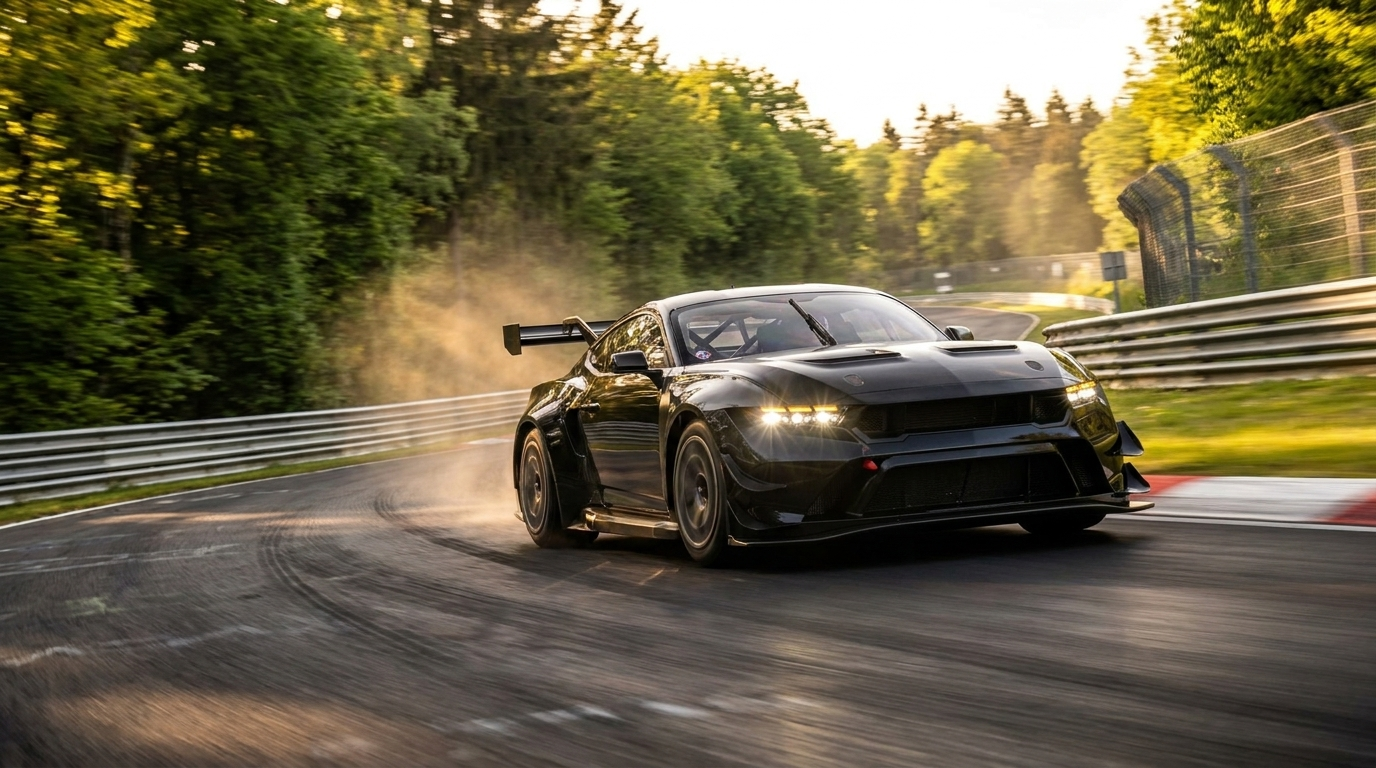
The Mustang — the last traditional pony car standing — became America’s best-selling sports car, and in April 2026 its GTD Competition variant reclaimed the American production-car record at the Nürburgring with a 6:40.8, the second-fastest production lap in the circuit’s history, behind only a Formula 1-derived Mercedes hypercar. It’s now quicker around the Green Hell than the German performance royalty that spent decades setting the benchmark. The Corvette ZR1X answered with 1,250 hybrid horsepower. Shelby American revived the Super Snake with 830 supercharged horsepower on pump gas. Cadillac kept selling a 668-horsepower V8 sedan with a manual transmission as if the 2010s never ended.
The horsepower war didn’t pause during the electric detour. It compounded.
What It Means for American Muscle
The market for American muscle cars just ran a controlled experiment no focus group could have delivered, and the results are unambiguous: heritage is not a liability to be engineered around — it’s the entire product. The companies that internalized that are being rewarded with record performance and recovering sales. The strategy that ignored it cost a CEO his job.
None of this means electrification is finished; the technology will keep advancing and hybrid performance is already rewriting lap records. But the sequencing has been corrected. In American muscle, the engine was never just a component. It’s the covenant — and for the first time in years, Detroit is honoring it again.
The V8 didn’t survive on nostalgia. It survived because millions of customers refused to accept the substitute. That may be the most American muscle car story ever told.
The reversal is still unfolding — the TRX SRT hasn’t shipped, the Hellcat Charger isn’t official, and the Viper remains a rumor — which makes right now the most consequential moment for American muscle cars in a decade. These are the machines and the decisions that will define the next era of the market, and we’ll be tracking every confirmation, every reveal, and every sales report as the comeback plays out.