
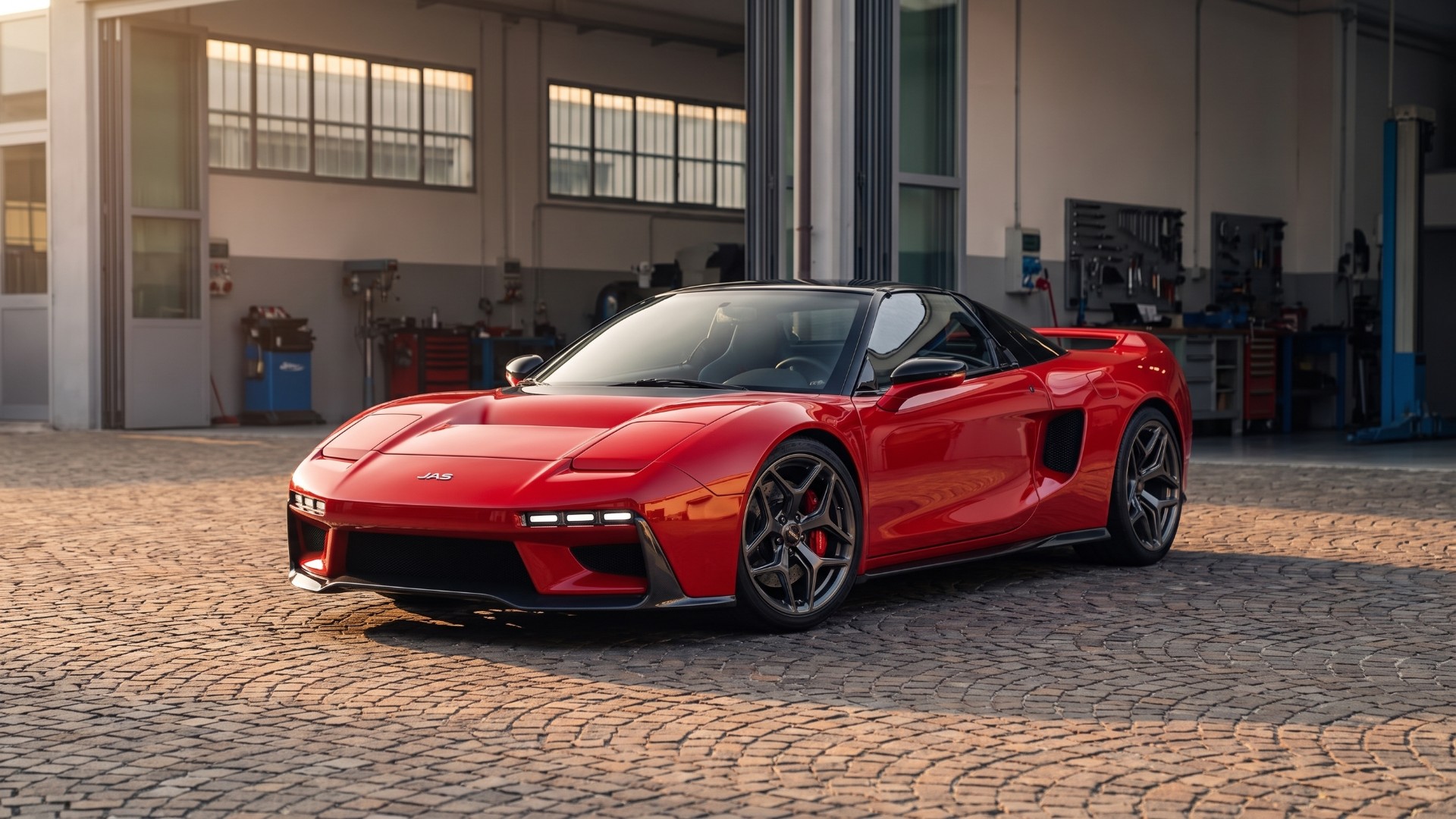
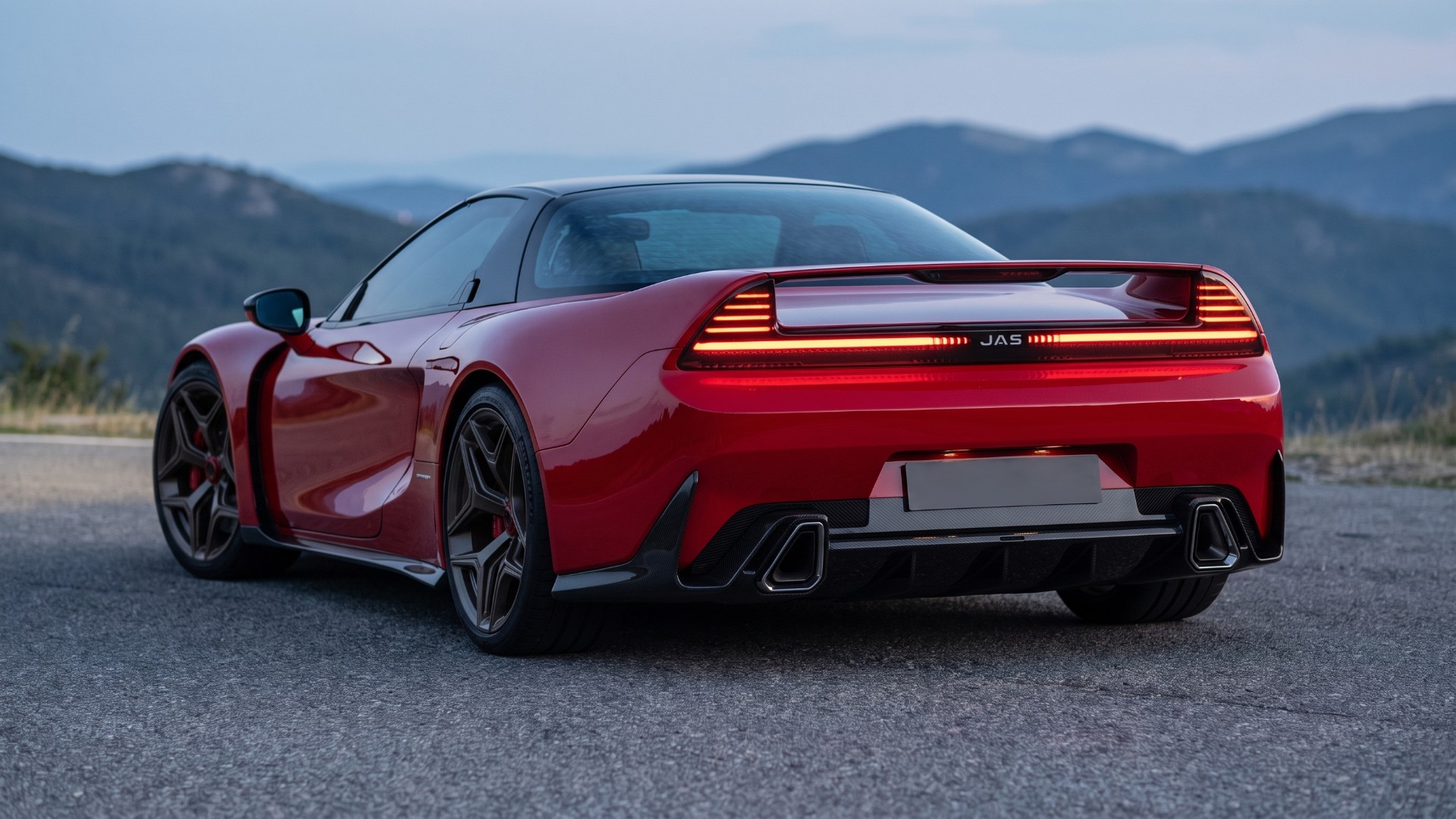
JAS Motorsport showed the finished Tensei on October 8: a first-generation Honda NSX rebuilt with a Pininfarina-designed carbon-fiber body, a naturally aspirated V6 reworked by Judd Power and a six-speed manual gearbox. Thirty-five are planned, and car 001 goes on public display at the Paris Motor Show from October 12 to 18.
The price is the headline. Top Gear, which interviewed JAS chief operating officer Mads Fischer in June, reported the conversion at €880,000 before tax. That is about $985,000 at the European Central Bank’s October 8 reference rate. Buyers also supply the NSX. Add a donor car and the total clears $1 million before any taxes.
That is a remarkable sum for a car whose original claim to fame was being the sensible supercar. The NSX made exotic performance easy to live with. The Tensei takes what enthusiasts now miss most about cars like it (revs, a clutch pedal, a gear lever) and sells it as bespoke luxury.
The original made sophistication usable. The Tensei makes involvement exclusive.
A JAS, Not a Honda
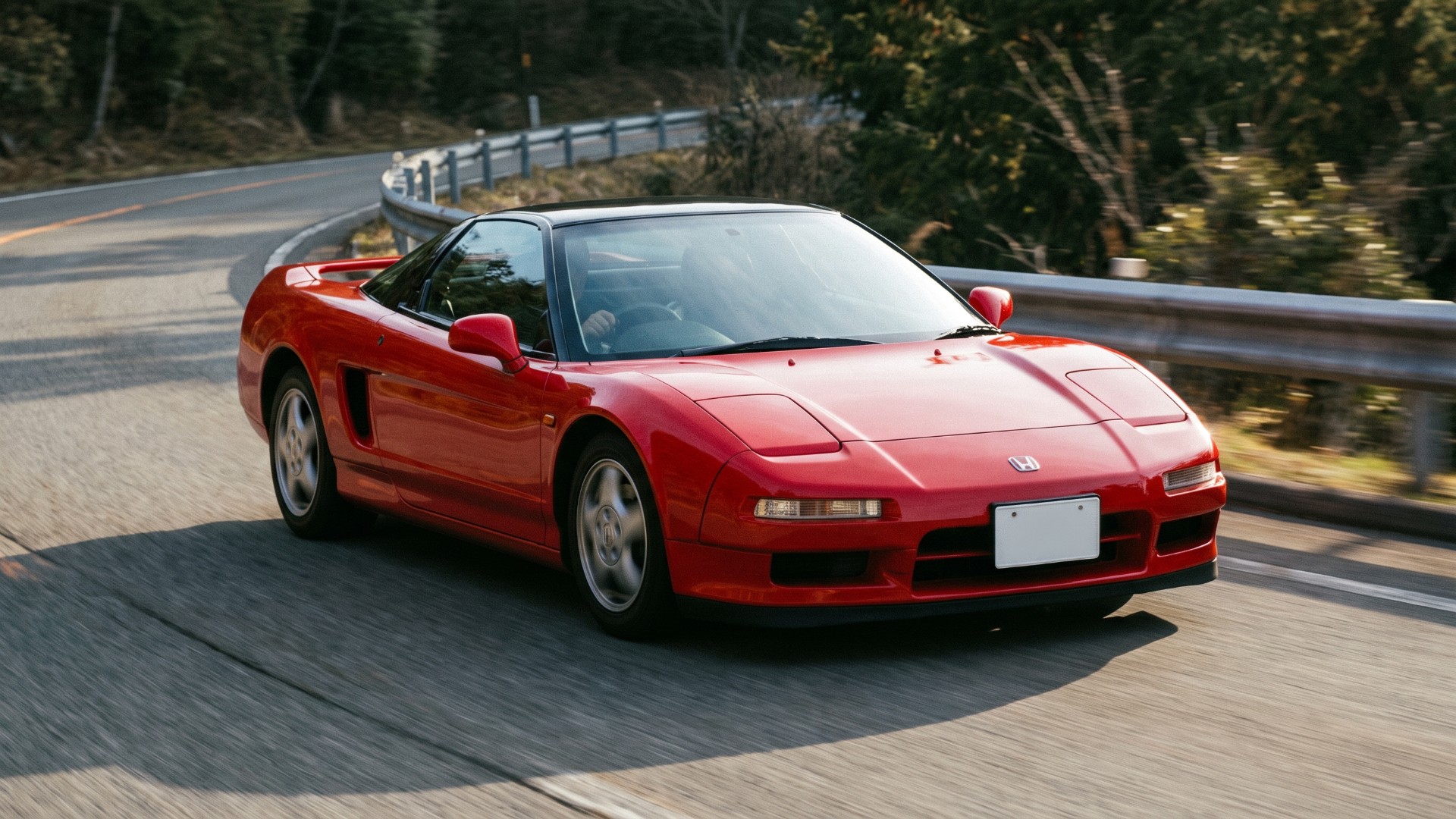
JAS is a race-car constructor based in Arluno, near Milan, and has been an official Honda motorsport partner since 1998. It builds the NSX GT3 race car and was part of Honda’s 2013 World Touring Car Championship manufacturers’ title. The Tensei is its first road car, built on the chassis of an early-1990s NSX.
It is not a new Honda production model, and it doesn’t wear a Honda badge. Fischer told Top Gear that Honda was comfortable with the project, and that one Honda employee said of it: “This is what we should be doing but can’t.”
The “can’t” matters. A manufacturer launching a new model has to meet current emissions and driver-assistance rules. Top Gear reported in June that the Tensei, as a rebuilt existing car, needs to meet only Euro 1, the European emissions standard introduced in 1992. JAS’s own announcements don’t describe the approval route for any market, and rules for modified cars vary by country and, in the U.S., by state.
Two notes for American readers. The first-generation car was sold here as the Acura NSX. And JAS has named Graham Rahal Performance of Zionsville, Indiana, as its U.S. sales partner, with Pfaff Reserve handling Canada. Rahal says his father, Bobby, played a role in developing the original car.
JAS’s announcements don’t state a price, and the euro figure is not a U.S. MSRP.
What $985,000 Buys
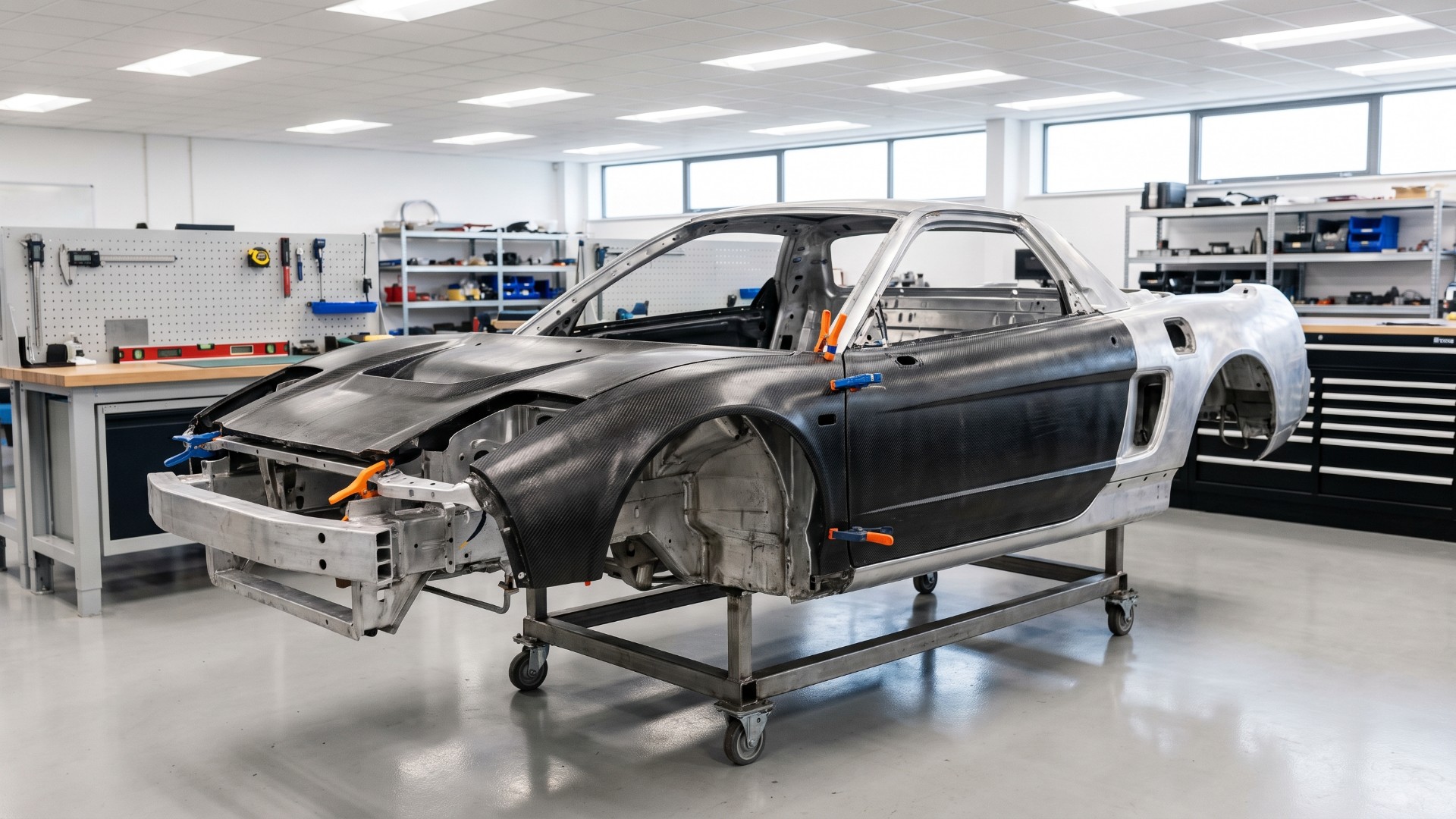
A great deal of new hardware. Each donor is stripped, and its aluminum structure is reinforced at the pillars and central tunnel, with carbon fiber bonded in at key points, according to Top Gear’s reporting of JAS’s specification. New suspension arms and uprights carry adjustable KW dampers and Brembo carbon-ceramic brakes.
The engine keeps Honda’s block and little else. Judd Power, the British race-engine builder founded by John Judd and Jack Brabham, fits new cylinder heads, a short-stroke steel crankshaft, titanium valves, six individual throttle bodies and a dry sump that lets the V6 sit 45 mm (about 1.8 inches) lower.
VTEC is gone. Top Gear reported that Honda’s variable valve timing wouldn’t have been reliable at the new engine speeds. The gearbox is a new six-speed in a JAS-designed casing.
Pininfarina’s body is carbon fiber throughout. The track grows by 170 mm (6.7 inches) in front and 190 mm (7.5 inches) at the rear, the wheelbase by 55 mm (2.2 inches), and the pop-up headlights stay.
Pininfarina’s involvement has history behind it, with a caveat. The studio designed Honda’s 1984 HP-X concept, the mid-engine study that preceded the NSX program. The production NSX was designed and developed by Honda in Japan, so the Tensei is less Pininfarina revisiting its own car than finally drawing the one it didn’t.
So the money isn’t buying paint and upholstery. It is also buying scarcity, and JAS is candid about that. By Fischer’s account to Top Gear, the company settled on a production number by asking collectors what would feel exotic without being priced out of reach. It landed on 30, then made it 35 to match the NSX’s anniversary.
He added that a clean-sheet car at around £1.5 million (roughly $2 million) would have found too few buyers. In other words, starting with someone else’s 35-year-old supercar is what makes the business work.
It is the model Singer made famous with air-cooled Porsche 911s. The customer brings the car, the specialist charges for the transformation, and the original manufacturer’s name stays off the invoice.
What the price leaves out is the donor and the tax. Hagerty’s price guide values a 1991 Acura NSX in good (#3) condition at $72,600 as of its October 2026 update. A 9,160-mile example sold for $137,500 at auction in Kissimmee, Florida, in January, according to Hagerty’s sales records.
| Spec | 1991 Acura NSX (U.S.) | JAS Tensei (as announced) |
|---|---|---|
| Engine | 3.0-liter V6 with VTEC | Judd-rebuilt V6, about 3.4 liters, no VTEC |
| Power | 270 hp | 420 PS (about 414 hp) |
| Rev limit | 8,000 rpm | 8,500 rpm |
| Gearbox | Five-speed manual; automatic optional | Six-speed manual only |
| Body | Aluminum | Carbon fiber over the reinforced aluminum structure |
| Weight | About 3,010 lb, curb | 2,756 lb, dry (JAS figure; not directly comparable) |
| Production | About 18,000, 1990–2005 | 35 planned |
| Price | About $60,000 new | About $985,000, plus donor car and taxes |
Original figures are for the U.S.-market manual car. Tensei figures are JAS’s claims as reported at the reveal; the price is converted from €880,000 at the European Central Bank reference rate of October 8, 2026.
Three Numbers That Need Footnotes
Horsepower. Reveal coverage quotes 414, 420 and 425. The first two are the same output in different units: Carscoops gives it as 420 PS, or metric horsepower, which is 414 hp, and Top Gear reports 414 bhp. A few reports give 425; this article uses 414 hp. Against the U.S.-market original’s 270 hp, that is a gain of roughly 144 hp, or just over 50 percent.
Displacement. Top Gear and Carscoops report 3.4 liters from the reveal. JAS’s own March announcement of the Judd deal called it a 3.5. JAS has not posted a full data sheet on its own site.
Weight. Reveal reports give a dry weight of 1,250 kg, or 2,756 pounds. That means no fuel, oil or coolant. The 3,010-pound figure usually cited for the 1991 Acura NSX is a curb weight, with fluids on board, so the two can’t be compared directly. The Tensei’s curb weight remains unconfirmed.
“Analog,” With an Asterisk
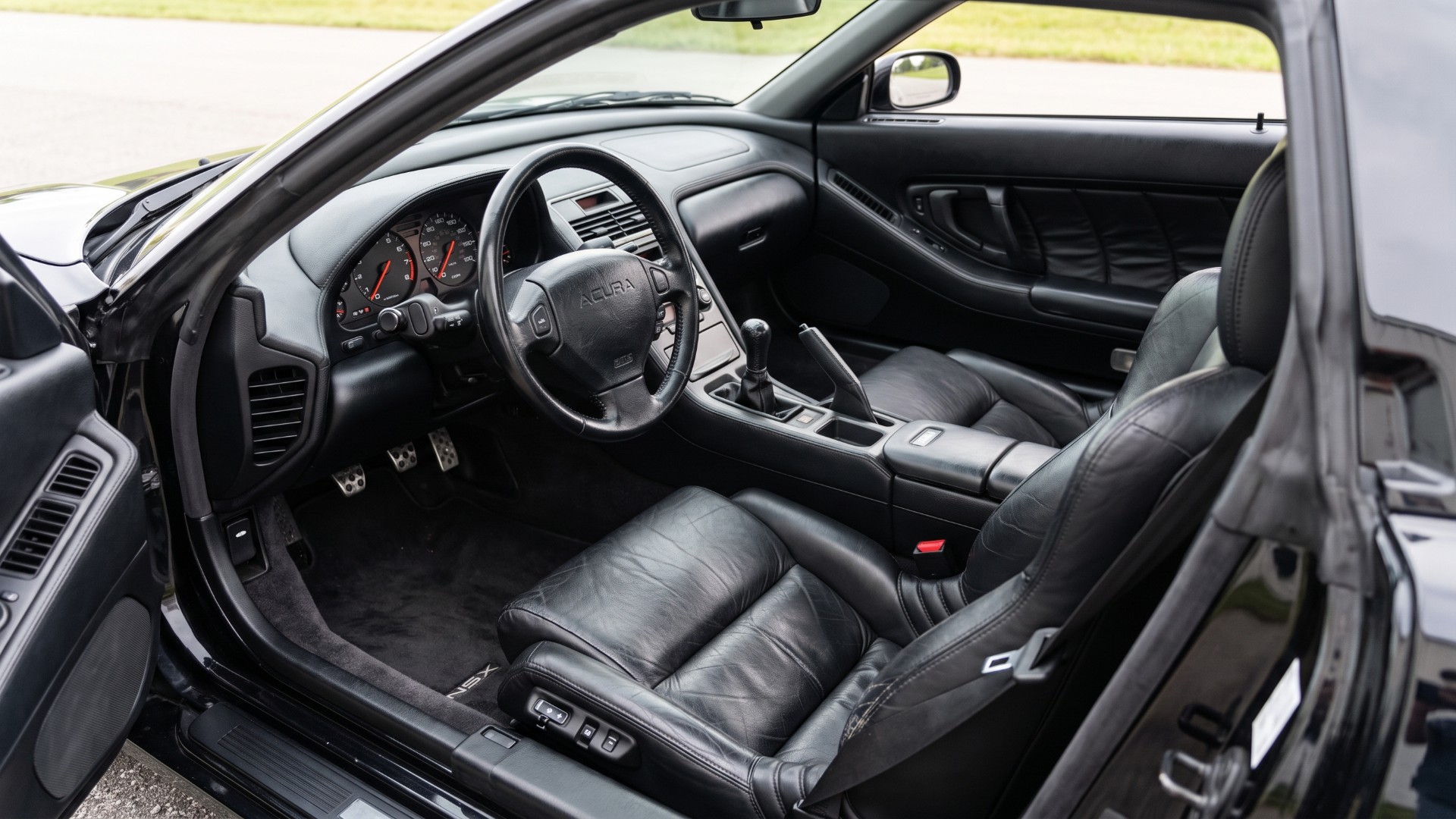
The Tensei’s pitch is involvement, and the mechanical ingredients are real. Individual throttle bodies, natural aspiration and an 8,500-rpm limit are a recipe for immediate response. There is no automatic option. JAS says the cabin was designed “avoiding unnecessary modern gimmicks.”
But this is selective modernization, not a time capsule. The reveal specification lists electric power steering “tuned to deliver a purely analogue feel,” while Top Gear’s June report described the assistance as electro-hydraulic. Either way it is assisted. Early manual NSXs had no power steering at all.
The instrument cluster pairs an analog tachometer with OLED displays, PistonHeads reported. Top Gear also noted menu-adjustable dampers, a nose lift, an automatic parking brake and CarPlay.
None of that is a criticism. The original wasn’t a stripped-out purist’s car either. It came with power seats, climate control, anti-lock brakes and traction control, and some critics at the time found it too civilized.
“Analog,” as the Tensei defines it, means keeping the interactions drivers value (throttle, clutch, lever, revs) and upgrading nearly everything around them.
That choice says something about where desire has moved. With mainstream supercars trading four-figure output numbers, the horsepower war has stopped being the interesting contest, and the list of new exotics with a manual gearbox is short. A 414-hp car with three pedals doesn’t compete on a spec sheet. JAS hasn’t published a 0–60 mph time or a top speed, and probably doesn’t need to.
The Case for Leaving an NSX Alone
A well-kept original already offers most of this recipe: a naturally aspirated V6 that spins to 8,000 rpm, a manual gearbox, superb visibility and Honda manners. At Hagerty’s guide value, the Tensei’s conversion fee alone equals more than 13 good early NSXs.
There is an originality cost, too. Collectors pay a premium for untouched cars, and a Tensei conversion replaces the body, the engine internals, the gearbox and the suspension. There is no practical way back.
The loss to the wider NSX population is negligible, since 35 cars is about 0.2 percent of the roughly 18,000 built. For the individual car, it is total. The conversion also removes things NSX people love, the VTEC changeover chief among them.
Is the trade worth it? Nobody outside JAS can say yet. No independent road test of a finished car has been published. Claims about steering feel, sound, ride and usability are the company’s, and they will stay that way until someone else drives one.
What We Still Don’t Know
- How many are sold. Thirty-five is a planned run. JAS hasn’t published reservation, order or delivery numbers.
- When customers get cars. JAS’s announcements don’t give a delivery schedule. Early reports pointed to 2027.
- What it weighs with fluids, and the full data sheet behind the headline figures.
- How it drives.
A small production run and a lively comment section don’t establish a market trend. JAS is betting that 35 collectors will pay for this. One boutique project can’t prove that analog driving is vanishing, or that its comeback reaches beyond the very top of the market.
What the NSX Was For
Pininfarina exterior design chief Dimitri Vicedomini has described the original as a car defined by “lightweight design, precision and everyday usability.” Its argument, in 1990, was that a supercar didn’t have to punish its owner. Honda made that case at roughly the price of a Porsche 911 and sold about 18,000 of them.
The Tensei carries half of that philosophy forward. An original NSX still offers the clutch pedal, the gear lever and the high-revving V6 for a small fraction of the money. The Tensei preserves those interactions, but packages them with bespoke engineering and exclusivity at a price far beyond the original NSX’s reach.
Whether that honors the NSX or inverts it depends on what you think the car was for. The best evidence will be the odometers.
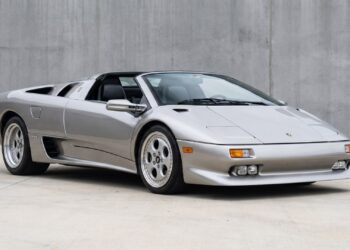
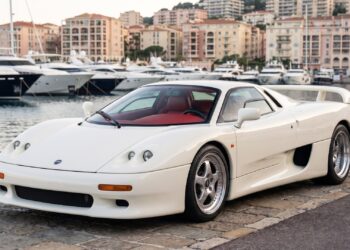
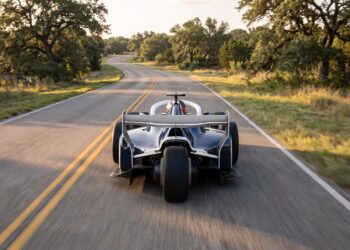
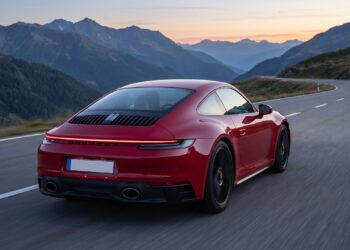
Images: Exotic Car News. All images in this article, including the lead image, are editorial illustrations, not manufacturer, press or event photography. The two Tensei images are based on JAS Motorsport’s published design.
Sources: JAS Motorsport announcements (December 2025; March, June and August 2026); reveal-day specifications as reported by Top Gear, PistonHeads and Carscoops; Top Gear’s June 2026 interview with JAS COO Mads Fischer; Pininfarina comments reported by Octane; Hagerty Price Guide and sales records; European Central Bank reference rates (€1 = $1.1186 on October 8, 2026). The pound conversion is approximate.