
The Ferrari F80 was sold out the day the public first saw it — all 799 build slots spoken for at its October 2024 reveal, at $3.7 million apiece. The McLaren W1’s 399 cars were gone before the covers came off. Bugatti’s Tourbillon, capped at 250 units at roughly $4 million, is fully allocated with an order book that keeps the factory busy into 2029. Understanding why hypercars sell out before they are revealed means understanding that the reveal was never the sales event in the first place. It is the confirmation ceremony for a transaction that happened months earlier, behind closed doors.
The Allocation Ladder
Hypercars are not sold. They are allocated — and the distinction is everything. Manufacturers maintain detailed client hierarchies built on purchase history: how many cars you have bought, how special they were, whether you kept them, how you specified them, and how visible you are in the brand’s world of track days, rallies, and concours events. When a new flagship is approved, the factory already knows who its first hundred buyers are, because the ladder tells them.
This is why turning down an allocation is treated so seriously by collectors. Decline the call, and you may not get the next one. The system converts every limited car into leverage for selling the following one, and clients climb for years — buying the sedans, the SUVs, the special editions — specifically to be standing in the right place when the flagship arrives.
The Private Preview Circuit
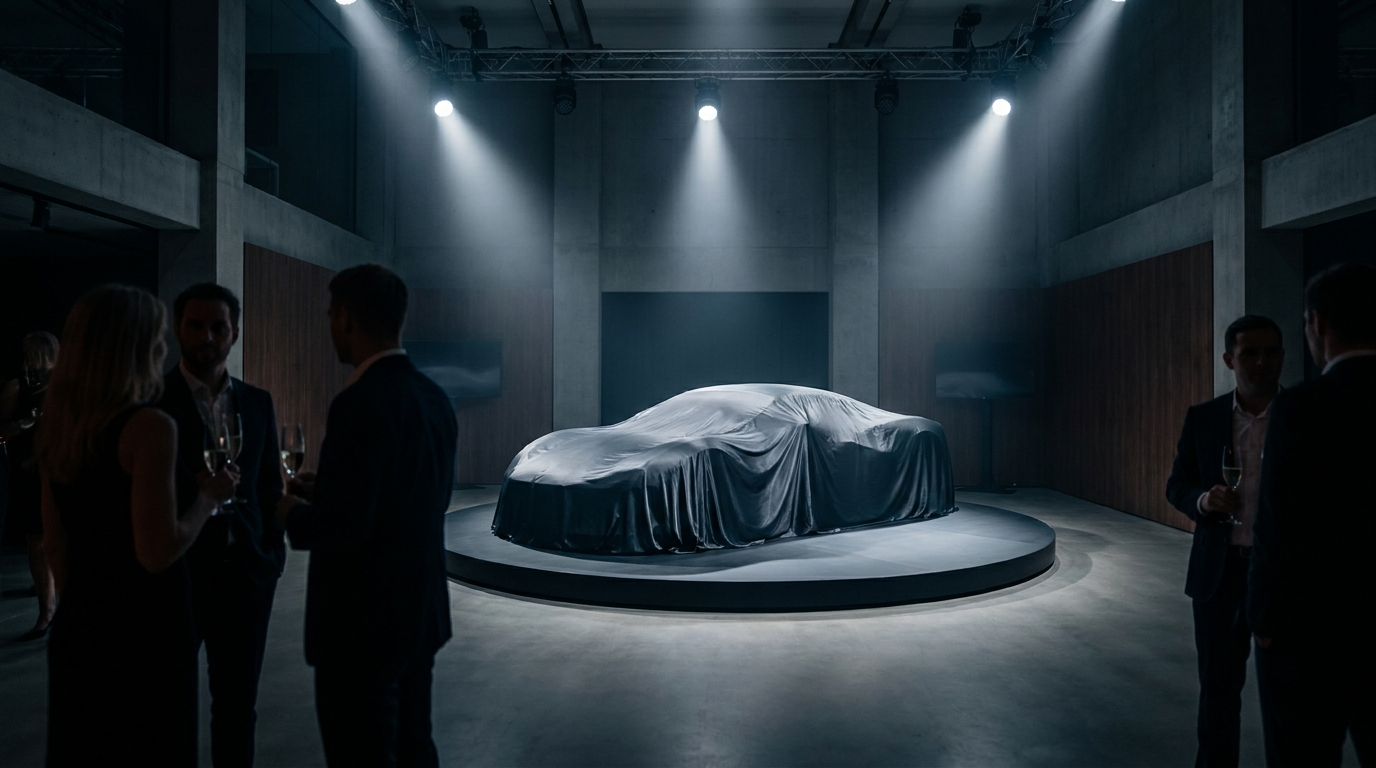
Long before a public debut, the car tours privately. Closed-door showings are held in ateliers, design studios, and rented penthouses in New York, London, Shanghai, and the Gulf, where top clients see the design, hear the number to be built, and are asked — sometimes that evening — whether they want one. Lamborghini previewed its next V12 flagship variant to select clients in New York this June, two months before any public reveal. Ferrari, McLaren, and Bugatti all run versions of the same circuit.
By the time the press release goes out, the phrase “all examples already allocated” is not a boast. It is a factual description of what those rooms accomplished.
Scarcity Is the Product
The production cap is chosen before the engineering is finished, and it is chosen to be oversubscribed. Numbers are often symbolic — 399, 499, 799, or a founding year — but the commercial logic is constant: build meaningfully fewer cars than the brand’s qualified client base, and the car sells itself. One manufacturer’s executives have acknowledged that dozens of buyers could walk away from a current flagship and the run would still be fully sold.
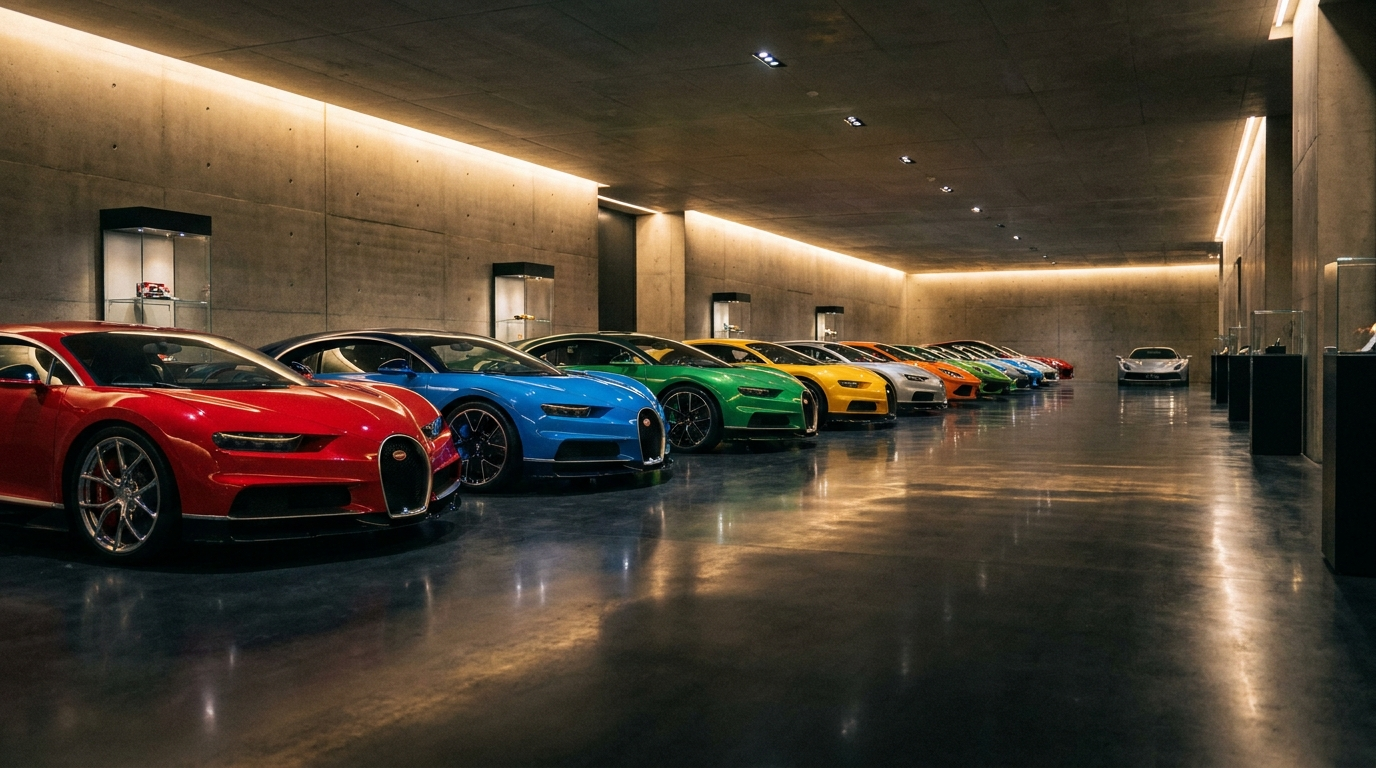
Deliberate underproduction does something else, too: it guarantees the car appears to appreciate, which protects existing clients, flatters the brand, and makes the next limited run even easier to place. Scarcity is not a constraint on the business model. It is the business model.
Flip Clauses, Buy-Backs, and the Gray Market
Because an allocation is effectively an option on a car worth more than its sticker, manufacturers police what happens next. Contracts commonly include holding periods — Ferrari’s no-resale window on the F80 runs two years and is enforced seriously — along with rights of first refusal that let the factory buy the car back before it reaches the open market. Violate the terms and the penalty is not legal so much as social: you fall off the ladder.
The gray market prices the option anyway. Within weeks of the F80’s reveal, build slots were being offered in Europe at more than half again over sticker. The spread between allocation price and market price is precisely what the ladder, the clauses, and the buy-back rights exist to control — and precisely why access, not money, is the real currency at this level. It is also why documentation and provenance matter so much when these cars eventually trade.
What “Sold Out” Actually Means
The phrase deserves scrutiny. “Sold out” at reveal usually means fully allocated: expressions of interest converted to signed slots, often with refundable or partially refundable deposits, sometimes with the factory holding a buffer of unconfirmed names. The distinction occasionally surfaces in public — earlier this year, reports briefly circulated that a fifth of one Italian flagship’s run remained unspoken for before the factory publicly insisted every car was allocated. Both things can be true at different moments: allocations shift, clients trade positions, and the factory manages the list continuously until deliveries begin.
None of this makes the sell-out fiction. It makes it a managed order book — closer to a bond issuance than a car launch, with the same sensitivity about ever appearing undersubscribed. That sensitivity is itself informative: in this segment, the appearance of unlimited demand is an asset worth defending, because it feeds directly into how the cars trade on the secondary market for the following decade.
How Collectors Actually Get the Call
For those trying to climb the ladder, the path is unglamorous and slow. Build history with one brand rather than shallow history with five. Buy the unloved cars in the range, optioned well, and keep them. Participate — factory track programs, brand events, motorsport customer racing if offered. Commission through the bespoke departments, which is where the deepest client relationships are built and where the factory learns your taste.

And cultivate the dealer. Allocations for most brands flow through dealer principals who advocate for their clients to the factory; the strength of that advocacy often decides who gets the car in a tie. It is a system that rewards patience, loyalty, and discretion — three qualities that, not coincidentally, also describe the collectors whose cars hold value best.
The Reveal Is the Victory Lap
So when the covers come off at Monterey or Geneva and the executive announces that every example has found a home, read it correctly. The public debut is theater for everyone who was never going to get one — and confirmation for the few hundred people who committed in a dim room months earlier, with deliveries like the W1’s now underway proving how the cycle completes. The car was sold the moment the factory decided how many to build. Everything after that was allocation.
Exotic Car News covers the cars, the market, and the culture of high-performance motoring — from new hypercar launches to the collector trends shaping values. For more market insight and daily exotic car coverage, explore the rest of our features.