

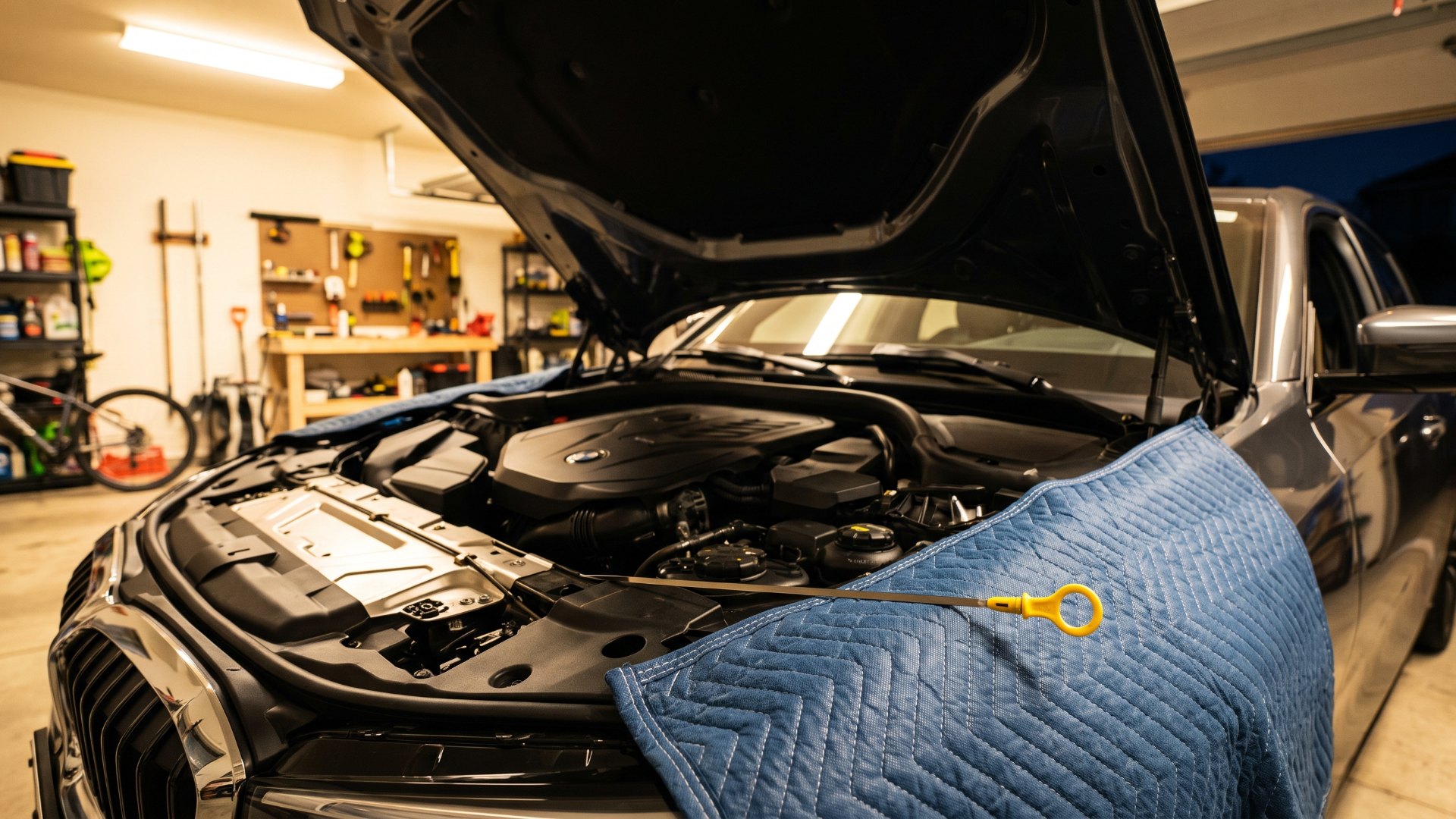
There is a job almost every car person learned before they could legally drive. Pop the hood. Find the loop with the yellow or orange handle. Pull it, wipe it on a rag, push it back in, pull it again, and read the film of oil against the two little marks. Five minutes, no tools, and you know something true about the engine.
Now try it on a lot of newer cars. Lift the hood of a modern BMW, Mercedes-Benz, Porsche or Volvo and there may be no loop to pull. The oil level lives in a menu. And if you buy a replacement oil dipstick online out of stubbornness, you may discover there is nowhere to put it: on many sensor-equipped engines there is no dipstick tube at all.
That small absence says a lot about where car ownership has gone. Over the past 20 years, five checks that home gearheads took for granted have quietly changed: engine oil, transmission fluid, tire pressure, looking for leaks and low fluids, and swapping a battery. For each one, the fair question is the same. Did technology make the job easier, or did it just move the owner further away from understanding the car?
What you need to know
- Many modern cars from BMW, Mercedes-Benz, Porsche, Volvo and others have no oil dipstick; the level is read by an electronic sensor and shown on a screen, usually only under specific conditions.
- Many modern automatic transmissions are sealed. Checking the fluid means a lift, a level car, a fill plug and a precise fluid temperature, not a dipstick.
- Tire pressure monitors are required on new US light vehicles. The federal standard sets the latest point a warning may come on, 25% below the recommended pressure; some systems warn sooner.
- Aerodynamic undertrays and engine covers make it harder to spot a leak early, and on some models a new battery has to be “registered” with the car.
- The technology is often better. The problem is when a dashboard alert becomes the only way an owner can know what the car is doing.
The five-minute ritual, and the gearhead it trained
Picture the home mechanic of 2006. Not a pro, just someone who likes cars and doesn’t mind getting a little dirty. On a Saturday morning, that person could lift the hood of almost anything on the road and run a basic health check: oil on the stick, transmission fluid on a second stick (warm engine, in Park), coolant against the line on the overflow tank, brake fluid through a translucent reservoir, a pencil gauge on each tire, a look at the ground for drips.
None of it required a scan tool. None of it required the car’s permission. And all of it produced a kind of knowledge that doesn’t show up on a service invoice: what normal looks like for your car, so you notice when something drifts.
That same person, 20 years later, owns something newer. Here’s what happened to each of those checks.
1. Engine oil: from stick to screen

BMW began replacing the dipstick with an electronic oil-level sensor in the mid-2000s; by BMWBlog’s account, the E46 M3 that ended production in 2006 was among the last BMWs to keep a physical stick. Mercedes-Benz, Porsche, Volvo and others followed on many engines. On a current BMW, the check happens through iDrive: engine warm, car level, transmission in Park, and the system reports the result on the screen. Plug-in hybrids even run a special engine cycle so the sensor can take its reading.
Volvo’s own owner documentation for the XC90 is unusually candid about the conditions. The electronic gauge is only accurate after the car has been driven about 30 km (roughly 19 miles) and then left stationary for five minutes with the engine off on level ground. Volvo tells owners there is no need to take action until a warning message appears, to add only the exact amount the car asks for, and to visit a workshop if the level reads too high.
The Porsche Club of America makes a related point in its tech guidance: depending on model and year, a Porsche may want the engine cold or warm, running or off, before it will give a true reading, and overfilling can damage an engine. Read the manual for your specific car.
The sensor has real advantages. It doesn’t misread a smeared stick in bad light, and it can track level over time in a way a person with a rag cannot. What it takes away is everything else a dipstick told you: the oil’s color, a whiff of fuel, grit, a milky tint that hints at coolant contamination, and the ability to check in 30 seconds on a cold morning before a road trip. You’re also trusting a sensor that can fail; Mercedes-Benz has published service guidance on implausible oil-level warnings caused by faulty sensors on certain older engines.
That matters because engines can use some oil between services, and many modern cars now run long oil-change intervals, often set by an oil-life monitor. The level between services is still the owner’s business, whether the car shows a stick or not.
2. Transmission fluid: “lifetime” and the fill plug
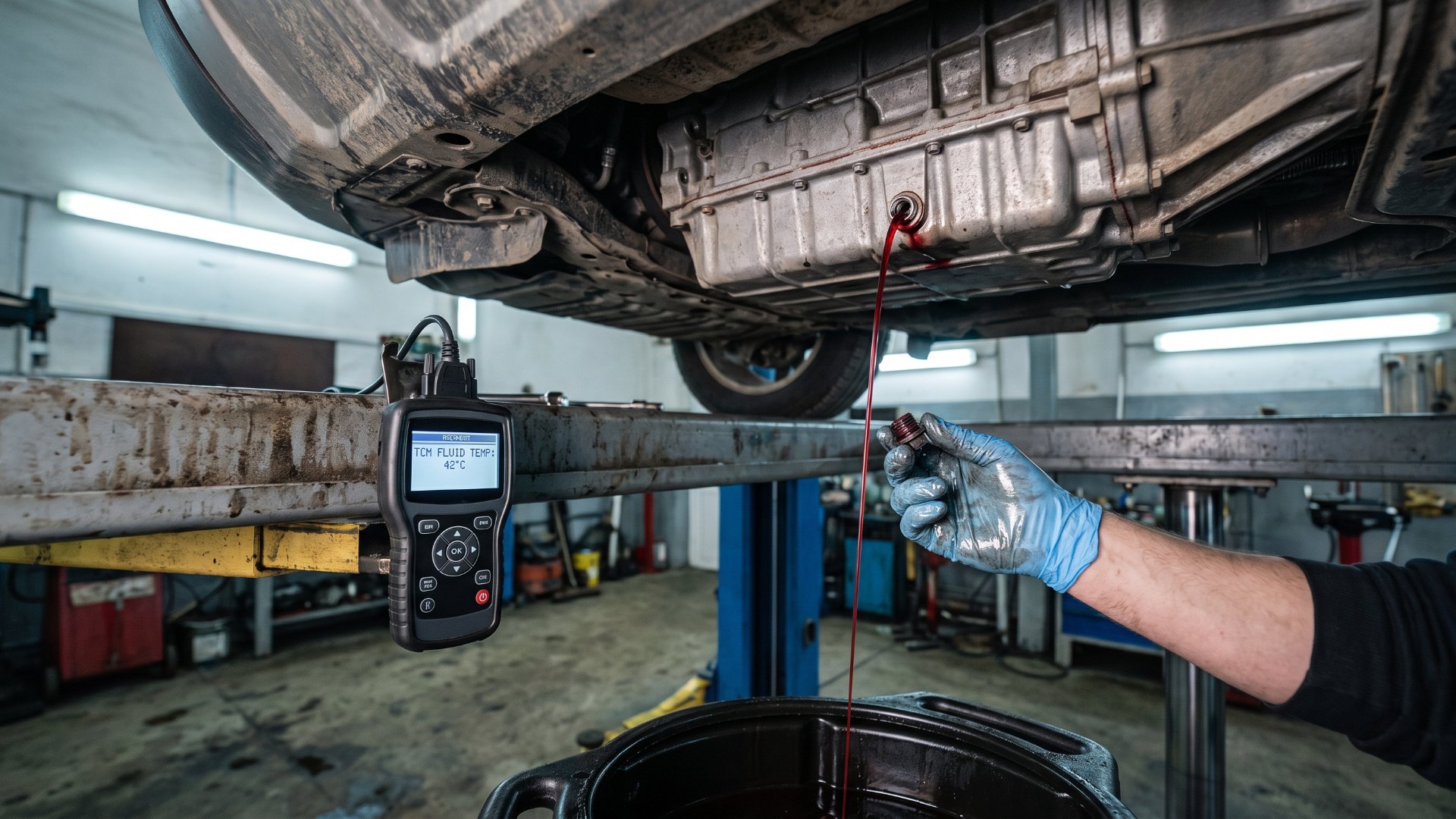
The second dipstick went first on many cars. A large share of modern automatics are sealed, with no tube and no stick, and are marketed with “lifetime” or no-scheduled-service fluid.
Checking one is a real procedure. On the widely used ZF eight-speed, for instance, the level is set with the car level and the engine running, the fluid warmed into a narrow temperature window read from a scan tool, and extra fluid added through a side fill plug until it just trickles out, as BimmerLife lays out. Toyota’s sealed units work on a similar principle: fluid between 36 and 46 °C and an overflow plug in the pan, with the temperature watched through a scan tool or a diagnostic jumper. Too hot or too cold and the reading is wrong. That is why it is a lift job, not a driveway job.
The “lifetime” label deserves context too. BMW has treated the ZF 8HP as a lifetime fill, but ZF’s own product data for its LifeguardFluid 8 recommends an oil change at about 150,000 km (roughly 93,000 miles), and sooner for transmissions that see high temperatures and heavy loads. “Lifetime” can quietly mean the life of the warranty, not the life of the car.
For most drivers, a sealed unit removes a check they never did anyway. For the enthusiast who used to catch dark, burnt-smelling fluid early, it usually means learning about a problem when the shifts go soft.
3. Tire pressure: the warning light isn’t a gauge
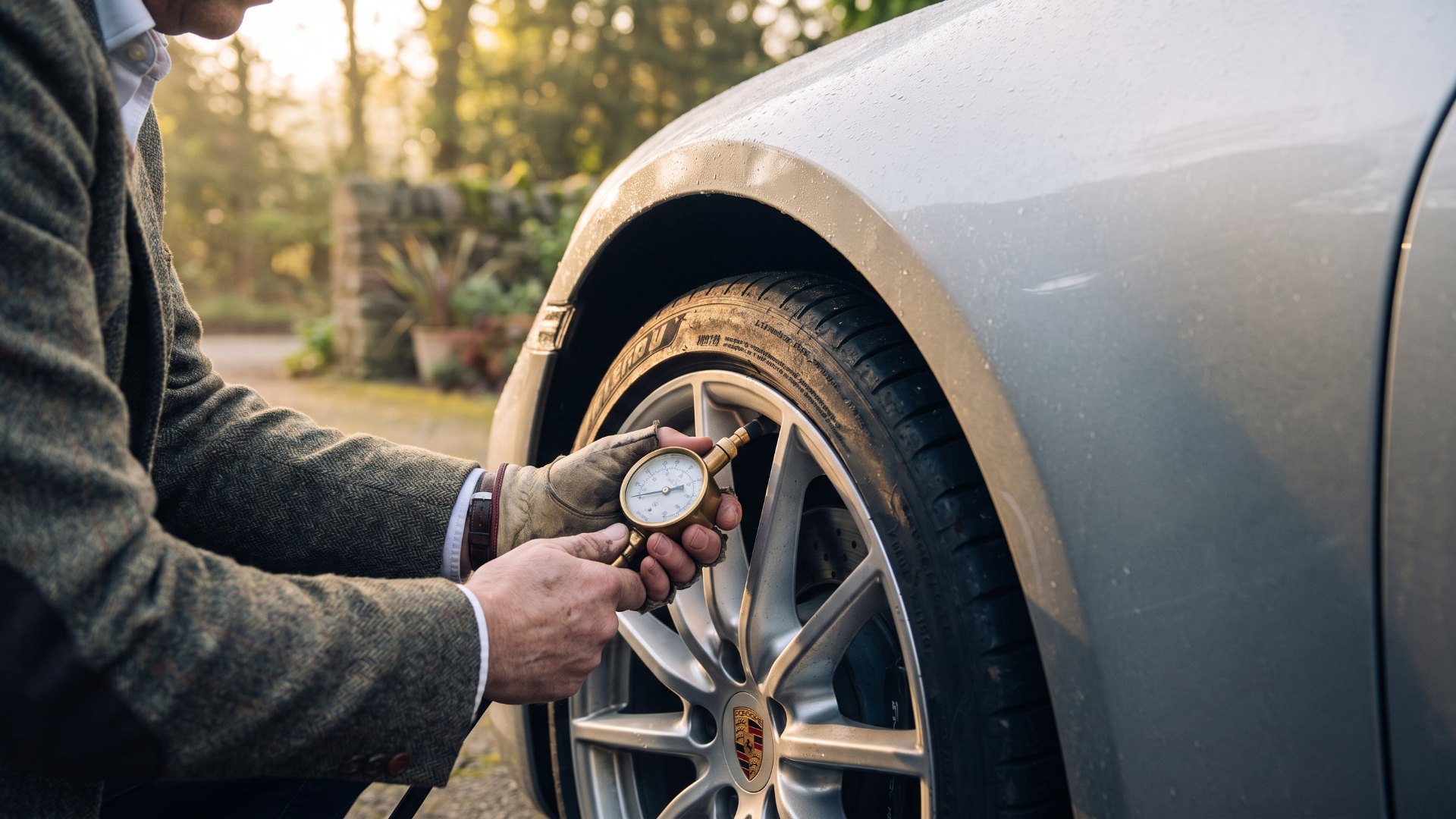
Tire pressure is the one check where regulation, not engineering taste, drove the change. After the tire failures of the late 1990s, Congress passed the TREAD Act, and NHTSA’s resulting standard, FMVSS No. 138, requires a tire pressure monitoring system on light vehicles up to 10,000 lb GVWR. It has applied to all new vehicles in that class since the phase-in ended in 2007.
This is a clear win. Plenty of drivers never checked tires, and now a car tells them when one is going soft.
But the rule is a floor, not a spec sheet. It requires the warning to come on within 20 minutes once a tire falls 25 percent below the manufacturer’s recommended cold pressure (or a minimum set in the regulation, whichever is higher). Automakers are free to calibrate their systems to warn sooner, and some do, so 25% is the latest point the federal standard allows, not the exact point every car’s light comes on. Here is what that outer limit looks like:
| Recommended cold pressure | Latest warning allowed by the standard | Pressure lost by then |
|---|---|---|
| 32 psi | 24 psi | 8 psi |
| 36 psi | 27 psi | 9 psi |
| 42 psi | 31.5 psi | 10.5 psi |
A performance car running several psi low can feel different before any lamp lights. Many cars now show individual tire pressures, which is excellent, but plenty of owners still treat “no light” as “tires are fine.” TPMS belongs on the short list of safety technology that actually matters; it is a safety net, not a maintenance routine. A $10 gauge, used cold once a month and before a hard drive, is still the right habit.
4. Leaks and fluid levels: the car now wears a belly pan
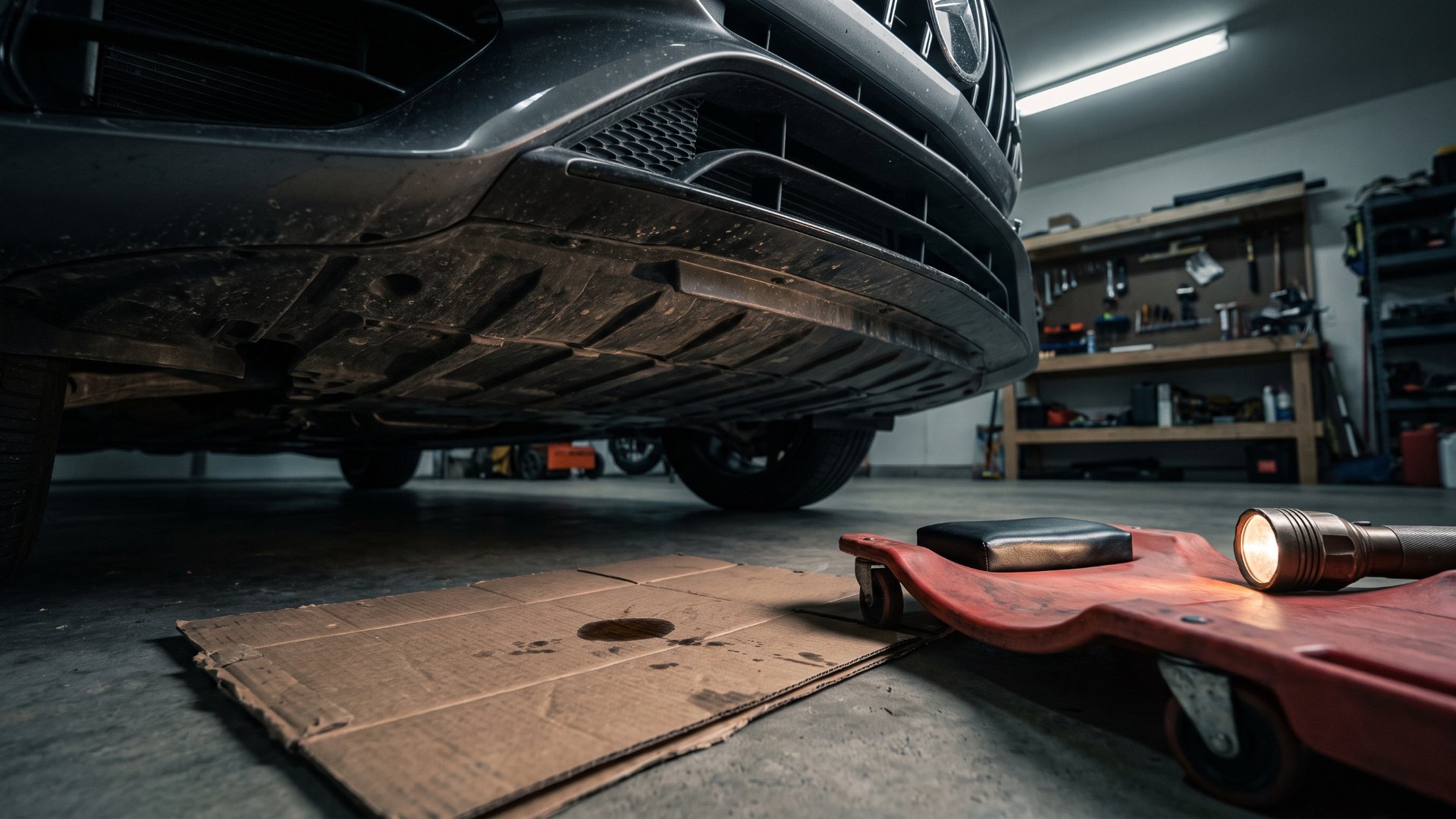
The old ritual included a look underneath and a look at the ground. A fresh drip on the driveway was often the first sign of a failing gasket, a weeping hose or a tired seal.
Modern cars are shaped by aerodynamics, noise targets and packaging. Large flat undertrays cover the engine and transmission, and plastic covers hide much of the top of the engine. They help efficiency, refinement and appearance. They also catch small leaks and hold them out of sight until they grow, or run to wherever the panel lets them escape.
If you want the full inventory of what’s sloshing around inside a modern performance car, our guide to every fluid and lubricant in a modern exotic walks through it system by system. Reservoirs have changed too. Some are buried, some are opaque, and some cars report coolant or washer levels only through a warning. Even electric cars, which have no engine oil to check, still carry coolant, brake fluid and a 12-volt battery that owners rarely look at.
Better sealing means fewer leaks in the first place. When one does happen, though, the owner is less likely to see it early, and a piece of cardboard under a parked car overnight is still a surprisingly useful tool.
5. The battery: a parts swap that now needs a computer
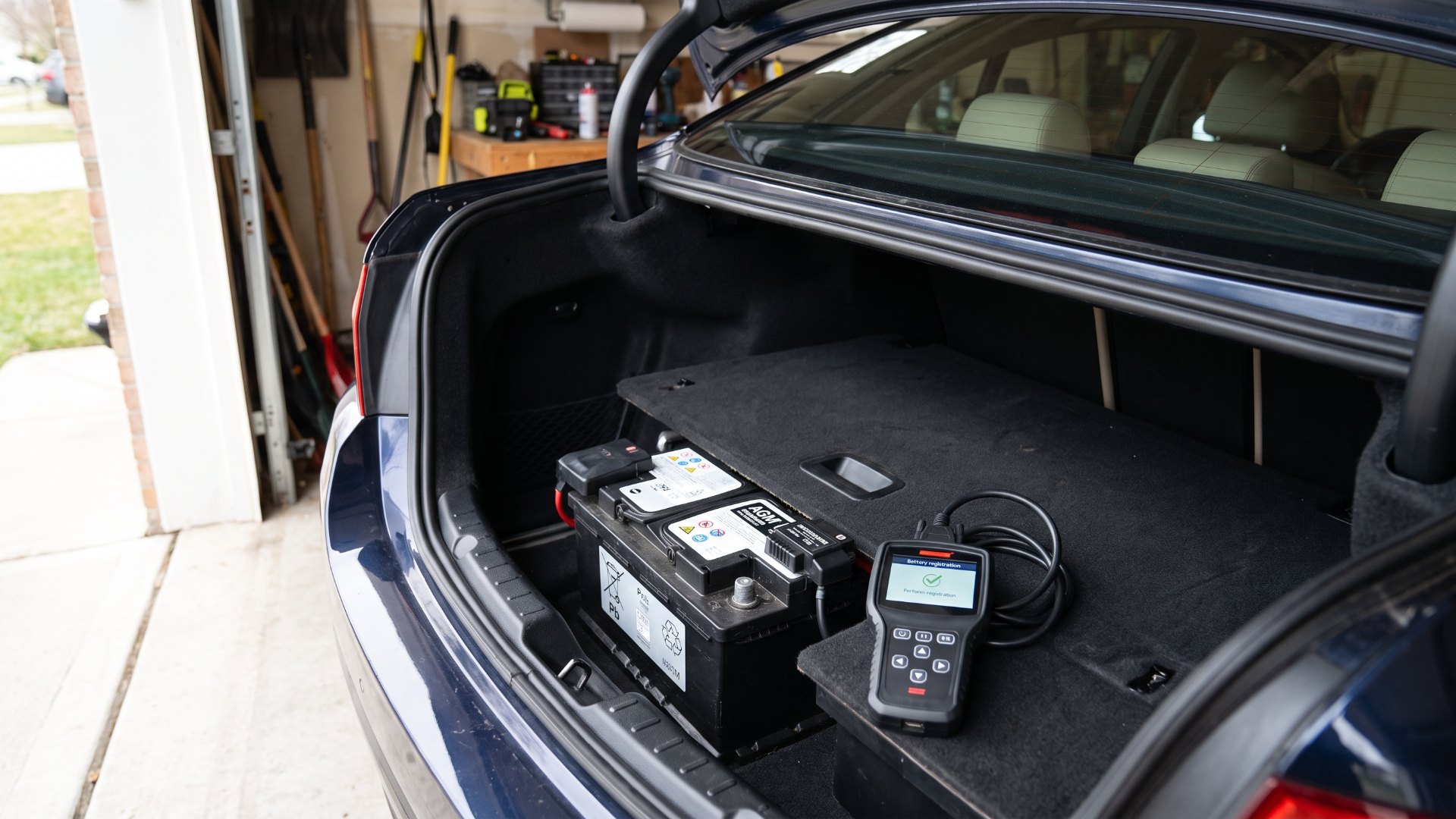
Replacing a battery used to be the definition of an easy job: two terminals, a hold-down, a wrench, done. On many modern cars the battery may sit under the trunk floor, under a seat or behind panels, and on some, the job doesn’t end when the terminals are tight.
Cars fitted with an intelligent battery sensor track voltage, current, temperature and state of charge, and adapt charging as the battery ages. On those models, diagnostic-equipment maker Midtronics explains, the car must be told a new battery is fitted, a step called registration, so it stops charging the fresh unit as if it were the old worn one.
Whether your car needs it depends on the model and its battery system. The requirement is best known on BMWs, and Midtronics says it also applies to certain Mercedes-Benz, Audi, Volkswagen, Porsche and Volvo models. Where it is required, skipping it risks undercharging or overcharging, start-stop that stops working and electrical faults, and a basic code reader usually can’t do it. As more cars add 48-volt electrical systems alongside the familiar 12-volt battery, the electrical side of ownership is only getting more layered.
Smarter charging can make batteries last longer. It also means a 15-minute job with a socket set can now require the right software, and an owner who does it the old way can create a problem without knowing it.
Then vs. now
| The check | Circa 2006 | Many cars today |
|---|---|---|
| Engine oil | Dipstick, 30 seconds, any time | Sensor and screen, specific conditions |
| Transmission fluid | Second dipstick, engine warm | Sealed unit, lift, fill plug, fluid temperature via scan tool |
| Tire pressure | Pencil or dial gauge | TPMS required; federal standard allows warning as late as 25% low |
| Leaks and levels | Look underneath, translucent reservoirs | Undertrays and covers; some levels reported only by warning |
| Battery swap | Two terminals and a hold-down | Often hidden; registration required on some models |
The modern owner’s five-minute check
For anyone who still wants that Saturday-morning feeling on a newer car:
- Oil: Learn your car’s exact electronic check procedure and run it regularly, not just when a warning appears. Keep a liter or quart of the correct spec oil on hand.
- Tires: Check cold with a quality gauge monthly. Don’t wait for the TPMS light.
- Underneath: Park over clean cardboard overnight every so often. Look at the spots.
- Fluids you can see: Brake fluid, coolant and washer reservoirs are usually still visible. Check them against the marks.
- Records: Ask your shop what the transmission fluid looked like at each service, and whether your “lifetime” fluid has a supplier-recommended interval.
What modern cars should offer instead
The practical answer isn’t to put a dipstick on every car. It’s for manufacturers to treat owners as capable adults and give them both better information and a clear way to verify it:
- Show real numbers, not just “OK.” An oil-level readout in quarts or liters, per-tire pressures, battery state of health and fluid temperatures are already measured. Display them.
- Keep a manual verification path. A dipstick tube with a cap, a factory service dipstick sold at the parts counter or a clearly documented check procedure costs little and builds trust in the sensor.
- Make the essentials reachable. Fill points, reservoirs, the battery and common service items should be accessible without removing half the car.
- Don’t hide basic procedures behind dealer software. If a battery needs registering, owners and independent shops should be able to do it with widely available tools.
- Be honest about “lifetime.” If the component supplier recommends a service interval, owners deserve to hear it.
Washington is working on a much narrower version of that question. In May, the House Energy and Commerce Committee advanced the Motor Vehicle Modernization Act of 2026, but the version that moved left out the REPAIR Act’s broader data-access provisions. What remained would write an existing industry agreement into federal law, requiring automakers to give independent shops the same repair information their franchised dealers get. None of it touches what an owner can check in the driveway.
Nobody wants the carburetor back
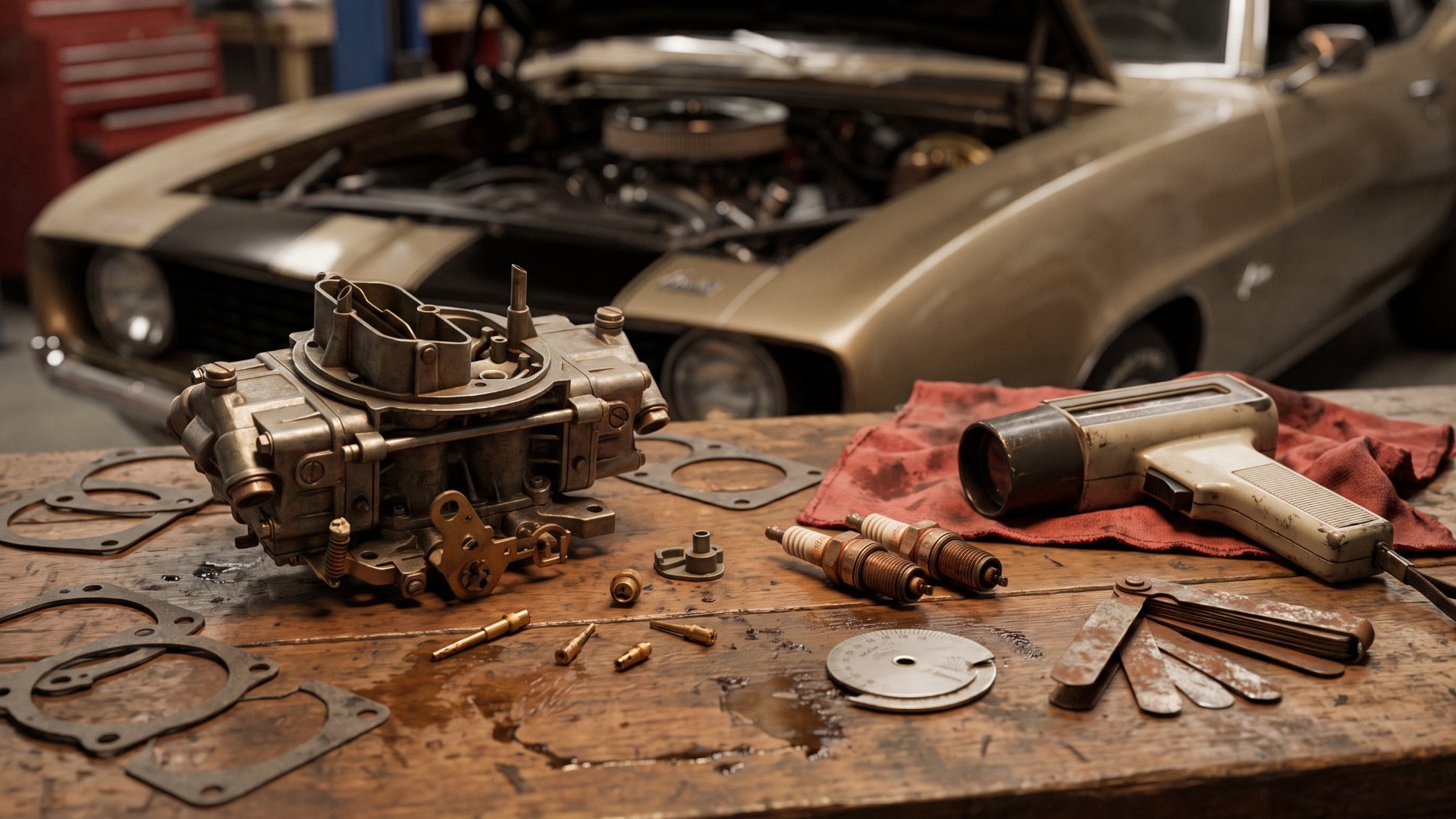
None of this is a case for every old chore. Few people miss adjusting a carburetor on a cold morning, and spark plugs that once needed regular gapping now commonly carry factory intervals around 100,000 miles. Retiring a chore because the car no longer needs it is progress.
Retiring a check because the owner is no longer trusted to do it is something else. An engine that uses oil still needs its level watched. A transmission that can be damaged by low fluid still needs a way to be checked. The work didn’t disappear. The access did.
FAQ
How do I check the oil on a car without a dipstick?
Use the vehicle menu, usually under a vehicle status or service section. Most systems need the car on level ground and the engine in a specific state, warm, running or recently shut off, depending on the make. Volvo, for example, specifies about 30 km of driving followed by five minutes stationary with the engine off. Follow your owner’s manual exactly.
Can I add an oil dipstick to a car that doesn’t have one?
Often not. Many sensor-equipped engines have no dipstick tube, so there is nowhere for a stick to go. Some engines retain a capped tube for workshop use; check with a specialist for your specific engine.