
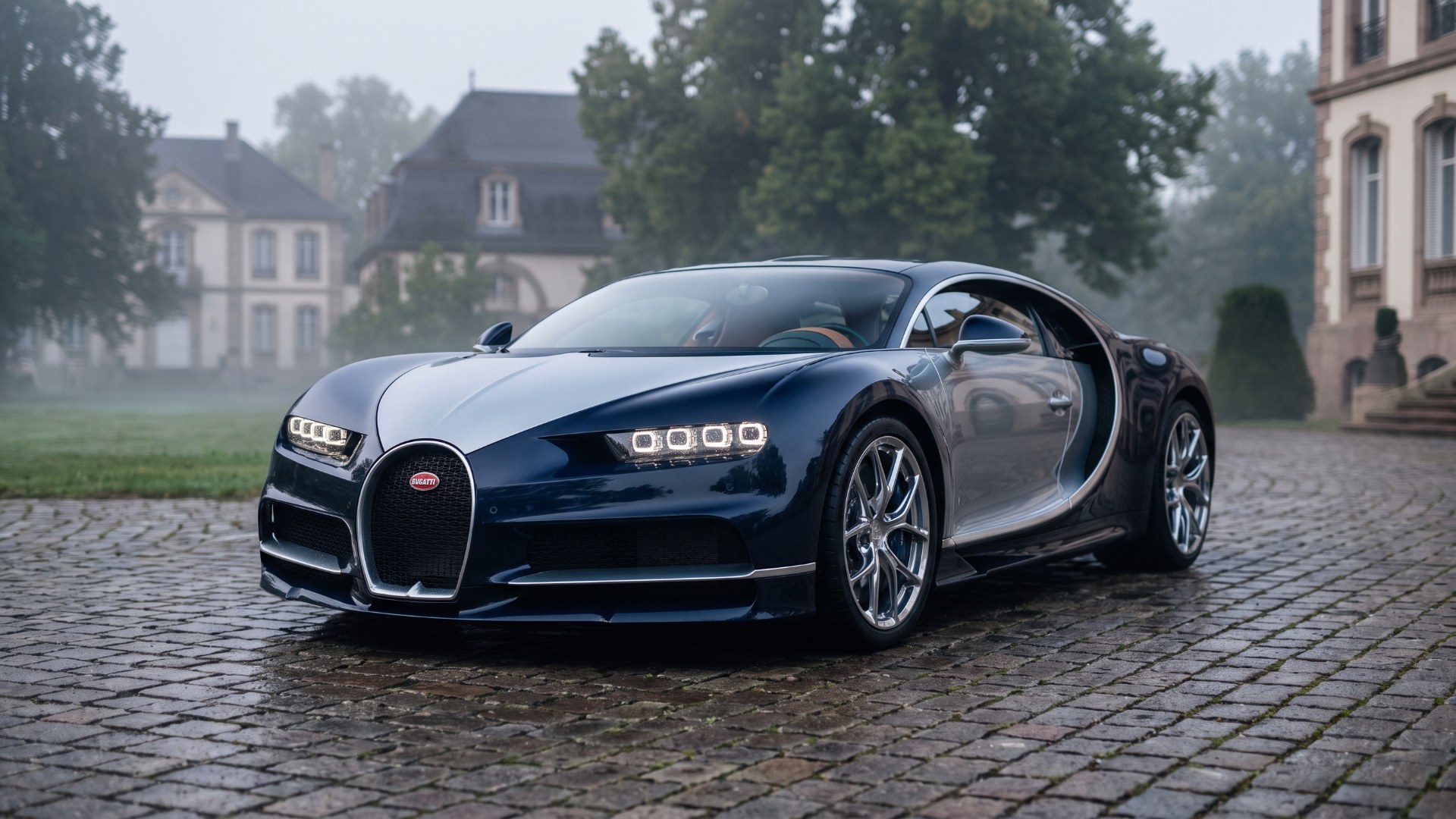
Porsche closed its exit from Bugatti Rimac on September 9, ending 28 years of German industrial ownership at Molsheim. For the first time in the modern era, one of the great hypercar marques is run by a founder and a financial consortium instead of a car company.
Porsche AG has completed the sale of its 45 percent stake in Bugatti Rimac and its 20.6 percent holding in Rimac Group. The deal closed once the last regulatory clearances landed, following agreements signed in April. It removes the Volkswagen Group from Bugatti’s ownership entirely for the first time since Volkswagen, under Ferdinand Piëch, bought the name in 1998.
Porsche walks away with roughly $1.16 billion. Bugatti walks away with something harder to price: independence from any volume automaker, and a set of owners whose business is capital rather than cars.
What You Need to Know
- Porsche sold its 45 percent of the Bugatti Rimac joint venture and its 20.6 percent of Rimac Group. The buyer is a consortium led by New York’s HOF Capital, with Abu Dhabi’s BlueFive Capital as the largest backer.
- Rimac Group keeps 55 percent and operational control. Mate Rimac remains CEO of Bugatti Rimac and has added the title of President of Bugatti Automobiles.
- Christophe Piochon is out after more than two decades — the last senior executive whose Bugatti tenure ran back to the Veyron program.
- Porsche expects around $1.16 billion from the deal, has earmarked $291 million of it for pension obligations, and has raised its 2026 automotive net cash flow margin guidance from 3–5 percent to 5.5–7.5 percent.
- The Tourbillon program is untouched: 250 cars, all spoken for, built at the new La Manufacture atelier that opened in Molsheim in July.
Twenty-Eight Years of Volkswagen Ownership, Closed Out
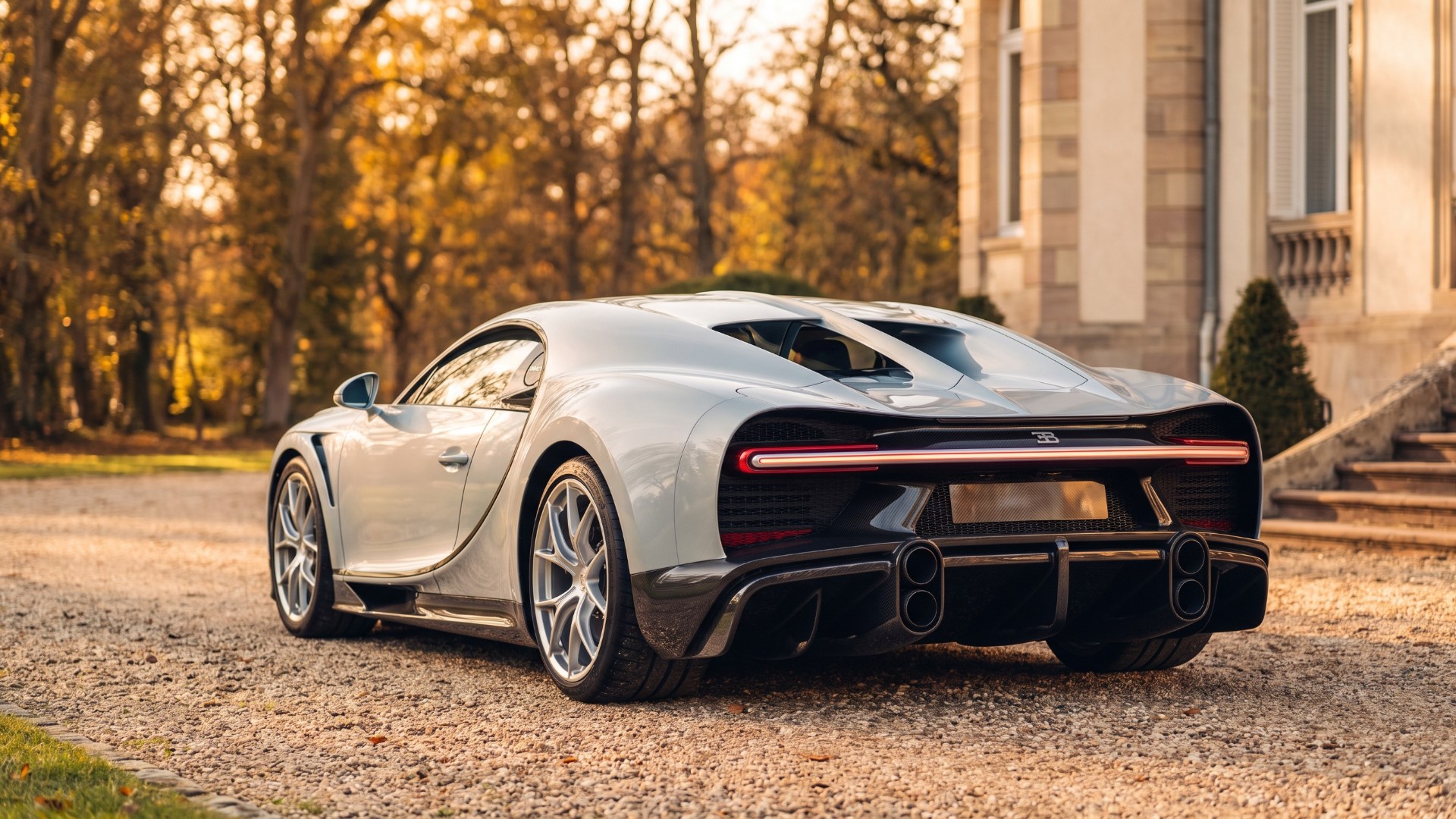
The modern Bugatti is a Volkswagen invention. Ferdinand Piëch’s Volkswagen acquired the name in 1998, the same year the group swept up Lamborghini and Bentley. It then spent the better part of a decade, and an unrecoverable amount of money, proving that a 1,000-horsepower, 250-mph road car was possible. The Veyron arrived in 2005 and rewrote what a production car could be. The Chiron followed, then the Divo, the Centodieci, La Voiture Noire, the Bolide, the W16 Mistral. Just over 1,100 cars in twenty years, each one subsidized in spirit if not always on paper by a company that sold millions of Golfs.
That era formally ended in 2021, when Porsche and Rimac Group folded Bugatti into a joint venture — Rimac 55 percent, Porsche 45 — with Mate Rimac installed as chief executive. But Porsche’s stake kept a thread running back to Wolfsburg and Zuffenhausen. Group engineering standards, group processes, group politics. On September 9, that thread was cut.
Why Porsche Sold, and Why It Sold Now
Nothing about this transaction makes sense without the state of Porsche itself.
The 2025 results were the worst in the company’s modern history as a listed business. Operating profit fell 92.7 percent to about $480 million. The operating margin — 14.1 percent the year before, the envy of the industry — collapsed to 1.1 percent. Revenue slid 9.5 percent to about $42 billion, deliveries dropped 10 percent to around 279,000 cars, and China, once Porsche’s largest market, fell 26 percent. Roughly $4.5 billion in extraordinary charges landed on the year, including about $2.8 billion tied to product strategy and restructuring, $810 million in battery costs and another $810 million in US tariffs.
Michael Leiters took over as chief executive on January 1, 2026. He came from Ferrari and McLaren, companies whose entire business model is scarcity. He arrived with a single organizing idea: Porsche has to be a sports car company again, not a holding company for adjacent ambitions.
The evidence has been arriving throughout 2026. In May, Porsche announced it would shut Cellforce, its battery cell venture, along with Porsche eBike Performance and the software firm Cetitec — more than 500 jobs. In June it agreed 3,900 job cuts with union representatives. In July it agreed a further round, bringing the total to roughly 9,000 positions by 2035. In August it agreed to sell MHP, its IT and management consulting arm, to Tata Consultancy Services, at a widely reported enterprise value of around $370 million. Bugatti Rimac was on the same list, and had been since April, when the transaction agreements were signed.
Leiters framed it simply at the time: with the sale, he said, Porsche demonstrates that it will focus on the core business.
That sounds like corporate boilerplate until you notice what it costs him to say it. Bugatti is the most prestigious badge the Volkswagen Group ever controlled. Letting it go is not a portfolio tidy-up. It is an admission that a company with a one percent operating margin cannot afford to own the most extravagant car brand on earth, however good it looks in the annual report.
The financial mechanics are straightforward. Around $1.16 billion in proceeds, $291 million of it directed at pension obligations, and a raised outlook: the automotive net cash flow margin forecast for 2026 goes from 3–5 percent to 5.5–7.5 percent. Leiters presents his full strategy — internally titled “Sportwagenschmiede 35” — at a capital markets day on October 7. This closing clears one more item off the list before he stands up in front of investors.
Since the deal closed, Volkswagen has cut its own 2026 outlook, citing in part a roughly $7 billion impairment on its Porsche stake; Leiters has responded by reaffirming Porsche’s forecast.
Who Owns Bugatti Now
Rimac Group retains 55 percent of Bugatti Rimac and control of the business. Porsche’s 45 percent has passed to a consortium led by HOF Capital, with BlueFive Capital as its largest investor and a group of institutional investors from the United States and Europe alongside.
HOF Capital is a New York venture firm co-founded by Onsi Sawiris, of the Egyptian business family. It is not an automotive investor by background; its portfolio is largely technology. As part of the wider transaction it also became the largest shareholder in Rimac Group alongside Mate Rimac, with a reported 23.5 percent stake.
BlueFive Capital is the more striking name. Founded in late 2024 by Hazem Ben-Gacem, a 30-year Investcorp veteran, the firm is incorporated in Abu Dhabi Global Market. It reports around $15 billion under management, with offices in London, Manama, Abu Dhabi, Dubai, Muscat and Beijing. Bahrain’s sovereign wealth fund Mumtalakat took a stake in the firm in 2025. BlueFive says it has taken a direct 30 percent holding in Bugatti Rimac — making it the second-largest shareholder after Rimac Group — along with a board seat and two observer seats.
Ben-Gacem called it a landmark transaction for BlueFive and a step in expanding its private equity business in Europe. The firm has filed the stake under a consumer strategy built around brands with scarcity, heritage and pricing power. That is the sound of a brand moving from an industrial owner to an asset owner.
That distinction matters more than the percentages. For most of its modern life Bugatti has been the beneficiary of a car company’s willingness to lose money on principle. Its new shareholders are professionals whose job is returns. The optimistic reading is that Mate Rimac now answers to investors who bought in specifically because they want him to build the brand, rather than to a group board balancing Bugatti against Škoda’s capex. The cautious reading is that private capital has a clock, and industrial owners historically did not.
Bugatti Rimac’s Leadership Change Is the Real Signal
The share transfer is the headline. The org chart is the story.
Christophe Piochon is leaving his positions as President of Bugatti Automobiles and Chief Operating Officer of Bugatti Rimac. He had been at Molsheim for more than twenty years, spanning the Veyron, the Chiron and the development of the Tourbillon, and he was the most senior remaining link to the Piëch-era operation. Rimac’s public tribute credited him with building and protecting the quality and craftsmanship that define the cars leaving Molsheim, which is both gracious and, read the other way, a full stop.
Mate Rimac takes the President of Bugatti Automobiles title himself, on top of running Bugatti Rimac. Marko Brkljačić, previously chief operating officer at Rimac Technology, is set to join Bugatti Rimac as COO, and Hendrik Malinowski, currently managing director of Bugatti Automobiles, is slated to become chief commercial officer. More changes are expected as the new structure settles.
Read the names: the Croatian side of the business is now running the French side of the business, and the German influence has been retired along with the German shareholder. Bugatti Rimac has consolidated authority around one founder with a controlling shareholder behind him. Whatever else you think of it, that is a faster decision-making structure than a 45/55 joint venture between a startup and a Volkswagen subsidiary.
What It Means for the Tourbillon
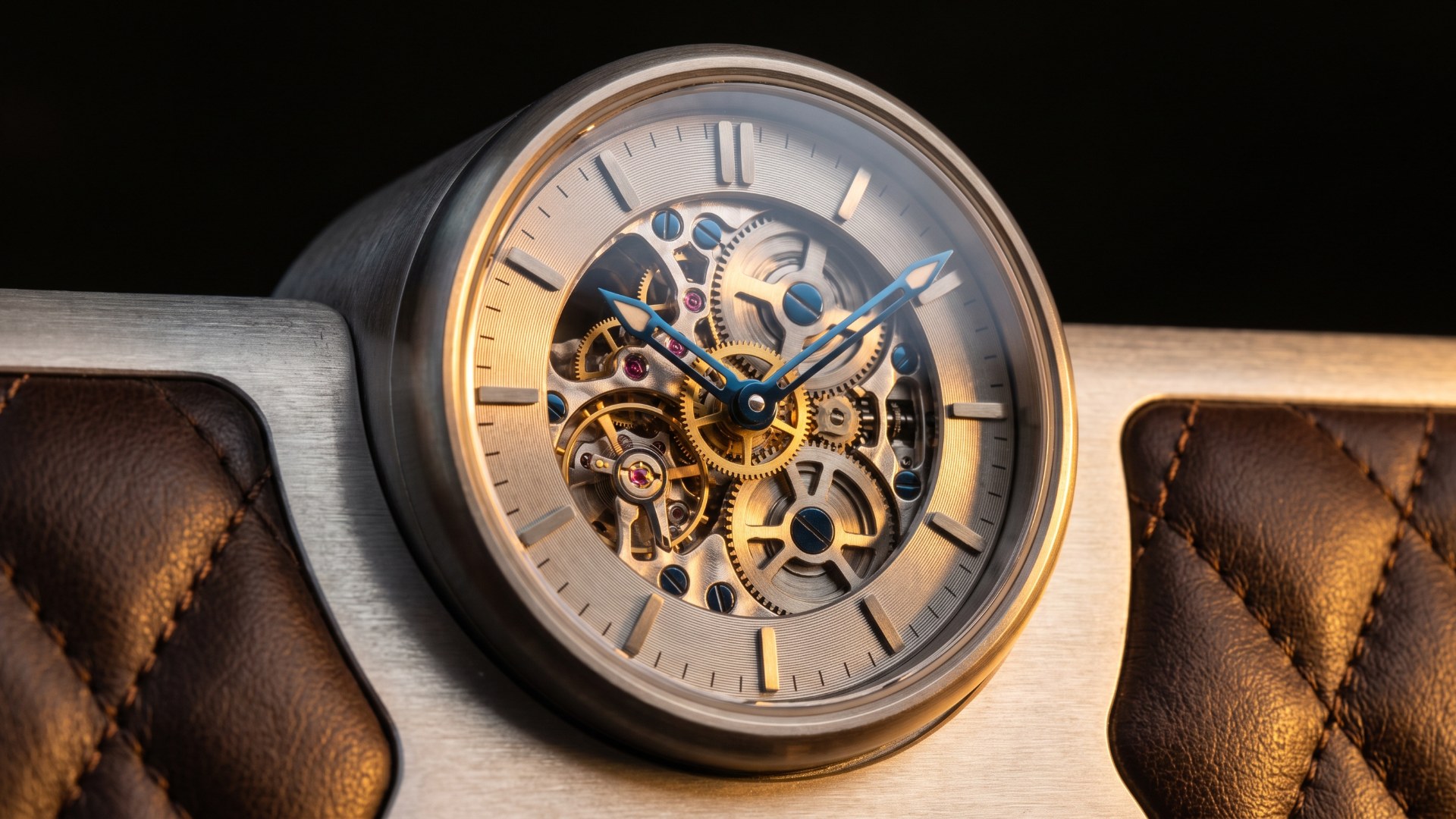
Practically, in the short term: very little, and that is the point of closing the deal now.
The Tourbillon program is the most expensive thing Bugatti has ever attempted and it is already sold out. Two hundred and fifty cars, from about $4.4 million net before options and taxes, powered by a naturally aspirated 8.3-liter Cosworth V16 paired with three electric motors for a combined 1,800 PS. Every allocation is spoken for, which makes it one of the most anticipated hypercar deliveries on the horizon; Rimac described the car as in the final stage of testing as the deal closed.
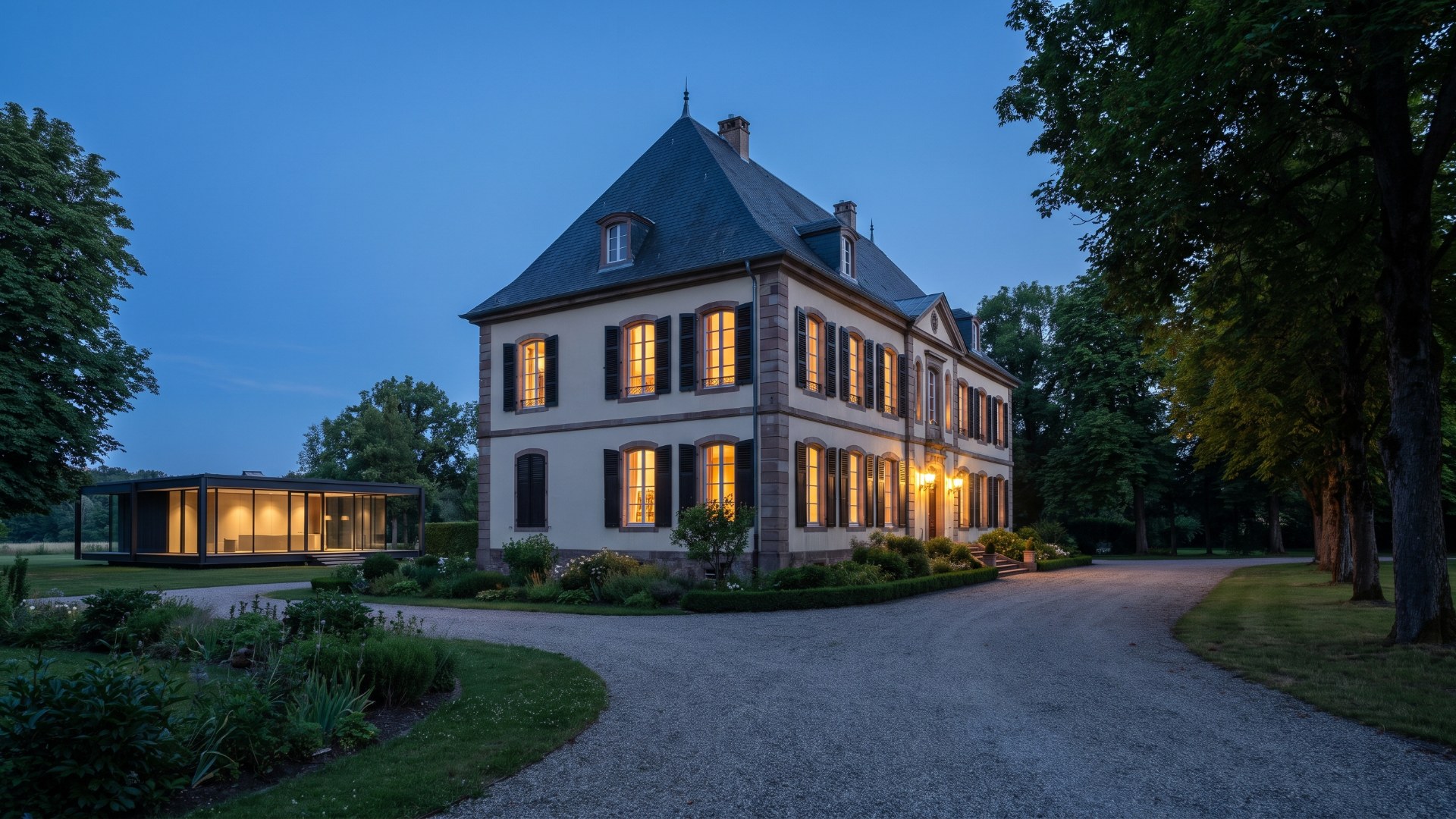
The industrial base is in place too. La Manufacture, the new atelier on the grounds of the Château Saint Jean, opened on July 2 after less than a year of construction. It handles pre-assembly, quality control, polishing and paint, and lifts Molsheim’s capacity to as many as 200 cars a year. It also anchors a plan to grow the Molsheim workforce by more than 50 percent by the end of 2027. The car was conceived and developed under Mate Rimac’s leadership of Bugatti Rimac, so the program’s engineering logic survives the shareholder change intact.
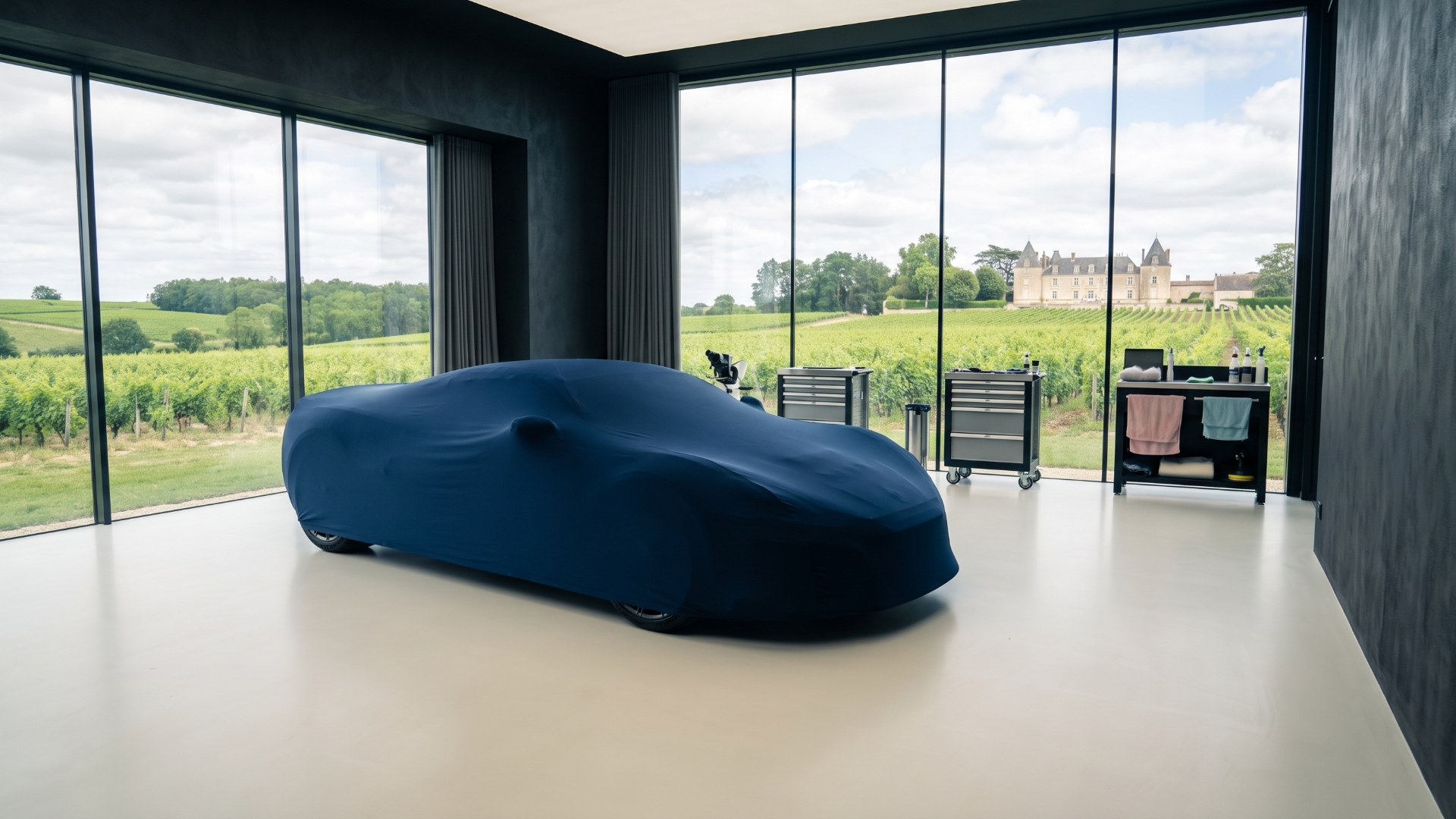
What changes is what comes after the Tourbillon. Under Volkswagen, Bugatti’s product cadence was a negotiation with a group that had thousands of competing priorities. Under Rimac and a consortium that bought in on the brand specifically, the constraint becomes capital and capacity rather than group consensus. A 200-car annual capacity in Molsheim is a large number for a company that has delivered around 1,100 cars in twenty years. Somebody built that headroom on purpose.
What It Means If You Own a Veyron or a Chiron
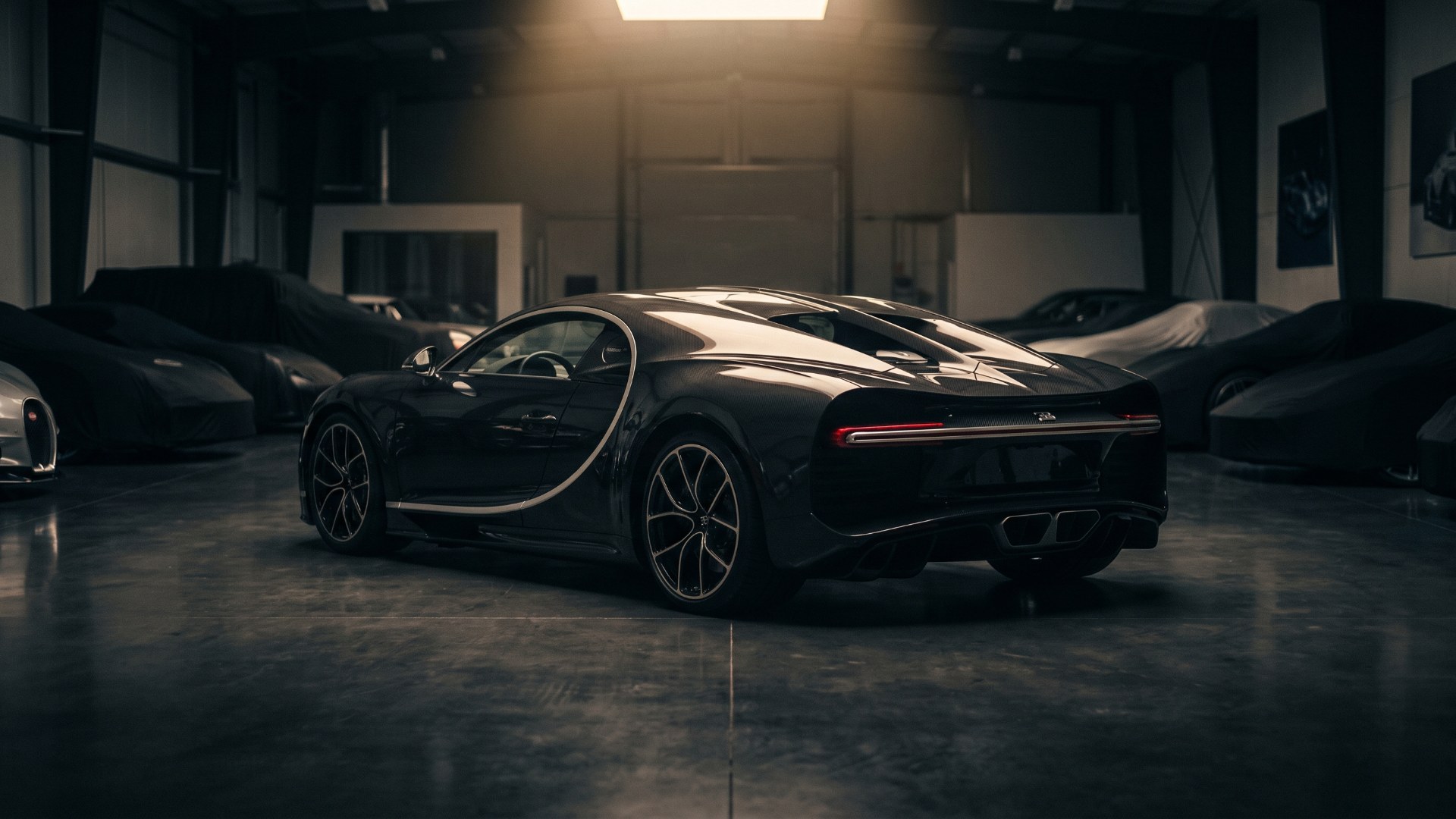
Here is the part the market will take longer to price.
The W16 cars — Veyron, Chiron, Divo, Centodieci, La Voiture Noire, Bolide, W16 Mistral — are now, definitively, a closed chapter with a start date and an end date. They are the Volkswagen Bugattis: conceived under Piëch, engineered to a group standard, built with a parent company’s money behind them, and finished. Nothing else will ever be added to that set. The last of them, the 99th and final W16 Mistral, left the Molsheim atelier in July, days after La Manufacture opened.
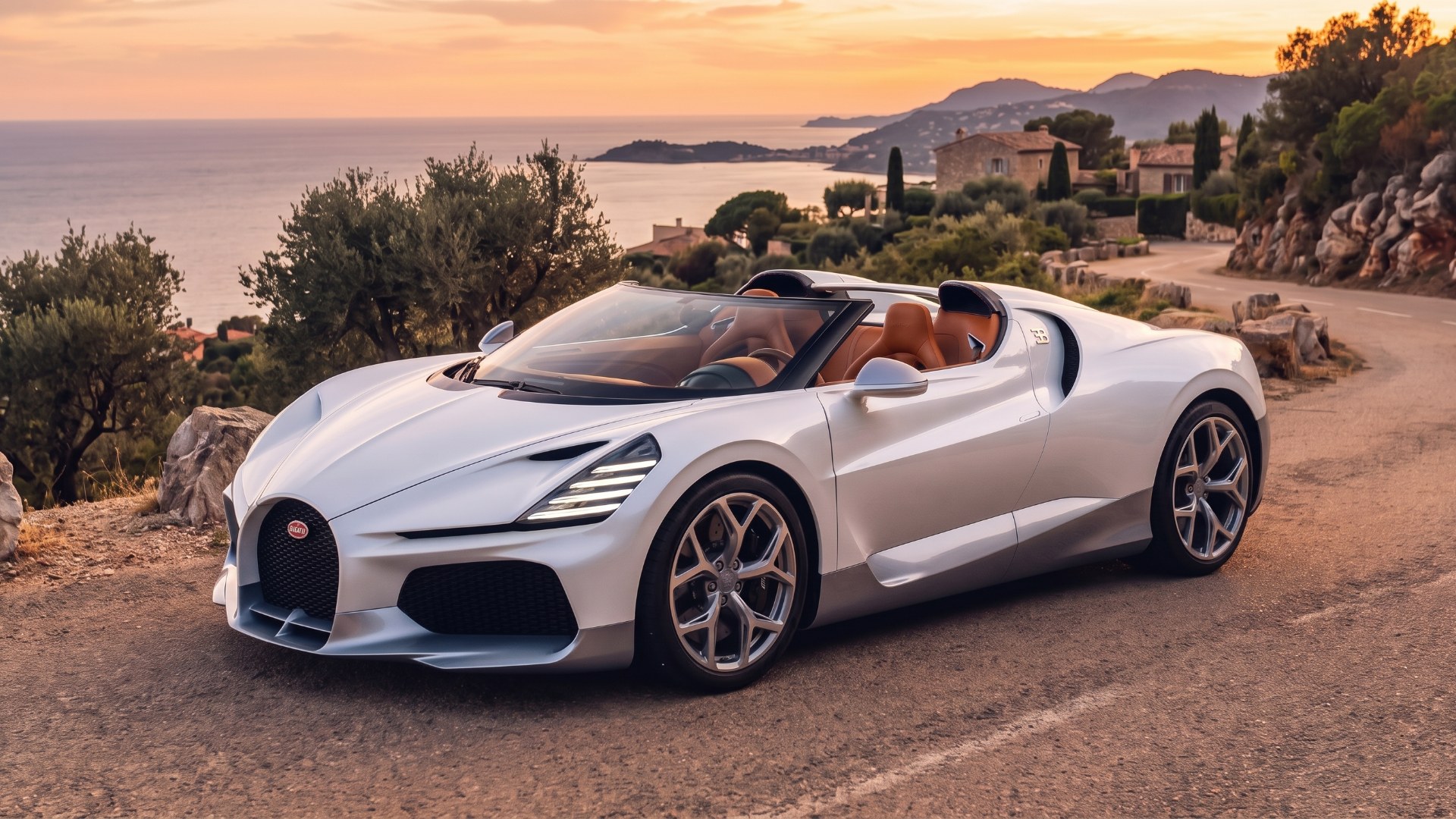
Collector markets tend to like bounded sets. A defined era with a clear beginning, a clear end and a fixed population is easier to understand, easier to catalog and easier to argue about at dinner than an open-ended production run. The W16 era just acquired its closing bracket, and it acquired it in a way that has a date attached to it: September 9, 2026.
The counterweight is service. A Veyron is one of the most maintenance-intensive road cars ever sold, and Chiron ownership is not far behind. Bugatti Rimac continues to support those cars, the Molsheim operation continues, and the people who know these engines have not gone anywhere.
But the balance sheet standing behind long-term parts supply and specialist support is no longer the world’s second-largest automaker. It is a Croatian group and its investors. That is not a prediction of trouble. Rimac has been running Bugatti’s day-to-day operations since 2021, and the cars have been supported throughout. It is, however, a genuine change in the shape of the guarantee, and any serious owner should ask their dealer about long-horizon parts and service commitments.
At a Glance
| What closed | Porsche’s sale of 45% of Bugatti Rimac and 20.6% of Rimac Group |
| Completion date | September 9, 2026, after regulatory clearances |
| Buyer | Consortium led by HOF Capital (New York), BlueFive Capital (Abu Dhabi) largest investor, plus US and EU institutions |
| Reported proceeds | Approximately $1.16 billion to Porsche Group; $291 million allocated to pensions |
| Remaining structure | Rimac Group 55% and in control; BlueFive states a direct 30% plus a board seat and two observer seats |
| In | Mate Rimac as President of Bugatti Automobiles; Marko Brkljačić set to join as COO; Hendrik Malinowski slated to become CCO |
| Out | Christophe Piochon, President of Bugatti Automobiles and COO of Bugatti Rimac |
| Porsche guidance change | 2026 automotive net cash flow margin forecast raised from 3–5% to 5.5–7.5% |
| Unaffected | Tourbillon: 250 units, all allocated, from about $4.4m net, V16 hybrid, built at La Manufacture in Molsheim |
Dollar figures are converted from euros at roughly $1.16 per euro, the rate at the time the deal closed.
Why It Matters
For nearly thirty years, the premise of the modern hypercar was that it needed a parent. Bugatti had Volkswagen. Lamborghini had Audi. Bentley had Volkswagen. The engineering was too expensive, the volumes too small and the regulatory overhead too heavy for a standalone business to carry. So the halo cars lived inside groups that could absorb the cost and bank the prestige.
That premise is now being tested at the very top of the market. Bugatti — the most demanding engineering brief in the industry — is owned by a founder-led Croatian group and a consortium of American and Gulf investors, with no volume carmaker anywhere in the structure. Koenigsegg and Pagani have always run independently, but neither carries the fixed cost of a 1,800 PS V16 program and a French manufacturing site with a château attached.
If it works, it becomes a template, and the capital funding the next generation of hypercars looks less like Wolfsburg and more like Abu Dhabi. If it does not, the industry will conclude that brands of this kind need an industrial parent after all — and there will be very few left willing to be one.
Either way, the Bugatti that emerges from this will be a different company than the one Piëch built. It has fewer people to ask for permission, less money behind it in a crisis, and a founder who now holds every title that matters.
Frequently Asked Questions
Did Porsche sell Bugatti? Porsche sold its 45 percent minority stake in Bugatti Rimac, the joint venture that owns the Bugatti brand, along with its 20.6 percent holding in Rimac Group. It did not own Bugatti outright. Rimac Group held the majority before the sale and still does.
Who owns Bugatti now? Bugatti Automobiles is owned by Bugatti Rimac, which is 55 percent owned by Rimac Group. The remaining 45 percent is held by a consortium led by HOF Capital of New York, with Abu Dhabi’s BlueFive Capital as the largest investor. BlueFive says its own direct holding in Bugatti Rimac is 30 percent.
How much did Porsche get for its stake? Porsche expects proceeds of approximately $1.16 billion from the combined sale of both holdings. $291 million of that has been allocated to strengthening pension obligations. The parties agreed to keep the detailed financial terms confidential.
Is Volkswagen Group still involved with Bugatti? No. Porsche was the last Volkswagen Group entity with an equity interest in Bugatti. With the sale complete, the group’s involvement — which began when Ferdinand Piëch acquired the Bugatti name in 1998 — has ended.
Does this affect the Bugatti Tourbillon? No. The Tourbillon is a Rimac-led program, all 250 examples are allocated, and the La Manufacture facility built for it opened in Molsheim in July 2026. Production and delivery plans are unchanged by the ownership transfer.
Why did Porsche sell? Porsche is in the middle of a severe restructuring. Its 2025 operating profit fell 92.7 percent to about $480 million and its operating margin dropped to 1.1 percent, driven by a 26 percent decline in China, roughly $810 million in US tariff costs and heavy charges tied to a revised EV strategy. Chief executive Michael Leiters has been divesting or closing non-core units all year, and the Bugatti Rimac stake was one of them.
What happens to Veyron and Chiron owners? Bugatti Rimac continues to operate Molsheim and support existing cars, and has done since 2021. The change is at shareholder level rather than in day-to-day operations. Owners of W16-era cars should nonetheless confirm long-term parts and service commitments with their Bugatti dealer as the new structure beds in.