
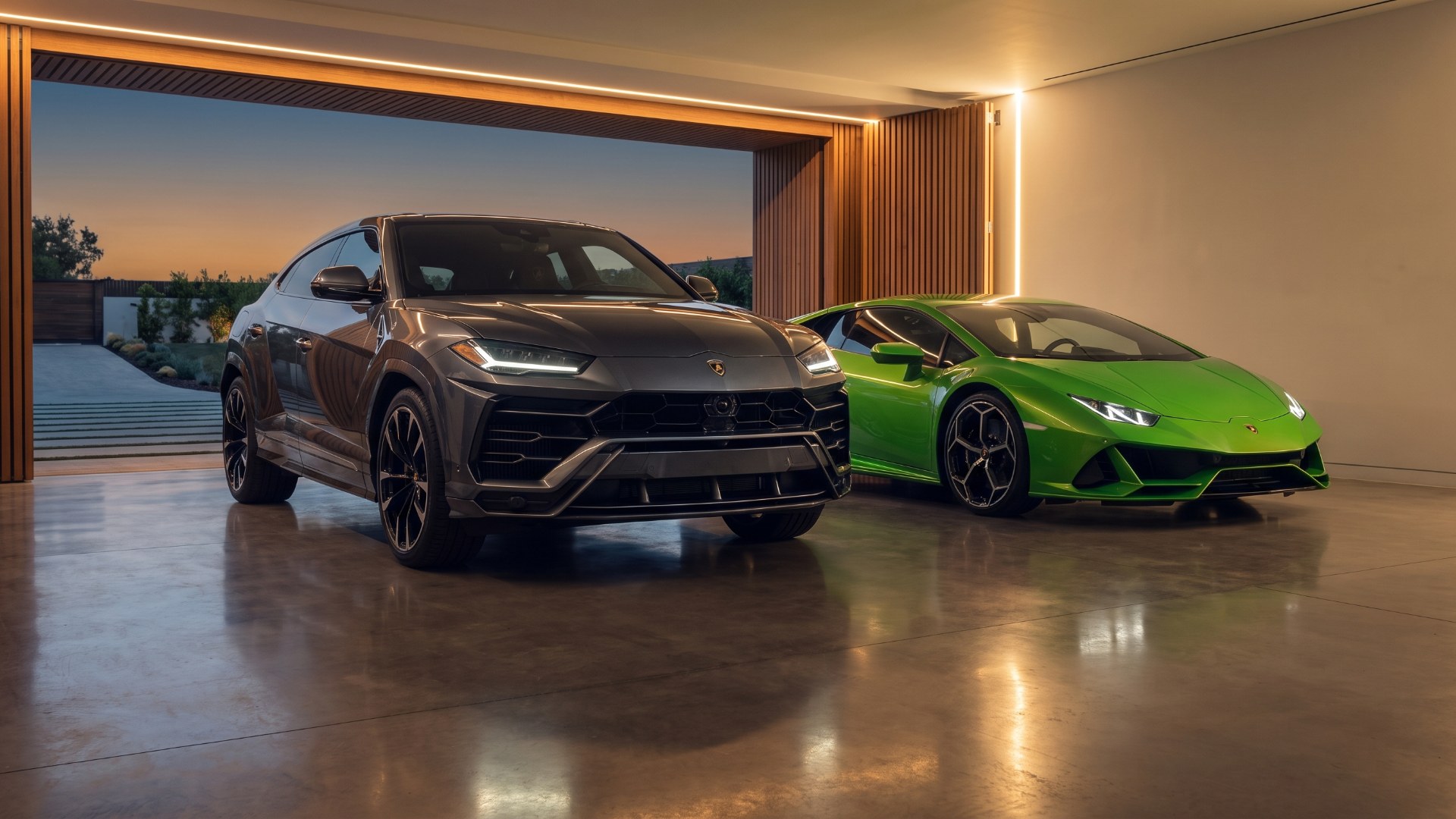
Enthusiasts feared SUVs would dilute the world’s most prestigious performance brands. Instead, practical luxury may have helped give those companies the scale, customers and money to keep building wonderfully impractical cars.
What You Need to Know
- Porsche’s two SUV lines made up about 59% of its 279,449 deliveries in 2025. The 911 was about 18%.
- Lamborghini delivered 3,815 cars in 2017, the year before the Urus reached customers, and 10,747 in 2025. The Urus has run at about 60% of deliveries.
- Aston Martin’s DBX was more than half of core sales in 2021, yet the company still lost about $480 million before tax in 2025. An SUV is a tool, not a cure.
- Ferrari caps the Purosangue at 20% of deliveries and still won’t call it an SUV.
- The purists’ worry about brand dilution isn’t settled: at Porsche and Lamborghini, the practical models now outsell everything else combined.
For a certain kind of enthusiast, the early 2000s brought a genuine sense of betrayal. Porsche — the company of the 356, the 911 and the 550 Spyder — was going to build a two-and-a-half-ton, five-seat, four-door SUV. It would share its bones with a Volkswagen. It would tow a boat.
Twenty-odd years later, the evidence on the exotic SUV points somewhere the purists didn’t expect. The SUV didn’t kill the exotic car. Across Porsche, Lamborghini, Aston Martin and now Ferrari, practical luxury became one of the forces that gave these companies the scale, customers and money to keep building wonderfully impractical machines. The vehicles enthusiasts feared would dilute the sports-car company may have helped keep the sports-car company alive.
That is not the same thing as saying the purists were wrong about everything. We’ll get to that too.
Porsche ran the experiment first
To understand why Porsche did something so apparently sacrilegious, start with how close it came to not mattering at all. In 1992, Porsche posted a loss of 240 million Deutschmarks — roughly $150 million at the time. The Boxster and the water-cooled 996-generation 911 steadied the company later in the decade, but management under chairman Wendelin Wiedeking had already reached an uncomfortable conclusion.
“The sports car had its limits on the market,” is how Porsche’s then–head of communications, Anton Hunger, later summarized the internal analysis in Porsche’s own history of the decision. Two sports-car lines could not guarantee long-term growth. Porsche announced its SUV plans publicly in June 1998, and the Cayenne made its world premiere at the Paris Motor Show in September 2002. Hunger acknowledged “some strong headwinds” from Porsche clubs.
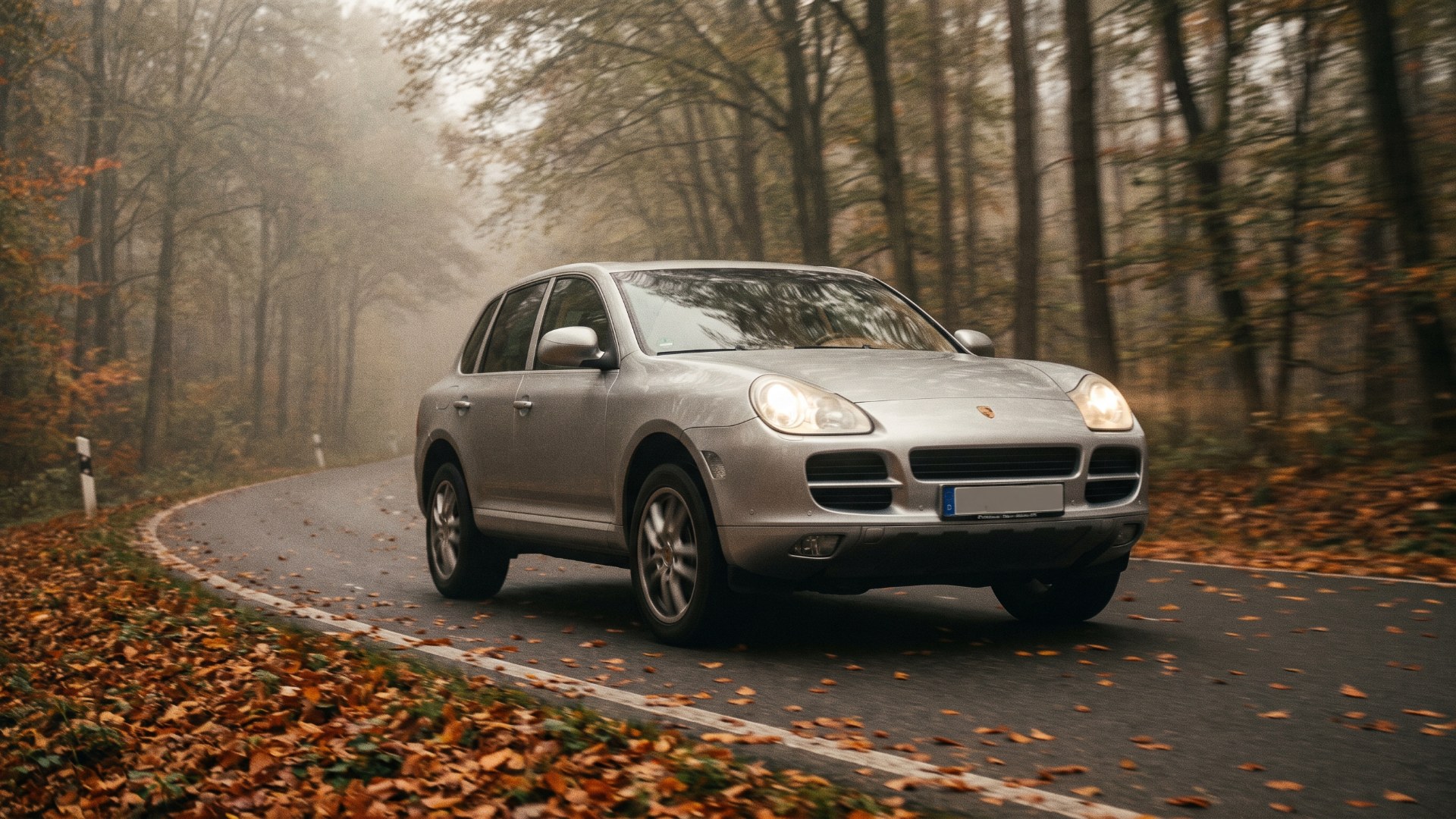
Then the Cayenne went on sale and the argument started to settle itself. The first generation alone accounted for 276,652 units over eight model years, according to Porsche, and the nameplate has since passed one million vehicles produced. It was co-developed with Volkswagen’s Touareg, which meant much of the platform cost was shared — an unglamorous detail that matters enormously when you are a small company trying to fund a large product.
Today the scale is hard to overstate. Porsche delivered 279,449 vehicles worldwide in 2025, according to its year-end delivery report. The Cayenne accounted for 80,886 of them; the smaller Macan SUV, which followed the Cayenne’s template, added 84,328. Together, Porsche’s two SUV lines made up about 59% of its deliveries. The 911 — the car that defines Porsche to most people who love Porsche — accounted for 51,583, or about 18%.
What the “betrayed” company built next
Here is the part of the Porsche story that should make purists smile, or at least squirm a little. The company that was supposedly abandoning sports cars went on to build some of the most extreme sports cars of the modern era.
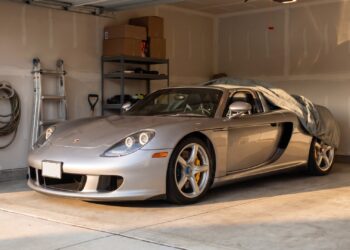
The Carrera GT, with its V10 derived from a racing program and a carbon-fiber chassis, reached customers in 2004, barely a year after the Cayenne went on sale; 1,270 were built. The 918 Spyder followed in 2013, a hybrid hypercar limited to 918 units. Meanwhile, generation after generation of 911 GT3, GT3 RS and GT2 RS grew sharper, louder and more track-focused, culminating in the current GT3 RS with its towering swan-neck wing and active aerodynamics.
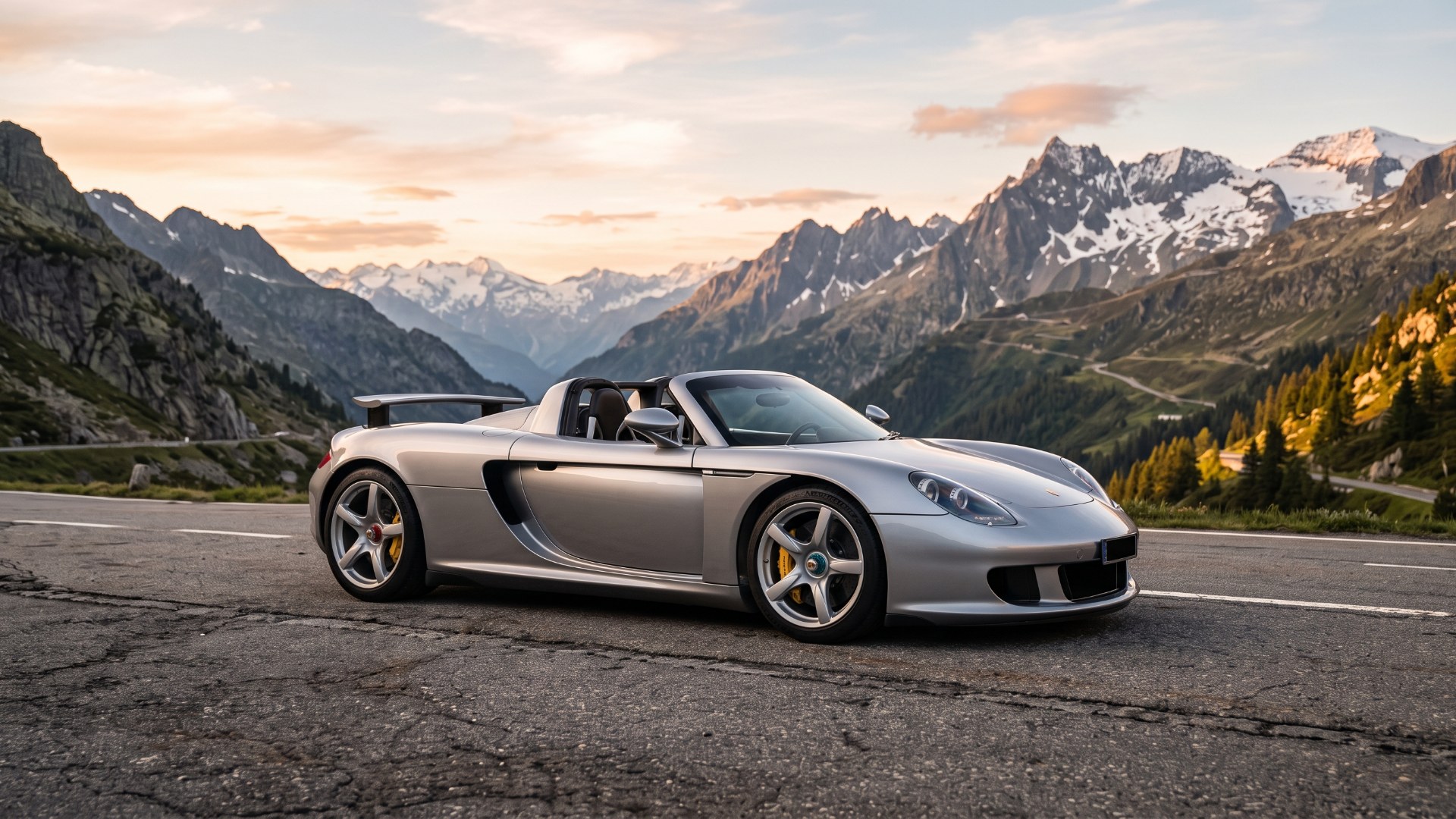
It would be convenient to say the Cayenne’s profits paid for the Carrera GT. There is no public accounting that draws that specific line, and ECN won’t pretend there is. The defensible argument is broader and, frankly, more interesting: a sports-car maker that sells tens of thousands of high-margin SUVs a year is a larger, more resilient, better-capitalized company. That company can afford engineering teams, development cycles and low-volume halo projects that a niche manufacturer living car-to-car would struggle to justify. The SUV didn’t build the GT3 RS. It helped build the company that could.
Lamborghini: the most dramatic before-and-after
If Porsche was the first test, Lamborghini is the cleanest one, because the before and after are so stark.
In 2017, Lamborghini delivered 3,815 cars: 2,642 Huracáns and 1,173 Aventadors. The LM002 off-roader of 1986–1993 aside, it had always been a sports-car company, and that year it crossed €1 billion in revenue (about $1.14 billion) for the first time. The Urus, which Lamborghini bills as a Super SUV, was revealed in December 2017 and reached customers in 2018. Lamborghini delivered 5,750 cars that year, then 8,205 in 2019 — of which 4,962, or about 60%, were Urus SUVs.
That share has stayed remarkably consistent. In 2023, Lamborghini delivered 10,112 cars, and 6,087 were Urus models, again about 60%. In 2025, the company delivered a record 10,747 cars and reported revenue of €3.20 billion (about $3.6 billion) with operating profit of €768 million (about $870 million), a 24% margin, according to parent company Audi’s announcement. Lamborghini did not publish a model-by-model split for 2025, but it named the Urus SE among the key contributors.
In other words, in roughly eight years Lamborghini nearly tripled its annual deliveries and more than tripled its revenue. And it did so while launching the Revuelto, a V12 plug-in hybrid flagship, and the Temerario, a twin-turbo V8 hybrid that revs to 10,000 rpm. Those are not the products of a company that stopped caring about supercars.
Not “or.” “And.”
The fear behind the purist objection was substitution: that every SUV sold was a sports car not sold, and that the company would gradually follow the money away from what made it special. Lamborghini’s numbers suggest something different happened.
The SUV didn’t necessarily steal the supercar customer. It created another occasion to own the brand.
A Huracán is a spectacular car to own and a difficult car to live with every day. It doesn’t do snow, school runs, airport trips with three suitcases, or a dinner for four. Before 2018, a Lamborghini owner who needed to do those things bought a different brand’s SUV. After 2018, the choice was no longer Huracán or a practical luxury SUV. It was Huracán and Urus — both with the bull on the nose, both serviced by the same dealer, both part of the same relationship with the brand.
That distinction matters because it changes the math. Substitution shrinks the sports-car business. Addition grows the whole company while leaving the sports-car business in place.
Aston Martin: the same experiment, a harder result
Aston Martin is the useful counterweight, because its SUV arrived in a crisis rather than at the start of a boom. When the DBX launched in November 2019, priced from £158,000 in Britain (about $204,000 at the time), Aston had reported a £92 million pre-tax loss (about $119 million) for the first nine months of the year and its shares had fallen about 75% that year. Then-CEO Andy Palmer said he couldn’t “emphasise enough how incredibly exciting and significant DBX is for Aston Martin.” The company even consulted a female advisory group on details such as the center armrest and glovebox — a sign of who it hoped to reach.
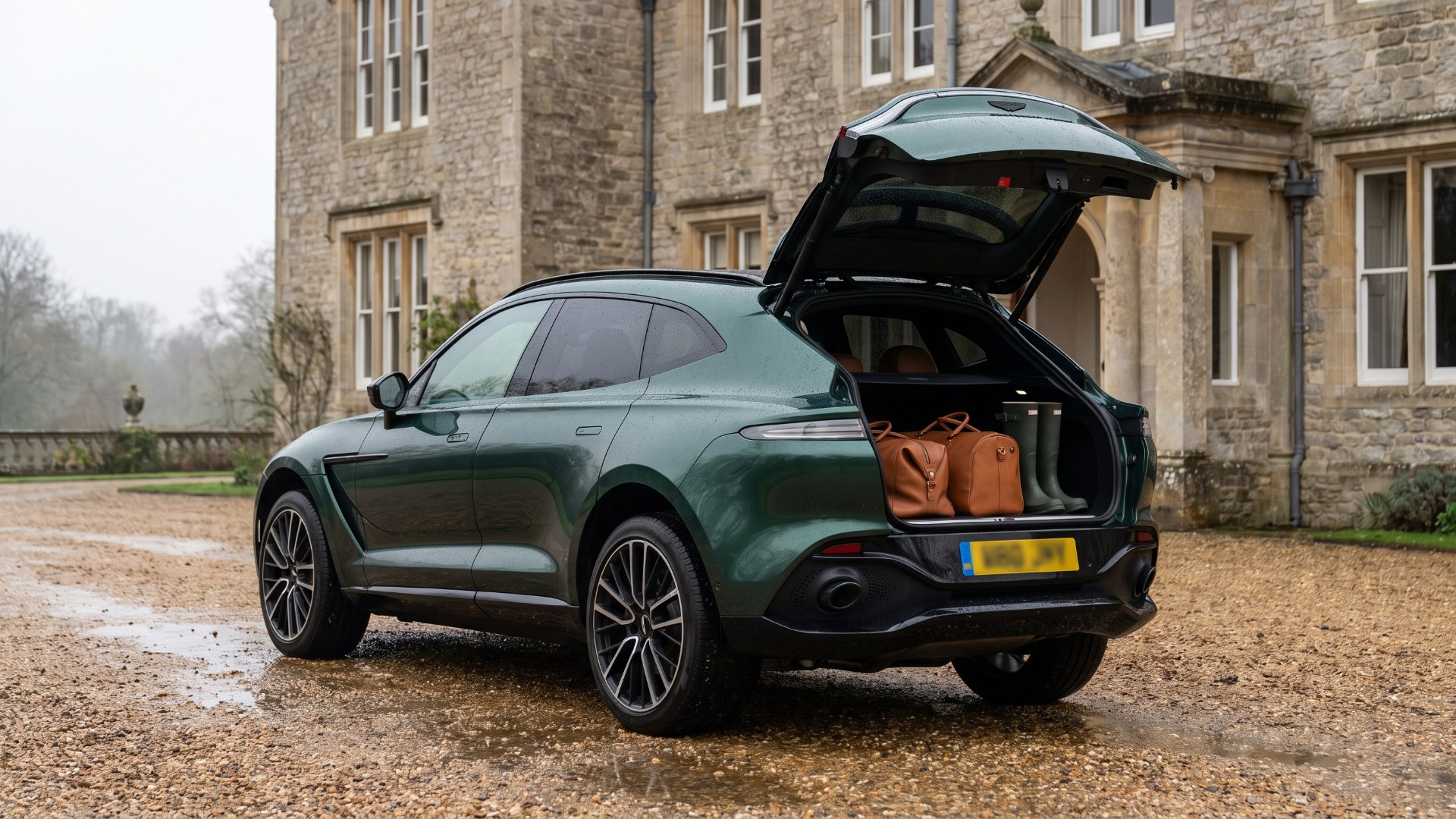
The DBX delivered on volume quickly. In the first nine months of 2021, it accounted for 2,186 of Aston’s 4,250 core sales — more than half. By 2025, the SUV line represented 1,717 of 5,448 wholesale units, about 32%, according to Aston Martin’s full-year results.
But Aston also shows that an SUV is a tool, not a cure. The company’s 2025 revenue fell 21% to £1.26 billion (about $1.66 billion), and it reported a pre-tax loss of £364 million (about $480 million). Debt, tariffs, quality spending and a heavy product program all weigh on the business. What the DBX did do was give Aston a second pillar during the years it was also developing the Valhalla, its mid-engine plug-in hybrid supercar, which began reaching customers in the fourth quarter of 2025. A practical car can widen a company’s base. It cannot, on its own, fix everything else.
Ferrari: “Please don’t call it an SUV”
Ferrari resisted longer than anyone, and more colorfully. In 2016, then-CEO Sergio Marchionne said someone would have to “shoot me first” before Ferrari built a crossover. When the Purosangue arrived in September 2022, CEO Benedetto Vigna drew a firm line around the vocabulary. “Please don’t call it an SUV, because it isn’t,” he said, as Fortune reported at the time. “It’s a Ferrari.”
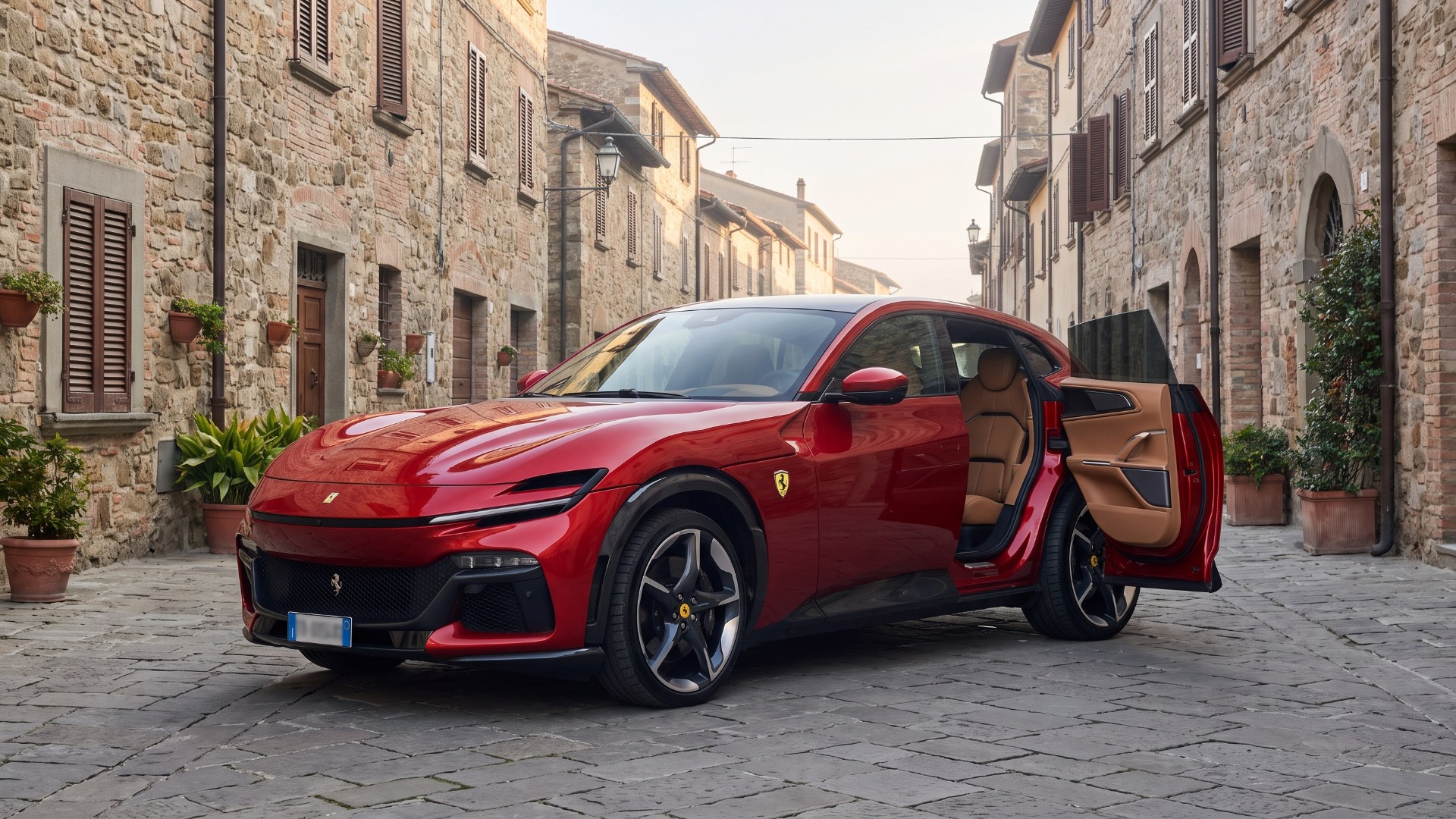
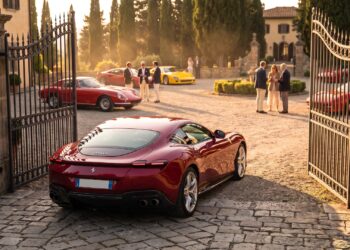
There is a real engineering argument behind that position. The Purosangue uses a front-mid-mounted, naturally aspirated V12 of about 715 horsepower rather than a turbocharged or hybrid powertrain, and Ferrari tuned it to drive like a Ferrari first. Whatever we call it, though, the existence of a four-door, four-seat, all-wheel-drive Ferrari tells us something profound about where the luxury market went. Even the most disciplined exotic brand in the world concluded it needed a car for the days when a two-door Ferrari doesn’t fit the plan.
Ferrari also built in a guardrail no other brand here has adopted. Vigna said the Purosangue would never exceed 20% of Ferrari’s total deliveries. Demand ran ahead of that ceiling quickly enough that Ferrari paused new Purosangue orders in 2023 before reopening them. On Ferrari’s 2025 shipments of 13,640 cars, that cap works out to a maximum of roughly 2,700 Purosangues a year — meaningful, but deliberately prevented from becoming the company.
And the company it protects is doing extremely well. Ferrari reported 2025 net revenues of €7.15 billion (about $8.1 billion), operating profit of €2.11 billion (about $2.4 billion) and a 29.5% EBIT margin in its full-year results. It also began deliveries of the F80, its hybrid hypercar, in the fourth quarter of that year.
The SUV became the gateway to the exotic brand
Here is the question that may matter most for the long-term health of these companies: are the practical models bringing in people who would never have bought the brand otherwise?
The best early evidence comes from Lamborghini. In March 2018, then-CEO Stefano Domenicali told CNBC that about 70% of Urus buyers had never owned a Lamborghini before, and the company reported more interest from women buyers and from markets where poor roads had always limited supercar sales. More recently, Porsche Cars Australia said in September 2026 that the “larger majority” of early Cayenne Electric customers there are new to Porsche, as Australian outlet CarExpert reported. Ferrari doesn’t break out Purosangue buyers, but Vigna has said that about 40% of new Ferrari clients are now under 40.
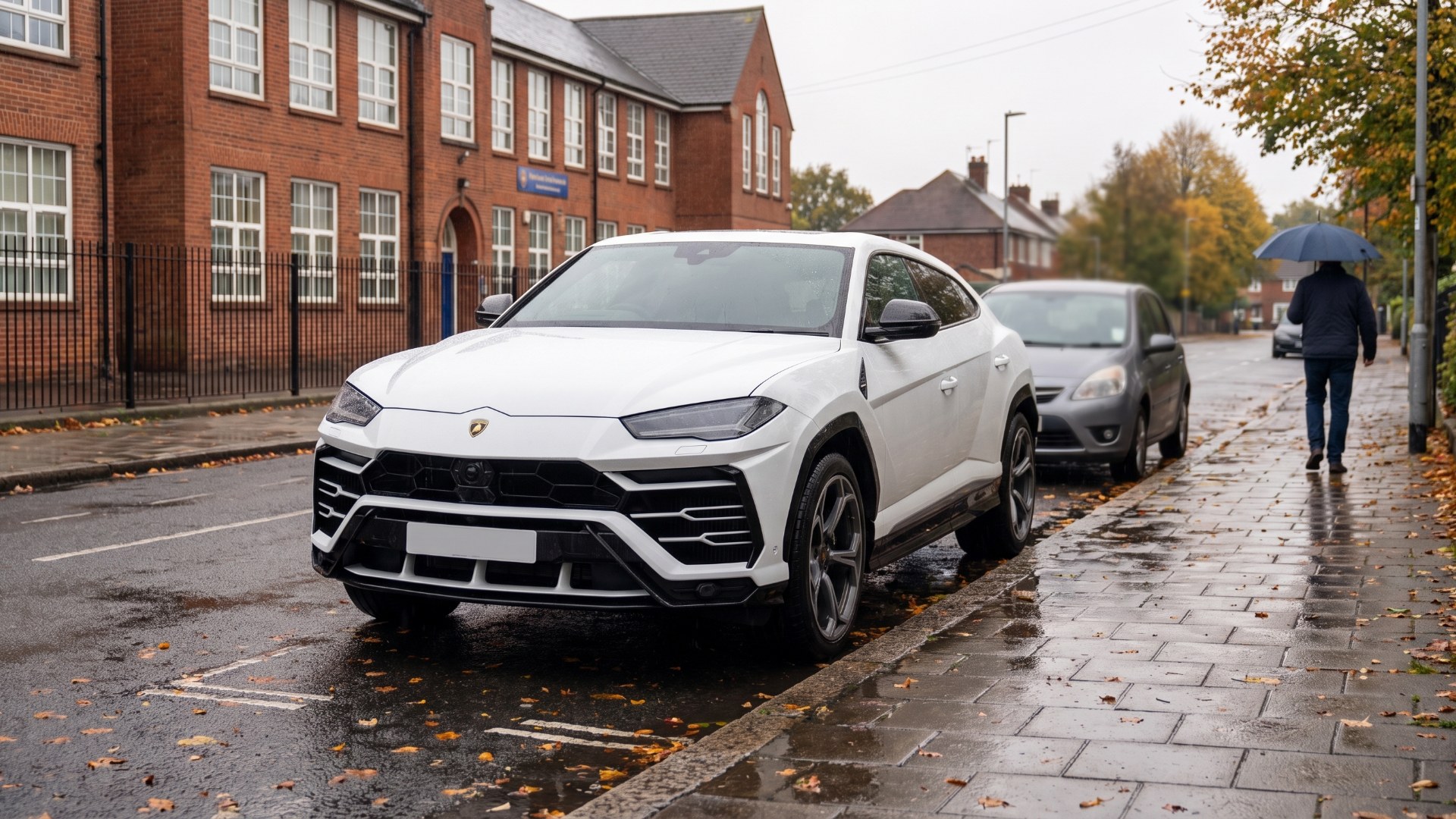
Consider who that customer is. Someone who would never tolerate a Lamborghini supercar as their only car can live with an Urus. It takes the children to school, handles bad weather, carries luggage and still puts the Lamborghini badge in the garage. Now that customer is inside the ecosystem: a dealer relationship, an owner event invitation, a personalization program. Lamborghini says 94% of the cars it delivered in 2025 were personalized in at least one element through its Ad Personam program, which CEO Stephan Winkelmann called “a central value creation lever.”
That opens a fascinating customer-lifetime-value path. It might run Urus to Huracán or Temerario, then to special editions, deeper personalization, events and another Lamborghini. Or Cayenne to 911, to a GT car, and eventually to a collector relationship with the brand. Not every buyer follows that ladder, obviously, and none of these companies publishes data on how many do. But the business logic is clear: the first car a customer buys from a brand no longer has to be the most demanding one.
Were the purists actually wrong?
Maybe not entirely.
Brand dilution is a legitimate concern, not just snobbery. A badge earns its meaning from the cars that wear it. If SUVs become the dominant vehicles carrying an exotic badge, the badge itself starts to mean something different. For a generation, the first encounter with Lamborghini was a Countach poster on a bedroom wall. For a growing number of people, it may be an Urus in the school pickup line.
Does that visibility strengthen the brand by putting it in front of more people every day? Or does it gradually make the brand less exotic, simply because exotic means rare and the SUV is, by design, the least rare thing the company makes? Both can be true at once. A brand can become more successful and less mysterious at the same time.
What happens when the supporting act becomes the main act?
This is where the conversation shifts from cars to identity. At Lamborghini, the Urus has represented roughly six of every ten deliveries for most of its life. At Porsche, SUVs account for nearly six of every ten. Only Ferrari has written a ceiling into its strategy.
So which is it? Is Lamborghini a sports-car manufacturer that happens to sell SUVs, or a luxury company primarily selling SUVs whose sports cars serve as the halo? By volume, the second description is getting harder to dismiss. By engineering ambition, brand identity and the products that make people care, the first still holds. The honest answer may be that these companies are now both, and that the sports car’s job has quietly expanded: it still has to be magnificent, but it also has to give the badge on the SUV its meaning.
The numbers: imagine the industry without them
Now try the counterfactual. No Cayenne. No Urus. No DBX. No Purosangue.
Nobody can know what these companies would have done instead. Perhaps they’d have found other growth, or stayed small and healthy, or not. But the companies’ own figures show how much of their current scale runs through practical models.
| Brand | Practical model | Volume | SUV share | Financials |
|---|---|---|---|---|
| Porsche | Cayenne (2002), later Macan | 279,449 deliveries in 2025 | About 59% (Cayenne 80,886 + Macan 84,328); 911 about 18% | Posted a DM 240 million loss (roughly $150 million) in 1992, before the SUV decision |
| Lamborghini | Urus (2017) | 3,815 deliveries in 2017; 10,747 in 2025 | About 60% in both 2019 and 2023 | Revenue about $1.14B in 2017; about $3.6B in 2025, with a 24% operating margin |
| Aston Martin | DBX (2019) | 5,448 wholesales in 2025 | More than 50% of core sales in Jan.–Sept. 2021; about 32% in 2025 | 2025 pre-tax loss of about $480M; Valhalla deliveries began Q4 2025 |
| Ferrari | Purosangue (2022) | 13,640 shipments in 2025 | Capped by Ferrari at 20% of deliveries (about 2,700 a year at 2025 volume) | 2025 revenue about $8.1B; 29.5% EBIT margin |
Sources: company delivery and results releases cited below. Shares are ECN calculations from reported unit figures. USD conversions are approximate.
Take the SUVs out of that picture and Lamborghini looks a lot more like its 2017 self, delivering fewer than 4,000 cars a year. Porsche loses well over half its volume. Aston Martin loses roughly a third of an already stretched business. Then ask what those smaller companies would have spent on engineering, how many dealers would remain viable, and how many limited-run hypercars they could have justified. The data doesn’t prove an alternate history. It does show how much weight the practical cars now carry.
The delicious irony
Twenty-five years ago, enthusiasts worried that putting a Porsche badge on an SUV would destroy what Porsche stood for. Lamborghini heard similar objections. Aston Martin did too. Ferrari spent years insisting it wouldn’t build an SUV — and, technically, still insists it hasn’t.
Yet the great irony of the exotic SUV may be that the vehicle enthusiasts feared would destroy the sports-car company became one of the products that made the modern sports-car company possible.
The Cayenne can carry groceries. The Urus can handle the school run. The DBX has room for luggage. The Purosangue has four doors.
And somewhere behind them, the 911 GT3, the Revuelto, the Valhalla and Ferrari’s next ridiculous machine get to remain completely impractical.
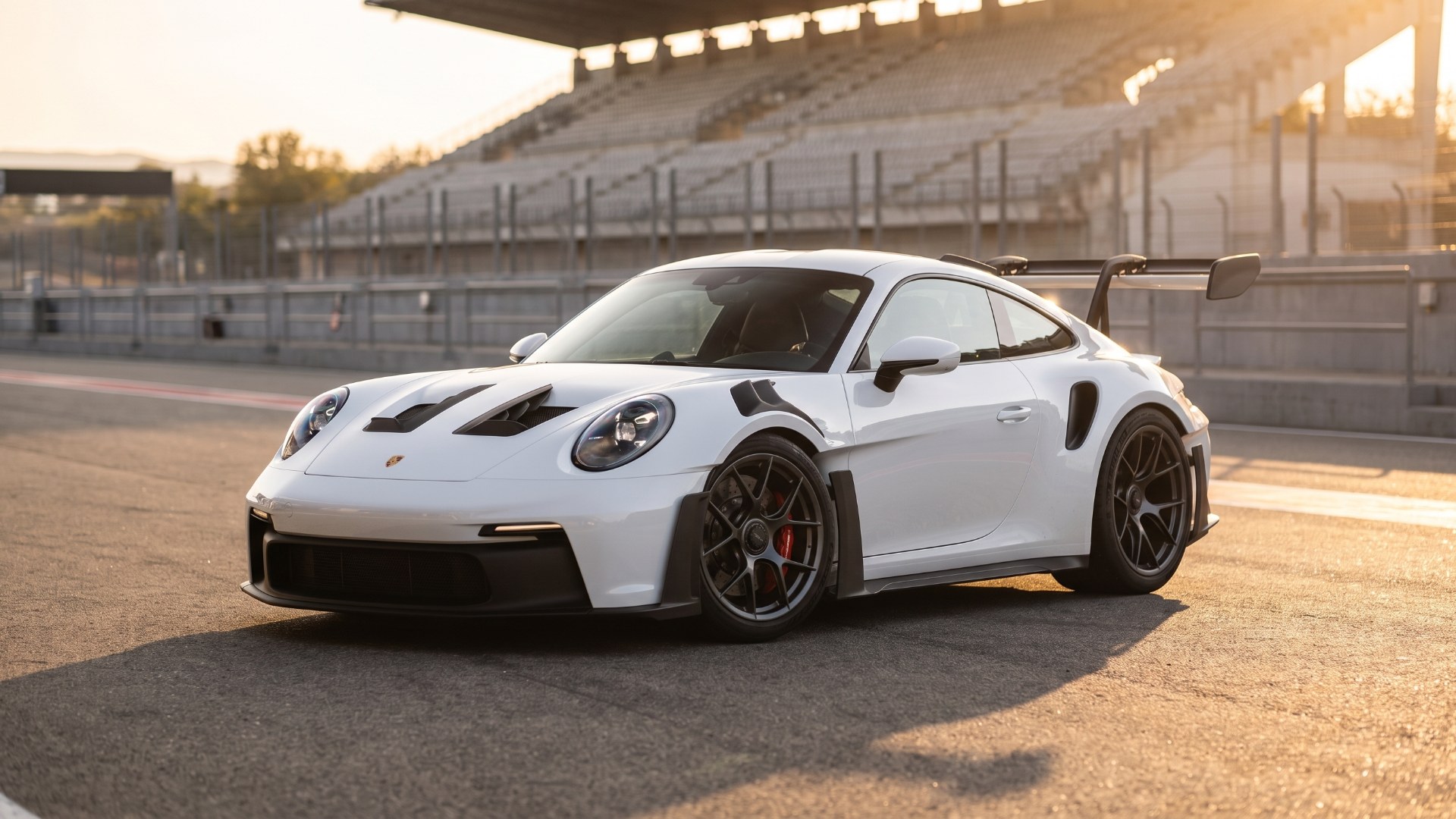
The practical cars enthusiasts didn’t want may be what keeps the impractical cars they love on the road.
More from ECN: Can an Escalade Really Be an Exotic Luxury Vehicle? · The Worst Thing You Can Do to Some Supercars Is Drive Them
Images: Exotic Car News. All vehicle images in this article, including the lead image, are editorial illustrations, not manufacturer, press or event photography.
Currency note: euro figures are converted at the European Central Bank’s 2025 average of about $1.13 per euro (2017 figures at that year’s similar average), and pound figures at about $1.32 per pound. Conversions are approximate and not inflation-adjusted. The 1992 Deutschmark figure and Aston Martin’s 2019 figures use the approximate exchange rates of those years.
Sources
- Porsche Newsroom — The origin: why Porsche announced an SUV in 1998
- Porsche Newsroom — Porsche delivers 279,449 sports cars to customers in 2025
- Audi — Automobili Lamborghini consolidates growth in 2025
- Lamborghini — 2018 record-breaking year with 5,750 vehicles delivered
- Lamborghini — Over 10,000 cars delivered (2023)
- Aston Martin Lagonda — Preliminary results FY2025
- Ferrari N.V. — FY 2025 results press release
- Fortune — Ferrari unveils the Purosangue (September 2022)
- Al Jazeera — Aston Martin launches SUV hoping for U-turn in fortunes (November 2019)
- CNBC — Lamborghini’s 2019 sales jump 43%, driven by its Urus SUV