
A luxury brand can launch with an expensive car. Giving buyers a reason to care takes something more.
That is what makes the Vision BMW ALPINA interesting. A long, low coupe gives BMW a chance to express its ambitions for ALPINA in a shape people might remember before they ever learn its specifications.
A production BMW ALPINA coupe may now be on the table. Autocar reports that executives want to put the concept into production, with insiders describing approval as the brand’s “M1 moment.” The magazine also understands that no final decision has been made, so for now the coupe remains a proposal, not an announced addition to the lineup.
The more compelling question is what BMW would accomplish by building it.
Confirmed, reported and still unknown
- Confirmed by BMW: a one-off design study, revealed May 15, 2026, with a V8, a 204.7-inch body, seating for four adults and 22-inch front/23-inch rear 20-spoke wheels.
- Confirmed by BMW: the first BMW ALPINA model, inspired by the 7 Series, arrives in 2027.
- Reported by Autocar (Nov. 9, 2026): executives want the coupe built; it has not been approved.
- Not announced: price, output, production volume or timing for any production coupe.
A shape that gives the badge a purpose
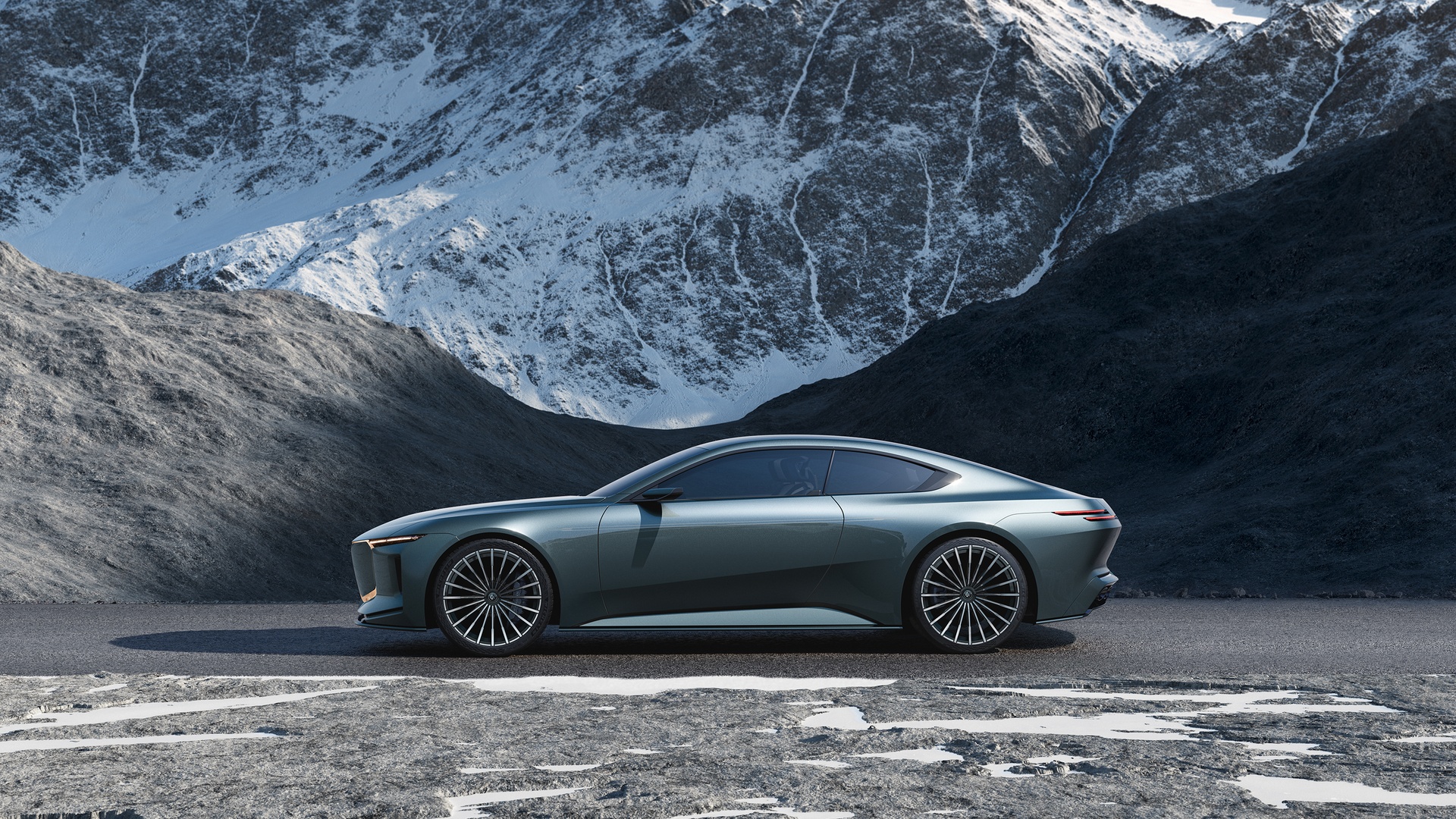
BMW revealed the Vision BMW ALPINA at the Concorso d’Eleganza Villa d’Este in May and calls it a one-off design study. Its forward-leaning “shark nose” and flowing roofline give it the proportions of a substantial grand tourer.
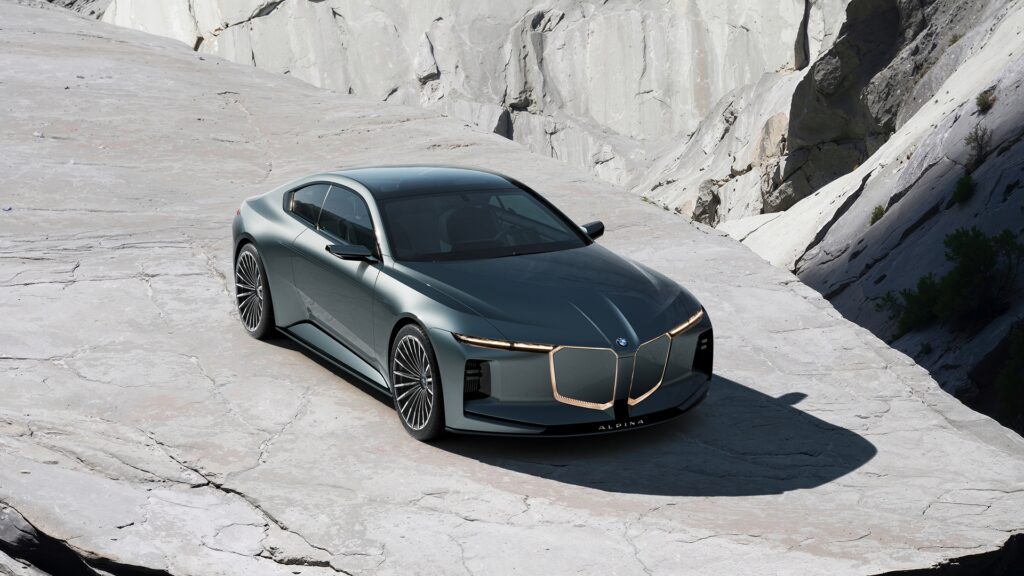
The familiar ALPINA details are there: 20-spoke wheels, a design the brand has used since 1971; deco lines, here painted beneath the clear coat; and four elliptical exhaust outlets. BMW also ties the design directly to the B7 coupe ALPINA built on the E24 6 Series in the late 1970s.
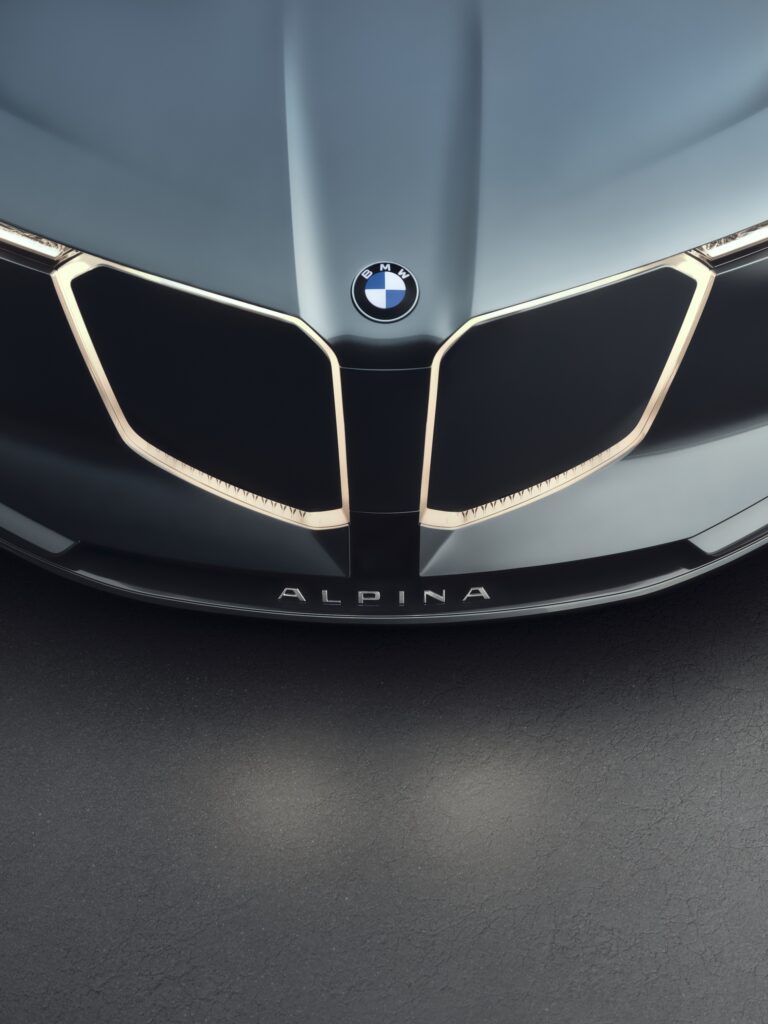
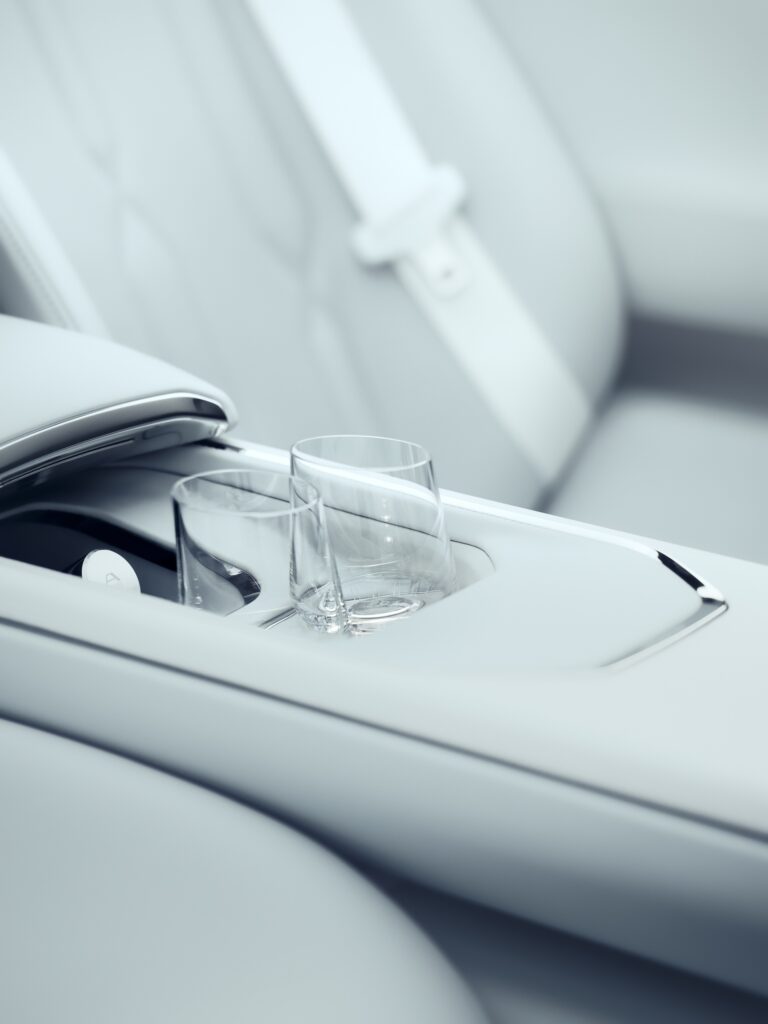
That connection matters. Heritage becomes useful when it gives a new product a coherent point of view. BMW’s own telling of ALPINA’s history includes founder Burkard Bovensiepen adding padding to a racing driver’s seat while rivals were stripping weight, on the theory that a comfortable driver is a faster one. A contemporary ALPINA coupe could draw on that idea: a car built for covering distance with composure, giving its owner something to enjoy beyond a dramatic arrival.
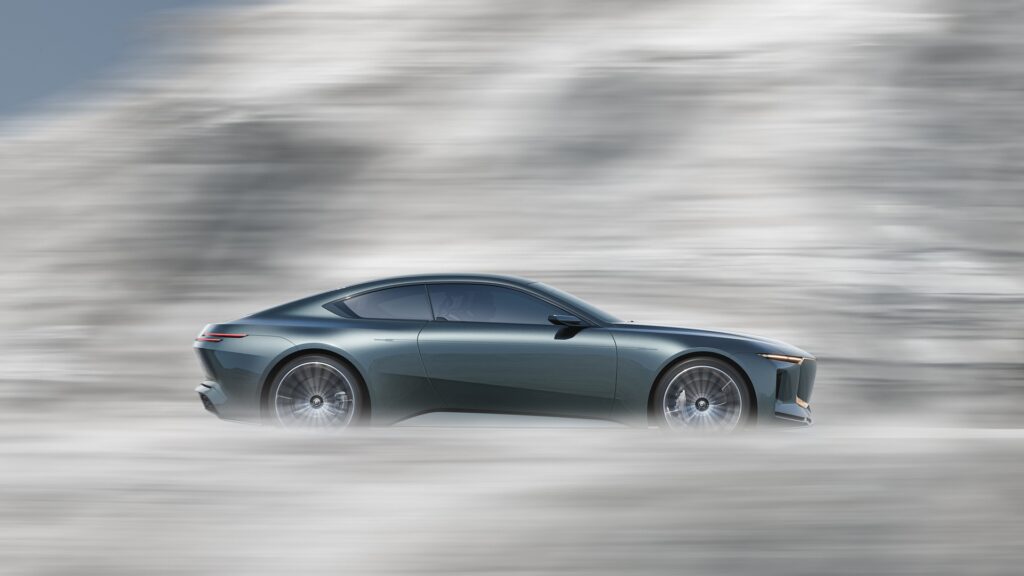
The challenge would be carrying that promise into the driving experience. How the car settles after a bump, how naturally its controls respond and how relaxed its occupants feel after several hours would matter as much as the first impression. The concept at least signals the priority: it keeps ALPINA’s Comfort+ setting, which goes beyond standard BMW comfort tuning.
Those qualities are harder to convey in a launch photograph. They are also the qualities that could make the car worth owning.
The opportunity between BMW and Rolls-Royce
“BMW ALPINA fills a gap in our portfolio between BMW and Rolls-Royce,” Oliver Viellechner, head of BMW ALPINA, said in BMW’s announcement of the concept. BMW has confirmed that the first model of the new era, inspired by the 7 Series, is due in 2027, and a camouflaged prototype has already exceeded 186 mph at Nardò.
A BMW ALPINA coupe could give that positioning its clearest expression.
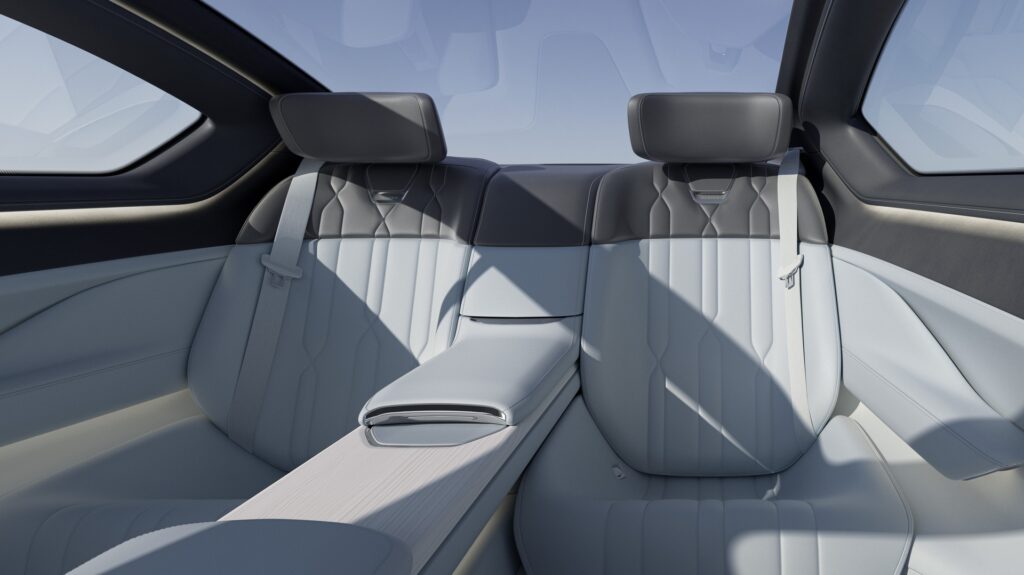
Buyers at this level have abundant ways to purchase power, leather and technology. The harder proposition is persuading them that a particular combination deserves their attention, and a substantial premium.
Our view is that a flagship ALPINA would earn its place through consistency. The styling, seating, suspension and power delivery would all need to suggest the same kind of ownership experience. A handsome exterior would create interest; the rest of the car would have to sustain it.
A recognizable silhouette could help establish that identity across the wider range. Even customers choosing a sedan could understand the brand more clearly because the coupe exists.
Desire still needs a business case
Enthusiasm for a concept is an encouraging beginning. A production commitment asks much more of both the manufacturer and its customers.
The engineering would not be simple. BMW calls the concept a one-off design study, and turning a show car into a road car means meeting crash, emissions and durability requirements, then supporting what would likely be a low-volume model for years.
There is precedent. BMW turned the Skytop, a 2024 Villa d’Este study, into a 50-car production run.
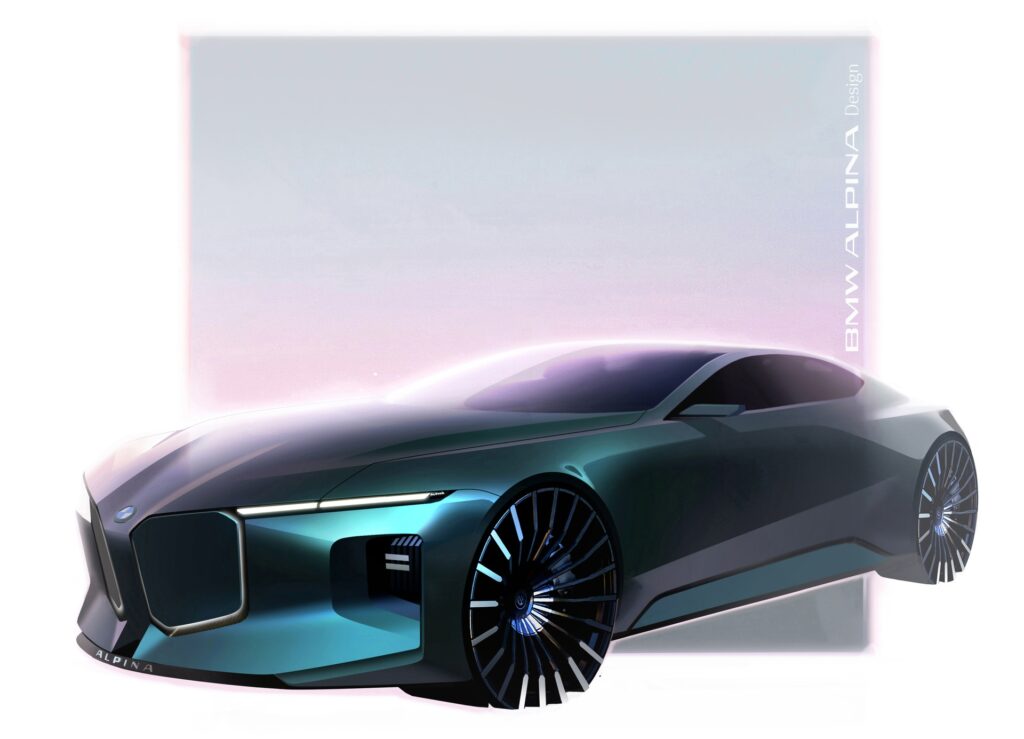
BMW would need to decide how much of the concept’s character could survive the demands of building, supporting and selling a road car. Prospective buyers, meanwhile, would need to turn admiration into orders at a price that supports the project.
We should resist treating those decisions as settled. A limited run might suit an exclusive flagship, but scarcity alone would say little about how satisfying the finished car is, or what it might eventually be worth.
For a collector, the important questions would concern the final specification, execution and significance within ALPINA’s history. Those answers would emerge from the production car, if BMW approves one.
A flagship worth getting right
The best argument for building the Vision BMW ALPINA is the clarity it could bring.
The ambition is to make ALPINA stand for a complete idea of luxury motoring: an inviting cabin, confident performance and a body that makes an ordinary journey feel worth taking.
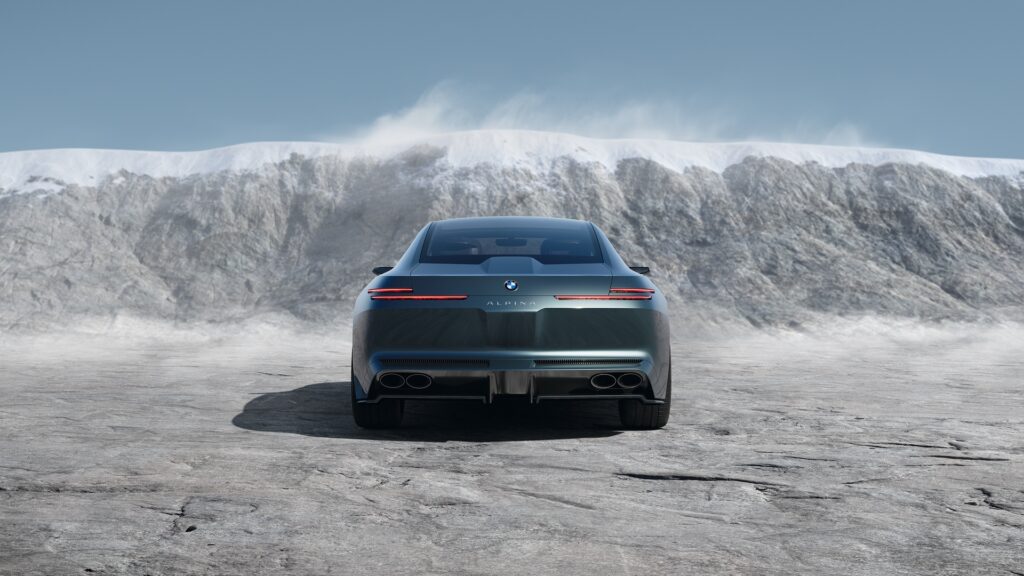
The Vision BMW ALPINA gives that ambition a recognizable shape. Building it would commit BMW to delivering the comfort, craftsmanship and effortless performance the design promises.
A flagship coupe would give the rest of the range something to live up to. That may be its strongest business case.