
The world’s most exclusive showrooms are busier than ever — but the money in the luxury and exotic vehicle marketplace is moving in surprising new directions. Here’s what the 2025–2026 numbers reveal about who’s buying, what’s hot, and where the smart money is parking its horsepower.
Table of Contents
Key Takeaways: The Luxury & Exotic Market at a Glance
- The global luxury car market is valued at roughly $603 billion in 2026 and is projected to reach nearly $818 billion by 2031 (6.28% CAGR).
- Monterey Car Week 2025 posted $432.8 million in auction sales — the second-highest total in its history — with modern supercars setting records.
- Lamborghini delivered a record 10,747 vehicles in 2025; Ferrari sold 13,640 cars while pushing revenue to €7.15 billion.
- The collector market has shifted dramatically newer: the average model year of $1M+ auction cars is now 1984, up from 1972 just five years ago.
- Buyers in 2026 are selective, not speculative — exceptional, documented cars command premiums while ordinary examples sit.
A Market That Refuses to Slow Down — Selectively
If you only read the headlines, you might think the exotic car world spent the past two years bracing for a crash that never came. The reality on the ground — from the auction tents of Pebble Beach to the digital bidding wars playing out on collectors’ laptops at 2 a.m. — is more interesting. The luxury and exotic vehicle marketplace didn’t cool off in 2025 and 2026. It grew up.
The global luxury car market stands at an estimated $603.3 billion in 2026, on track for $817.9 billion by 2031, according to Mordor Intelligence. SUVs still do the heavy lifting with over 55% of luxury volume, but the fastest-growing slice is the one enthusiasts care about most: the ultra-luxury segment, expanding at 7.9% annually — faster than the market as a whole.
In plain English: the top of the pyramid is growing quicker than the base. The wealthy aren’t just buying more cars. They’re buying better supercars, hypercars, and ultra-luxury machines.
The Exotic Brands: Records Behind the Velvet Rope
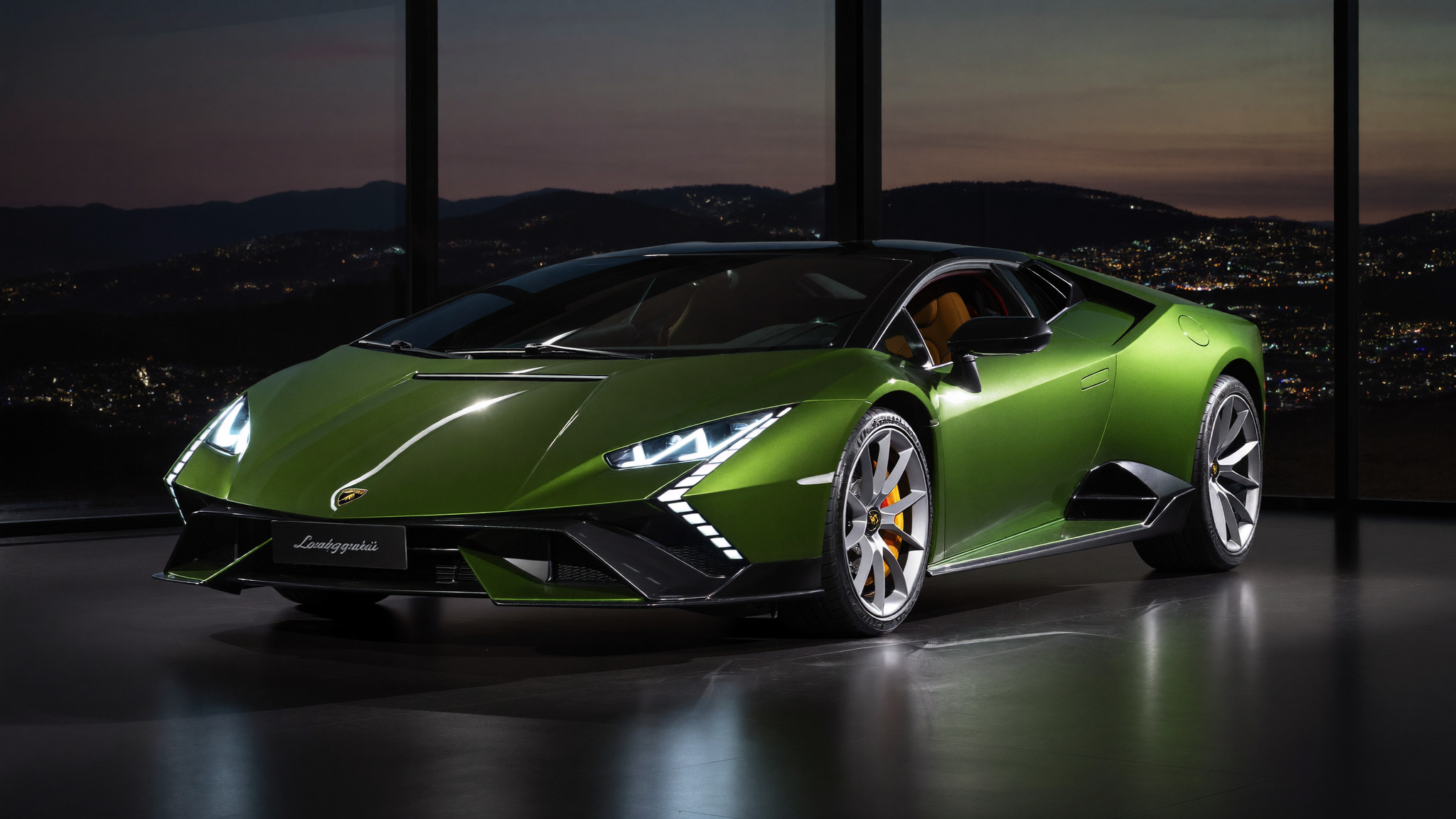
Sant’Agata Bolognese had another champagne year. Lamborghini delivered a record 10,747 vehicles in 2025 — nearly triple its 2015 volume — with the Urus doing much of the heavy lifting and the new hybrid Temerario arriving with order books already covering roughly twelve months of production. A decade ago, Bentley outsold Lamborghini four to one. Today, the raging bull outsells the flying B.
Maranello played a different game entirely. Ferrari shipped 13,640 cars in 2025 — actually a hair fewer than 2024 — yet revenue climbed to €7.15 billion and net profit hit €1.6 billion. That’s the ultra-luxury playbook in one sentence: sell fewer cars, make more money. Personalization, special series, and disciplined scarcity mean each Ferrari leaving the gates carries more margin than ever. The United States remains Ferrari’s single largest market, absorbing nearly a quarter of global production.
The lesson for the marketplace? Scarcity is the product. The brands that ration best, win biggest.
The $432 Million Week: What Monterey Told Us
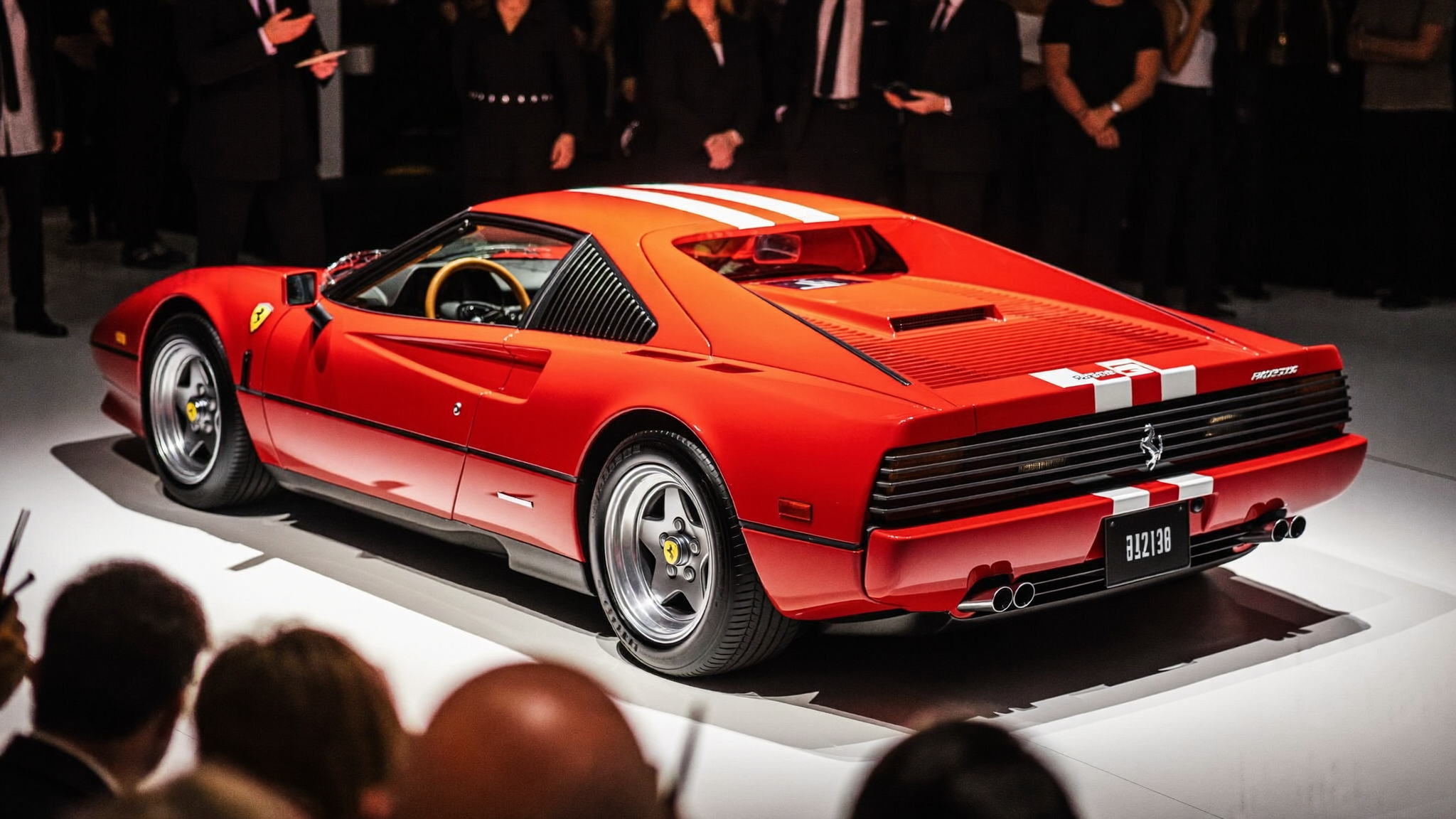
Every August, Monterey Car Week serves as the collector market’s annual physical exam. The 2025 checkup came back strong: $432.8 million in total sales across five auction houses, per Hagerty — the second-highest result in Monterey history — with a healthy 76% sell-through rate and an average sale price of $529,035.
Look closer, though, and the story isn’t “everything is up.” It’s “the right things are up.”
Eight of the top ten sales were Ferraris, led by a Daytona SP3 charity lot at $26 million and a 1961 250 GT SWB California Spider at $25.3 million. But the fireworks came from the modern era: a Ferrari F40 LM nearly doubled its previous record at $11 million, a Maserati MC12 brought $5.2 million, and a Koenigsegg CCXR that sold for $825,000 in 2015 hammered at $3.2 million. Meanwhile, once-reliable staples like the Mercedes-Benz 190SL averaged 21% below estimate, and restoration projects were left standing on the block.
Selectivity is the new exuberance. The pandemic-era tide that lifted every boat has gone out — and the boats still floating are the exceptional ones.
The Great Generational Handover
Here is the single most important trend in the entire marketplace, and it fits in one statistic: the average model year of cars selling for $1 million or more is now 1984 — a full twelve years newer than just half a decade ago, according to Hagerty data.
Why? The buyers changed.
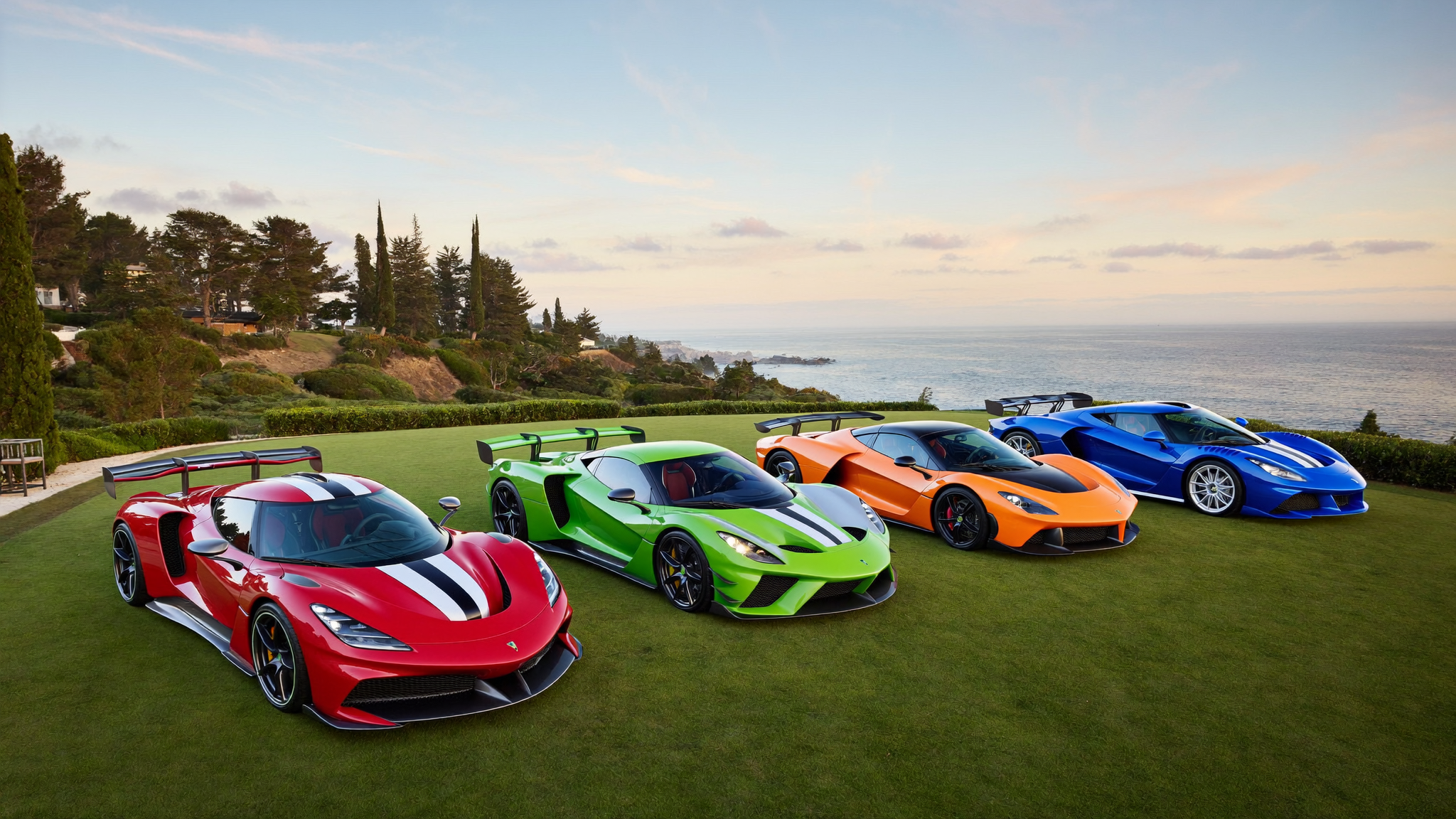
Baby Boomers, long the market’s backbone, still account for roughly 36% of purchases and continue to anchor the chrome-and-V8 classics. But Gen X — now commanding 33% of new collector purchases and 40% of used — grew up with Countach posters and Gran Turismo save files, and they’re buying accordingly: 1980s and ’90s Japanese performance icons, analog supercars, and youngtimer legends. Millennials and Gen Z, whose participation is growing roughly 20% per year through digital platforms, skew even newer, chasing limited-run modern exotics and hypercars.
As Hagerty’s John Wiley put it, younger buyers are shifting “the top end of the market nearly a decade newer.” The poster car theory has never been more literal: people buy the cars they dreamed about at fourteen. The fourteen-year-olds just keep getting younger.
The Exotic Vehicle Marketplace Goes Digital — and Global

A seven-figure car purchased sight-unseen from a phone would have sounded reckless in 2015. In 2026, it’s a Tuesday. Online auction platforms now move billions of dollars in exotic and collector metal every year, and the traditional gatekeepers have responded by going hybrid, streaming live bidding to a global audience.
Geography is shifting too. Asia-Pacific now represents the largest share of the global luxury car market at roughly 43%, while the Middle East is the fastest-growing region at nearly 8% annually. Direct-to-consumer channels, though still small next to franchised dealers, are the fastest-expanding way to buy. The exotic vehicle marketplace of 2026 is borderless, always-on, and increasingly transparent — every sale price public, every spec sheet scrutinized by thousands.
That transparency cuts both ways. Buyers in 2026 are patient, forensic about documentation, and allergic to overpriced ordinary cars. Sellers still anchored to 2022 peak pricing are learning expensive lessons; sellers with pristine, well-documented examples are still setting records. It’s also why curated sourcing has become the quiet power move — platforms like ExoticMotors.com specialize in exactly the collector-grade, documentation-first inventory today’s buyers demand.
What’s Hot for the Rest of 2026
Based on current marketplace observations and expert forecasts, these segments are carrying momentum through 2026:
- Modern limited-run V12s — Ferrari 812 Competizione, F12tdf and their ilk command serious premiums over standard production cars.
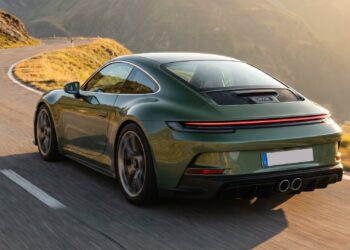
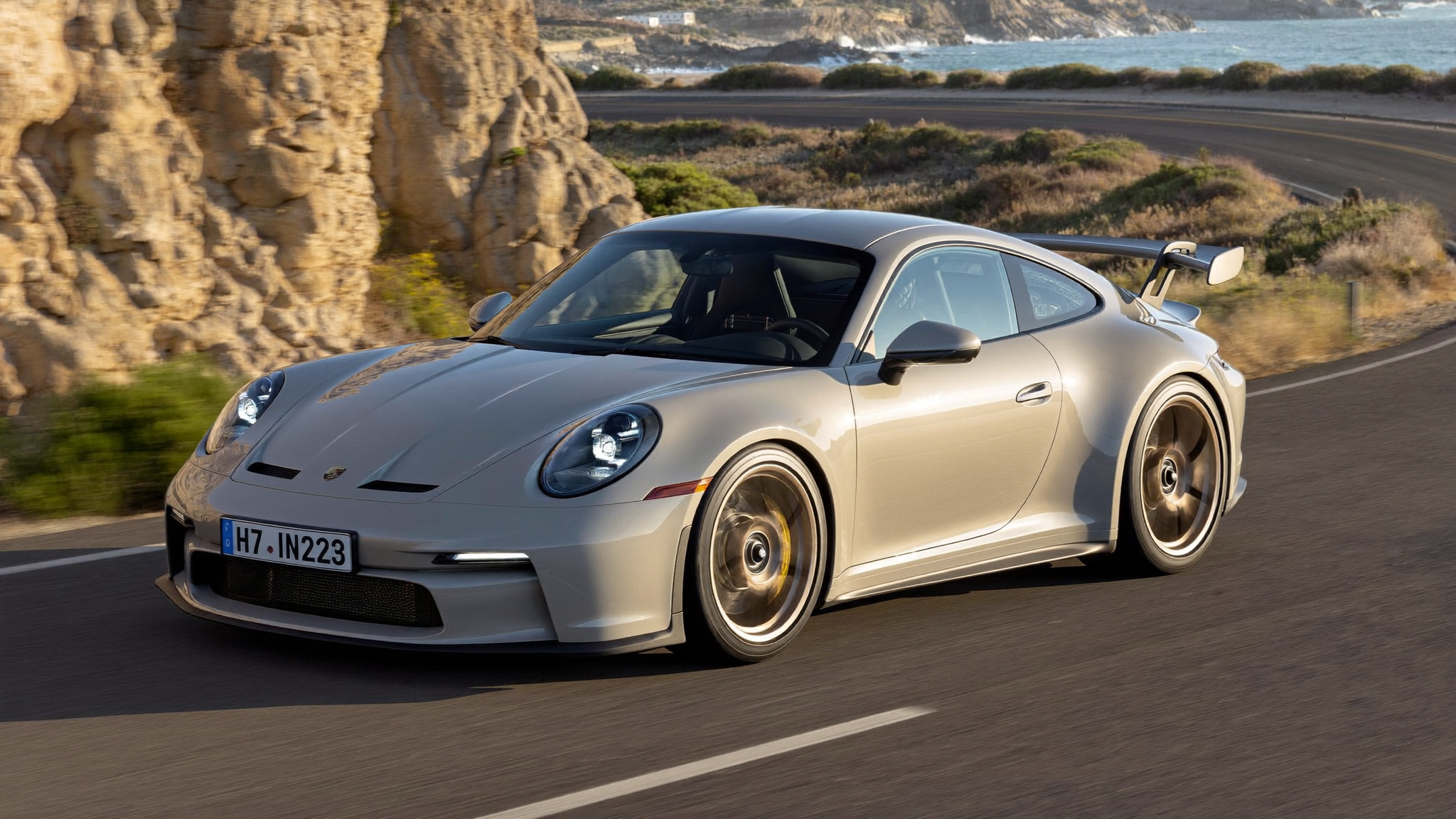
- Porsche GT products — the 992 GT3 and GT3 Touring remain among the most-requested cars in the exotic trade, with manual, low-mile examples strongest.
- End-of-era Lamborghinis — final naturally aspirated editions like the Huracán STO and Aventador SVJ are holding value exactly as end-of-cycle cars historically have.
- 1980s–’90s icons — Gen X’s poster cars, from JDM legends to analog supercars, continue their generational bull run.
- Race cars and hypercars — competition provenance and extreme rarity dominated 2025’s biggest results, including the $53 million Mercedes-Benz W196 R.
The flip side: common classics without stories, needy restoration projects, and ordinary-spec exotics face a patient, price-conscious audience.
The Bottom Line
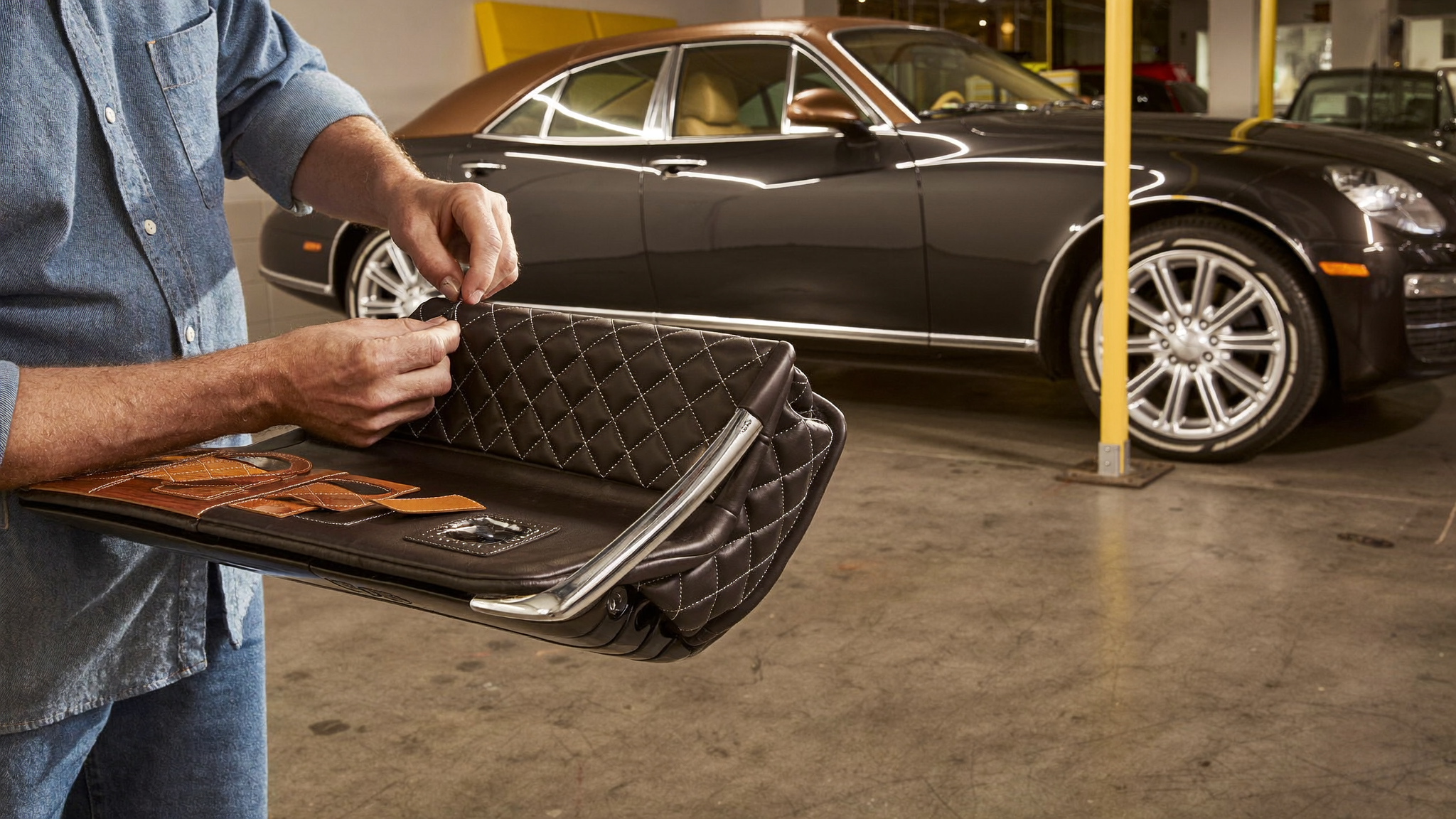
The 2025–2026 luxury and exotic vehicle marketplace is neither bubble nor bust — it’s a maturing market with new money, new tastes, and new rules. Ultra-luxury brands are proving that desirability scales better than volume. A generational handover is dragging the definition of “collectible” two decades forward. And the marketplace itself has moved from the auction tent to everywhere, all at once.
For buyers, the playbook is clear: condition, documentation, and rarity are everything. For sellers, honest pricing meets a deep pool of global demand. And for the rest of us? The show has never been better — and the poster cars of today are already appreciating in somebody’s imagination.
Frequently Asked Questions
How big is the luxury car market in 2026?
The global luxury car market is valued at approximately $603 billion in 2026 and is forecast to reach about $818 billion by 2031, growing at a compound annual rate of 6.28%, according to Mordor Intelligence.
Are exotic car prices going up or down in 2026?
Both — depending on the car. Exceptional, rare, well-documented vehicles (limited-run modern supercars, Porsche GT cars, end-of-production Lamborghinis) are appreciating, while ordinary examples and needy restoration projects have softened. The market rewards quality over quantity in 2026.
What are the best exotic cars to buy in 2026?
Market observers point to modern limited-production V12 Ferraris, the Porsche 911 GT3 (992), final-edition naturally aspirated Lamborghinis, and 1980s–’90s icons favored by Gen X collectors as the segments with the strongest momentum heading through 2026.
Who is buying exotic and collector cars now?
Baby Boomers still represent about 36% of purchases, but Gen X now accounts for a third of new collector-car purchases and 40% of used, while Millennial and Gen Z participation grows roughly 20% annually via online platforms — pushing the market toward newer, more modern collectibles.
Was Monterey Car Week 2025 a success?
Yes — auctions during Monterey Car Week 2025 totaled $432.8 million, the second-highest result ever, with a 76% sell-through rate. Modern supercars set multiple world records, and eight of the ten biggest sales were Ferraris.
Images in this article are AI-generated editorial illustrations created for Exotic Car News.
Sources: Hagerty Insider, Mordor Intelligence, Motor1, Best-Selling-Cars.com, CNBC, Forbes, and Exotics Hunter market commentary.