
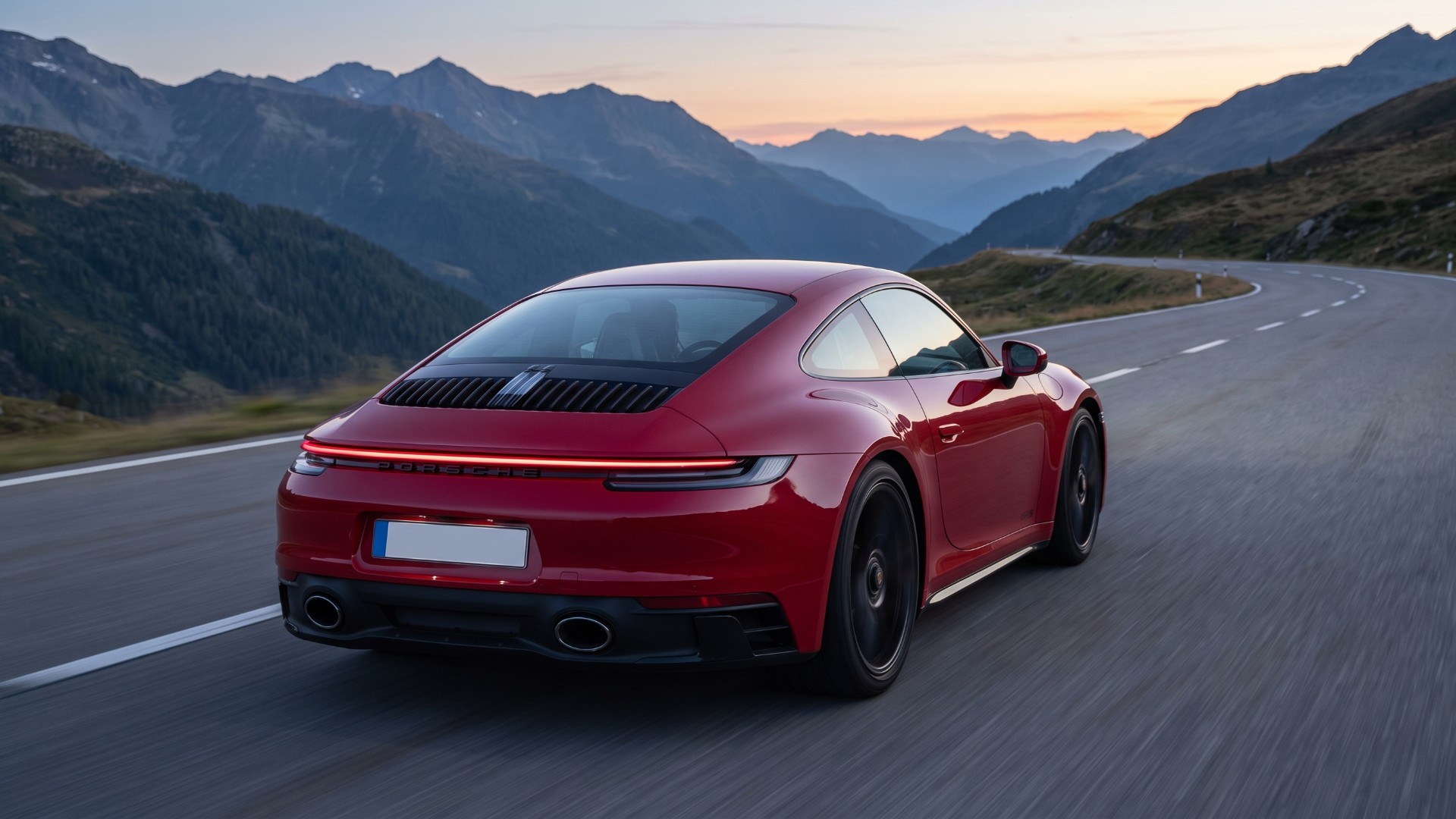
Porsche is still building electric cars. It has also ruled out an electric 911. Here is what the company is protecting, why a hybrid is allowed, and what could change its mind.
On October 7, Porsche showed investors its plan for the next decade. The strategy keeps three kinds of powertrain alive: gas engines, hybrids and batteries. An all-electric 718 Boxster and Cayman are on the way, with 2028 expected to be their first full year of production.
One car is left out. In June, chief executive Michael Leiters told shareholders that “there will be no fully electric 911.”
This week he went further. “I can assure you: the 911 will never be electric,” Leiters said in Weissach as Porsche presented the plan, in remarks quoted by the financial news site finews and others.
The release that accompanied the plan does not mention the subject. It does promise to bring more of “the DNA of the 911” to every other Porsche.
So the one car Porsche won’t electrify is the one it wants the rest to copy. Why no electric 911? Is Porsche protecting a way of driving, a business, or both?
What Porsche has actually said
Leiters has now made the point three times. In June, at an event run by the German magazine auto motor und sport, he said the 911 is such an icon that its progress has to come from gas and hybrid power.
At the annual meeting on June 23, he called the 911’s hybrid system a “fundamental building block” for its future. Porsche’s release added that the company does not see hybrids as a bridge to something else.
This week’s “never” is the strongest version yet.
Two cautions apply. “Never” is one chief executive’s word, and Leiters has run Porsche only since January. A later boss could choose differently. He also has not said an electric 911 is impossible. He has said Porsche won’t build one.
What an electric 911 would change
Porsche’s engineers have been clear that the problem is the battery.
Michael Steiner, who leads research and development, told Britain’s Autocar in 2024 that electric sports cars are quick in a straight line. The trouble comes in corners, where the weight of the battery works against them.
Autocar also reported how a battery would change the car. Put it under the floor and the driver sits higher. Put it where the back seats are and the 911 becomes a two-seater. Steiner said Porsche had asked itself whether a two-seat car could still be a 911.
Frank Moser, who runs the 911 and 718 lines, said much the same to Australia’s Drive last November. He was explaining why the 911 has no plug-in version. The car is tightly packed, he said, and it should not get bigger.
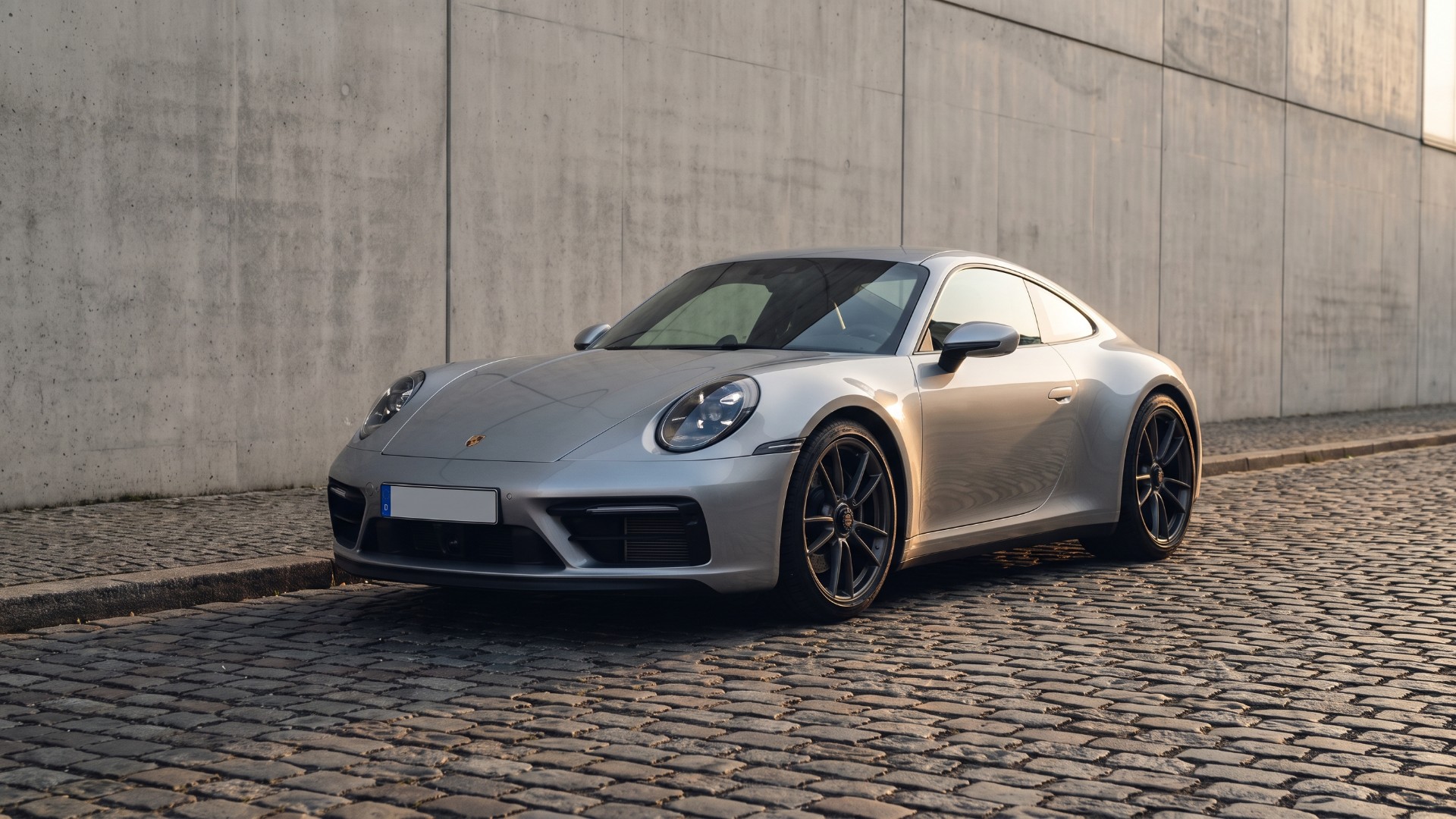
So the list of things being protected is short: a low seat, a small body with two tiny back seats, and a flat-six engine behind the rear wheels.
For many buyers the engine’s sound and feel belong on that list too. As ECN reported this week, the naturally aspirated manual is nearly gone, and the 911 GT3 is the last exotic standing.
The engineers did not call these limits permanent. Moser said smaller, better battery cells would be “a complete new game.”
The business case
There is a money reason too, and it fits with the engineering one.
In the first half of 2026, Porsche’s global deliveries fell 16% to 122,306 cars. Deliveries of the 911 rose 19%. In the United States they jumped 56.3% to 8,478, according to Porsche Cars North America.
Over the same six months, deliveries of the electric Taycan fell 25% to 6,219.
These numbers show what buyers want today. They do not show how much Porsche earns on each model. And they cannot prove buyers would turn down an electric 911, because no one has been offered one.
Still, Porsche’s new plan is to earn more from each car, not to sell more cars. A company with that goal has little reason to gamble with its most wanted model. The SUVs bring the volume, a pattern ECN looked at in how the SUV may have saved the exotic-car company.
The plan also promises more 911 versions and a possible mid-engined supercar above it, which Porsche says it will preview on October 15. The 911 is the fixed point, and new models are being placed around it.
Why a hybrid is allowed
The 911 Carrera GTS shows where Porsche draws the line. Its T-Hybrid system adds two small electric motors to a new 3.6-liter flat-six. One spins the turbocharger. The other sits inside the gearbox and adds up to 40 kW, or about 54 hp.
Both run off a battery that Porsche says is the size of a normal car battery and weighs about 60 pounds. It sits in the nose.
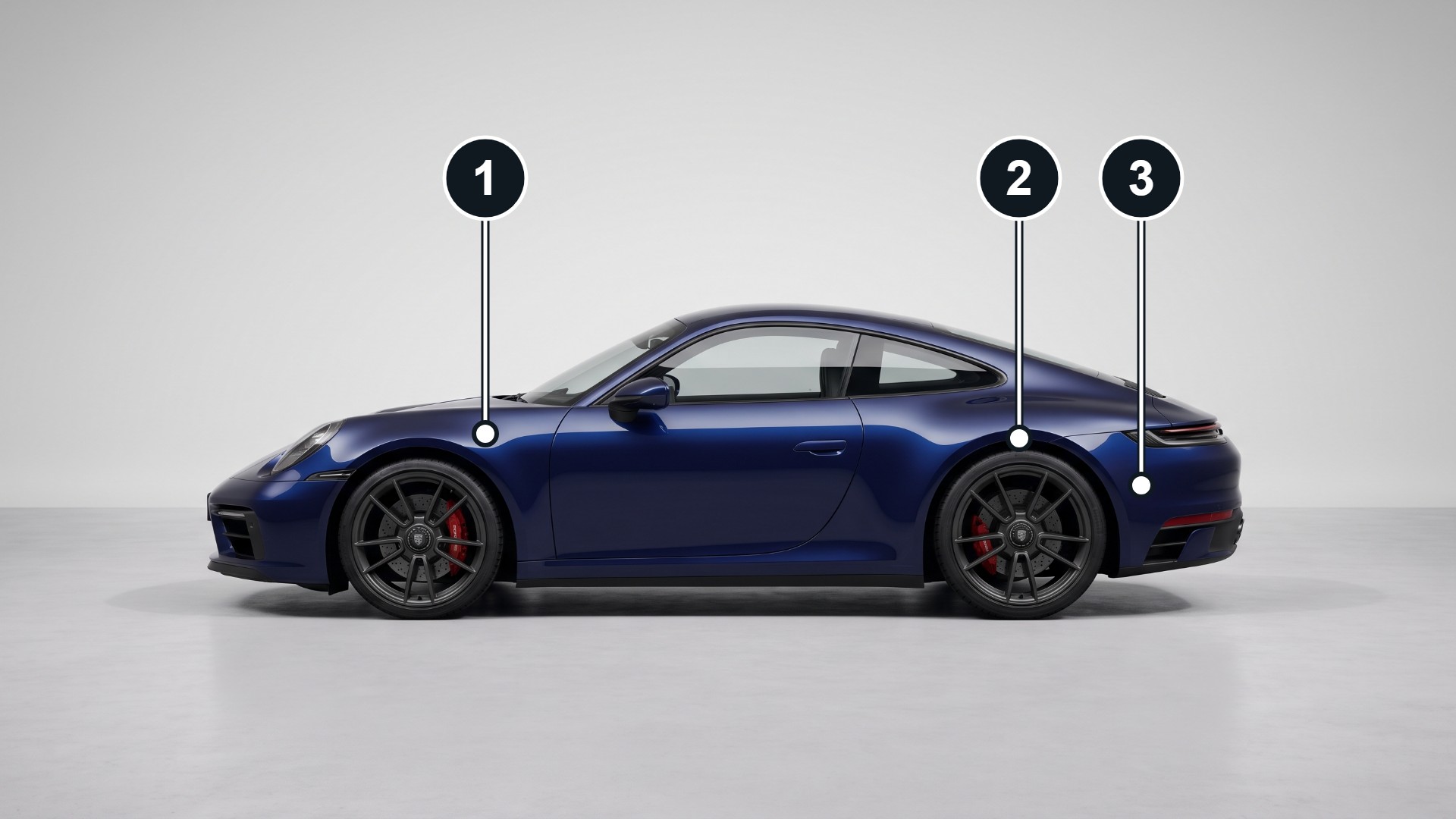
In U.S. trim the car makes 532 hp and reaches 60 mph in a claimed 2.9 seconds. That is three-tenths quicker than the old GTS. Porsche puts the added weight at about 100 pounds.
There is no plug, and the car cannot drive on electricity alone. The motors fill the gap while the turbo builds boost, and they add shove at low revs. The gas engine, which makes 478 hp before any help, still does the work.
That is Porsche’s rule in one car. Electricity that helps the engine and fits in the same space is welcome. Electricity that replaces the engine and reshapes the car is not. Porsche has since fitted a version of the system to the 911 Turbo S.
The risk in drawing a line
Porsche has changed the 911 before. In 1997 the 996 generation dropped the air-cooled engine for a water-cooled one, and it split loyal fans.
Porsche’s own history says emissions rules forced the change. The company went on to build 175,262 of them, the best-selling 911 generation up to that time.
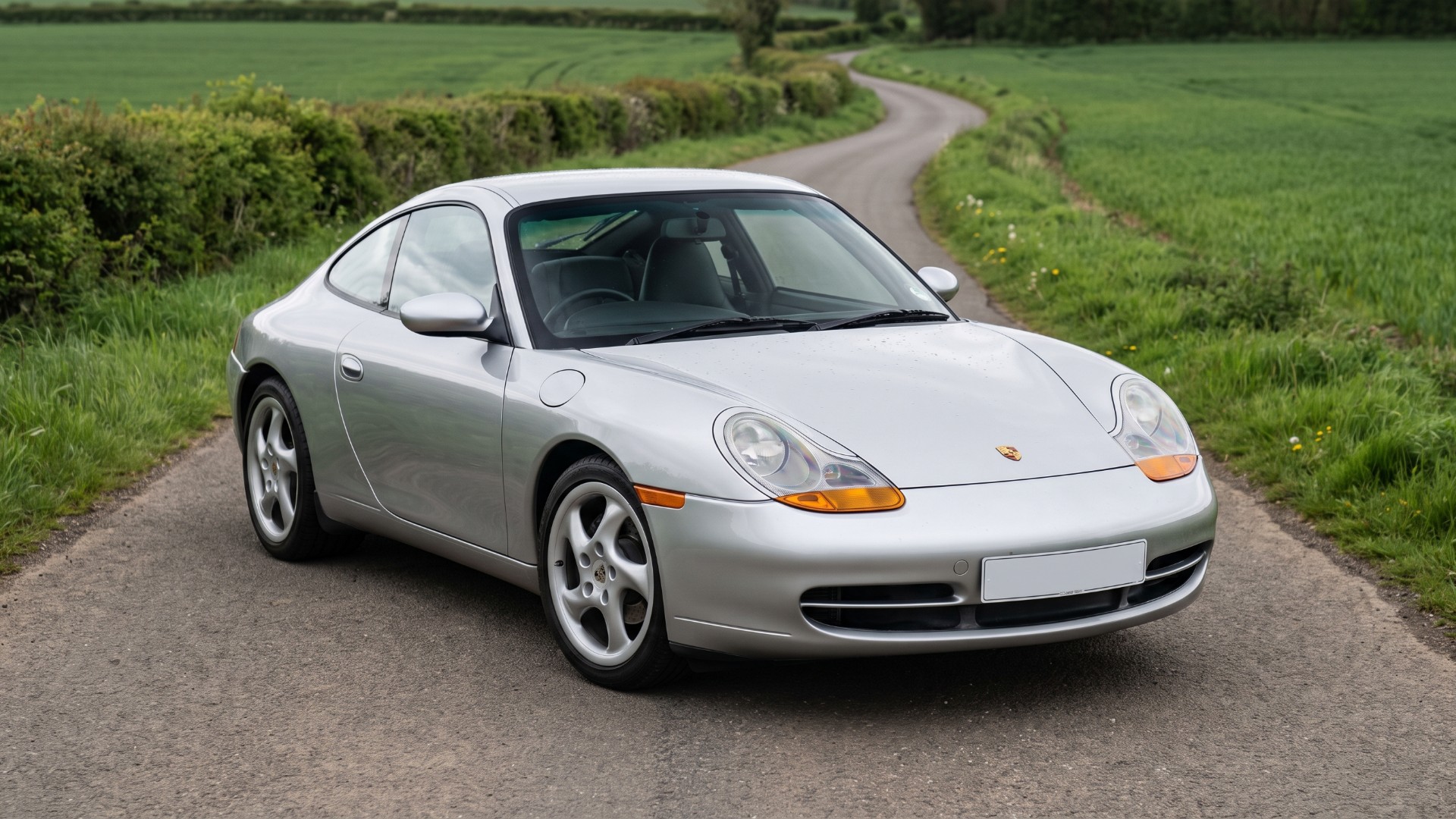
The usual lesson is that the 911 survives change. But the 996 only changed how the engine was cooled. It kept the engine. No one knows if buyers would forgive a 911 without one.
The best argument against Porsche’s line is that tastes move. Electric cars can be fast, sharp and fun, and Porsche says so itself. Leiters wants the Cayenne Electric to give the brand an electric heritage. The electric 718 will be sold in the same showrooms as the 911.
If that 718 drives the way a Porsche sports car should, the case against an electric 911 gets harder to make.
Batteries will improve, as Porsche’s own engineers expect. Rules shift as well. In December 2025 the European Commission proposed easing its 2035 target for new cars, from a 100% cut in CO2 emissions to 90%, Reuters reported.
Today’s order books also reflect today’s buyers. A policy built around them could look wise in 2026 and stubborn ten years later.
A protected species is not a stuffed one in a museum. It is kept alive in a place where it can still live, and it keeps adapting. The 911 has taken on water cooling, turbocharging and now a battery, and people still know it when they see it.
A chief executive’s promise cannot settle the harder question: how long can the 911 stay familiar and stay relevant at once?
Images: Exotic Car News. All four images, including the lead image, are editorial illustrations, not manufacturer or press photography. Component positions in the side-view graphic are approximate.
Sources: Porsche AG releases on its annual general meeting (June 23, 2026), its strategy through 2035 (October 7, 2026) and first-half 2026 deliveries; Porsche’s 911 Carrera GTS press kit and 996 heritage material; Porsche Cars North America’s 2025 911 release and first-half 2026 sales report; Michael Leiters’ remarks as reported by auto motor und sport (June) and finews (October); interviews with Michael Steiner in Autocar and Frank Moser in Drive; Reuters.