

Formula 1 has officially cancelled both the Bahrain Grand Prix and the Saudi Arabian Grand Prix from the 2026 Formula 1 calendar following rising instability in the Middle East. These F1 race cancellations wipe two of the season’s early rounds off the schedule and reshape the opening stretch of the championship.
The Bahrain Grand Prix, traditionally held at the Bahrain International Circuit in Sakhir, was scheduled for April 2026 as one of the early rounds of the season. Just one week later, teams were set to travel to Saudi Arabia for the Saudi Arabian Grand Prix at the Jeddah Corniche Circuit, one of the fastest street circuits in Formula 1.
However, after consultations between Formula 1, the FIA, race promoters, and local authorities, the sport decided the safest course of action was to cancel both races entirely.
Why These F1 Race Cancellations Happened
The decision comes amid escalating geopolitical tensions and security concerns in the region, which created uncertainty around travel, logistics, and safety for teams, drivers, media, and fans.
Formula 1 is a massive traveling operation involving:
- Over 10 F1 teams
- Thousands of personnel
- Hundreds of tons of equipment transported worldwide
- Supporting series including Formula 2, Formula 3, and F1 Academy
With airports, shipping routes, and security conditions potentially affected, Formula 1 leadership determined that staging the races in April was no longer viable.
Safety remains the highest priority for the FIA and Formula 1, and organizers opted not to risk proceeding under unstable conditions.
Impact of the F1 Race Cancellations on the 2026 Calendar
The F1 race cancellations leave a significant gap in the early portion of the 2026 Formula 1 season.
Originally the calendar included:
- Bahrain Grand Prix
- Saudi Arabian Grand Prix
- Japanese Grand Prix
- Miami Grand Prix
With Bahrain and Saudi Arabia now cancelled, the championship schedule is expected to drop from 24 races to approximately 22 races unless replacement events are added later in the season.
For teams, the unexpected break could provide valuable time for:
- Car development
- Reliability improvements
- Mid-season upgrades
- Driver preparation
In a championship where every point matters, losing two races early in the year could also influence the overall title fight.
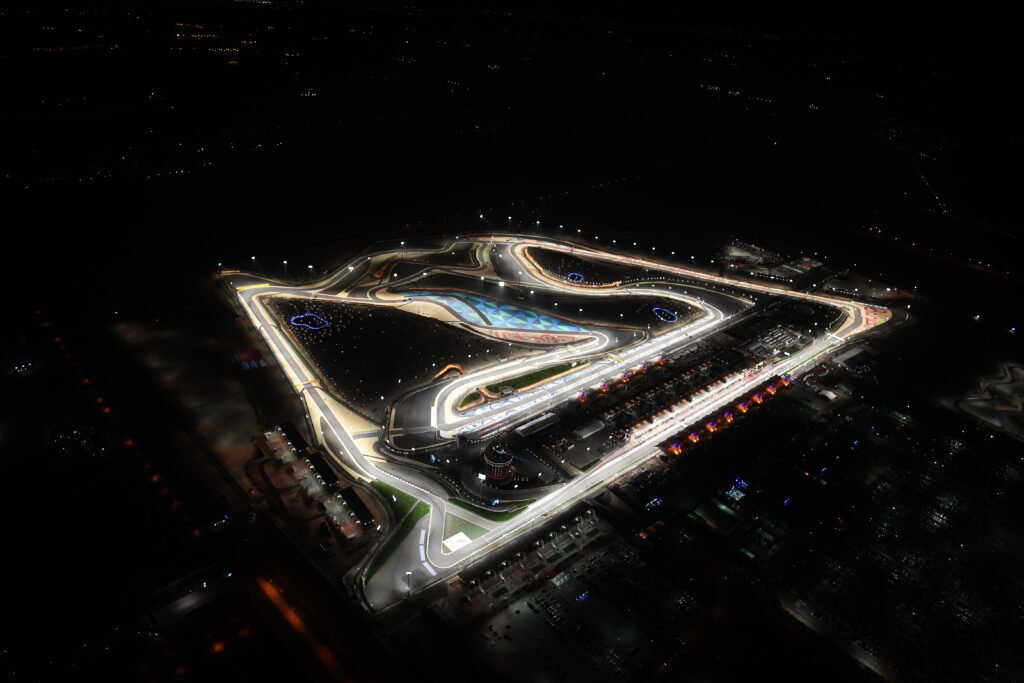
Why Bahrain Has Been Important to Formula 1
The Bahrain Grand Prix has become one of the most important races in modern Formula 1 history.
The circuit frequently hosts:
- Pre-season testing
- Season-opening races
- Major night races under the lights in Sakhir
Since joining the calendar in 2004, Bahrain has been viewed as a cornerstone of Formula 1’s global expansion strategy.
Saudi Arabia’s Growing Role in F1
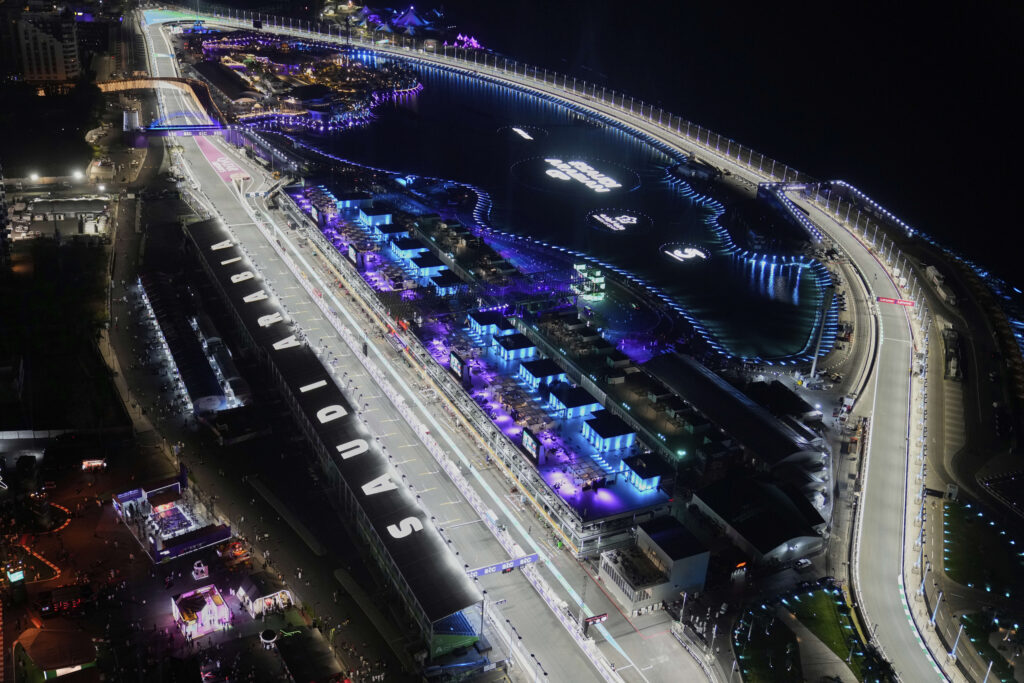
Saudi Arabia joined the Formula 1 calendar in 2021 with the ultra-fast Jeddah Corniche Circuit, a street track known for its high speeds and dramatic night racing.
The race quickly became one of the sport’s most visually striking events, featuring:
- A high-speed coastal layout
- Night racing along the Red Sea
- One of the fastest street circuits in Formula 1
Despite its relatively recent addition to the championship, the Saudi Arabian Grand Prix has become a major event for Formula 1’s Middle Eastern presence.
What Happens Next After the F1 Race Cancellations
At the moment, Formula 1 has not confirmed replacement races for the cancelled Bahrain and Saudi Arabian rounds, and the remaining rounds are still listed on the official Formula 1 2026 race calendar.
If no substitute events are added, the 2026 season will simply continue with the next scheduled race weekend later in the calendar.
Formula 1 officials say they will continue monitoring the situation and may evaluate whether the events could return in future seasons once conditions stabilize.
Final Thoughts
These F1 race cancellations — covering both the Bahrain Grand Prix and Saudi Arabian Grand Prix marks one of the most significant calendar disruptions Formula 1 has faced in recent years.
While the decision reshapes the early part of the 2026 championship, it reflects Formula 1’s commitment to prioritizing safety and stability across the global racing ecosystem.
For fans, the focus now shifts to how teams adapt to the altered schedule—and how the unexpected break might influence the outcome of the 2026 Formula 1 season.