
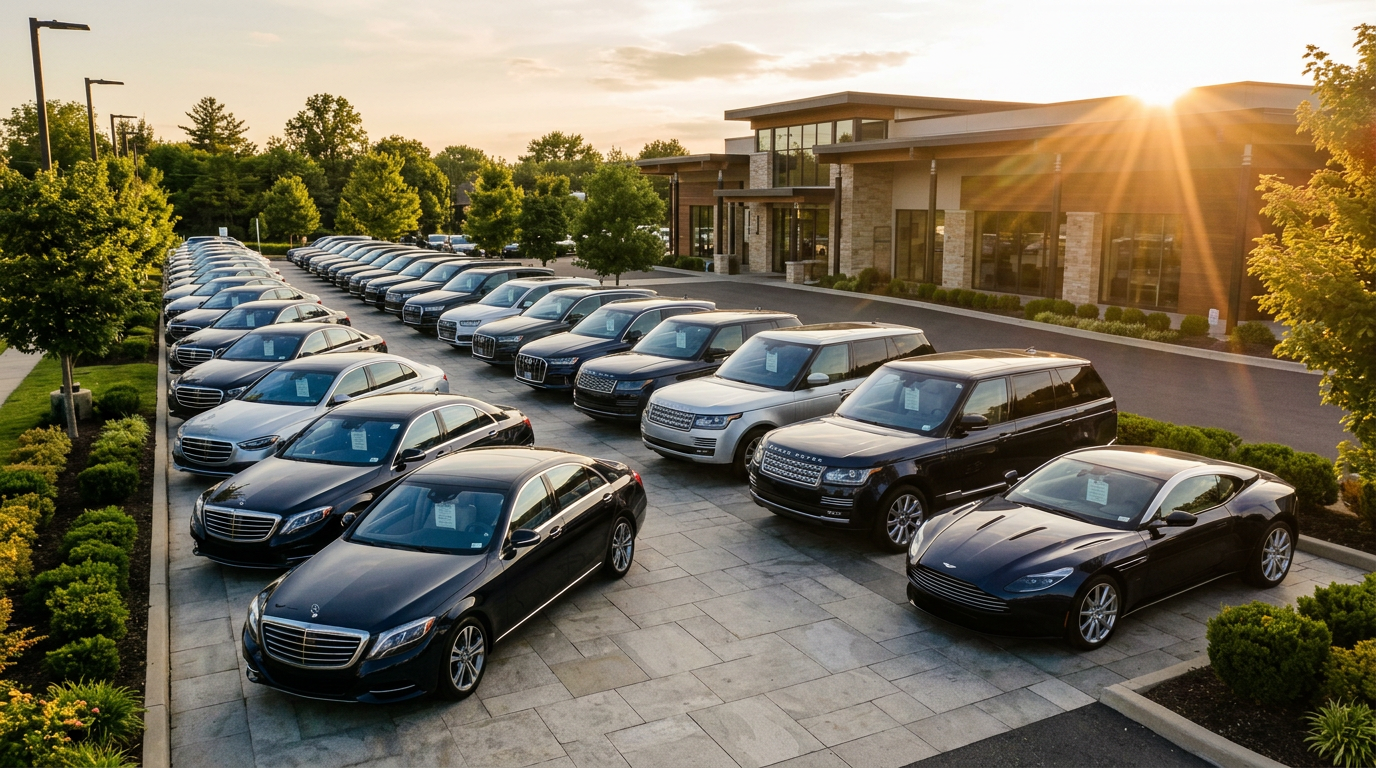
Walk onto any used lot in 2026 and the sticker shock is real: three-year-old vehicles priced where new ones sat a few years ago, and clean low-mileage examples commanding premiums that would have seemed absurd a decade back. So why are used cars so expensive? It isn’t dealers being greedy. It’s arithmetic, and the numbers were locked in years ago.
The missing millions
The core problem is a hole in the supply chain that can never be refilled. Between 2020 and 2022, the global chip shortage and pandemic shutdowns caused automakers to build roughly eight to nine million fewer vehicles than planned for the US market.
Those missing cars would today be three-to-five years old — exactly the sweet spot of the used market, where most buyers shop. They don’t exist. Every lease return that never happened, every rental-fleet purchase that was never made, every trade-in that was never created is a car absent from today’s inventory. Dealers compete at auction for a permanently smaller pool, and that competition flows straight to the retail price.
The lease-return drought
Used inventory has traditionally been fed by a reliable conveyor belt: leases. A customer leases new, returns the car in three years, and the market gets a well-maintained, known-history vehicle.
That conveyor broke. Lease penetration collapsed during the shortage years — when new cars were selling over sticker, automakers had little reason to subsidize leases — and it has not fully recovered. The result in 2026 is a drought of off-lease vehicles, the single best source of clean late-model used cars. Less cream means the cream costs more.
New car prices pushed everyone downmarket
The average new-vehicle transaction now sits near $50,000. Layer on tariff pressure that has raised costs on imported vehicles and parts, and the new-car market has priced out a meaningful share of buyers.
Those buyers didn’t stop needing cars. They moved to used, adding demand to a market that was already short on supply. Prices only had one direction to go.
Interest rates changed the math
Financing costs remain well above the levels buyers enjoyed through the 2010s. For the monthly-payment shopper — which is most of the market — higher rates shrink what any budget can reach. A payment that once covered a new SUV now covers a used one, keeping demand concentrated in the used market and propping up values even for high-mileage inventory.
Everyone is holding on longer
The average vehicle on American roads is now more than 12.5 years old, a record — a trend visible in the federal price data that tracks used vehicles as their own inflation category. Owners who might have traded in at year six are keeping cars to year ten, partly because replacements are expensive and partly because modern cars genuinely last. Every deferred trade-in is one more car that never reaches a dealer’s lot.
Why are used cars so expensive in some segments and not others?
If you’re asking why used cars are so expensive across the board, the honest answer is that they aren’t — not every corner of the market is equally inflated. The two-to-four-year-old segment is the most distorted, because that’s where the pandemic production hole lands. Vehicles eight years and older price much closer to historical norms.
For buyers hunting relative value in 2026, two pockets stand out. Used EVs have depreciated steeply — tax-credit churn, fast-moving battery tech, and range anxiety among second owners have pushed prices down faster than the underlying cars deserve. And sedans remain the market’s blind spot: with buyer preference locked onto SUVs and trucks, a well-kept sedan often costs thousands less than the equivalent crossover.
How much have used car prices actually gone up?
The scale of the move is easy to forget. Before 2020, used vehicle prices had spent two decades behaving like a normal depreciating asset class — predictable, boring, and always cheaper next year. Then the market repriced. At the 2021–2022 peak, wholesale values jumped by more than a third in under two years, and while prices cooled from that spike, they settled onto a permanently higher plateau rather than returning to trend.
That plateau is the part that surprises buyers in 2026. A vehicle that would have cost $22,000 on the old depreciation curve routinely lists near $30,000 today. The question people mean when they ask why used cars are so expensive is really why prices never round-tripped — and the answer is that the supply that would have pulled them back down was never built.
The luxury tier tells the same story with bigger numbers. Clean, low-mileage examples of flagship German sedans and SUVs — the cars that historically depreciated hardest — now hold value in a way their original owners never enjoyed, because the certified pre-owned pipeline is just as short of inventory as the mainstream lot.
What this means at the top of the market
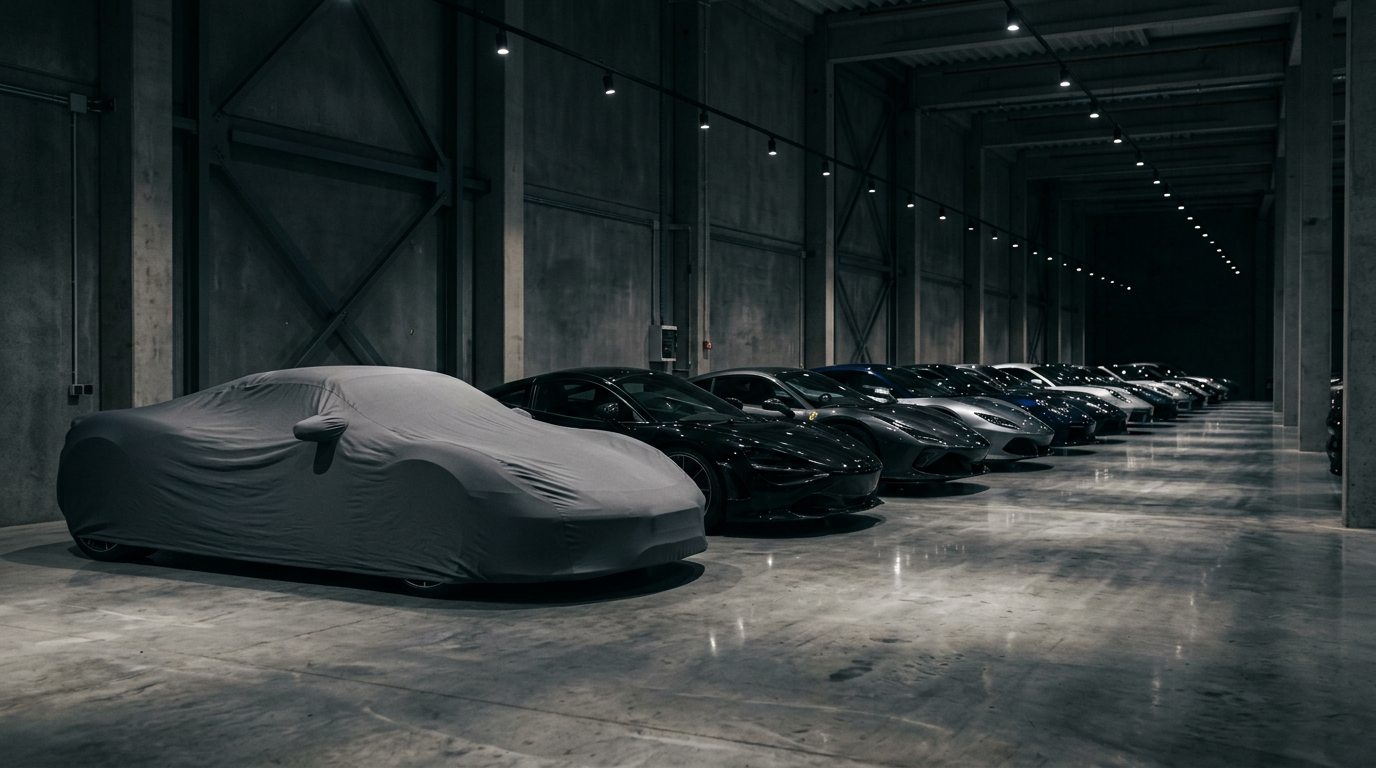
The same arithmetic operates at the collector and exotic end, with one difference: the supply constraint is permanent by design.
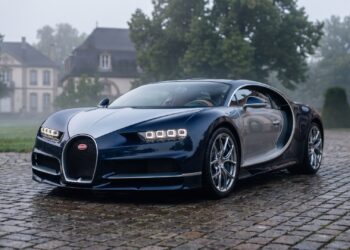
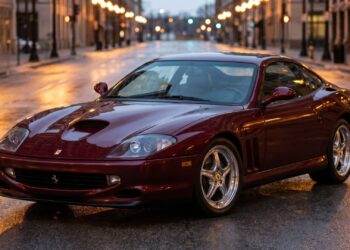
A three-year-old crossover is scarce because of a factory disruption; production eventually normalizes. A clean, low-mileage analog supercar is scarce forever — no one is building more 2005 Carrera GTs or 1997 Supras. As mainstream used prices trained an entire generation of buyers to see cars as assets that can hold value, capital moved up the ladder into vehicles where scarcity is structural, not cyclical. It’s part of why blue-chip exotics and the last great analog machines have outrun the broader market: they’re the only segment where the supply problem is guaranteed never to resolve.
Will used car prices come down in 2026?
Gradually, unevenly, and not to 2019 levels. The lease drought eases as post-2023 leases mature, and new-vehicle production has normalized. But the 2020–2022 hole moves through the market’s age brackets like a wave — the cars that were never built will be missing from the six-year-old segment in 2028 and the ten-year-old segment in 2032. The distortion fades; it doesn’t disappear. Buyers waiting for a crash are likely waiting for something that isn’t coming.
Used car prices in 2026: FAQ
Why are used cars so expensive in 2026?
Because roughly 8–9 million vehicles were never built during 2020–2022, and those missing cars would today be the 3–5-year-old used inventory most buyers shop for. Add a lease-return drought, near-$50k new car prices, tariffs, and elevated rates, and demand keeps outrunning supply.
When will used car prices drop?
Expect gradual easing rather than a crash. The production hole moves through age brackets for years — it hits the 6-year-old segment around 2028 — so prices normalize slowly and unevenly, not all at once.
What used cars are the best value in 2026?
Used EVs, which have depreciated much faster than the underlying cars deserve, and sedans, which trade at a discount because buyer demand is concentrated in SUVs. Vehicles 8+ years old also price much closer to historical norms.
Is 2026 a bad time to buy a used car?
Not if you pick the right segment. The 2–4-year-old SUV market carries the biggest premiums; older vehicles, sedans, and used EVs are much closer to fair value.
If you came here asking why used cars are so expensive, the honest summary is this: used car prices in 2026 are the long tail of decisions made half a decade ago — factories that stopped, leases that were never written, and buyers pushed down a ladder that had fewer rungs than usual. The market will keep loosening at the edges, but the missing millions stay missing. The smart move isn’t waiting for prices to collapse; it’s knowing which segments are distorted and which are genuinely fair value.