
The exotic car market has a habit of rewriting its own verdicts. Some of the most valuable collector cars of 2026 were commercial disasters when new — panned by the press, discounted by dealers, or simply ignored by buyers. Exotic cars that flopped in the showroom have a strange way of becoming the ones collectors fight hardest for twenty years later, and the pattern repeats so reliably that it has become one of the most useful lenses for reading the collector market.
Below are the ten great showroom failures the market got wrong the first time, what actually went wrong for each, and what they are worth today. The numbers reflect the market as of mid-2026.
In this guide
- 1. Lexus LFA · 2. Jaguar XJ220 · 3. Bugatti EB110 · 4. Porsche Carrera GT · 5. BMW Z8
- 6. Mercedes-Benz SLR McLaren · 7. Lamborghini LM002 · 8. Ferrari Testarossa · 9. Dodge Viper Gen V · 10. De Tomaso Pantera
- Why flops become collectible · Values at a glance · FAQ
1. Lexus LFA (2010–2012)
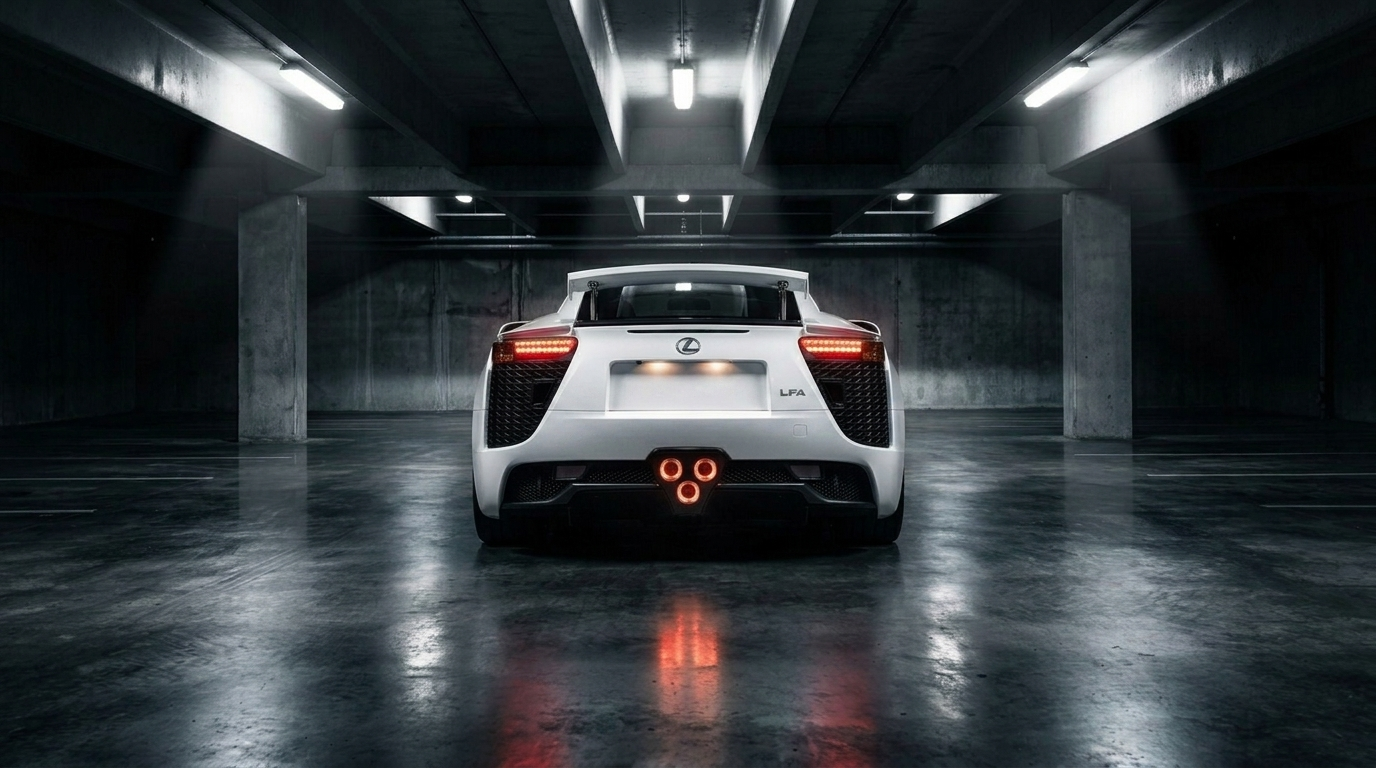
The LFA is the definitive flop-to-grail story. Toyota spent a full decade developing it, switching from aluminum to a carbon fiber tub mid-program and even building its own carbon loom to weave the chassis. The result was a 552-hp, 9,000-rpm V10 co-developed with Yamaha, wrapped in a body that asked $375,000 — while wearing a Lexus badge in 2010, two years into a global financial crisis.
Buyers balked. Examples sat unsold at dealers for years — some as late as 2019 — and the car was widely cited as proof that Toyota had no business building supercars. The 64-unit Nürburgring Edition barely registered outside enthusiast circles.
Today, clean standard cars trade around $800,000, and this spring a 748-mile example sold for $1.81 million, the highest public sale yet for a base LFA. With only 500 built, one of the greatest engine notes ever certified for the road, and Lexus now reviving the LFA name on an electric successor, the original V10 car has become the most coveted Japanese exotic of the modern era.
Then: $375,000 and unsold. Now: ~$800,000 median, $1.81M record.
2. Jaguar XJ220 (1992–1994)
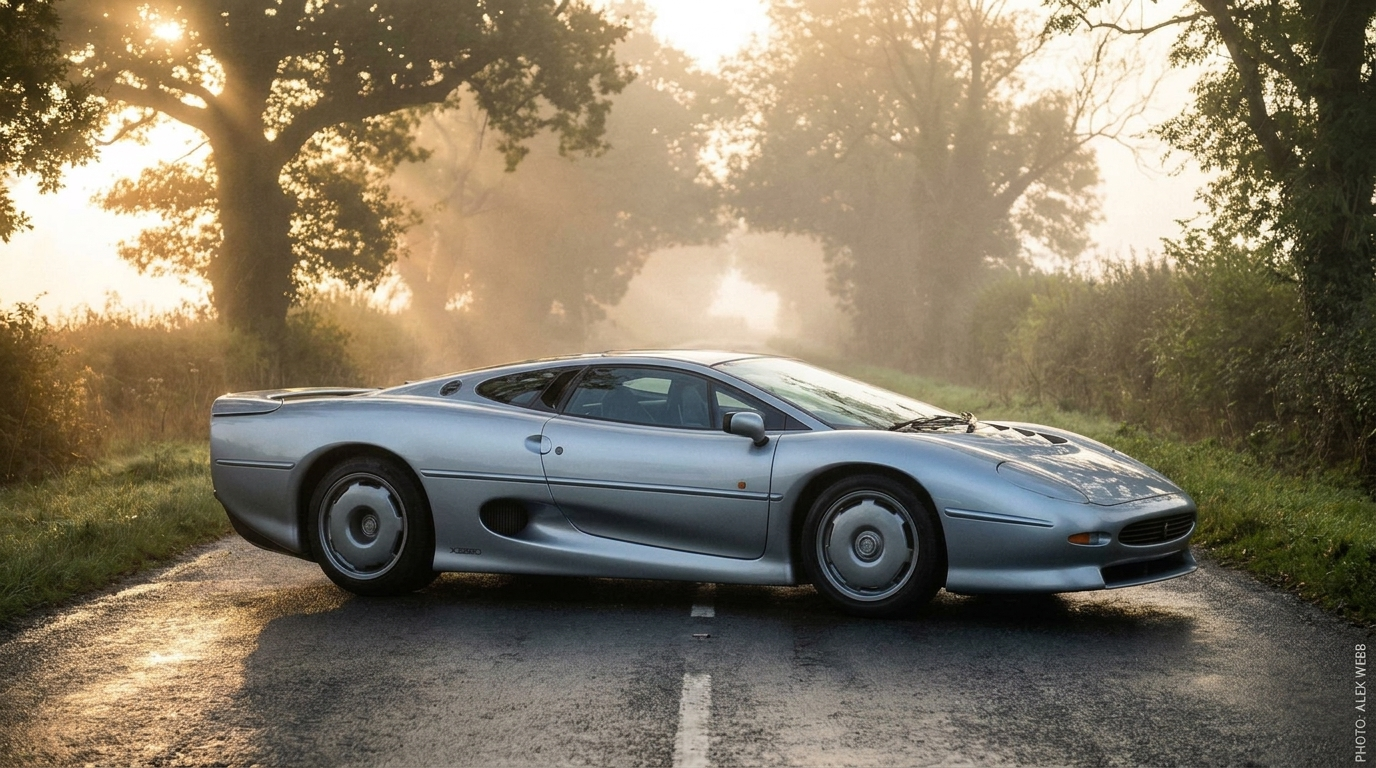
No car on this list flopped more publicly. The XJ220 concept was promised as a V12, all-wheel-drive flagship, and speculators lined up with deposits at the height of the late-80s supercar bubble. What arrived was a twin-turbo V6 with rear-wheel drive — brilliant to drive, but not what was ordered — and it arrived directly into the teeth of the early-1990s recession.
Deposit holders sued to escape their contracts. Just 275 cars were built of a planned 350, and unsold examples lingered for years. Never mind that the XJ220 held the production-car top speed record at 217 mph and wore it in the record books through the end of the decade.
For two decades afterward it was the cheap ticket into the 200-mph club. Values now average around $540,000 — still a fraction of what contemporaries like the Ferrari F40 and Porsche 959 command — which is exactly why collectors increasingly treat it as the last undervalued hypercar of its generation. Parts and specialist support are stronger than the car’s reputation suggests, and the market has quietly begun to close the gap.
Then: lawsuits and canceled deposits. Now: ~$540,000 average and rising.
3. Bugatti EB110 (1991–1995)
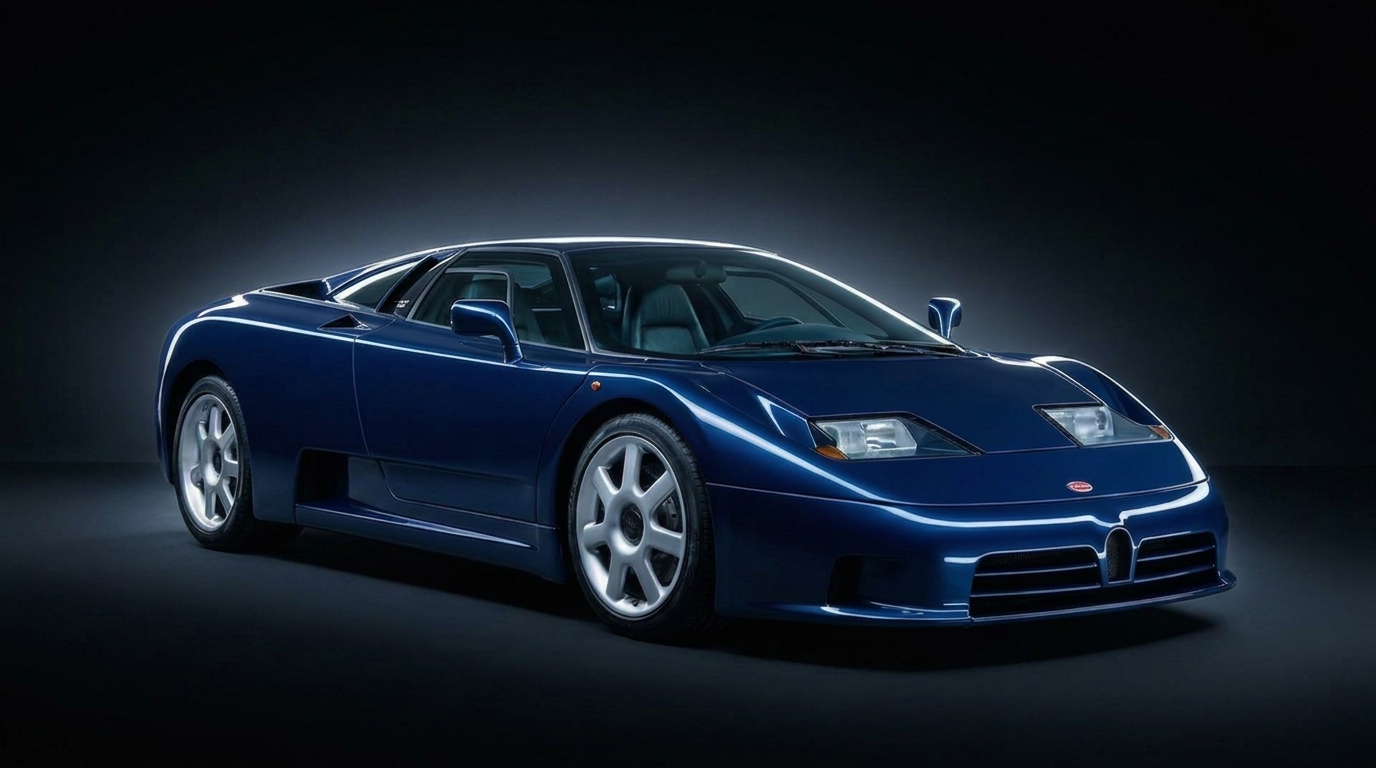
The EB110 was not just a slow seller — it was so unsuccessful it took the entire company down with it. Romano Artioli’s revived Bugatti built a quad-turbo 3.5-liter V12 with all-wheel drive, a carbon chassis, and a 213-mph top speed, engineered in a purpose-built blue-glass factory in Campogalliano. Every part of it was years ahead of its time, and almost none of it could be paid for once the early-90s exotic market collapsed.
Bugatti was bankrupt by 1995 after roughly 140 cars. The factory stood abandoned for decades, a monument to overreach.
Today the EB110 is recognized as the direct ancestor of the Veyron, Chiron, and Tourbillon — the car that proved the quad-turbo, all-wheel-drive hyper-GT formula Volkswagen would later spend billions perfecting. Values sit firmly in seven-figure territory, the Super Sport versions are the blue chips, and cars with continuous, documented history rarely come to market at all.
Then: bankrupted the company. Now: seven figures, SS cars well beyond.
4. Porsche Carrera GT (2004–2006)
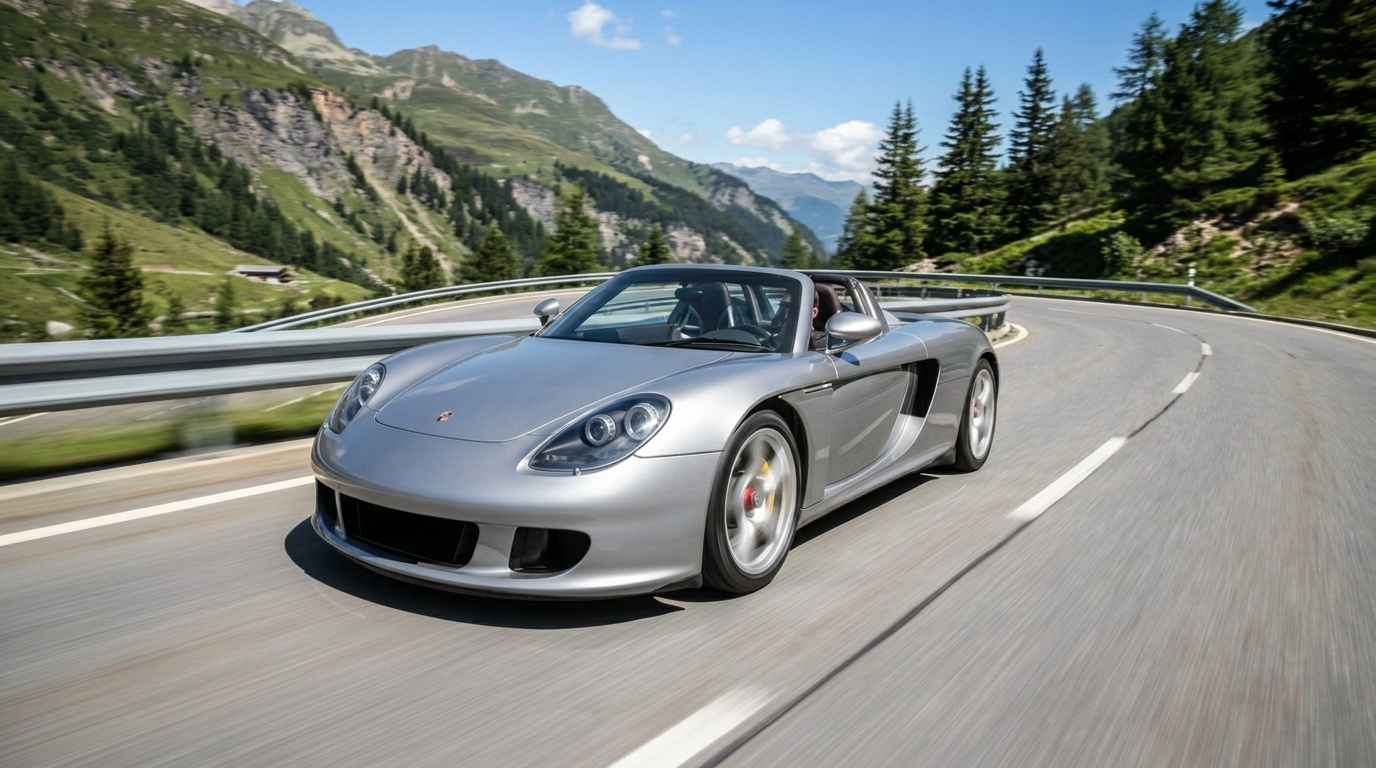
Hard as it is to believe now, the Carrera GT sold so slowly that Porsche ended production early — 1,270 cars against a planned 1,500. A 605-hp, 5.7-liter V10 derived from an abandoned racing program, a six-speed manual with a birch shift knob, a ceramic clutch with a fearsome reputation, and no stability control made it a genuinely demanding proposition in 2005, and the showroom reflected it.
Two decades on, that same analog rawness is the entire appeal. The Carrera GT is now regarded as the greatest driver’s hypercar of its era — the last of the truly unfiltered flagships before hybrid systems and software took over.
Values are around $1.5 million and climbing again after a brief plateau, and the car regularly appears on lists of the collector market’s strongest bets for the year ahead. As regulation reshapes what new performance cars are allowed to be, the Carrera GT’s stock only rises.
Then: production cut short. Now: ~$1.5M and appreciating.
5. BMW Z8 (2000–2003)
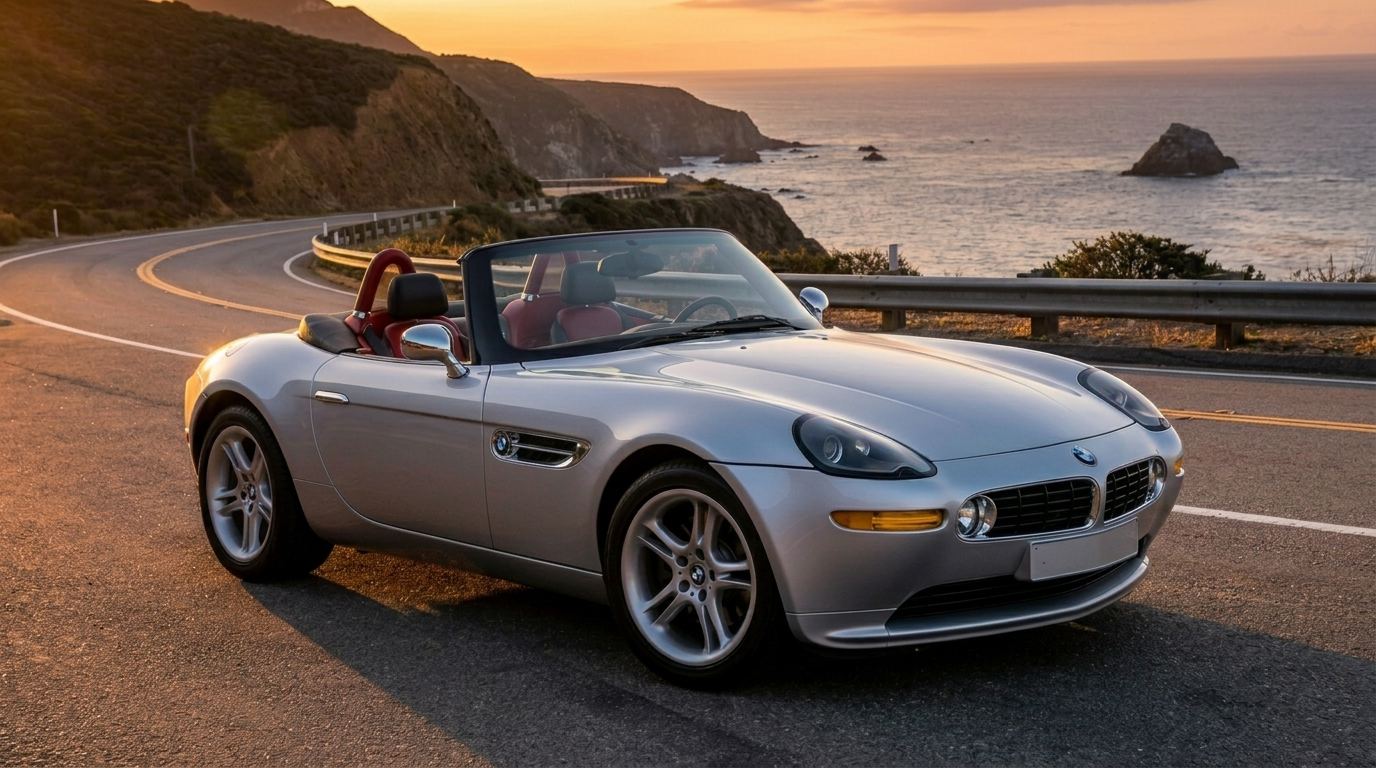
The Z8 had everything on paper: 507-inspired styling by Henrik Fisker, the 400-hp V8 and manual gearbox from the E39 M5, an aluminum spaceframe, and a starring role in a Bond film. The press still shrugged. Reviewers called the chassis soft for a six-figure roadster, mocked the run-flat tires, and filed it away as a boulevard cruiser wearing a supercar price tag.
The market has thoroughly overruled them. The Z8 never depreciated the way its critics predicted — it is one of the very few 2000s cars that essentially skipped the used-car trough entirely. All 5,703 examples were hand-finished, every body panel is aluminum, and BMW famously guaranteed a 50-year parts supply.
Clean cars now trade deep into six figures, roughly double the original $128,000 sticker, and the best low-mileage examples keep setting new highs. It is one of the safest modern classics BMW has ever produced, and the critics’ consensus from 2000 now reads like a period curiosity.
Then: dismissed as soft. Now: roughly double its original MSRP.
6. Mercedes-Benz SLR McLaren (2003–2010)
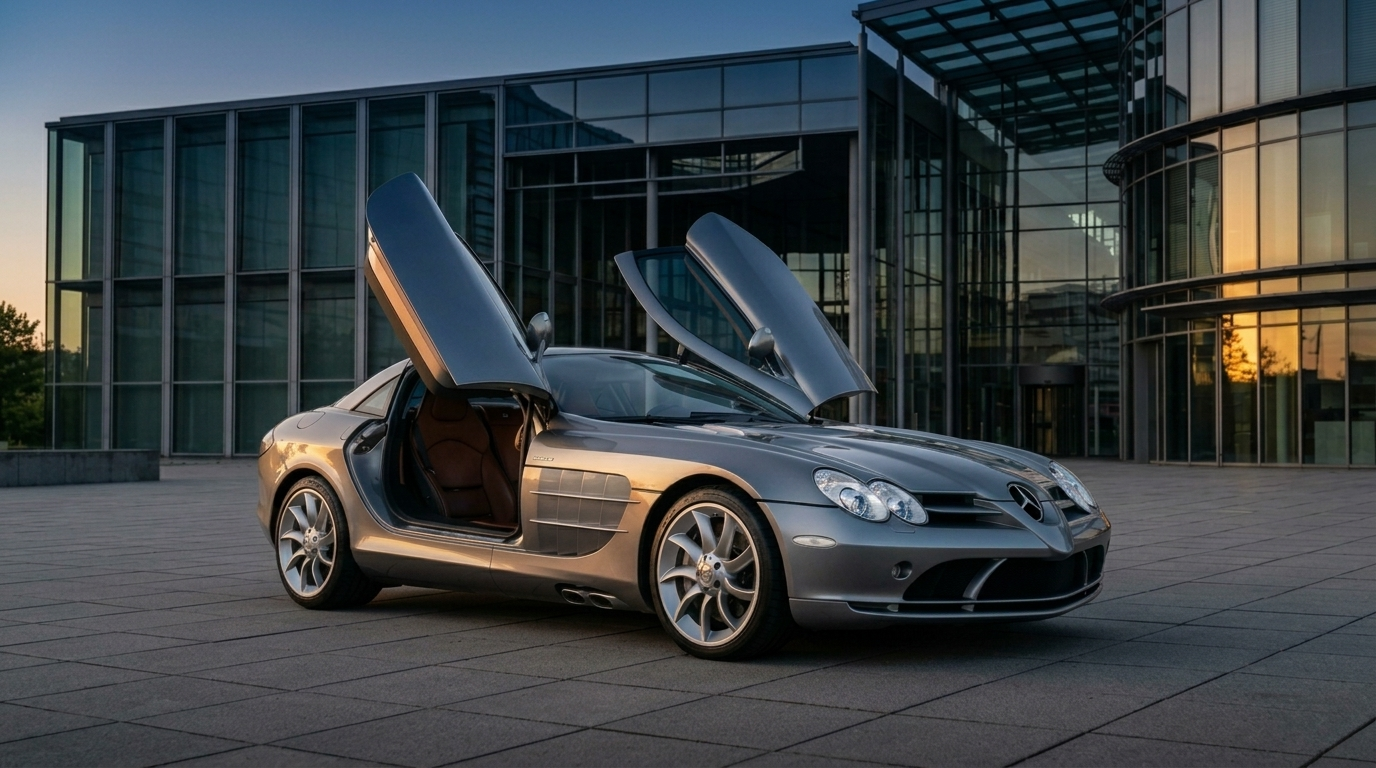
The SLR was supposed to be the ultimate collaboration: Mercedes luxury, McLaren engineering, a carbon fiber body, and 617 supercharged horsepower delivered through butterfly doors. Instead, critics called it too heavy, too automatic, and too much of a grand tourer to justify its price against the Carrera GT and Ford GT. Production fell well short of the 3,500-car plan.
The car’s crime, in hindsight, was being early. The SLR was a carbon-bodied, front-mid-engine hyper-GT a decade before the segment existed — a formula that looks far more visionary in 2026 than it did in 2005, with a hand-built supercharged V8 that no modern equivalent will ever offer again.
The revisionism is now in full swing. Standard coupes cluster around $350,000 with sub-$300,000 cars steadily disappearing, and the rare 722 editions trade dramatically higher — recent European auction estimates put a 722 S Roadster near three-quarters of a million dollars. The Stirling Moss speedster, the rarest of all, has already crossed into seven-figure territory.
Then: outsold by its rivals. Now: ~$350,000 standard cars, 722s far higher.
7. Lamborghini LM002 (1986–1993)

A failed military prototype turned V12 luxury truck, the LM002 confused everyone in the 1980s. It carried the Countach’s 5.2-liter V12, drank fuel through a 76-gallon tank, wore bespoke run-flat Pirelli Scorpions developed just for it, and cost more than most Ferraris. Lamborghini managed to sell only around 330 of them over seven years.
For decades the “Rambo Lambo” was the unwanted oddball of the back catalog, available for well under $100,000 and often treated as a punchline rather than a collectible.
Then the Urus became Lamborghini’s best-selling model, the super-SUV became the industry’s most profitable segment, and the LM002 was suddenly reframed as the visionary original. Good examples now command $300,000 and up, with high-profile provenance cars estimated well beyond that at major European auctions this year. Few cars on this list have had their reputation flip so completely.
Then: unsellable oddity. Now: $300,000+ and rehabilitated.
8. Ferrari Testarossa (1984–1991)
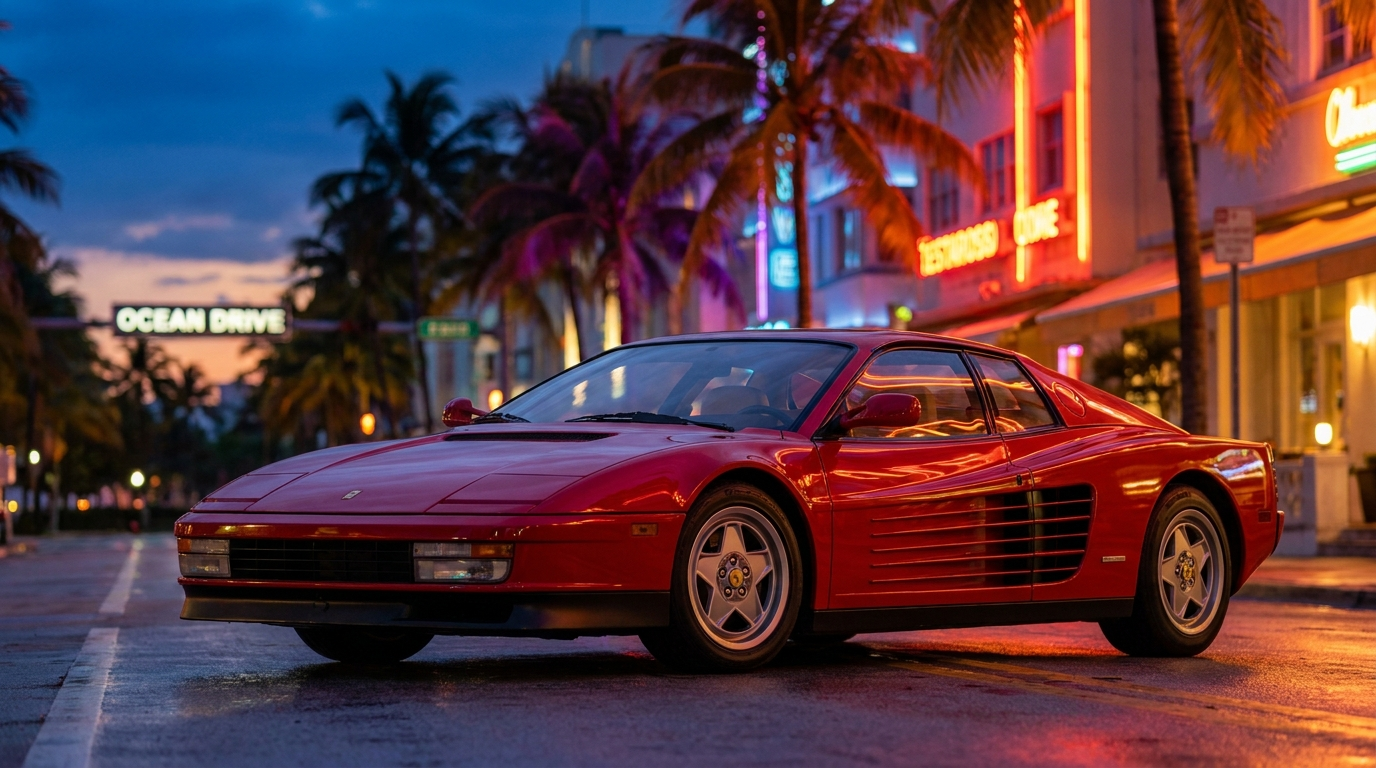
The Testarossa was a sensation when new — the widest, most theatrical Ferrari of its day, with a 390-hp flat-12 and those unmistakable side strakes. But Ferrari built over 7,000 of them, the car became shorthand for 1980s excess, and by the 2000s it had collapsed into an ’80s punchline available for around $40,000. For years it was the cheapest way into a twelve-cylinder Ferrari.
The rehabilitation is complete. The same pop-culture baggage that sank the car — Miami Vice, the poster walls, the yuppie associations — is precisely what a new generation of collectors is paying for. Nostalgia flipped from liability to asset.
Clean cars are solidly six-figure propositions today, single-mirror early “Monospecchio” cars and special specifications reach well past $300,000, and Ferrari itself just returned to its heritage names, reviving Testarossa for the 849 that replaces the SF90. Nothing confirms an icon like the factory borrowing its name back.
Then: a $40,000 punchline. Now: six figures, specials past $300,000.
9. Dodge Viper Gen V (2013–2017)
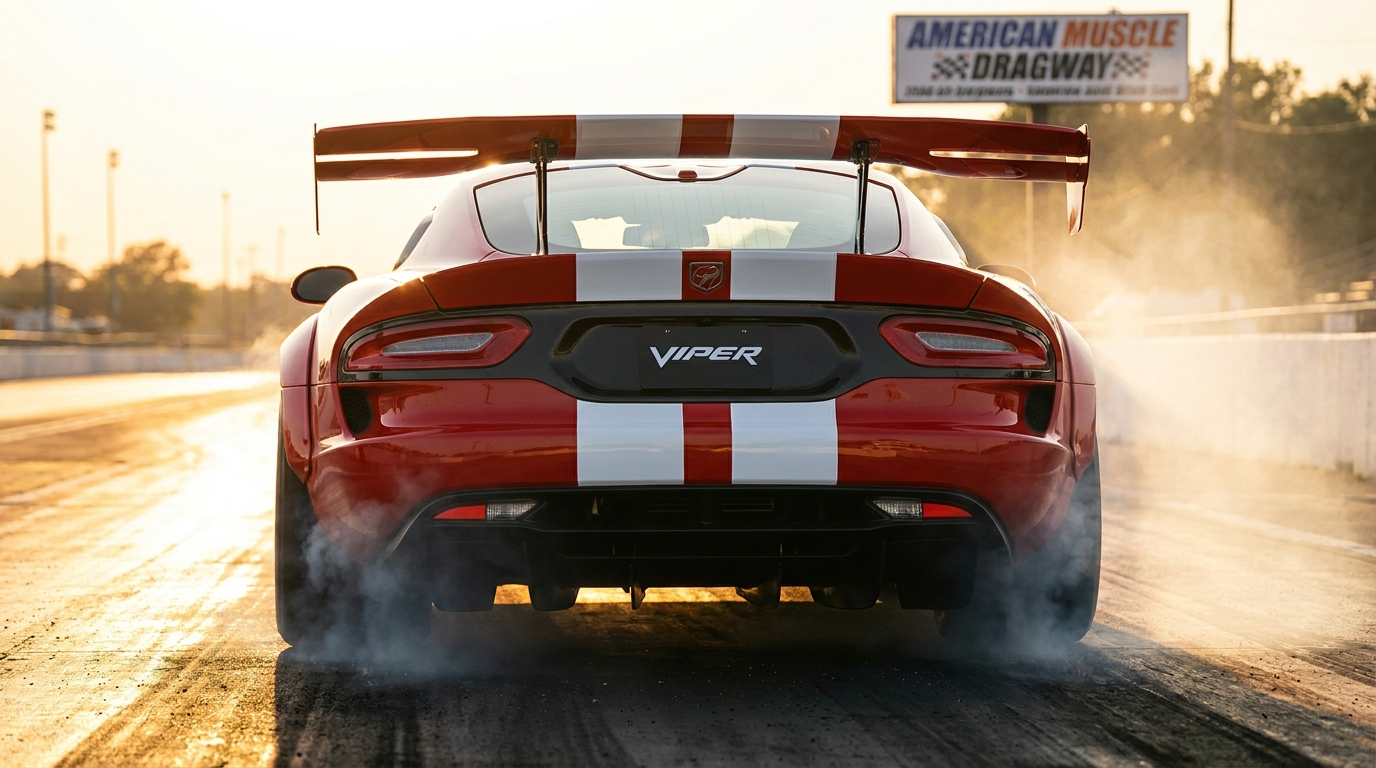
The final Viper was the best one ever made — 645 hp from an 8.4-liter V10, a proper six-speed manual, a genuinely luxurious interior for the first time in the model’s history, and an ACR variant that shattered a stack of production-car lap records on street-legal tires. Buyers still stayed away. Priced against the Corvette Z06 with none of the Corvette’s everyday usability, it sold in the hundreds per year, and slow sales killed the model entirely in 2017.
The market wasted little time correcting itself. The Gen V was the last naturally aspirated V10 American supercar, built with no turbochargers, no hybrid assistance, and no automatic option — a spec sheet that will never be repeated.
Final-year cars, special editions, and ACRs now routinely trade above their original stickers, part of the broader revaluation of analog American performance. The cars enthusiasts could not be convinced to buy new have become the ones they cannot afford used.
Then: discontinued for weak sales. Now: trading above original MSRP.
10. De Tomaso Pantera (1971–1992)
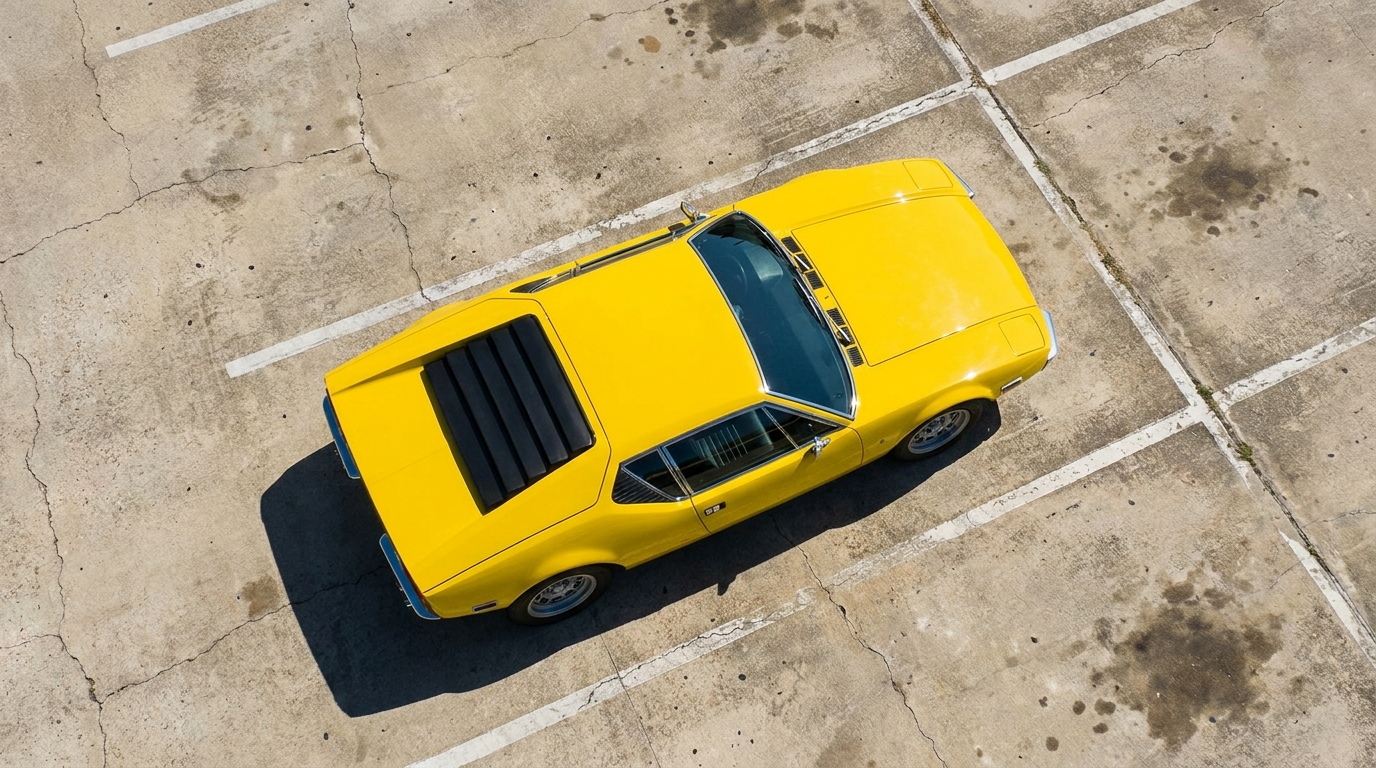
Italian styling by Ghia, Ford 351 Cleveland V8 power, a mid-engine layout, and a price that undercut Ferrari — sold through Lincoln-Mercury dealers, no less. The Pantera should have been unstoppable. Instead, early build quality was so rough that Elvis Presley famously shot his when it would not start, rust protection was nearly nonexistent, and Ford walked away from U.S. sales after a few years.
The Pantera spent decades as the “affordable exotic,” which is precisely why so few unmolested cars survive — most were modified, raced, or neglected long before anyone thought to preserve them. Roughly 7,200 were built across two decades of production, but original, matching-numbers cars are a small fraction of that.
Genuinely clean examples now bring strong six-figure money, and the model has finally been accepted into the serious collector canon it was always locked out of. The combination of Italian design and serviceable American power — once the reason it was dismissed — is now the reason it is usable in a way its Italian contemporaries are not.
Then: shot by Elvis. Now: six figures for the best examples.
Why Exotic Cars That Flopped Become Collectible
Every car on this list failed for reasons that had nothing to do with how good it was: bad timing, the wrong badge, spec-sheet controversy, pop-culture baggage, or a market that simply was not ready. And every one was eventually rescued by the same three forces.
Rarity. Commercial failure is a production cap. The LFA’s unsold inventory and the Carrera GT’s shortened run created exactly the scarcity that collectors later paid for. Analog engagement. Manuals, naturally aspirated engines, and unfiltered dynamics — the traits that scared off original buyers — are the traits the modern market prizes most. Story. A lawsuit, a bankruptcy, a shot-up fender: the flop itself becomes the provenance.
It is a useful lens for reading today’s market: the unloved cars sitting on dealer lots right now may be the ones collectors fight over in 2046. If you are shopping the current market for exotics with that kind of long arc, you can browse curated exotic listings at Exotic Motors — and whatever you buy, make sure the paperwork survives along with the car.
Flop-to-Grail Values at a Glance
| Car | Price New | Typical Value (2026) |
|---|---|---|
| Lexus LFA | $375,000 | ~$800,000 (record $1.81M) |
| Jaguar XJ220 | £470,000 | ~$540,000 average |
| Bugatti EB110 | ~$350,000 | Seven figures |
| Porsche Carrera GT | $448,000 | ~$1.5 million |
| BMW Z8 | $128,000 | Deep six figures |
| Mercedes-Benz SLR McLaren | ~$450,000 | ~$350,000; 722s far higher |
| Lamborghini LM002 | ~$120,000 | $300,000+ |
| Ferrari Testarossa | ~$135,000 | Six figures; specials $300K+ |
| Dodge Viper Gen V | $90,000–$120,000 | Above original MSRP |
| De Tomaso Pantera | ~$10,000 (1971) | Strong six figures |
Frequently Asked Questions
What is the most famous exotic car that flopped and became valuable?
The Lexus LFA. It struggled to sell at $375,000, with cars sitting at dealers for years, and now trades around $800,000 with a public sale record of $1.81 million set in 2026.
Why do exotic cars that flopped become collectible later?
Poor sales create rarity, and the traits that scared off original buyers — demanding manuals, naturally aspirated engines, unconventional designs — are usually the traits collectors prize most a generation later. The failure itself often becomes part of the car’s story and appeal.
Which cars sold today could follow the same path?
History points toward limited-production cars with manual gearboxes, naturally aspirated engines, and final-edition status — especially models discontinued for slow sales rather than poor quality. That is exactly the profile the LFA, Carrera GT, and Gen V Viper all shared when new.
Exotic Car News covers the cars, the market, and the culture of high-performance motoring — from new hypercar launches to the collector trends shaping values. For more market insight and daily exotic car coverage, explore the rest of our features.