
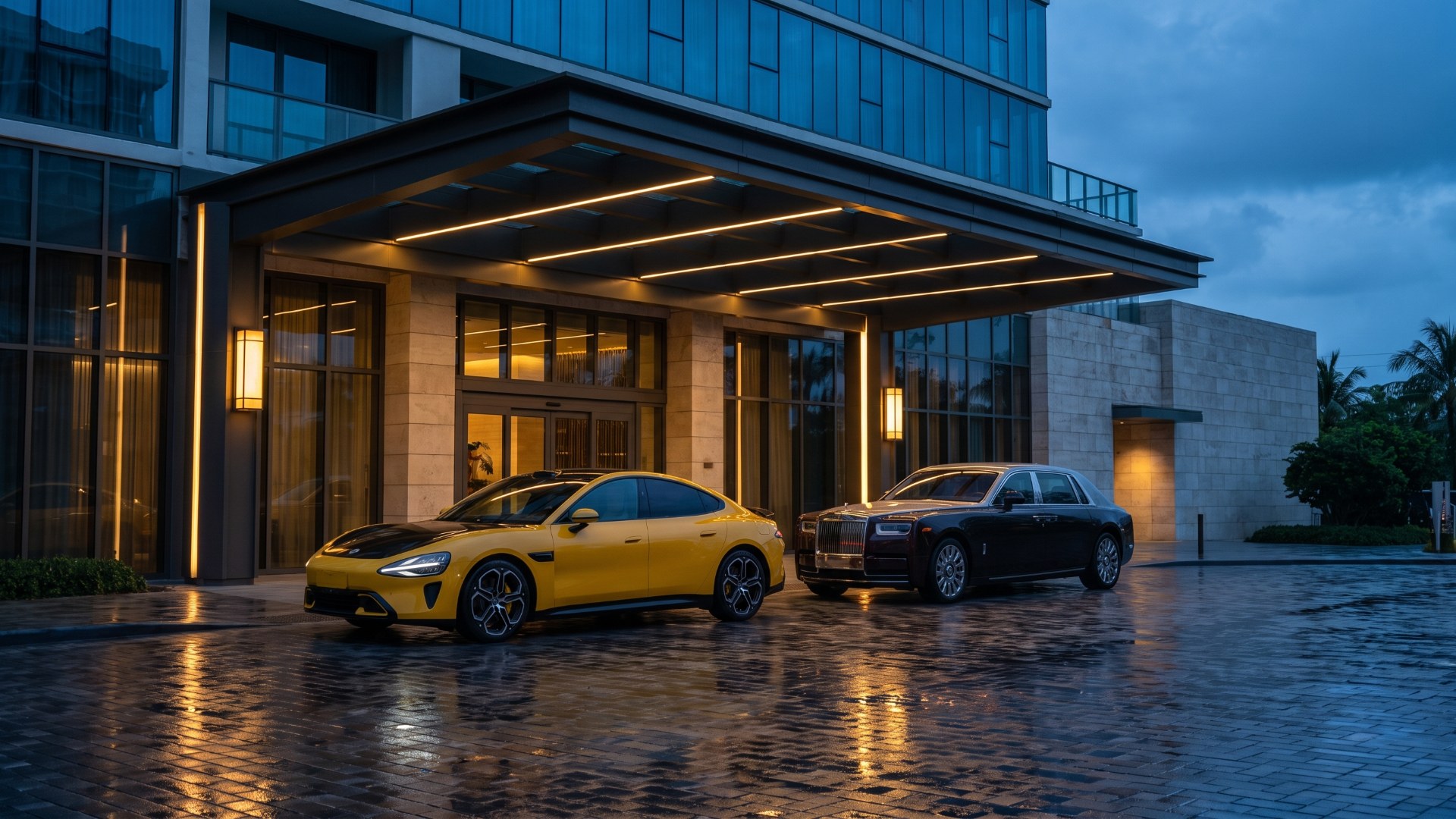
What you need to know
- A Chevrolet dealer will now sell you 1,250 hp and a sub-two-second 0–60 mph run in the $207,395 Corvette ZR1X. A $54,990 Tesla Model 3 Performance does it in 2.9 seconds.
- GM’s hands-free Super Cruise is on 23 models and nearly 750,000 vehicles. Mercedes is debuting its newest U.S. driver-assistance system on the $47,250 CLA rather than reserving it for the S-Class.
- China is pushing harder still: a roughly $73,000 Xiaomi sedan out-lapped the $243,700 Porsche Taycan Turbo GT at the Nürburgring, and a Huawei-backed limousine outsold the Maybach S-Class in China.
- The brands holding their pricing power are selling what software can’t copy. Rolls-Royce’s V12 Cullinan rose 27% in 2025 while its electric Spectre fell 47%, and Cadillac now builds its $423,050 Celestiq by hand.
- ECN’s take: luxury car technology is now the floor, not the ceiling. Above $200,000, you are paying for time, scarcity and meaning.
For most of the last 70 years, the easiest way to explain a $200,000 car was to point at what it could do that a $40,000 car couldn’t. It had radar cruise control first. It had the big screen first, the massage seats, the night vision, the party trick that parked itself while the valet watched.
The flagship was where the future showed up early, and the price was the toll for getting there before everyone else.
That deal is breaking. Luxury car technology now reaches mid-priced cars almost as fast as it reaches a Maybach, and sometimes faster. Which leaves every maker charging $200,000, $300,000 or $500,000 with an awkward question: if the technology isn’t the reason anymore, what is?
Luxury car technology now comes standard
Start with acceleration, the most expensive bragging right of the 20th century. Tesla’s Model 3 Performance makes 510 hp and, by Tesla’s figure, hits 60 mph in 2.9 seconds. It costs $54,990.
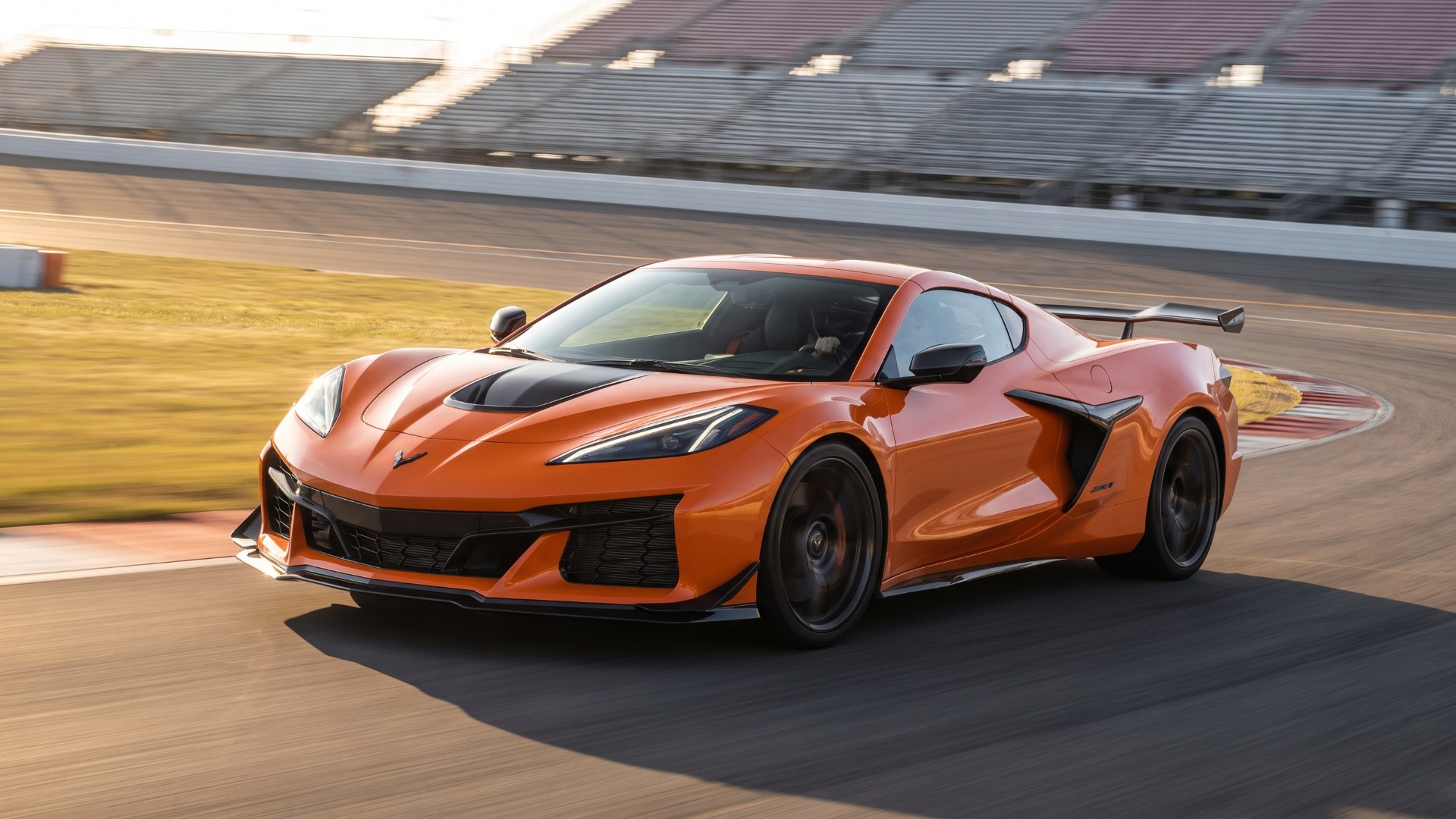
Then walk into a Chevrolet store. The Corvette ZR1X pairs a 1,064-hp twin-turbo V8 with a front electric motor for 1,250 hp, runs 0–60 mph in under two seconds and tops out at 233 mph on a track. It starts at $207,395 and is built in Bowling Green, Kentucky.
Twenty years ago, numbers like that belonged to a seven-figure Bugatti. Today they sit right at the price line this story is about.
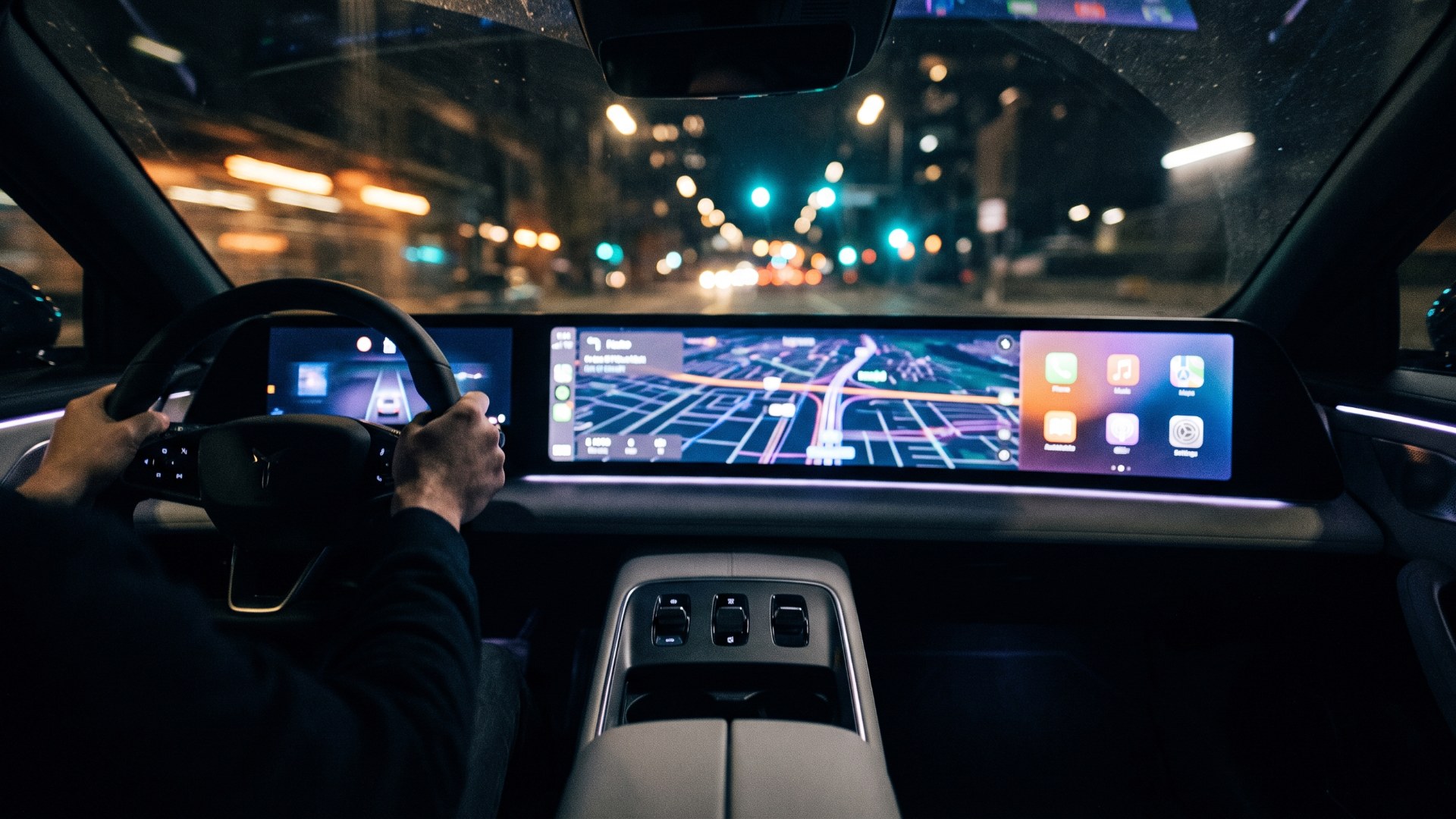
Driver assistance has followed the same curve. GM says Super Cruise is now on 23 models and nearly 750,000 vehicles in North America, and that owners passed 1 billion hands-free miles in April 2026. The cheapest way into it is the Chevrolet Bolt. Less than a decade ago, it debuted on Cadillac’s CT6 flagship.
Mercedes-Benz tells the same story from the other direction. It has dropped Drive Pilot, the Level 3 system that let S-Class and EQS owners look away from the road, but only below 40 mph and only in California and Nevada.
Its replacement, MB.Drive Assist Pro, is a hands-off Level 2 system built to handle city streets and junctions as well as highways. In the U.S., it debuts on the CLA, which starts at $47,250, with the feature priced at $3,950 for three years. The updated S-Class gets it too.
Read that again: Mercedes’ most capable driving technology for American buyers isn’t being held back for the flagship. It’s launching in the entry sedan.
From flagship to fleet: how fast luxury tech trickles down
The pattern is easier to see side by side. Each of these was once a reason to buy the most expensive car in the showroom.
Adaptive cruise control
- Then
- A flagship option on the Mercedes-Benz S-Class in the late 1990s.
- Now
- Standard on the Toyota Corolla since the 2020 model year.
- What it means
- A luxury signature became a compact-car safety feature.
Hands-free highway driving
- Then
- Launched on the Cadillac CT6 flagship sedan in 2017.
- Now
- Offered on 23 GM models, down to the Chevrolet Bolt.
- What it means
- The feature reached everyday buyers in under a decade.
Sub-3-second 0–60 mph
- Then
- Seven-figure hypercar territory in the Bugatti Veyron era.
- Now
- 2.9 seconds in the $54,990 Tesla Model 3 Performance, by Tesla’s figure.
- What it means
- Straight-line speed no longer sorts cars by price.
Four-figure horsepower
- Then
- The Bugatti Chiron’s 1,479 hp, launched in 2016 at roughly $3 million.
- Now
- 1,250 hp in the $207,395 Corvette ZR1X, built in Kentucky.
- What it means
- Hypercar power now has a Chevrolet window sticker.
Eyes-off automated driving
- Then
- Mercedes Drive Pilot on the S-Class and EQS, limited to 40 mph in California and Nevada.
- Now
- Dropped. Mercedes’ newest hands-off system debuts on the $47,250 CLA.
- What it means
- Even the pioneer decided broad usefulness beats flagship exclusivity.
America’s R&D machine is raising the floor
It’s tempting to frame this as a China story. For U.S. buyers, it starts at home. GM, Ford and Stellantis put a combined $23.9 billion into research and development in 2022, according to the American Automotive Policy Council, the Detroit automakers’ trade group.
That money shows up in the cars. It is why a Chevrolet can make 1,250 hp and why hands-free highway driving is a checkbox on a Chevy crossover. As it keeps flowing into everyday U.S.-spec cars, the baseline for what a $40,000 or $60,000 car can do will keep rising.
That leaves luxury and exotic makers with less room to coast. To justify their prices here, they have to stay two steps ahead on technology and give buyers something a well-funded mass-market rival can’t copy.
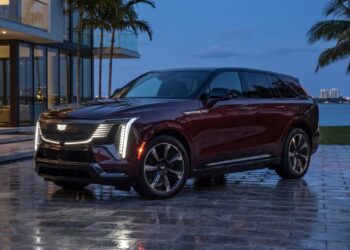
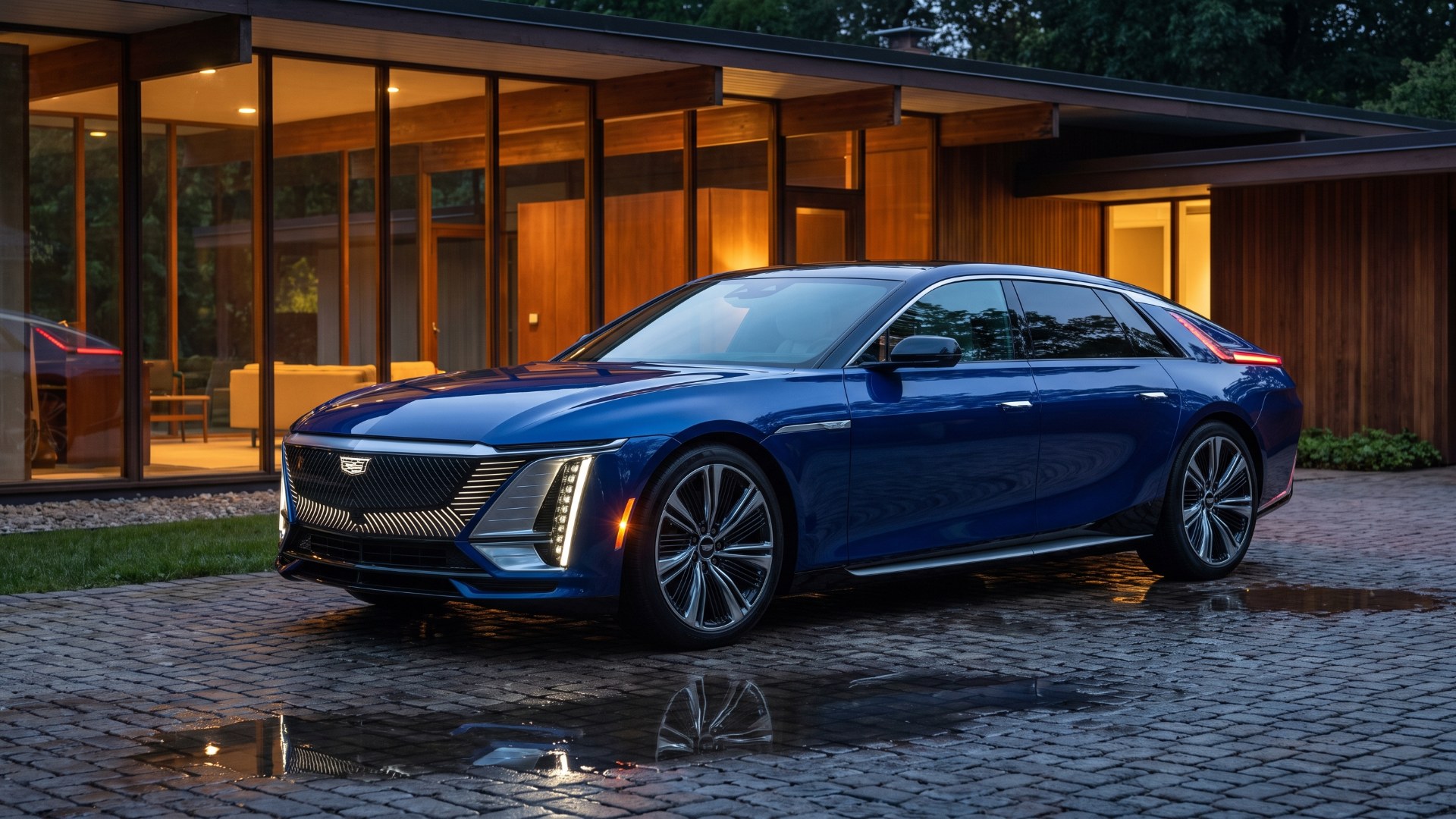
Tellingly, GM itself has drawn the same conclusion at the top of its own range. Cadillac doesn’t sell the Celestiq on its screens. It sells it on being built by hand in Warren, Michigan, with each car specified by its owner, and the 2026 model starts at $423,050.
China is raising the stakes, even from outside the U.S. market
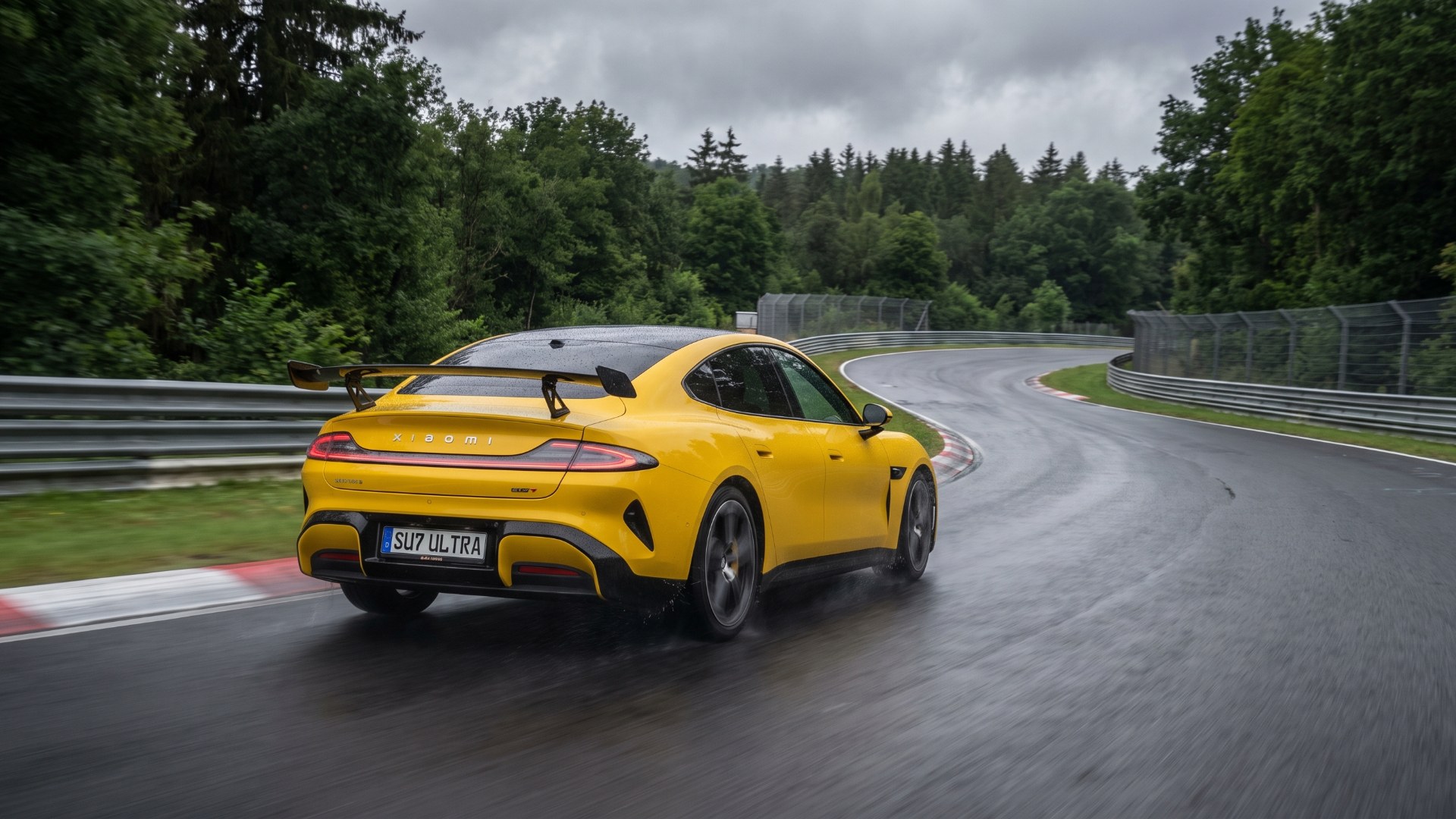
Then there is China, where the pressure is sharper. Xiaomi, a company better known for phones, launched the SU7 Ultra in February 2025 at about $73,000. It has 1,527 hp from three motors, a claimed 0–62 mph time of 1.98 seconds and a 217-mph top speed. Xiaomi took more than 6,900 orders in the first ten minutes.
In April 2025, the SU7 Ultra lapped the Nürburgring Nordschleife in 7:04.957, quicker than the 7:07.55 posted by the Porsche Taycan Turbo GT, which starts at $243,700 in the U.S.
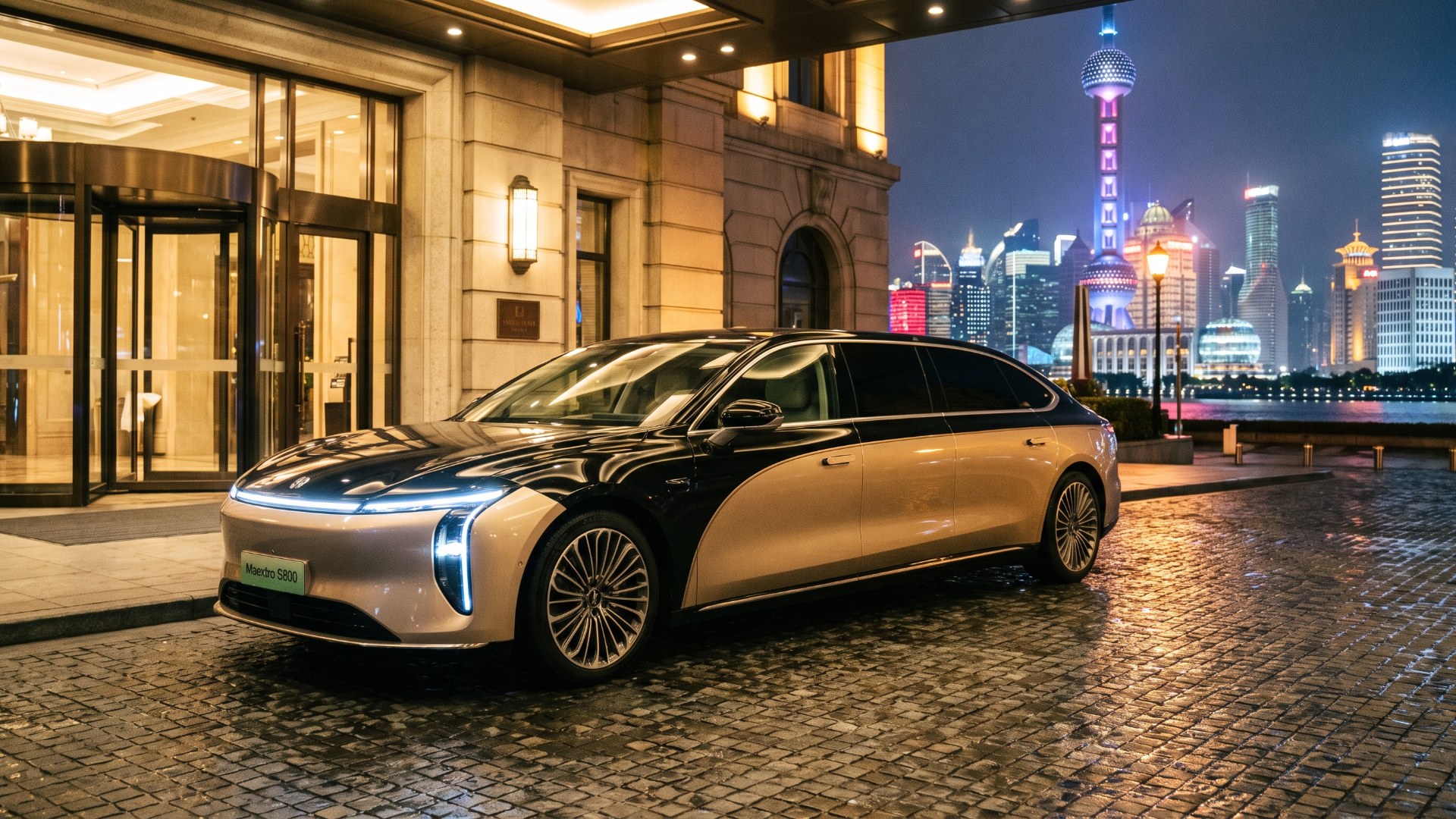
The more telling car is a chauffeur sedan. The Maextro S800, developed by Huawei with JAC Motors, sells for roughly $104,000 to $150,000. In April 2026 it outsold the Mercedes-Maybach S-Class, the Porsche Panamera and the BMW 7 Series in China, and an updated version is adding an 896-line lidar.
The established brands are feeling it. Porsche delivered 41,938 cars in China in 2025, down 26%, and its executives acknowledged that the market’s growth was coming from domestic electric brands.
American showrooms are walled off from these cars for now. Chinese-built EVs face a 100% tariff, and a Commerce Department rule finalized in January 2025 bars connected-car software tied to China from model year 2027 and hardware from model year 2030.
That buys the established brands time in the U.S. It doesn’t protect their global profits, and it doesn’t stop the features Chinese makers force into the market from setting the pace everywhere else. We looked at what that does to the supercar power race in The Supercar Horsepower War Is Over. Emotion Is the New Battleground.
So what does $200,000 buy now?
If technology is no longer the moat, expensive cars have to stand on something else. There are four obvious candidates, and the sales data says some are holding up better than others.
1. Craftsmanship: time you can see and touch
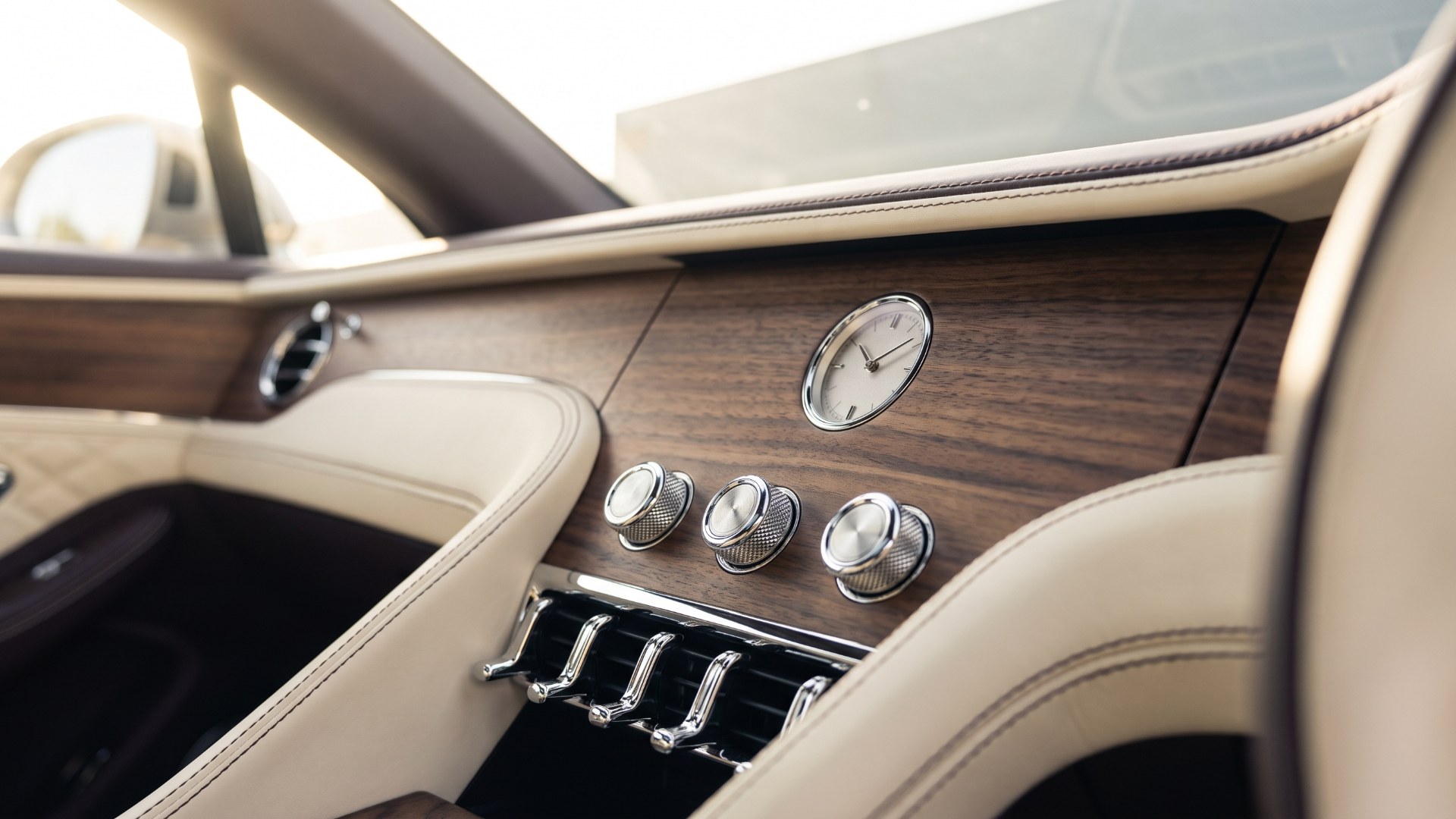
Software scales, which is why it gets cheap. Hand work doesn’t. A stitched steering wheel, a book-matched veneer, a paint color mixed for one client: each takes hours of skilled labor that can’t be pushed out in an over-the-air update or copied by a rival’s next model.
Rolls-Royce is the clearest example. The company reported a record year for Bespoke in 2024, with Bespoke content per car up 10%, and alongside it announced about $370 million of investment to extend its Goodwood plant.
It builds roughly 5,700 cars a year. It doesn’t need to be first to any feature. It needs every car to feel like it was made for one person.

2. Heritage: a story nobody can launch overnight
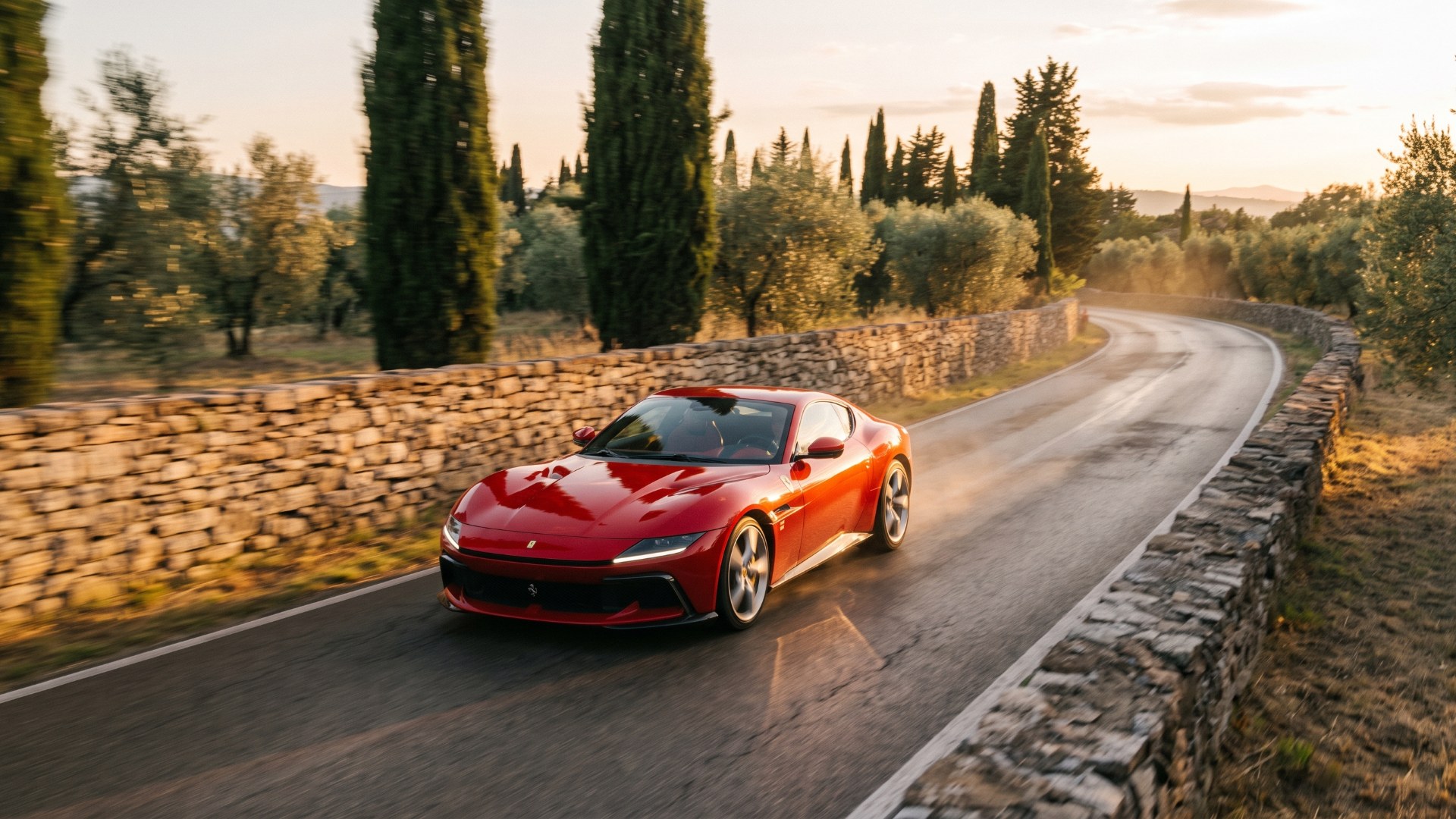
A tech company can buy motors, batteries and lap times. It can’t buy Le Mans wins from the 1950s or seven decades of V12s. That’s why Ferrari can grow revenue while barely growing volume.
In 2025, Ferrari shipped 13,640 cars, 112 fewer than in 2024. Net revenues still rose 7% to about $8.1 billion, EBITDA reached about $3.1 billion, a 38.8% margin, and the company said its order book extends toward the end of 2027. It credited product mix and personalization.
3. Exclusivity: the number that isn’t horsepower
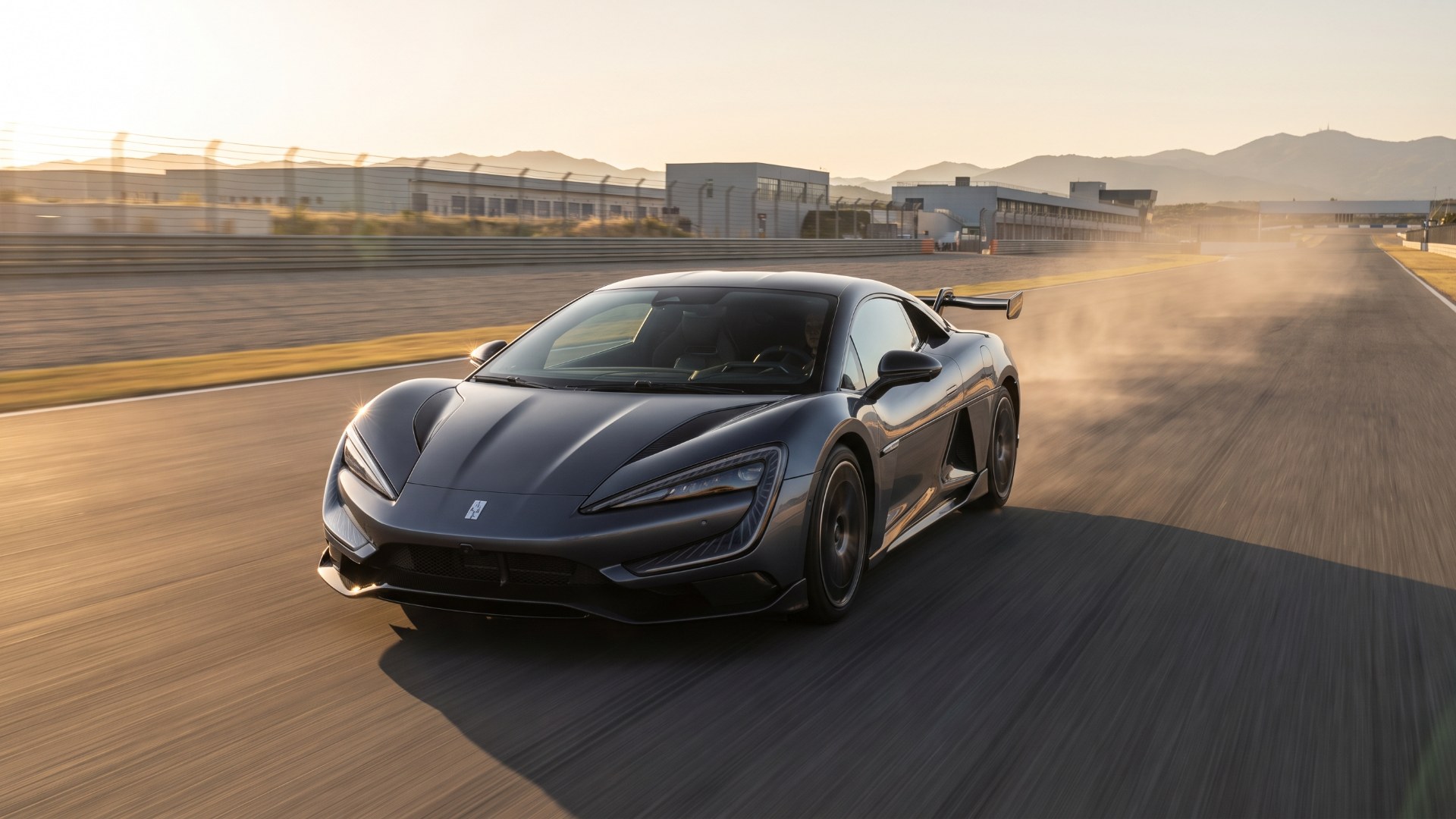
The most important figure on a $500,000 car may be how many exist. Ferrari manages supply deliberately. Even BYD, the world’s volume EV giant, capped its 2,977-hp Yangwang U9 Xtreme at 30 cars after it reached 308 mph on a one-way run in Germany.
Hypercar makers routinely sell out before showing a car, as we explained in Why Hypercars Sell Out Before They’re Revealed. A mass-market rival can match a spec sheet. It struggles to match scarcity without giving up the volume that makes its prices possible.
4. Experience: how the car feels, and how owning it feels
This is the broadest category, and the one the established brands are leaning on hardest. It covers the drive itself: sound, steering feel, the click of a real switch. It also covers everything around the car, from private commissioning studios to factory visits and owner events.
Look at the Ferrari Luce, the brand’s first electric car, revealed in May 2026 with LoveFrom, the design firm of Jony Ive and Marc Newson. Where rivals keep growing their screens, Ferrari used physical switches in glass and anodized aluminum, conventional steering-wheel buttons instead of touchpads, and real needles layered over OLED displays.
The Luce is priced from about $620,000 based on its European price and is expected in the U.S. in the second quarter of 2027. At that price, Ferrari chose to make its technology feel crafted, not just plentiful. Bugatti went further with the Tourbillon, building its instrument cluster with Swiss watchmakers; we broke down what that money buys in Bugatti Tourbillon vs Chiron.
What buyers are telling the industry
The clearest evidence comes from Rolls-Royce’s 2025 delivery split. Total deliveries were nearly flat at 5,664, down 0.8%. Inside that number, the V12 Cullinan rose 27.1% to 3,291 cars and the Ghost rose 22.9%, while the all-electric Spectre, the most technologically ambitious car in the range, fell 47% to 1,002.
Other factors are at work, including the Spectre’s age and softer EV demand in luxury markets. But it doesn’t look like a market where the newest technology carries the premium on its own. Ferrari saw the same nervousness when its shares fell 8.4% the day after the Luce reveal, which we covered in our Ferrari Luce analysis.
ECN Opinion
Technology has become what horsepower became a few years ago: the entry fee. A $200,000 car still has to have excellent screens, driver assistance and software, and buyers notice when it doesn’t. But being good at technology no longer explains the price. Above that line, the brands that win will sell what is slow to make and hard to copy: hand work, history, scarcity and how the car makes you feel.
The case against this argument
There are good reasons not to write technology out of the luxury story. The challengers aren’t only selling specs. The Maextro’s dramatic two-tone paint and limousine proportions are aimed squarely at the traditional chauffeur buyer, and BYD’s 30-car Xtreme shows the newcomers understand scarcity. Heritage takes decades to build, but it has to start somewhere.
Bad technology still hurts, too. A buyer who gets excellent hands-free driving in a $50,000 Chevrolet will not forgive a clumsy system in a $250,000 car. Technology may no longer justify the premium, but weak technology can still destroy it.
And the trade walls are real. As long as the tariff and the connected-vehicle rule stand, the most aggressive Chinese competitors won’t be parked next to a Bentley at an American dealership. The pressure on U.S. pricing comes mainly from Detroit, Tesla and the global brands themselves.
What it means if you’re buying at this level
For decades, luxury makers used the flagship as a technology showcase and passed features down years later. In several areas that pipeline has reversed, so the premium has to be earned in places a spec sheet doesn’t reach.
For buyers and collectors, that suggests a useful filter. The parts of an expensive car most likely to keep their meaning are the hard-to-replicate ones: the engine or drive character, the hand finish, the production number, the story. The screen in a 2026 flagship will look dated long before its stitching does.
Pay for what can’t be updated over the air. Expect the rest to be matched by a mainstream car within a few model years. If you’re comparing the super-SUV end of the market, our Urus vs. DBX vs. Cullinan vs. Purosangue breakdown is a good place to start.
What’s next
Four things are worth watching. MB.Drive Assist Pro reaches U.S. CLA and S-Class owners later in 2026, a direct test of whether one system can serve both ends of a lineup. The Ferrari Luce is expected in the U.S. in the second quarter of 2027.
The connected-vehicle rule’s software ban takes effect with model year 2027. And Rolls-Royce’s 2026 numbers will show whether the gap between the Cullinan and the Spectre was a one-year blip or a signal about what ultra-luxury buyers want.
Images: Exotic Car News. The vehicle, cabin and workshop images in this story, including the lead image, are editorial illustrations, not manufacturer, press or event photography.
Frequently asked questions
Why is technology no longer a luxury-car differentiator?
Features that once launched on flagship cars now reach mainstream models quickly. GM’s hands-free Super Cruise is on 23 models down to the Chevrolet Bolt, Mercedes is debuting its newest U.S. driver-assistance system on the $47,250 CLA, and the $54,990 Tesla Model 3 Performance reaches 60 mph in 2.9 seconds by Tesla’s figure.
What justifies the price of a $200,000-plus car now?
The strongest cases rest on craftsmanship, heritage, exclusivity and experience. Rolls-Royce reported record Bespoke content per car in 2024, Ferrari grew revenue 7% in 2025 while shipping slightly fewer cars, and Cadillac builds the $423,050 Celestiq by hand.
How fast is the Corvette ZR1X, and what does it cost?
Chevrolet quotes 1,250 hp, 0–60 mph in under two seconds and a 233-mph top track speed for the Corvette ZR1X. It starts at $207,395.
Can you buy Chinese luxury cars like the Xiaomi SU7 Ultra or Maextro S800 in the U.S.?
No. Chinese-built EVs face a 100% U.S. tariff, and a Commerce Department rule finalized in January 2025 bars connected-car software tied to China from model year 2027 and hardware from model year 2030.
Why did Mercedes drop Drive Pilot?
Drive Pilot, Mercedes’ Level 3 system, worked only below 40 mph in California and Nevada. Mercedes is replacing it with MB.Drive Assist Pro, a hands-off Level 2 system designed for city streets as well as highways.
Is the Ferrari Luce coming to the U.S.?
The Ferrari Luce, revealed in May 2026, is expected in the U.S. in the second quarter of 2027. Its European price works out to about $620,000.