
By Exotic Car News Editorial Staff
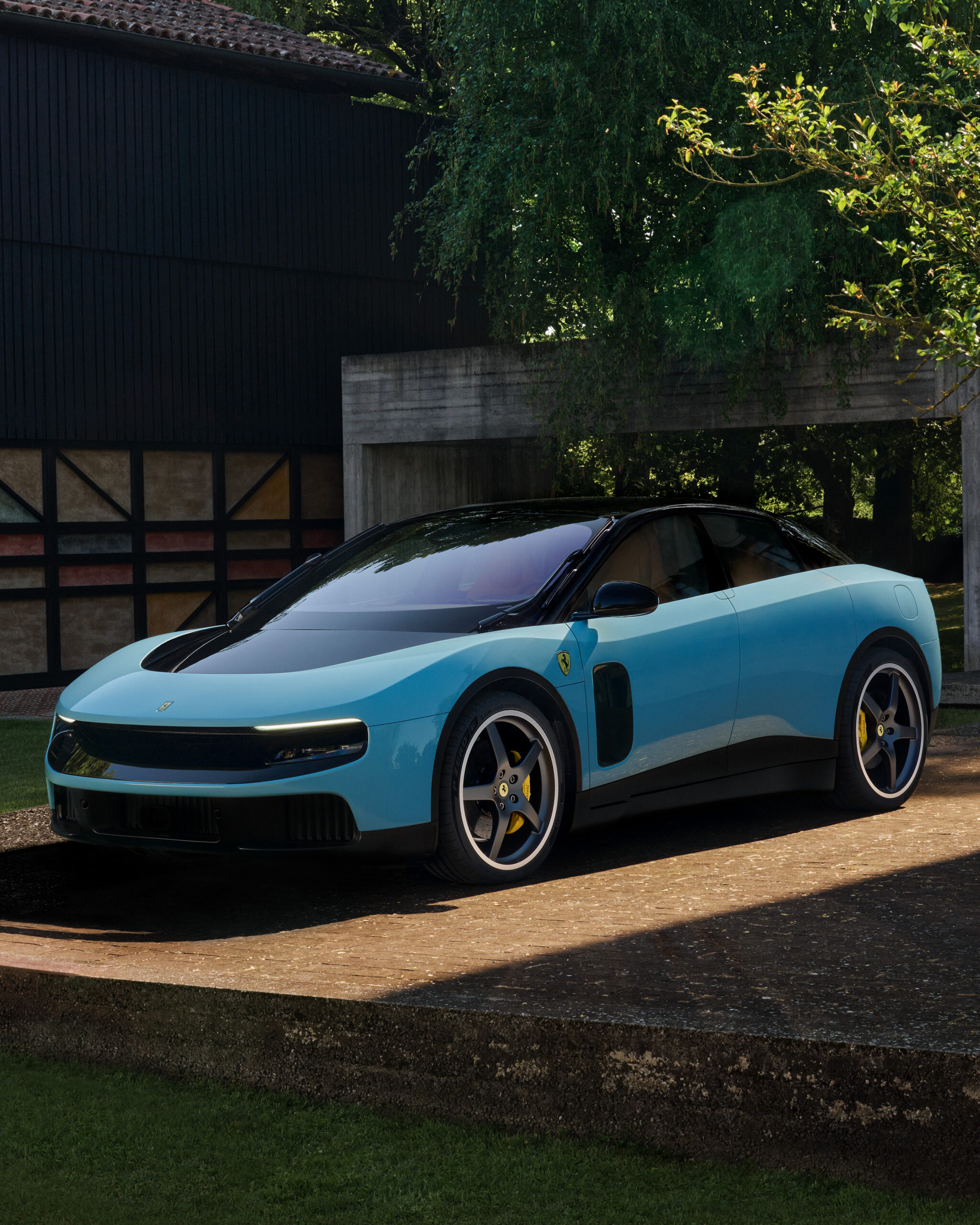
When Ferrari unveiled the all-new Luce, its first fully electric production vehicle, the reaction was immediate, emotional, and in some corners of the automotive world, downright hostile.
Social media exploded.
Traditional Ferrari owners questioned whether Maranello had lost its identity.
Even former Ferrari leadership publicly expressed concerns about the direction of the brand.
And yet, beneath the noise, the Ferrari Luce may represent one of the most important vehicles the company has ever built.
Not because it is electric.
Because it forces enthusiasts, investors, and the luxury automotive industry to answer a difficult question:
What actually makes a Ferrari a Ferrari?
Ferrari Luce EV At A Glance
Vehicle: Ferrari Luce EV
Power: 1,050 hp
Battery: 122 kWh
Drivetrain: Four-Motor AWD
Range: 530 km (329 miles)
0-62 mph: 2.5 seconds
0-124 mph: 6.8 seconds
Top Speed: 192 mph (310 km/h)
Seats: 5
Charging Speed: Up to 350 kW DC Fast Charging
Production Start: Late 2026
The Numbers Nobody Can Ignore
Before discussing philosophy, emotion, or brand heritage, let’s start with the hard facts.
The Ferrari Luce arrives with performance figures that would have been considered science fiction just a decade ago.
Ferrari Luce Specifications
- Four electric motors
- 1,050 horsepower
- 122-kWh structural battery pack
- 800-volt architecture
- Up to 350-kW DC fast charging
- Approximately 330 miles (530 km) of range
- 0-62 mph in 2.5 seconds
- 0-124 mph in 6.8 seconds
- Top speed of 192 mph
- Five-passenger configuration
- Estimated price of approximately $640,000
- Deliveries expected to begin in late 2026
Those numbers place the Luce among the most powerful road-going Ferraris ever produced.
But the specification sheet only tells part of the story.
Ferrari sets out the drivetrain and chassis work behind the car on its official Ferrari Luce engineering page. Ferrari says the Luce generated more than 60 patents during development and was engineered almost entirely in-house. The motors, battery integration, software, vehicle control systems, chassis architecture, and power electronics were developed in Maranello rather than sourced as a turnkey EV platform.
That distinction matters.
One of the biggest misconceptions surrounding the Luce is that Ferrari simply joined the EV race. In reality, Ferrari appears determined to prove that this is still a Ferrari first and an electric vehicle second.
Why Ferrari’s Stock Took a Hit
The market’s initial reaction was surprisingly negative.
Following the reveal, Ferrari shares experienced a notable pullback as investors attempted to gauge whether the Luce represented a brilliant expansion of the Ferrari ecosystem or a dangerous departure from it. Some analysts worried that Ferrari could alienate its ultra-loyal customer base while entering a premium EV market that has recently cooled.
However, the more interesting story came days later.
Ferrari CEO Benedetto Vigna publicly stated that customer interest was stronger than expected and that deposits were already being placed by both existing Ferrari clients and completely new buyers. Shares stabilized shortly afterward as investors began focusing on demand rather than internet outrage.
This is a critical distinction.
Ferrari does not need to sell 50,000 Luces.
Ferrari only needs to sell enough Luces to the right people.
Historically, that has been the company’s greatest strength.
Lamborghini Just Blinked
The timing of the Luce is fascinating because Ferrari is moving forward while Lamborghini is moving backward.
For years Lamborghini’s Lanzador concept was positioned as the company’s electric future. The concept promised over 1,300 horsepower and a radical new direction for Sant’Agata Bolognese. Yet in 2026, Lamborghini effectively pulled the plug on the full-electric strategy, shifting the Lanzador toward a hybrid future instead.
Ferrari saw the exact same market conditions.
Ferrari saw the same slowing EV demand.
Ferrari saw the same enthusiast resistance.
And then Ferrari launched the Luce anyway.
That alone deserves respect.
Whether the Luce succeeds or fails, Ferrari is gathering real-world data while competitors continue debating the future in boardrooms.
The Car Guys Are Right About One Thing
Let’s be honest.
The criticism isn’t entirely unfair.
Ferrari enthusiasts don’t buy Ferraris because they’re practical.
They don’t buy Ferraris because they’re efficient.
They buy Ferraris because they create emotion.
For generations that emotion came from naturally aspirated V8s, screaming V12s, gated manuals, Formula 1 technology, and an unmistakable soundtrack.
A silent Ferrari will never replace a 458 Speciale.
A silent Ferrari will never replace an F40.
A silent Ferrari will never replace a Daytona SP3.
And Ferrari knows that.
The company has repeatedly stated that the Luce is an addition to the lineup, not a replacement for internal combustion or hybrid models.
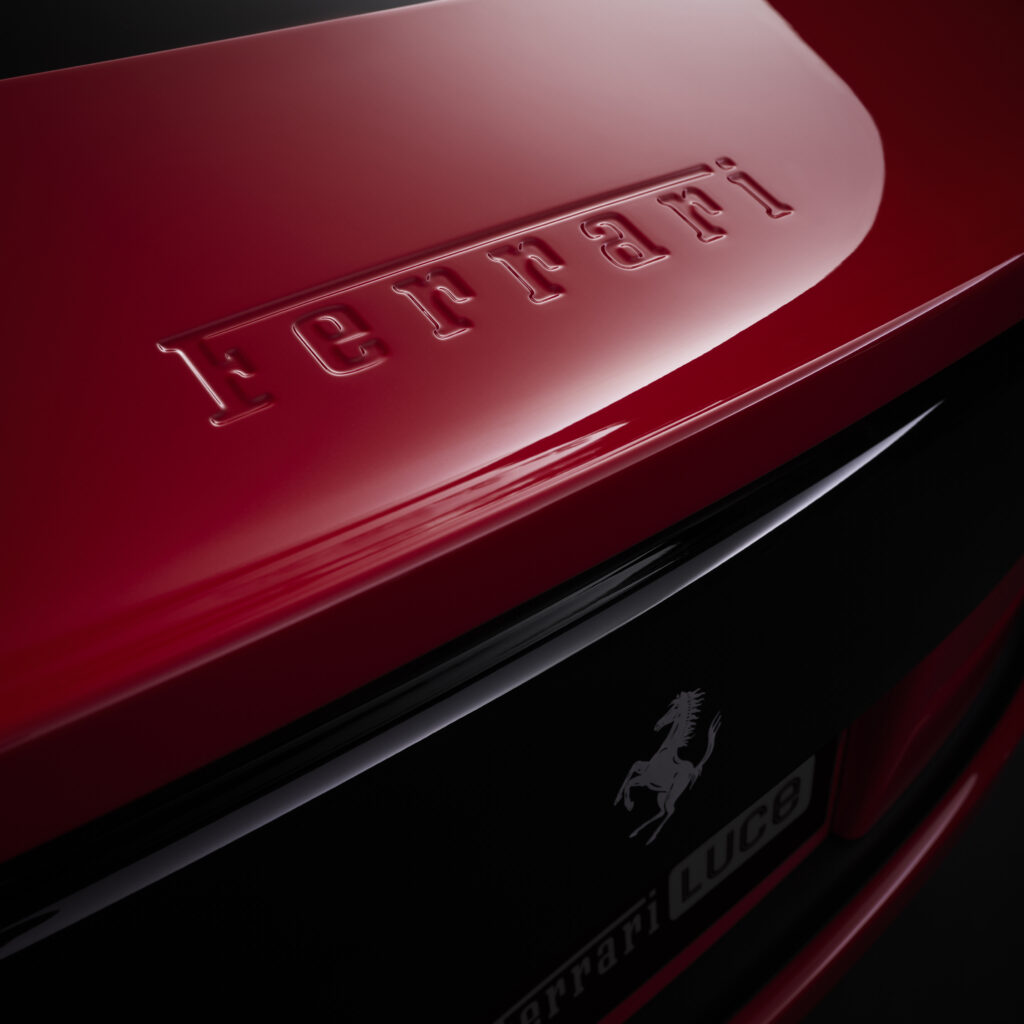
In fact, Ferrari rarely refers to the Luce as simply an electric Ferrari. Throughout its launch materials, the company consistently describes it as “an entirely new Ferrari,” positioning it alongside hybrid and combustion-powered models rather than as their successor.
Many enthusiasts are arguing against a future Ferrari never actually proposed.
The Detail Everyone Is Overlooking
The Luce isn’t really competing against a 296 GTB.
It isn’t competing against an SF90.
It isn’t even competing against a Purosangue.
The Luce is competing for a completely different customer.
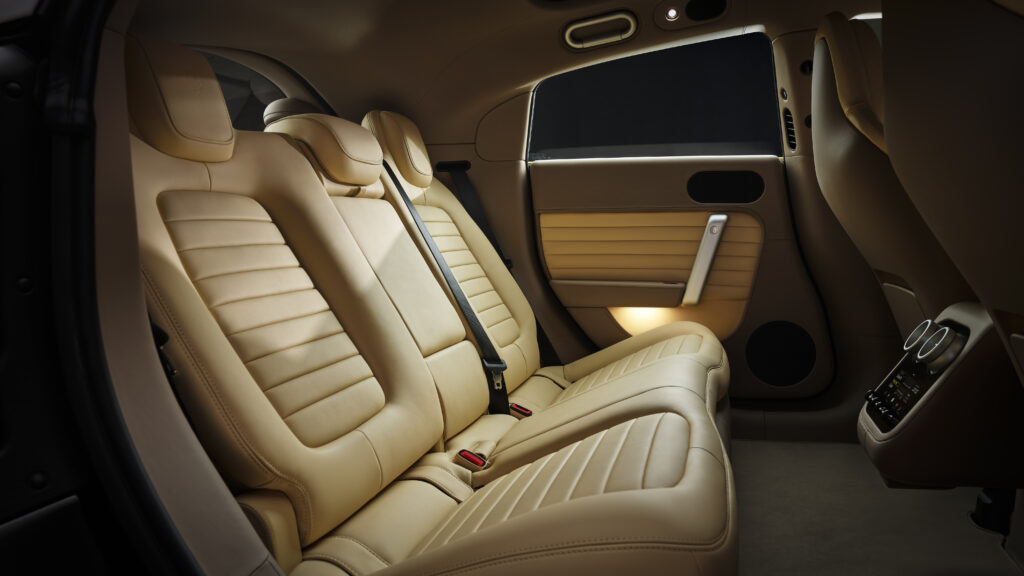
Lost beneath the horsepower figures and EV debate is perhaps the most significant detail about the Ferrari Luce: it is Ferrari’s first true five-seat production vehicle.
Not four seats.
Five seats.
That may sound minor, but it fundamentally changes who Ferrari is targeting.
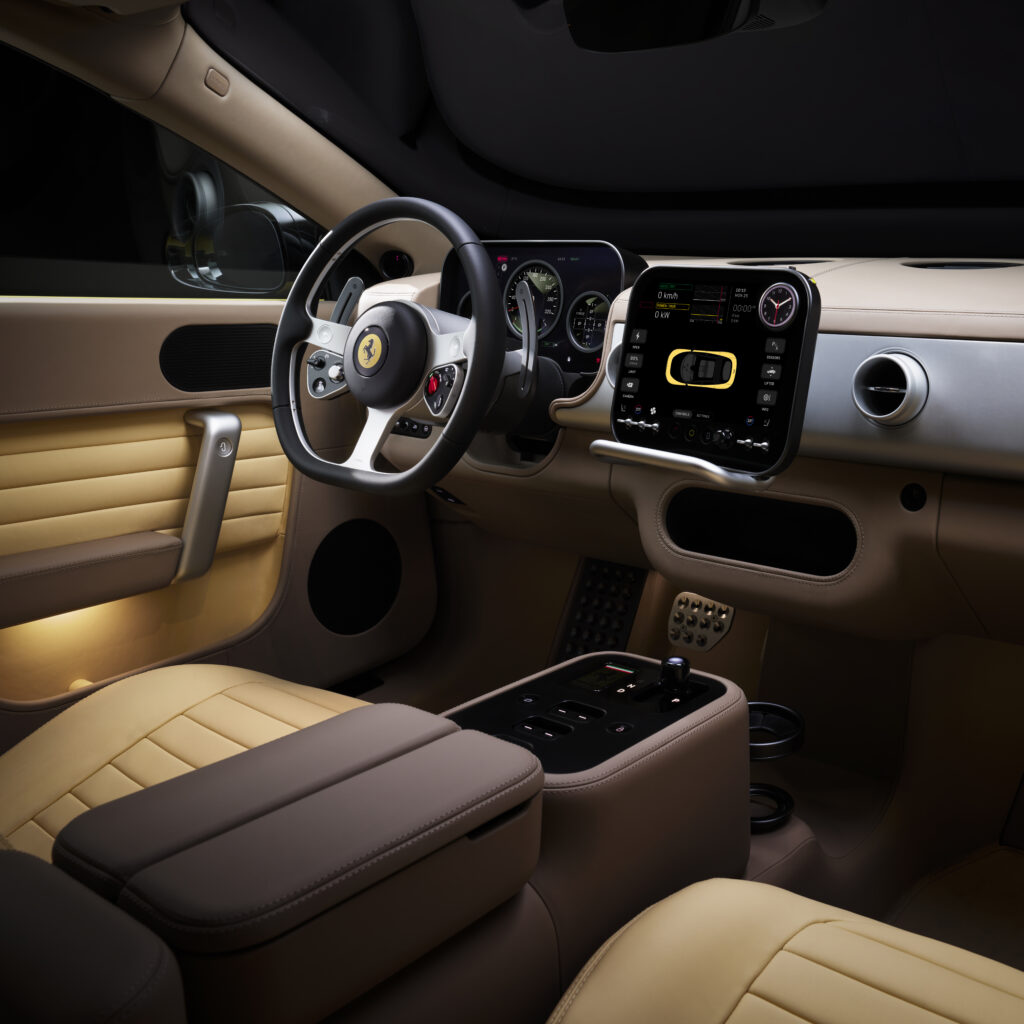
The Luce is also being positioned as the most comfortable Ferrari ever built, with a heavy emphasis on ride quality, noise isolation, active suspension technology, interior space, and long-distance usability.
For decades Ferrari engineered around performance first and practicality second.
The Luce reverses that formula without abandoning performance.
Think about the modern ultra-high-net-worth buyer.
The founder who just sold an AI company.
The crypto entrepreneur in Singapore.
The technology executive in Shanghai.
The venture capitalist in Silicon Valley.
The family office manager in Dubai.
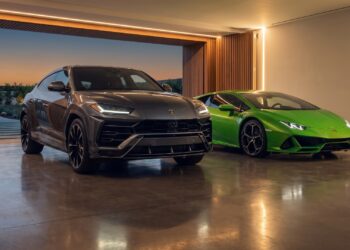
Many of these buyers already own Ferraris, Lamborghinis, Porsches, McLarens, and Rolls-Royces.
For them, the Luce isn’t replacing a Ferrari.
It’s becoming another Ferrari.
That distinction changes everything.
The Regional Buyers Ferrari Is Targeting
China
China may ultimately determine whether the Luce becomes a success story.
Electric vehicles account for a massive and growing share of new vehicle sales throughout the region. Ferrari’s traditional presence in China has softened in recent years, and the Luce provides an opportunity to reconnect with a younger, technology-focused luxury audience.
Middle East
The Middle East presents another natural market.
The combination of luxury, exclusivity, cutting-edge technology, instant torque, and family usability aligns perfectly with buyers who often maintain large collections rather than single-car garages.
North America
The United States may be the most divided market.
Traditional collectors appear skeptical, but younger luxury buyers who grew up with Teslas, Rivians, Lucids, and high-performance EVs may see the Luce as the ultimate status symbol.
Europe
Europe remains Ferrari’s strongest emotional market, but also one facing increasing emissions regulations. The Luce provides Ferrari with future-proofing while maintaining access to environmentally conscious luxury buyers.
Is It Actually Beautiful?
That depends on who you ask.
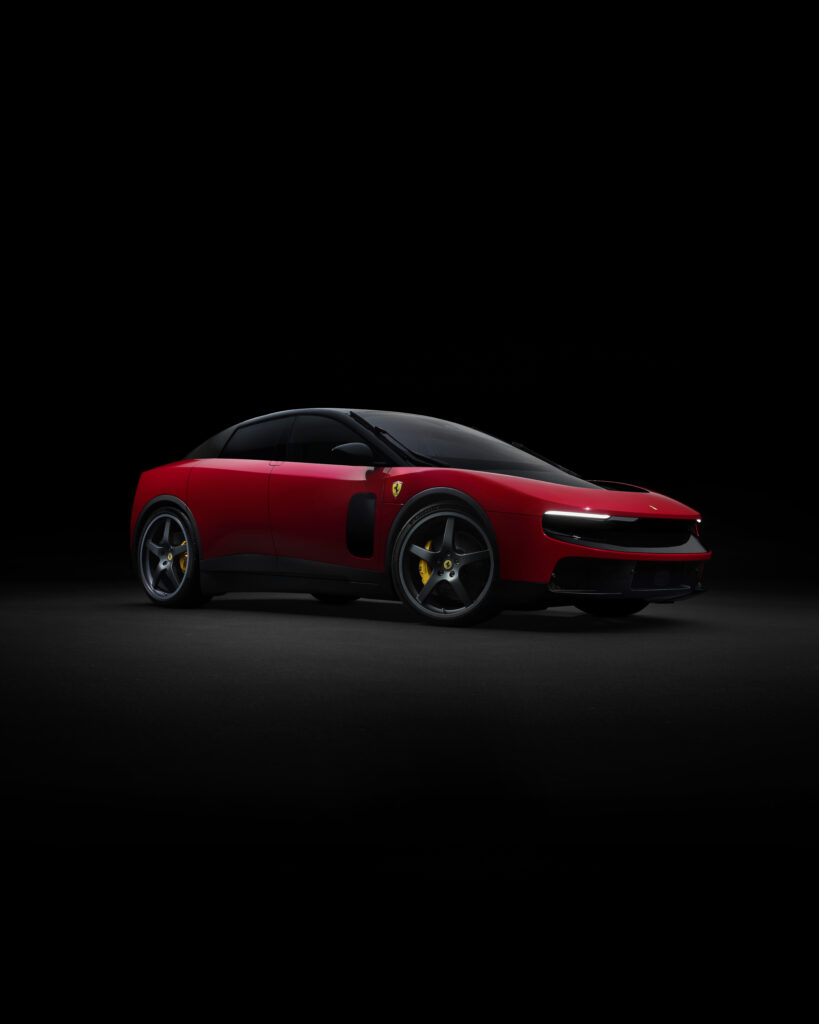
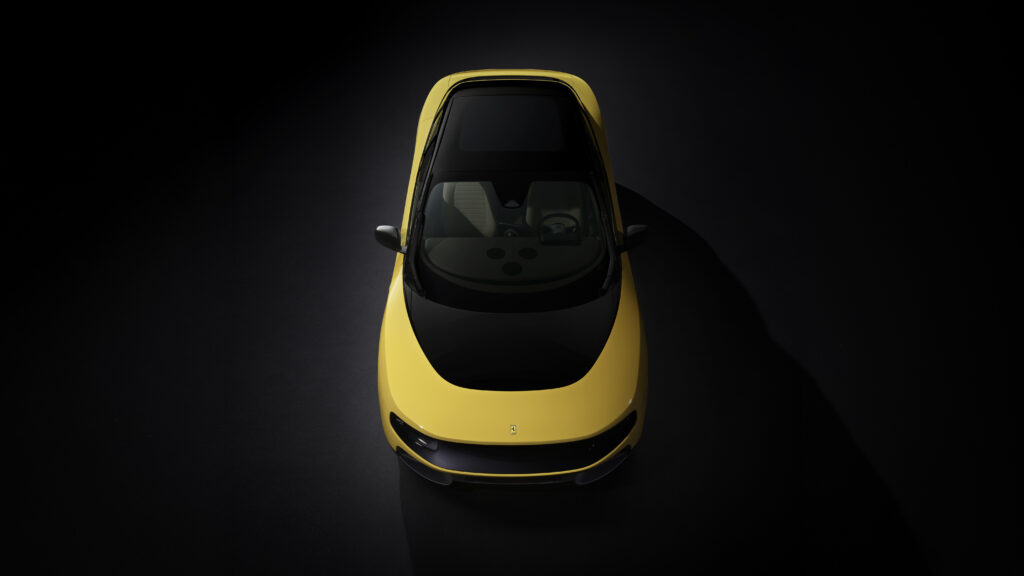
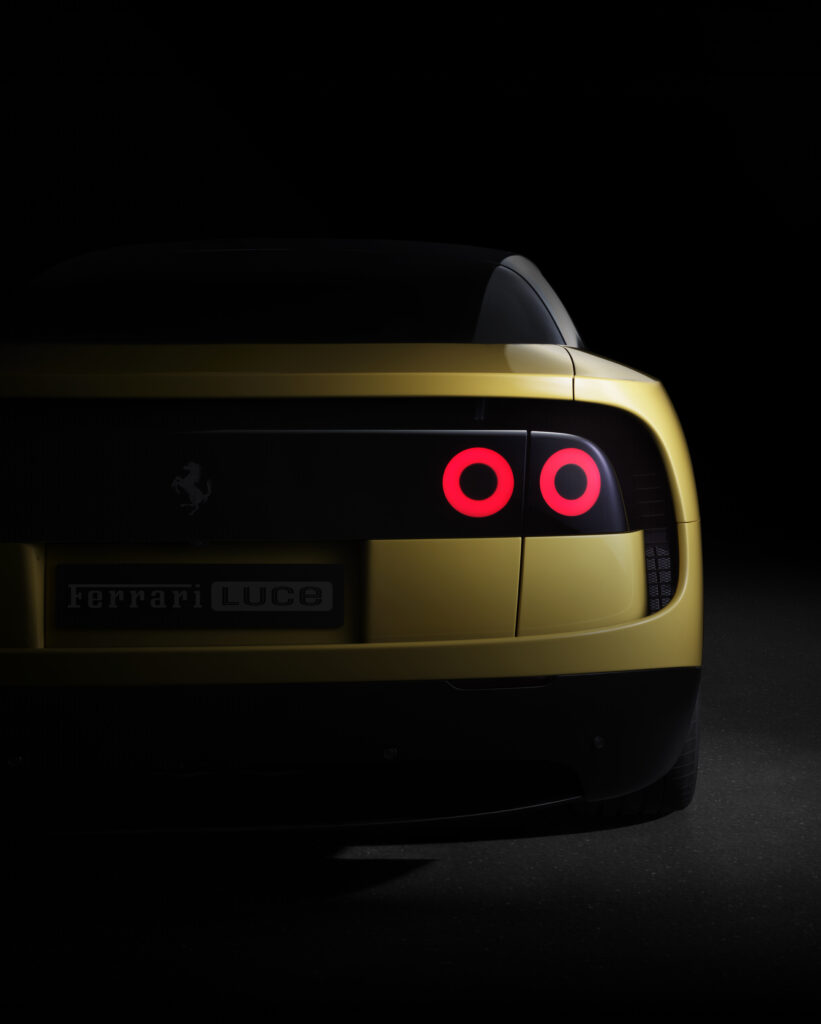
The Luce’s styling has arguably generated more controversy than its powertrain.
Some enthusiasts have compared it to mainstream EVs. Others argue Ferrari deliberately avoided creating a traditional supercar silhouette because the mission of the vehicle demanded something entirely different.
There’s another fascinating layer to the story.
The Luce was developed in collaboration with LoveFrom, the design collective founded by former Apple design chief Jony Ive and industrial designer Marc Newson.
That influence is visible throughout the vehicle.
The minimalist glass-heavy architecture.
The simplified forms.
The emphasis on materials.
The unusually clean interface.
The focus on human interaction.
Love it or hate it, the Luce may be one of the most intentionally designed Ferraris in modern history.
The interior in particular appears to be where much of that effort was focused.
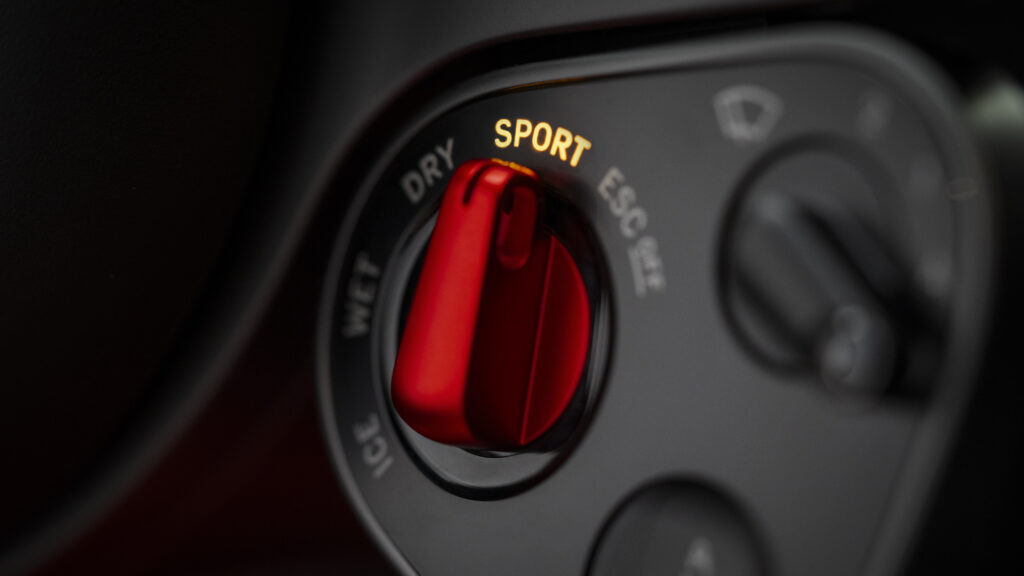
Ferrari combines physical controls, aluminum switches, tactile dials, dedicated torque-control paddles, multiple OLED displays, and a 21-speaker, 3,000-watt audio system. The result feels less like a traditional supercar cockpit and more like a luxury technology flagship.
Then there are the wheels.
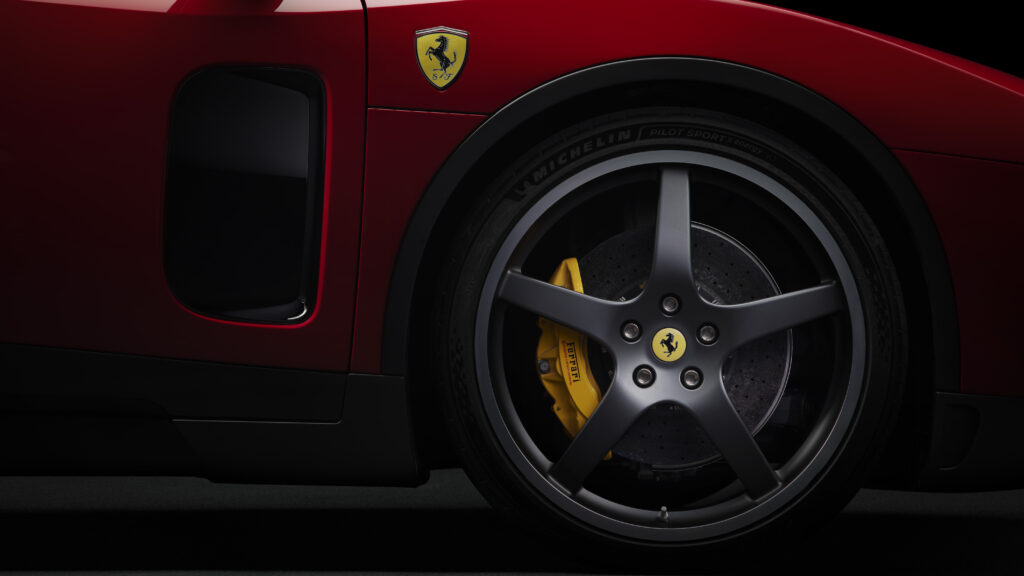
At 23 inches in front and 24 inches in the rear, they are the largest wheels ever fitted to a production Ferrari.
Even by Ferrari standards, that’s a bold statement.
Personally?
The exterior will remain divisive.
But the interior may be one of the finest Ferrari cabins ever produced.
What About The Sound?
Perhaps the most surprising engineering story isn’t the battery.
It’s the sound.
Ferrari knew one of the biggest criticisms would be the absence of a V8 or V12 soundtrack.
Rather than creating an artificial engine note through speakers, Ferrari took a different approach.
Sensors mounted within the drivetrain capture actual vibrations generated by the electric motors and mechanical components. Those sounds are then amplified and refined to create what Ferrari describes as an authentic acoustic experience rather than a simulated one.
Whether enthusiasts embrace it remains to be seen.
But it represents one of the most thoughtful attempts yet to preserve emotional engagement in an electric performance car.
Key Takeaways
- Ferrari Luce is Ferrari’s first fully electric production vehicle.
- Ferrari engineered the battery, motors, software, and platform in-house.
- The Luce introduces Ferrari’s first true five-seat production layout.
- Performance reaches 1,050 horsepower and 0-62 mph in 2.5 seconds.
- Ferrari positions the Luce alongside hybrid and combustion models rather than as a replacement.
- The vehicle targets affluent buyers in China, North America, Europe, and the Middle East.
- The Luce may become one of the most important products in Ferrari’s modern history.
Frequently Asked Questions
Is the Ferrari Luce Ferrari’s first electric vehicle?
Yes. The Ferrari Luce is Ferrari’s first fully electric production vehicle and introduces an all-new platform developed in-house by Ferrari.
How much horsepower does the Ferrari Luce have?
The Ferrari Luce produces approximately 1,050 horsepower from four electric motors, one powering each wheel.
What is the range of the Ferrari Luce?
Ferrari estimates the Luce will deliver more than 530 km (329 miles) of range.
How fast is the Ferrari Luce?
The Ferrari Luce accelerates from 0-62 mph in 2.5 seconds and reaches a top speed of approximately 192 mph.
Will the Ferrari Luce replace Ferrari’s V8 and V12 models?
No. Ferrari has stated that the Luce will exist alongside its internal combustion and hybrid models as part of a multi-powertrain strategy.
The Verdict
The Ferrari Luce may never become the most beloved Ferrari.
It may never hang on bedroom walls beside the F40, Enzo, LaFerrari, or Daytona SP3.
But that doesn’t mean it isn’t important.
In fact, it may be one of the most important Ferraris ever built.
The Luce represents Ferrari testing a new market while preserving the old one.
It represents Maranello taking a risk while many competitors continue to hesitate.
And perhaps most importantly, it demonstrates that Ferrari isn’t trying to build the best electric car.
Ferrari is trying to build the first electric Ferrari worthy of the badge.
It is not an attempt to replace Ferrari’s heritage.
It is an attempt to ensure Ferrari still has a future.
The irony is that the most controversial Ferrari of the modern era might ultimately prove that Ferrari understands its customers better than the internet does.
And whether enthusiasts love it or hate it, one thing is certain:
Nobody is ignoring it.