

Electric vehicles were supposed to redefine luxury—faster, smoother, more advanced than anything before. And in many ways, they have. But in 2026, one issue continues to stand out in the exotic and high-end market:
They’re missing emotion.
Not performance.
Not innovation.
Not design.
Emotion.
Luxury Has Always Been About Feeling
At the highest level, luxury cars are not just purchased—they are experienced.
Buyers in this space expect:
- Presence
- Sound
- Drama
- Identity
A traditional exotic car delivers all of that. The sound of a high-revving engine, the vibration through the cabin, and the anticipation as power builds are all part of the experience.
That sensory engagement is what defines true automotive luxury.
EV Excellence—With a Trade-Off
There’s no denying what luxury EVs do well:
- Instant acceleration
- Seamless power delivery
- Ultra-quiet cabins
- Advanced digital technology
From a technical perspective, they are exceptional.
But that same refinement creates a trade-off.
The experience can feel:
- Too quiet
- Too smooth
- Too predictable
What initially feels impressive can start to feel disconnected.
Silence vs Identity
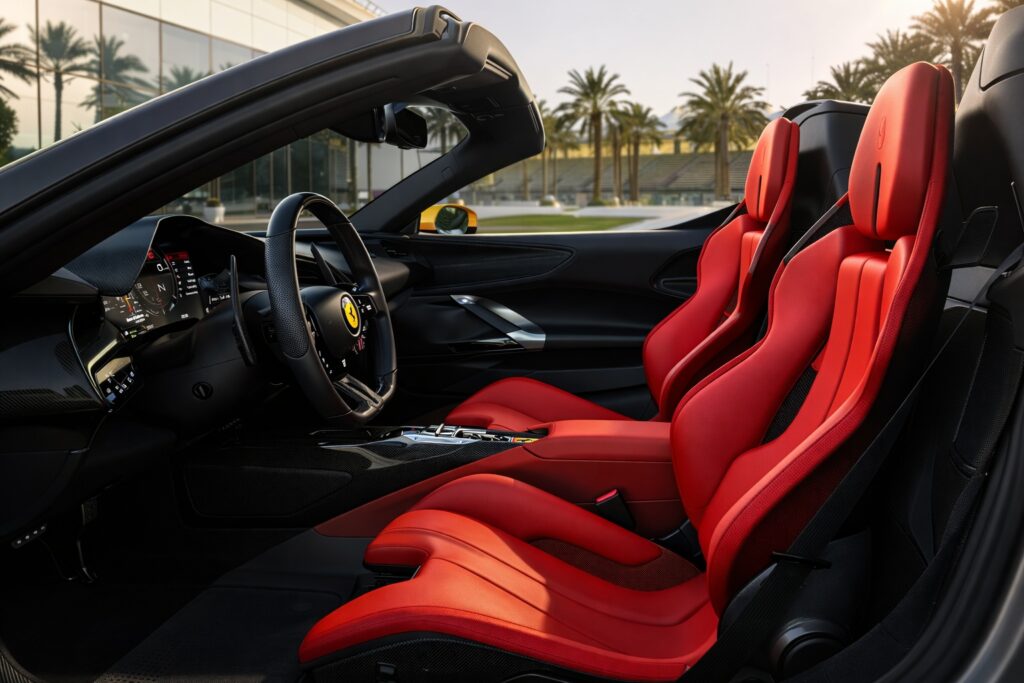
In most industries, silence is considered premium. In exotic cars, it’s the opposite.
Sound is part of the identity:
- The growl at startup
- The rising pitch under acceleration
- The unmistakable tone of different engines
These elements create anticipation and emotional connection.
Electric vehicles remove that layer entirely. While some attempt to recreate it digitally, it often lacks authenticity.
The Shift From Mechanical to Digital
Luxury EVs are increasingly defined by software:
- Large touchscreens
- Over-the-air updates
- Minimalist interiors
- Digital controls
While these features represent progress, they also shift the experience away from mechanical interaction.
Traditional exotic cars offer:
- Feedback through the steering
- Physical engagement with the car
- A sense of connection between driver and machine
EVs, by design, reduce that friction—and with it, some of the engagement.
Why High-End Buyers Are Hesitating
Luxury buyers approach vehicles differently.
They are not just looking for transportation—they are curating experiences and collections.
Many already own:
- Gas-powered supercars
- Rare or limited-production vehicles
- Cars with strong emotional or historical value
When considering an EV, the question becomes:
Does it add something new—or does it take something away?
Right now, for many buyers, the answer isn’t clear.
Hybrid: The Current Sweet Spot
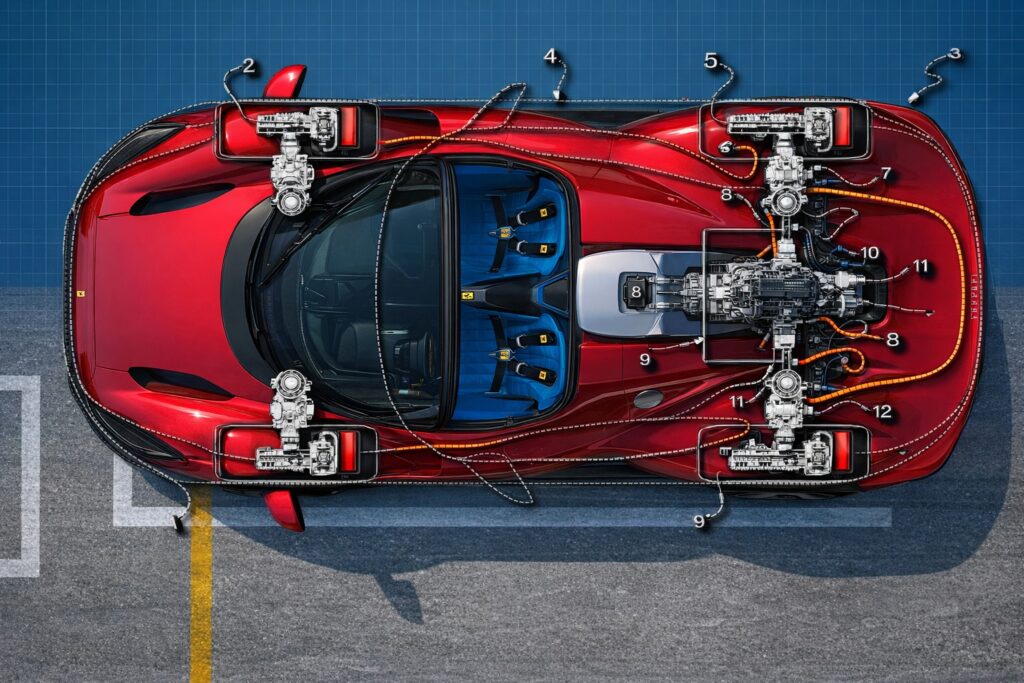
One of the strongest trends in the exotic space is the rise of hybrid performance.
Hybrids offer:
- Electric-assisted acceleration
- Retained engine sound
- Familiar driving feel
- Improved performance
This balance allows buyers to embrace new technology without losing the emotional experience they value.
Can EVs Evolve Emotionally?
Electric vehicles are still evolving, especially in the luxury and exotic segment.
To fully succeed at the highest level, they will need to:
- Create new forms of identity
- Deliver unique sensory experiences
- Redefine what driving excitement feels like
- Offer more than just speed and efficiency
The brands that succeed won’t try to replicate traditional cars—they’ll redefine the experience entirely.
Final Thoughts
Luxury EVs are not failing—but they are facing a critical challenge.
At the top of the market, success isn’t measured in numbers. It’s measured in how a car makes you feel.
And right now, that’s the silent problem.