
For most of the last decade, exotic car technology had an agreed direction of travel: electrify, digitise, automate. Every concept car pointed the same way, and every press release used the same three words.
2026 is the year that consensus broke. Not because electrification failed, but because the timelines moved and the money went somewhere else. Here is where exotic car technology is actually heading now — and what changed.
The short version
- The electric supercar slipped. Lamborghini’s first full EV is now “for sure, after 2030.” Porsche’s electric 718 is confirmed but delayed. The category did not arrive on schedule.
- Combustion did not die, it fragmented. Manufacturers are now running four powertrain bets in parallel rather than committing to one.
- The real advances are in materials, aerodynamics and control — the things that make a car light and responsive, not the things that make it fast in a straight line.
- At the very top, restraint became a feature. The most talked-about cars of 2026 are defined partly by technology their makers chose not to fit.
- The tools changed more than the cars. Simulation is now where most of the engineering happens, which is why small manufacturers can suddenly build things that used to need a corporation.
What actually changed in exotic car technology in 2026
The clearest signal came from Sant’Agata. Lamborghini CEO Stephan Winkelmann confirmed the company’s first fully electric model will not arrive until after 2030, saying the new timeframe is “for sure, after 2030” and that Lamborghini “will follow very closely the rate of acceptance of electric cars.” The Lanzador, originally shown as a full EV, is now expected as a plug-in hybrid.
Porsche has kept its electric 718 alive but late, while its first quarter of 2026 showed softness in exactly the models that were supposed to prove the thesis. Across the wider industry, Top Gear currently counts 47 combustion-engined performance cars arriving through the late 2020s, most of them between 2026 and 2028.
None of that means electrification is cancelled. It means the exotic end of the market got permission to stop pretending it had a single answer, and manufacturers responded by hedging.
The four bets, running in parallel
| Bet | What it looks like | Who is making it |
|---|---|---|
| Turbocharged ICE | Downsized, high-output, emissions-optimised | Most of the mainstream supercar segment |
| High-revving naturally aspirated | Small displacement, extreme rpm, no forced induction | Gordon Murray, Hennessey, specialist builders |
| Plug-in hybrid | Electric assist for torque fill and compliance | Ferrari, Lamborghini, McLaren flagships |
| Full electric | Deferred, re-scoped or quietly reframed | Almost everyone, eventually |
Read that table as a risk-management document rather than a technology roadmap. Nobody at this level can afford to be wrong for a decade, so nobody is committing to one path.
Exotic car technology: where the engineering money actually goes
1. Mass, and the war against it
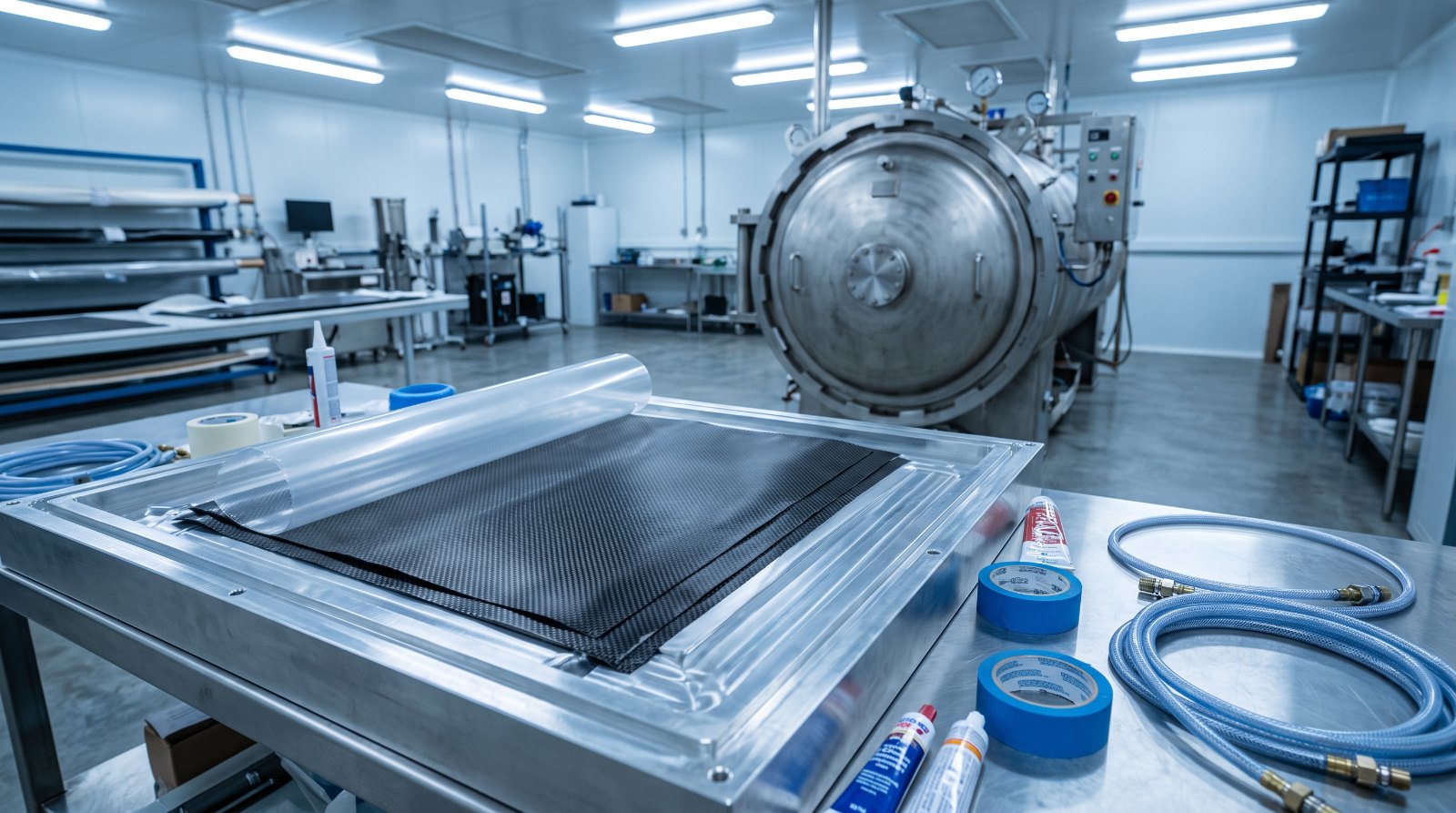
Carbon fibre monocoques are not new — the McLaren F1 had one in 1992. What changed is that the process got cheap enough and repeatable enough for genuinely small manufacturers to use it, and that mass became the headline number rather than a footnote.
The Gordon Murray S1 targets under 997 kg. The Hennessey Blackbird targets under 3,000 lb dry. Both figures are quoted ahead of horsepower in their own press material, which would have been an odd choice in 2015.
The reason is compounding. Lighter cars need smaller brakes, lighter suspension, less tyre, less fuel and less structure to carry all of it — and every one of those reductions removes more mass. Adding power does none of that. It is the only lever in car design that pays you twice.
2. Active aerodynamics replaced brute downforce
The fixed rear wing is becoming a track-car signature rather than a road-car one. In its place: bodywork that changes shape.
Gordon Murray’s T.50 took the most extreme route with a 400 mm ground-effect fan. Its road-going S1 sibling dropped the fan entirely for an active system integrated into the rear of the car, tuned for stability and braking rather than peak downforce. Hennessey’s Blackbird deploys vertical stabilizers at 71 mph. The common thread is that downforce is now something a car produces when it needs it, instead of dragging around permanently.
That matters more than it sounds. Permanent downforce costs drag, and drag costs range, emissions and top speed. Making it switchable is how a car can be genuinely quick on a circuit and still tolerable across a country.
3. The naturally aspirated engine got exotic again
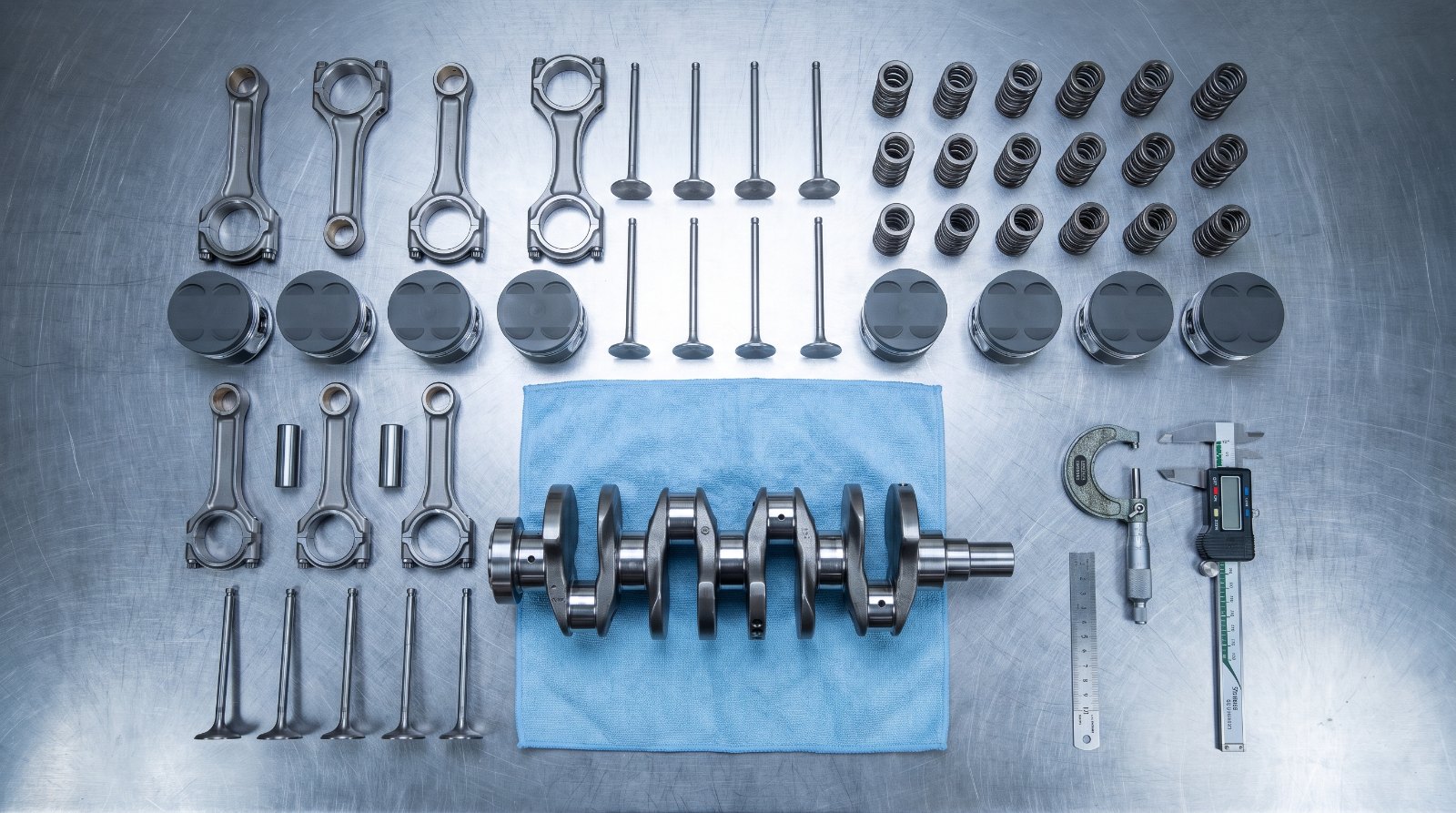
If you want power without turbochargers, you need revs — and revs are a materials problem before they are a tuning problem. Piston speed, not power, is what limits most road engines.
The current crop shows what that costs. The S1’s 4.2-litre Cosworth V12 runs to 12,100 rpm on silicon carbide-coated pistons, titanium valves and titanium connecting rods, with dry-sump lubrication. The Blackbird’s 6.2-litre Ilmor V8 targets beyond 9,000 rpm. These are racing-engine construction methods applied to cars with luggage space, and they are expensive in a way forced induction simply is not.
That is the point. Choosing revs over boost is a deliberate decision to spend money on character. We covered the wider field in the last naturally aspirated V12s.
4. The feel layer: steering, damping and shift quality
The least measurable category is now openly marketed. McLaren confirmed that its McL 6GT uses hydraulic rather than purely electronic steering assistance — a heavier, thirstier, more expensive solution chosen specifically because of how it communicates. Adaptive damping has become standard even on cars marketed as analogue. Manufacturers now describe shift feel in press releases using language borrowed from firearms and watchmaking.
None of this shows up on a spec sheet, which is exactly why it has become a differentiator. Everyone can buy horsepower. Feel has to be engineered.
5. The interface question
Screens are the one area where the segment has genuinely split.
Hennessey deleted them from the Blackbird entirely: an analogue tachometer, toggle switches, a mechanical key, and navigation running off the driver’s own phone in a holster. McLaren went the other way on the McL 6GT, pairing modern digital instrumentation with knurled aluminium switchgear.
Both are defensible, and the underlying problem is the same: a fitted display is the fastest-ageing component in any car. It is obsolete in five years and unsupported in ten, and on a run of a few dozen cars there is no economic case for ever updating it. On a car intended to be a keepsake, that is a real engineering constraint, not a styling preference.
What happened to the electric supercar
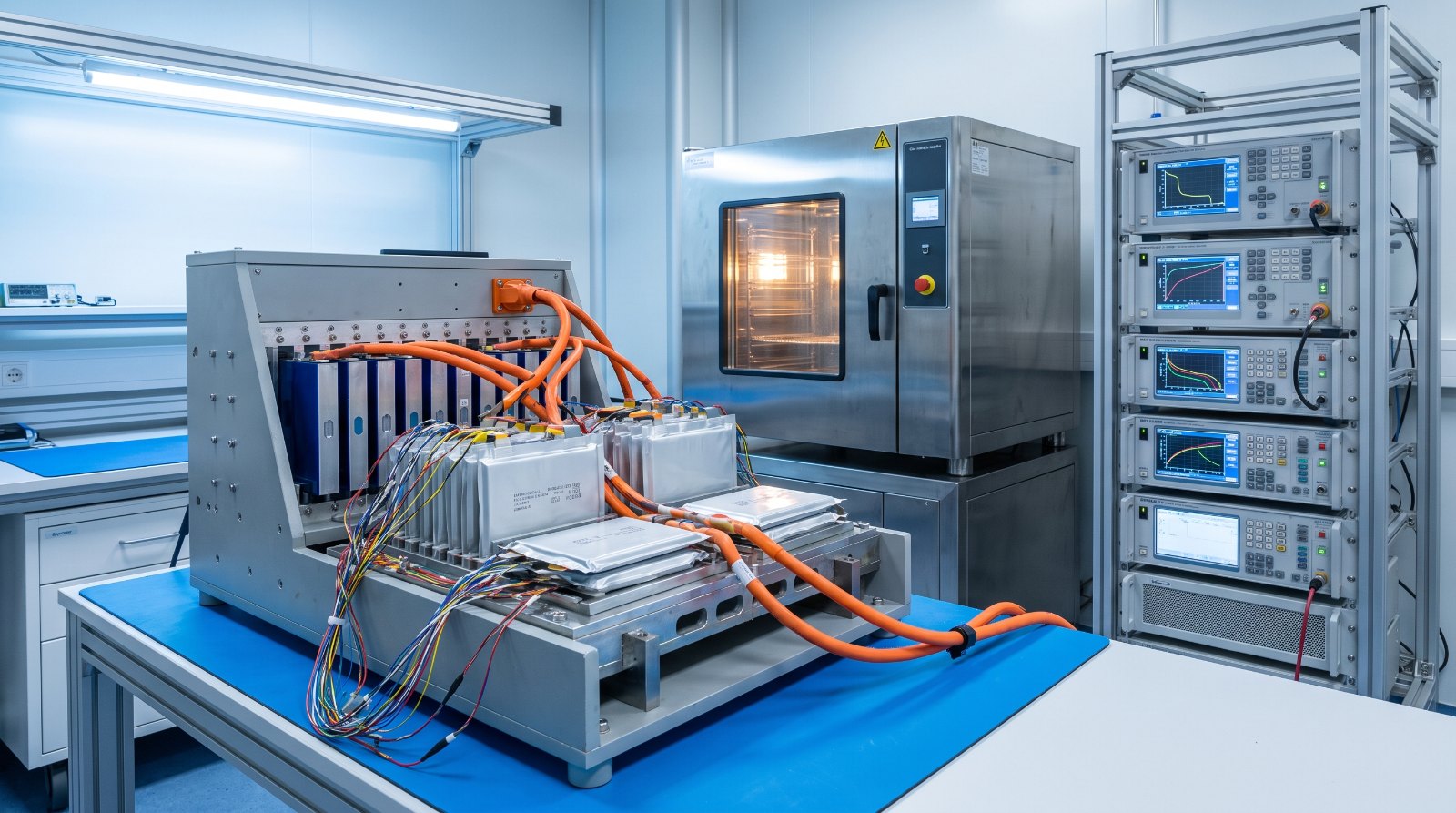
It is worth being fair to the technology here, because the delay is commercial rather than scientific.
Electric drivetrains solved the performance question years ago. Torque delivery, response and packaging freedom are all genuinely better. What they have not solved is mass — and in a segment that has spent 2026 quoting kerb weight ahead of horsepower, that is the whole argument. A battery large enough for meaningful range weighs more than the entire dry weight target of the Blackbird.
Winkelmann put the softer version of it plainly: the difficulty is making an electric car emotionally engaging in a category built on aspiration. Higher-density cells, including solid-state chemistries, are the thing that eventually changes this maths. Until they arrive in production volume, the electric hypercar remains a demonstration of what is possible rather than a category with customers.
The tools changed more than the cars
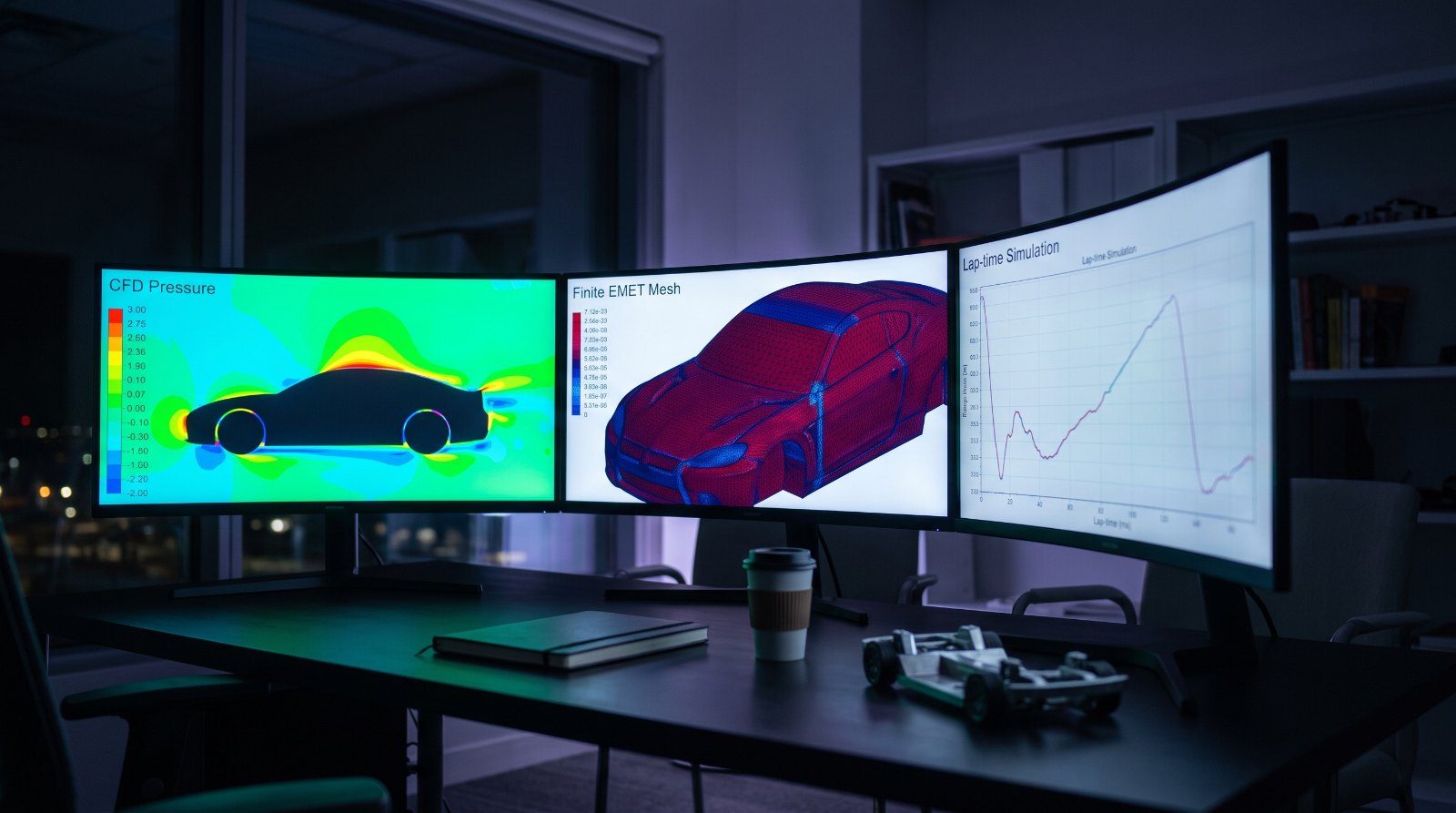
This is the least discussed and most important shift in exotic car technology, and it happens entirely off-camera.
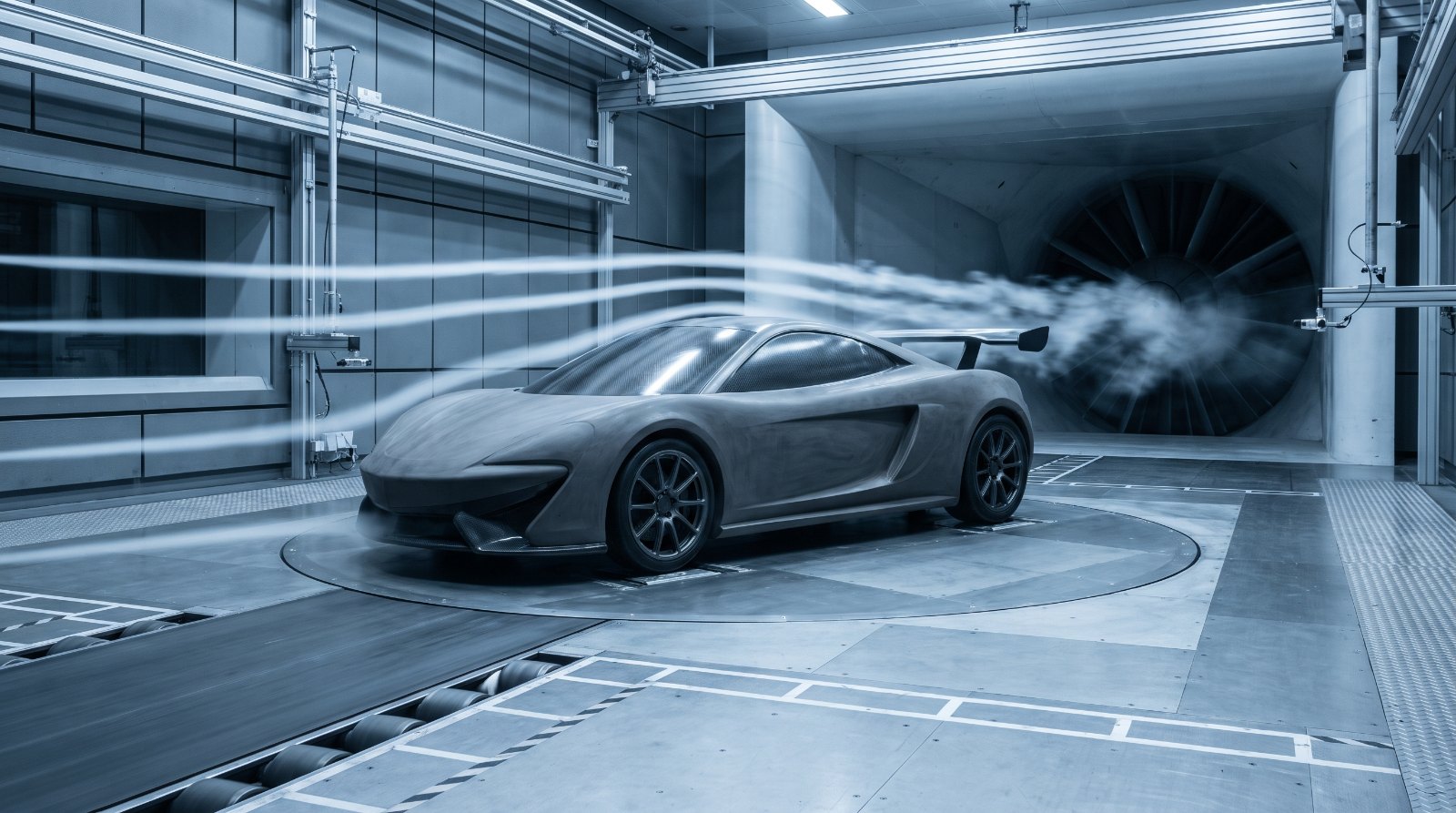
Computational fluid dynamics, finite element analysis and full-vehicle simulation have moved the bulk of development away from physical prototypes. A wind tunnel session is now a validation exercise for something already understood, not a discovery process. Crash structures are optimised before a single tub is laid up.
The consequence is structural, and it explains why exotic car technology is no longer the exclusive property of large manufacturers. It is why a company building 64 or 71 cars can credibly engineer a bespoke chassis and a bespoke engine, and why specialists like Cosworth and Ilmor have become the quiet enablers of the whole analogue revival. The barrier to entry stopped being the factory and started being the order book.
The analogue revival is not anti-technology
This is the most common misreading of exotic car technology in 2026, and it is worth correcting directly.
A car with a manual gearbox, no hybrid system and no touchscreen is not a low-technology car. The S1, the Blackbird and the McL 6GT all carry carbon monocoques, active aerodynamics, adaptive damping, ABS and traction control. What they do not carry is technology positioned between the driver and the car. The engineering is all still there; it has been pointed at feel instead of at numbers.
That is a design philosophy, not a rejection of progress — and it is considerably harder and more expensive than fitting another screen. We traced the commercial side of the same trend in every manual supercar you can actually still buy new in 2026 and across Monterey Car Week 2026.
What this means if you are buying
- Weight is the honest spec in exotic car technology. It is harder to fake than horsepower and it predicts how a car actually feels.
- Ask what happens to the screen in fifteen years. On a low-volume car, nobody is writing software updates for it.
- Treat announced powertrain timelines as provisional. 2026 demonstrated how quickly they move.
- Complexity is the ownership cost nobody quotes. Active aero, hybrid systems and adaptive hardware are all things that eventually need specialists.
- Targets are not homologated figures. Several of the most exciting cars announced this year are three years from delivery.
Frequently asked questions
What is the biggest change in exotic car technology in 2026?
The collapse of a single agreed direction. Manufacturers moved from committing to electrification to running turbocharged combustion, high-revving naturally aspirated, plug-in hybrid and full-electric programmes in parallel, while shifting engineering effort toward lightweight structures, active aerodynamics and driver feel.
Are electric supercars still coming?
Yes, but later. Lamborghini has said its first full EV will arrive after 2030, and Porsche’s electric 718 has been confirmed but delayed. The constraint is battery mass rather than performance, and higher-density cells are what changes the calculation.
Why are supercar makers going back to naturally aspirated engines?
For throttle response and sound rather than outright output. Reaching high power without turbochargers requires very high rpm, which in turn requires racing-grade materials such as titanium connecting rods and coated pistons. It is an expensive way to make power, chosen deliberately for character.
What is active aerodynamics?
Bodywork that changes shape or position to generate downforce only when required — movable wings, deployable stabilizers, variable diffusers or, in the Gordon Murray T.50’s case, a ground-effect fan. It avoids the permanent drag penalty of a fixed wing.
Why is weight more important than horsepower now?
Because reducing mass compounds. A lighter car needs smaller brakes, lighter suspension and less structure, each of which removes further weight, and it improves acceleration, braking, cornering and efficiency simultaneously. Adding power improves only straight-line speed.
Does an analogue supercar mean less technology?
No. Cars marketed as analogue in 2026 still use carbon monocoques, active aerodynamics, adaptive damping, ABS and traction control. What they omit is technology that sits between the driver and the controls, such as dual-clutch gearboxes and large touchscreens.
How can small manufacturers build bespoke supercars now?
Simulation. Computational fluid dynamics and finite element analysis moved most development away from physical prototypes, and specialist engine builders such as Cosworth and Ilmor supply capability that once required an in-house division. The limiting factor is now demand rather than manufacturing capacity.
Editor’s note on imagery: Exotic Car News does not publish AI-generated depictions of real vehicles. The images in this article are illustrations of the engineering processes discussed — composite layup, wind tunnel testing, engine internals, battery cell testing and simulation. None depicts a specific production car or a real manufacturer’s facility.