
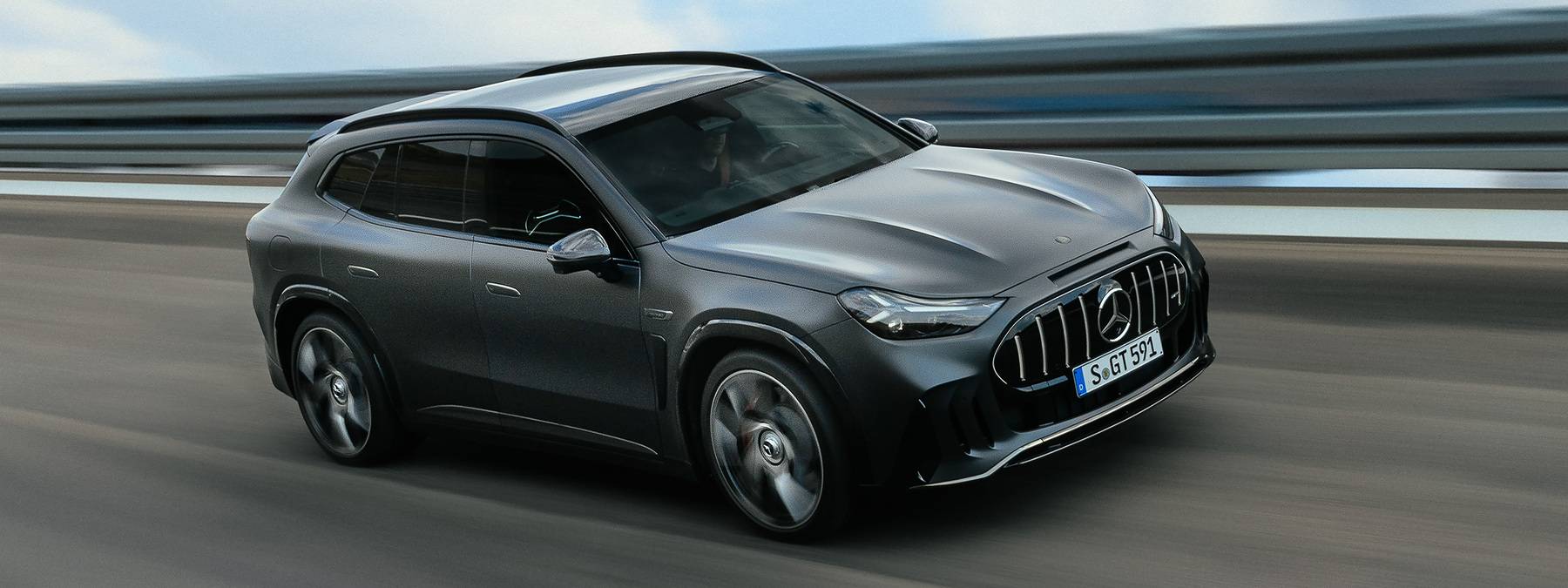
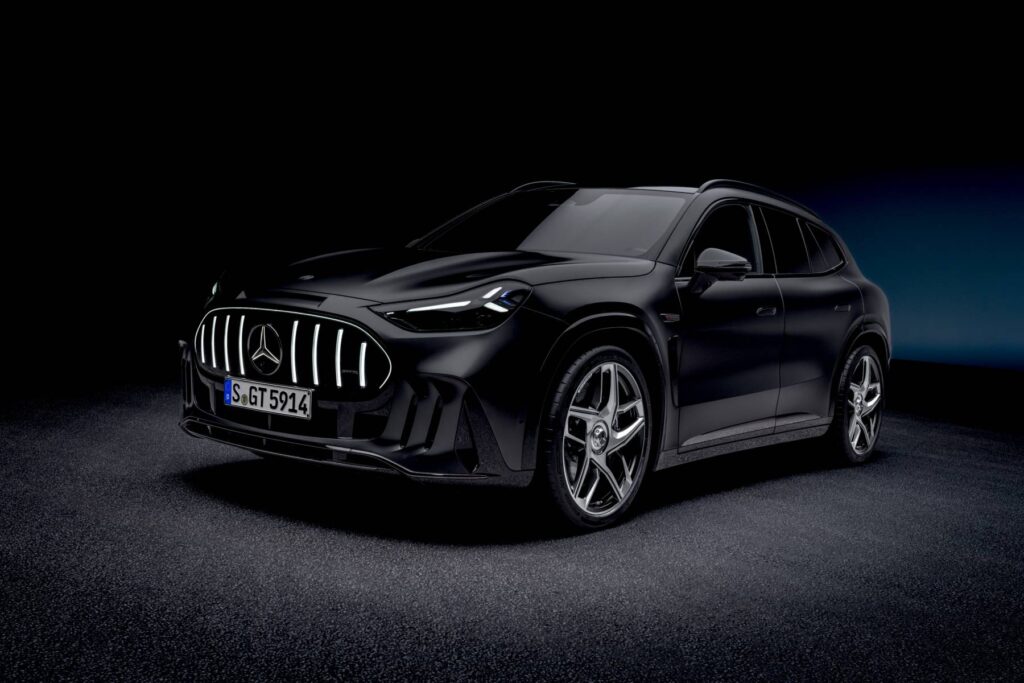
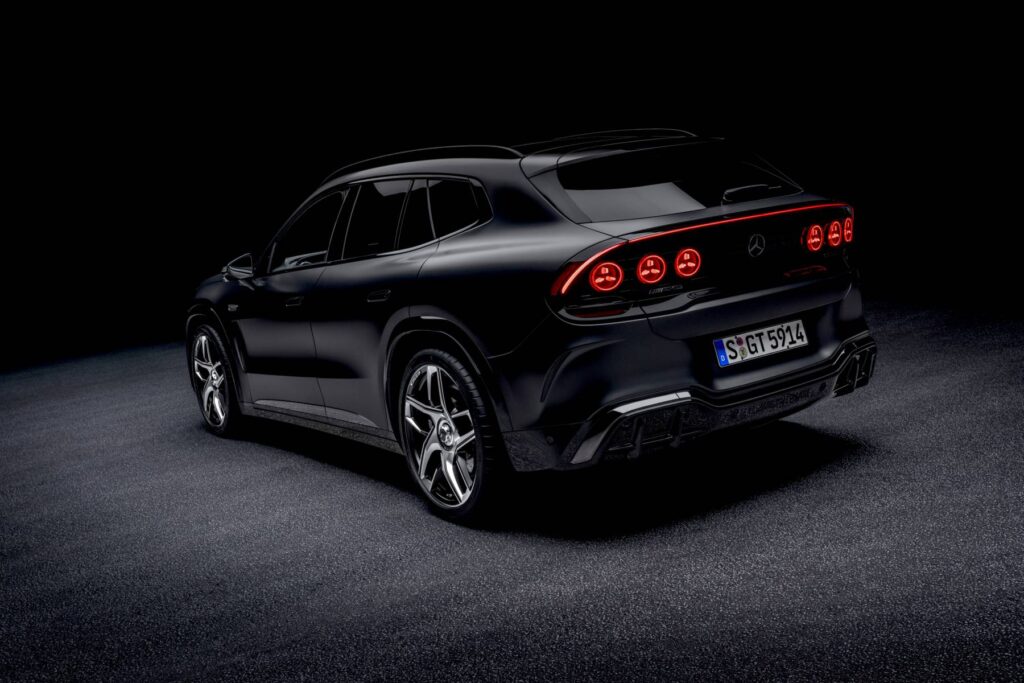
Mercedes-AMG has unveiled its first full-size SUV developed entirely in-house, and it isn’t powered by a V8. The electric GT SUV promises supercar acceleration and exceptionally fast charging, but its most revealing number may be the one Mercedes put in smaller type.
For 59 years, Mercedes-AMG has built its reputation largely on turning Mercedes-Benz vehicles into something considerably more exciting. It has engineered its own sports cars before, from the SLS to the AMG GT, but never an SUV. Now, for the first time, Affalterbach has developed a full-size SUV of its own.
And instead of the thunderous V8 that helped define the brand, the flagship relies on three electric motors producing 1,153 horsepower.
Revealed October 17 in Stuttgart, as part of Mercedes-Benz’s 140th-anniversary celebrations, the new Mercedes-AMG GT SUV arrives at U.S. dealerships in summer 2027 as a 2028 model.
More Than Another Electric AMG
AMG has sold electric SUVs before, including the EQE 53 SUV. Those were high-performance versions of existing Mercedes models. The GT SUV’s difference is its origin: it was engineered from the outset by AMG on the dedicated AMG.EA electric performance architecture, the platform that made its debut earlier this year under the electric AMG GT 4-Door Coupé. The SUV is the second model built on it, with a larger battery and higher peak charging power than the four-door.
Three versions are planned. The GT 53 uses two conventional synchronous motors and produces 536 horsepower. The GT 55 and GT 63 each use three axial-flux motors, one up front and two at the rear, for 805 and 1,153 horsepower respectively.
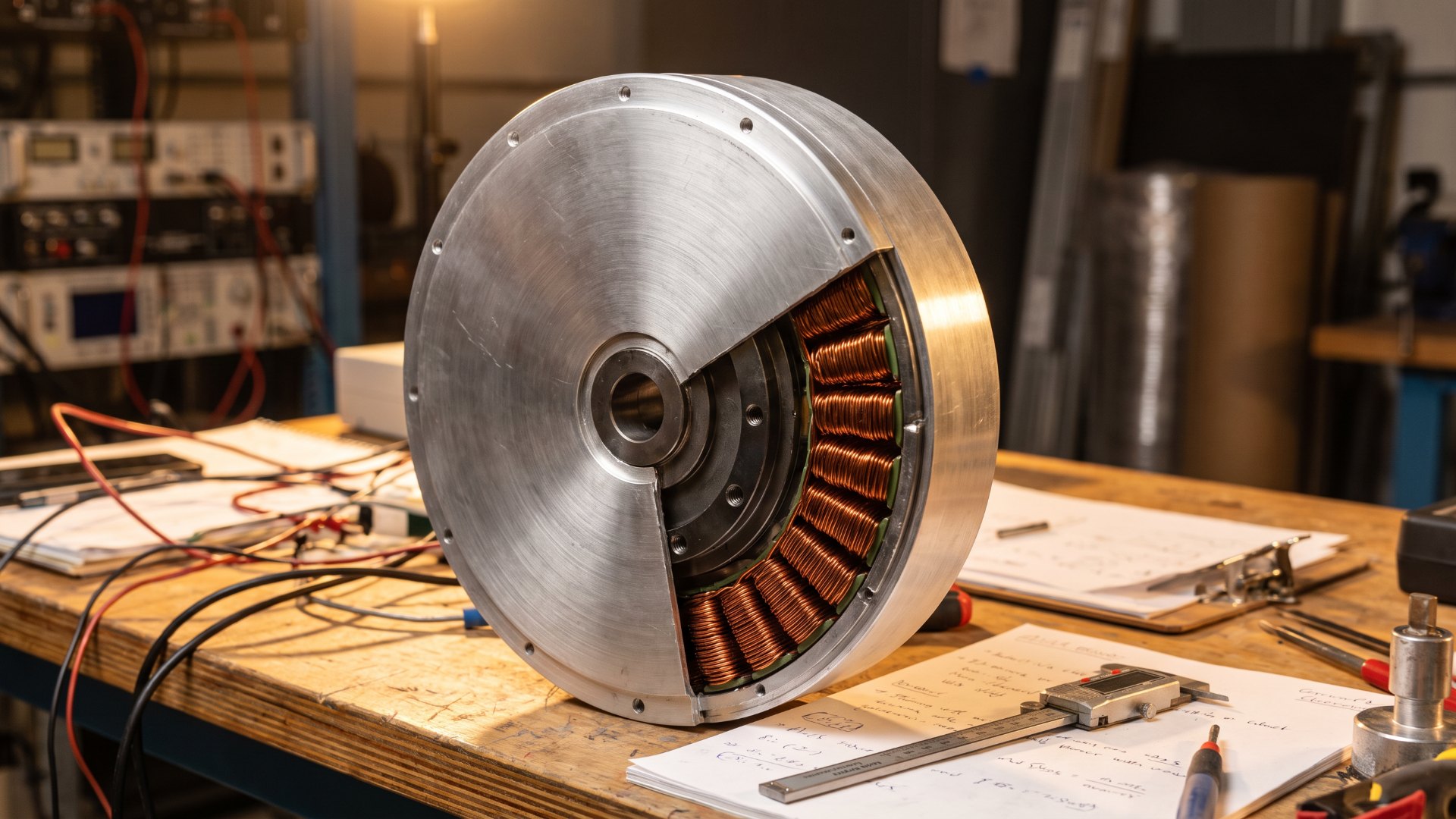
Mercedes estimates the GT 63 can reach 60 mph in 2.4 seconds, a figure measured with a one-foot rollout, as is common for U.S. acceleration claims. Either way, a full-size luxury SUV is now firmly in supercar territory. Top speed is electronically limited to 168 mph.
The Mercedes-AMG GT SUV at a Glance
- GT 63: three axial-flux motors; 1,153 hp peak, 711 hp continuous; 128-kWh battery; 710-kW peak DC charging; up to 435 miles WLTP
- GT 55: three axial-flux motors; 805 hp peak, 711 hp continuous; 128-kWh battery; 710-kW peak DC charging; up to 435 miles WLTP
- GT 53: two synchronous motors; 536 hp peak, 362 hp continuous; 106-kWh battery; 600-kW peak DC charging; up to 415 miles WLTP
Manufacturer figures, all provisional. U.S. pricing and EPA range have not been announced.
The Number That Matters Isn’t 1,153
Look closely at Mercedes’ own specifications and something interesting appears. The GT 55 and GT 63 share the same battery, the same charging hardware and the same continuous output: 711 horsepower.
Peak power is what an electric drivetrain can deliver in a short burst. Continuous power is what it can keep delivering once heat builds up in the motors and battery. By ECN’s arithmetic, the GT 55 can sustain roughly 88 percent of its peak output. The GT 63 can sustain about 62 percent. The extra 348 horsepower that separates the flagship is real, but it is a burst you summon, not a state the car can hold indefinitely.
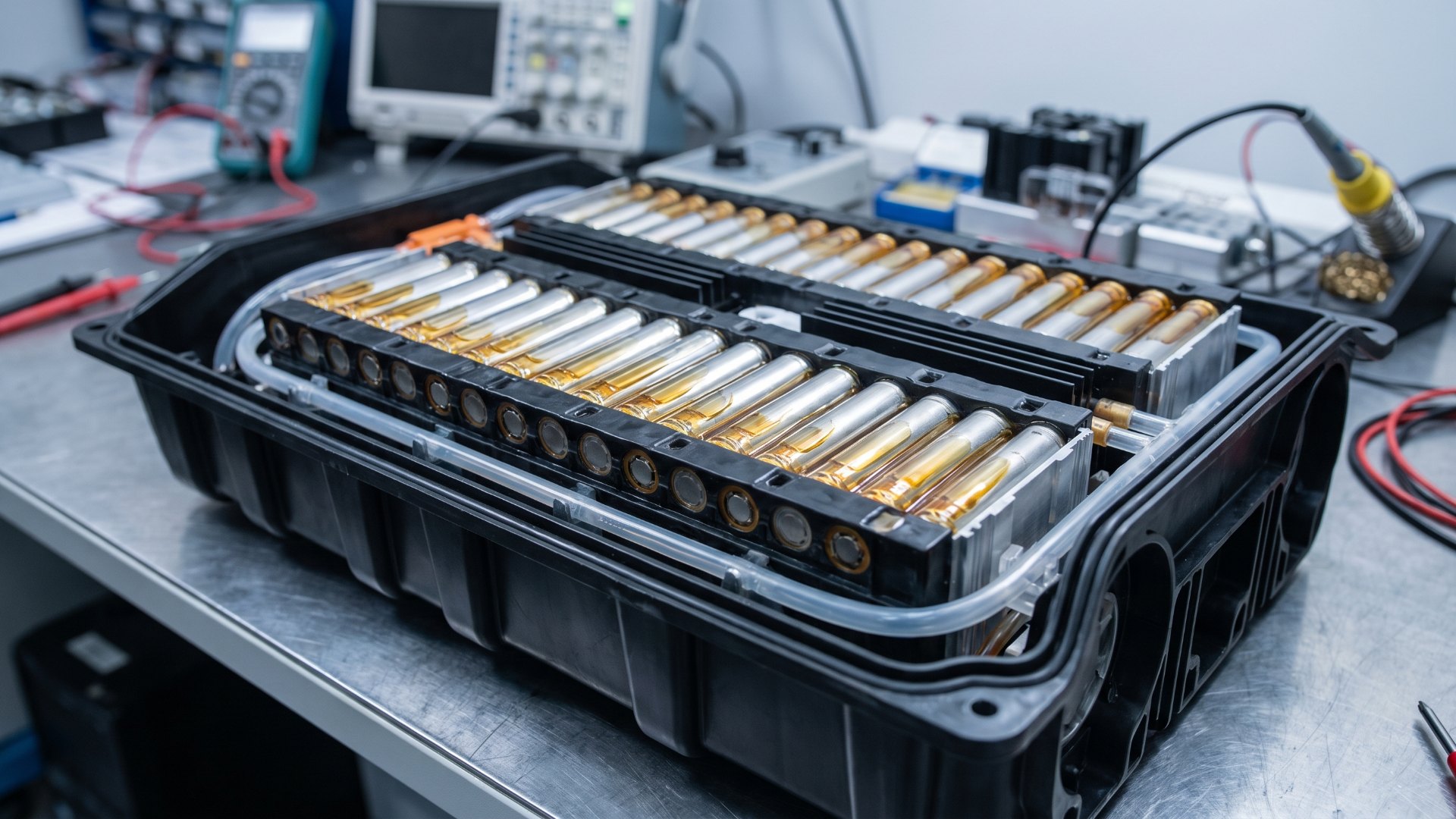
That isn’t a criticism. It is the reason AMG built its own architecture. Earlier performance EVs, AMG’s included, could produce one spectacular launch before temperatures forced the system to pull power back. AMG.EA is designed around repeatability. Its 800-volt battery uses cylindrical cells surrounded by an electrically non-conductive oil that cools each cell directly, and Mercedes says the system is engineered for performance that can be called on “time and again.” For owners who take an AMG to a track or a long mountain road, the 711-horsepower figure may say more about how the car will feel on the fifth lap than 1,153 says about the first.
Charging Is the Real Headline
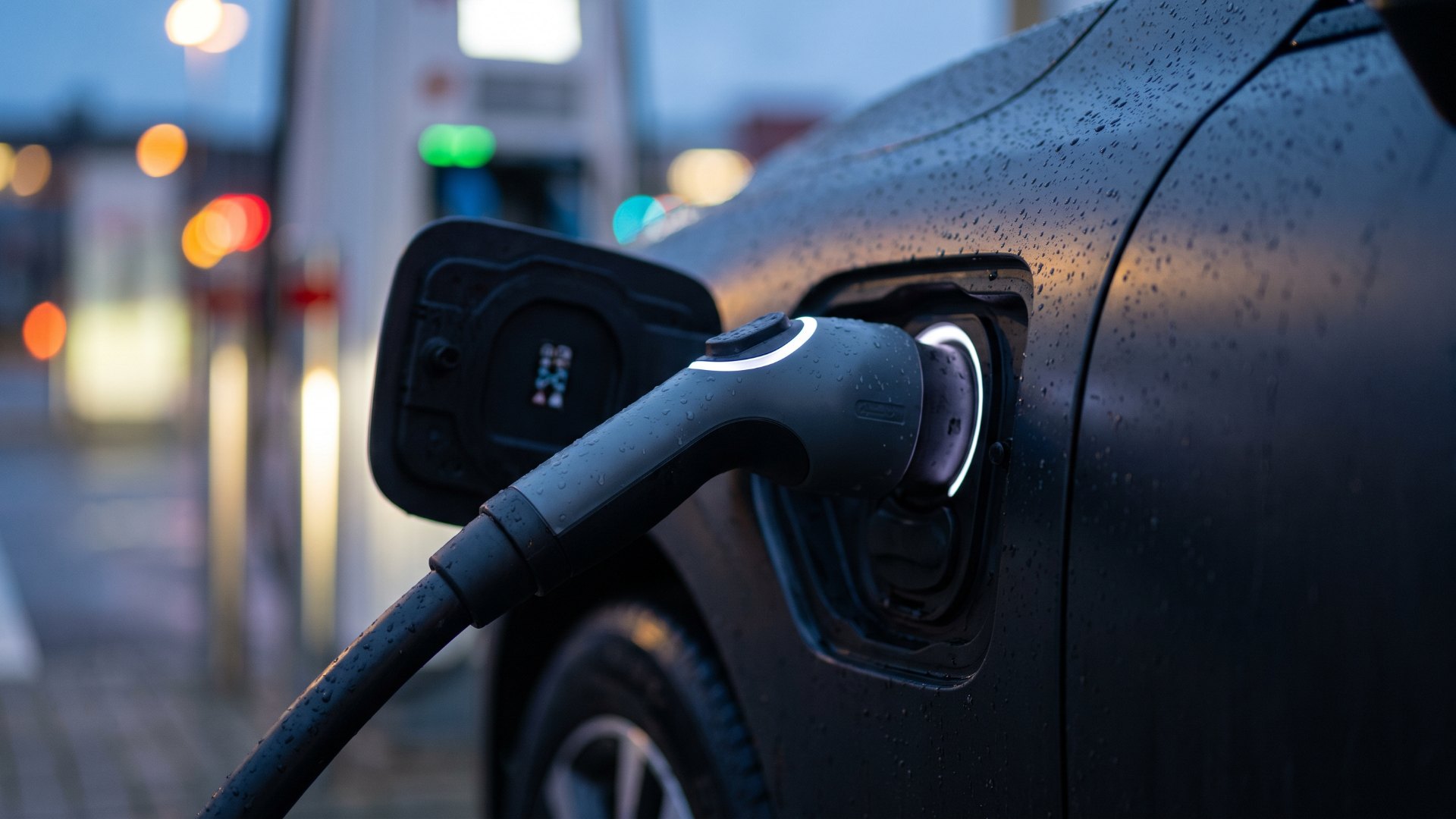
Mercedes quotes a peak DC charging rate of 710 kW for the GT 55 and GT 63, and says the 128-kWh battery can go from 10 to 80 percent in about 12 minutes. In ten minutes, it can add up to 279 miles of WLTP-rated range under suitable conditions.
Those are extraordinary claims, and they are worth putting in context. Filling 70 percent of a 128-kWh battery in 12 minutes implies an average of roughly 450 kW flowing into the pack across the whole session, by ECN’s estimate (ignoring charging losses). That is well below the 710-kW peak, as it is for every EV, because charging rates fall as a battery fills. It is still exceptional for any production vehicle, let alone an SUV of this size.
The practical catch is infrastructure. Few public chargers in the U.S. can deliver anything close to these rates today, so most owners will experience the GT SUV’s charging advantage only partially until faster stations become common.
Range also comes with a caveat. Mercedes’ figures follow Europe’s WLTP test cycle, which typically produces higher numbers than the U.S. EPA ratings for the same car. EPA figures have not been published.
Built to Handle Like a GT
AMG has also developed a new AMG Active Ride Control+ suspension to counter body pitch and roll. It is standard on the GT 63, which also gets carbon-ceramic brakes, and optional on the GT 55. Mercedes-Benz USA says rear-axle steering of up to six degrees is standard, and active aerodynamics balance efficiency against high-speed stability.
Inside, Mercedes says the driver sits low and integrated into the car rather than perched in the elevated position of a conventional SUV, while the rear is designed for genuine full-size space.
Its Most Obvious Rival Has Already Moved
The GT SUV’s clearest target is Porsche’s Cayenne Turbo Electric, which Porsche rates at up to 1,139 horsepower with Launch Control and up to 400 kW of DC charging. On paper the two are nearly tied for power. On charging, AMG claims a substantial advantage in peak rate.
The difference is timing. Porsche revealed the electric Cayenne in November 2025; the AMG’s figures are provisional manufacturer claims for a vehicle that won’t reach U.S. customers until next summer. Side-by-side testing will matter more than either company’s spec sheet.
Can an Electric SUV Still Feel Like an AMG?
Perhaps the most revealing feature isn’t the horsepower.
A driving program called AMGFORCE Sport+ reproduces the sound of an AMG V8 in the GT 55 and GT 63, and an AMG six-cylinder in the GT 53, built from recordings of real AMG engines. It adds simulated gear changes and seat shakers that respond to the driver’s inputs in real time. AMG is trying to recreate the sensations that made its combustion cars distinctive, not just their sound, a sign of how much the performance-car fight has shifted from horsepower to emotion.
Whether those effects deliver genuine driving enjoyment or simply remind enthusiasts of what is missing will take a proper road test to determine.
The GT SUV also arrives as AMG continues developing combustion-powered performance cars. AMG chief executive Michael Schiebe has said this year that the brand is “doubling down” on combustion engines again, with a new V8 on the way. Electrification, it seems, is expanding AMG’s identity rather than immediately replacing its past.
When It Arrives, and What It Might Cost
Mercedes-AMG will build the GT SUV at the Mercedes-Benz plant in Sindelfingen, Germany. In Germany, the GT 53 opened for orders on October 20, priced from €113,050, roughly $127,000 at mid-October exchange rates. That figure includes German value-added tax and isn’t a reliable guide to U.S. pricing. The GT 55 and GT 63 follow in Europe in spring 2027.
All three versions are due at U.S. dealerships in summer 2027. U.S. pricing has not been announced.
With U.S. pricing and EPA range still to come, the biggest unanswered question isn’t how fast the GT SUV can accelerate.
It’s whether AMG can make an electric SUV feel as memorable as the engines that built its reputation.