

In most performance cars, the redline marks the boundary—the point where pushing any further risks catastrophic failure. It’s a warning. A safeguard. A limit.
But in endurance racing, the redline isn’t the ceiling.
It’s the starting point.
The Philosophy of Endurance: Beyond Mechanical Limits
Endurance racing—defined by legendary events like the 24 Hours of Le Mans, 24 Hours of Daytona, and 12 Hours of Sebring—is not about outright speed alone. It’s about survival at speed.
Unlike sprint racing, where cars operate in bursts of maximum performance, endurance racing demands that machines perform at or near redline for hours… sometimes an entire day.
Engines scream at sustained RPMs.
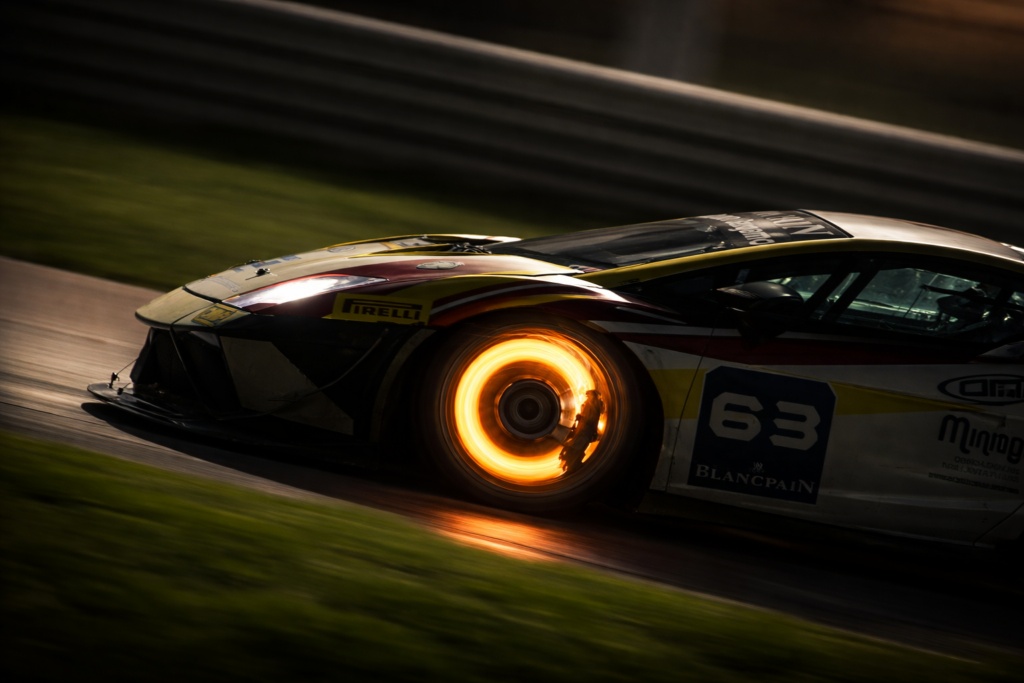
Brakes glow through the darkness.
Drivers fight fatigue, dehydration, and mental strain.
And yet—this is not reckless.
It’s calculated.
Engineering on the Edge of Failure
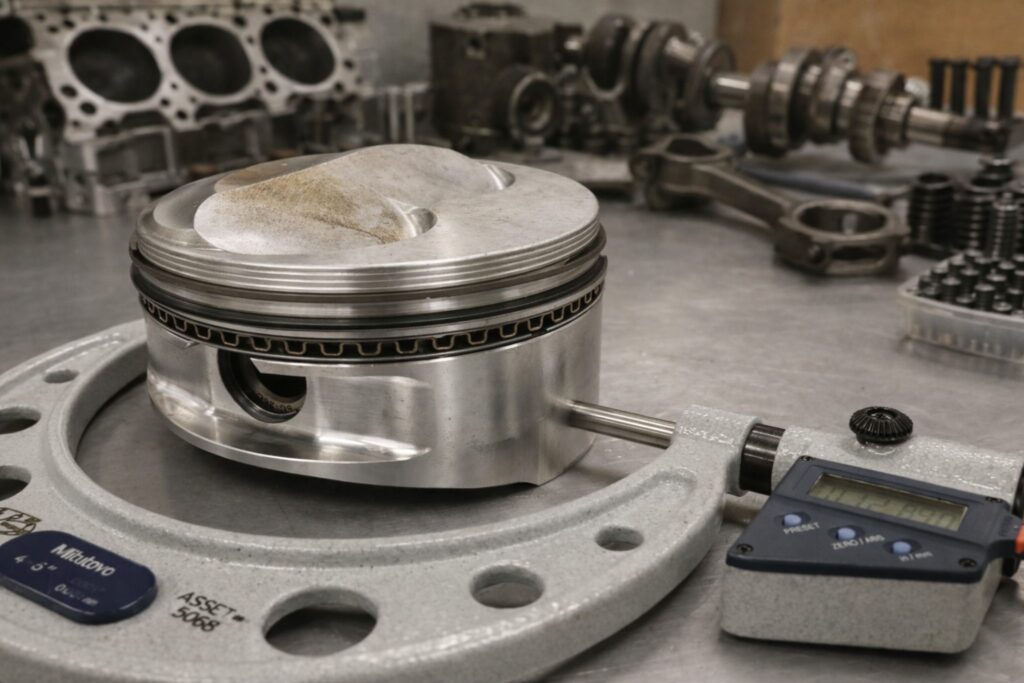
Every endurance race car is engineered with a deep understanding of failure thresholds.
Manufacturers like Ferrari, Porsche, and Toyota Gazoo Racing don’t just build for performance—they build for controlled degradation.
Because in endurance racing, perfection is impossible.
Instead, teams ask:
- How far can we push before something breaks?
- And how close can we stay to that edge… for 24 hours?
This is where endurance racing becomes a science of managed destruction.
Brake pads are expected to wear down.
Tires are sacrificed strategically.
Gearboxes are stressed to their limits.
The goal is not to avoid failure entirely—but to delay it just long enough to cross the finish line first.
The Human Element: Drivers at the Edge
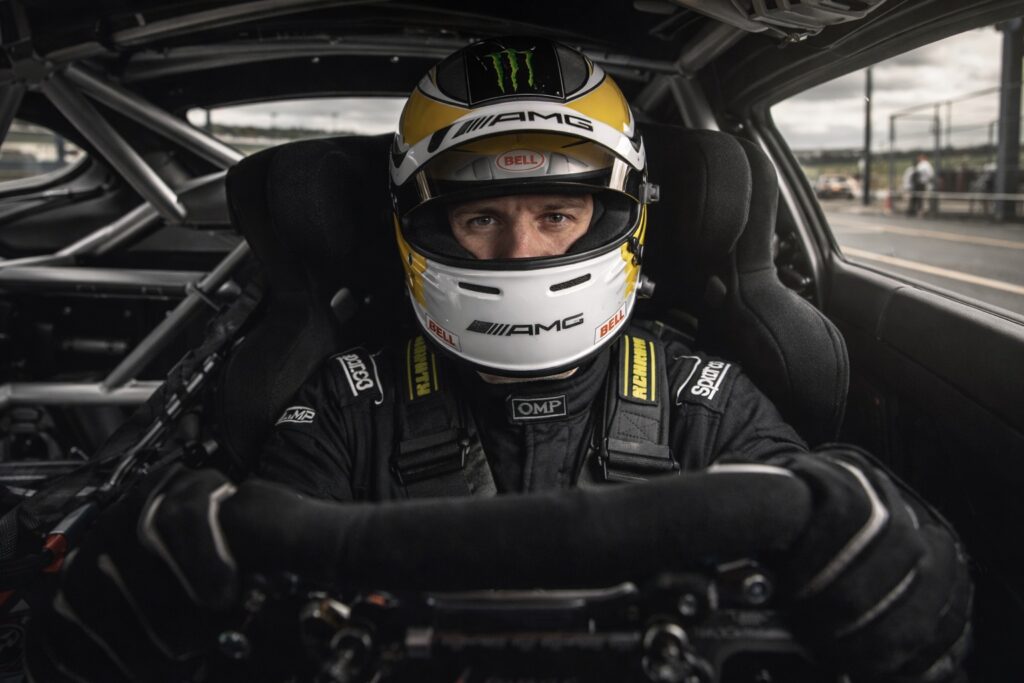
While the machines endure mechanical punishment, drivers face something just as brutal—human limitation.
Fatigue becomes the invisible opponent.
Drivers rotate in stints, but even a single run can push the body to extremes:
- Heart rates sustained at near-athletic peak levels
- Cockpit temperatures exceeding 120°F
- Split-second decisions made after hours without rest
Legends like Tom Kristensen—known as “Mr. Le Mans”—didn’t just win through speed. They won through discipline, consistency, and the ability to perform under relentless pressure.
In endurance racing, one mistake after 23 flawless hours can erase everything.
Risk vs. Reward: The Calculated Gamble
Endurance racing is often misunderstood as chaos at high speed.
In reality, it’s one of the most strategic forms of motorsport in the world.
Every decision is a calculation:
- Do you push harder now and risk mechanical stress?
- Or conserve and lose track position?
- Do you double-stint tires to save time in the pits?
- Or change them to avoid a potential failure later?
Winning isn’t about avoiding risk.
It’s about choosing the right risks at the right time.
This is where teams separate from competitors—and where greatness is defined.
What’s Really on the Line
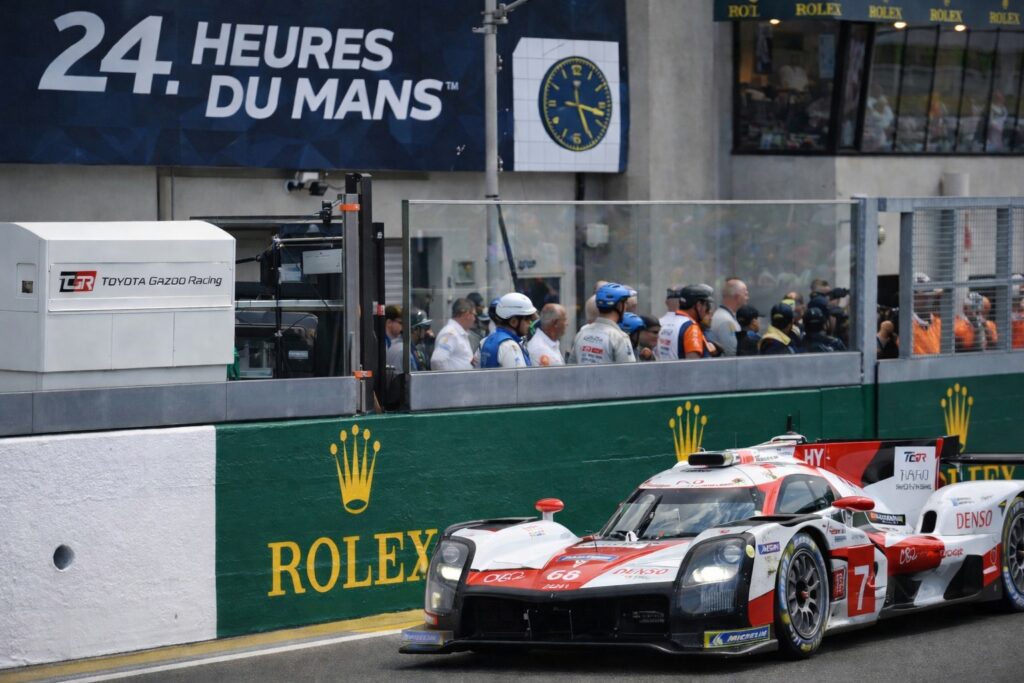
Victory in endurance racing carries a weight unlike any other form of motorsport.
For manufacturers, it’s proof of engineering dominance.
For drivers, it’s legacy.
For teams, it’s validation of thousands of hours of preparation, simulation, and sacrifice.
Winning the 24 Hours of Le Mans isn’t just another trophy—it’s immortality in the automotive world.
And losing?
It often comes down to milliseconds… after an entire day of pushing both man and machine to the brink.
Where Greatness Lives
Endurance racing redefines what limits truly are.
The redline is no longer a warning—it’s a benchmark.
A minimum threshold that must be sustained, managed, and respected.
Because in this world, greatness doesn’t come from avoiding failure.
It comes from dancing with it.
From understanding exactly how far you can go…
and daring to go just a little further.
The Complete List of Endurance Races Around the World
Endurance racing is a global battlefield where manufacturers, drivers, and teams push performance to the absolute limit over hours—or even days.
Global Icon Races (The Most Prestigious)
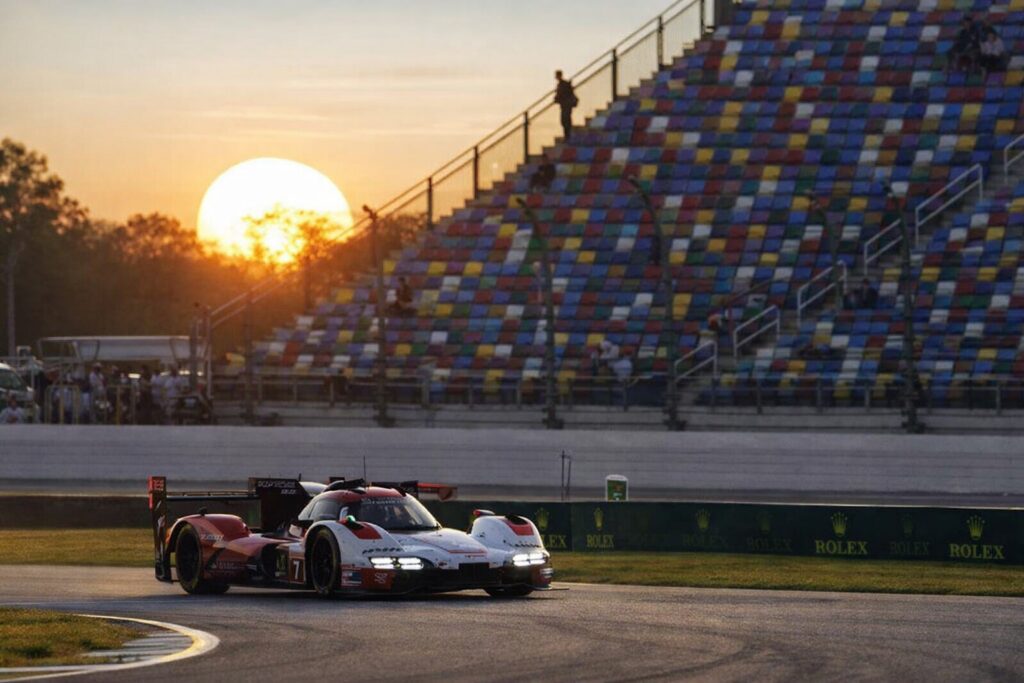
- 24 Hours of Le Mans — France
- 24 Hours of Daytona — United States
- 12 Hours of Sebring — United States
- 24 Hours of Nürburgring — Germany
- Spa 24 Hours — Belgium
- Bathurst 12 Hour — Australia
These races represent the pinnacle of endurance racing and are considered career-defining victories.
FIA World Endurance Championship (WEC)
Part of the FIA World Endurance Championship:
- 1000 Miles of Sebring — United States
- 6 Hours of Portimão — Portugal
- 6 Hours of Spa-Francorchamps — Belgium
- 24 Hours of Le Mans — France
- 6 Hours of Monza — Italy
- 6 Hours of Fuji — Japan
- 8 Hours of Bahrain — Bahrain
This is the premier global championship featuring hypercars from top manufacturers.
IMSA WeatherTech SportsCar Championship (North America)
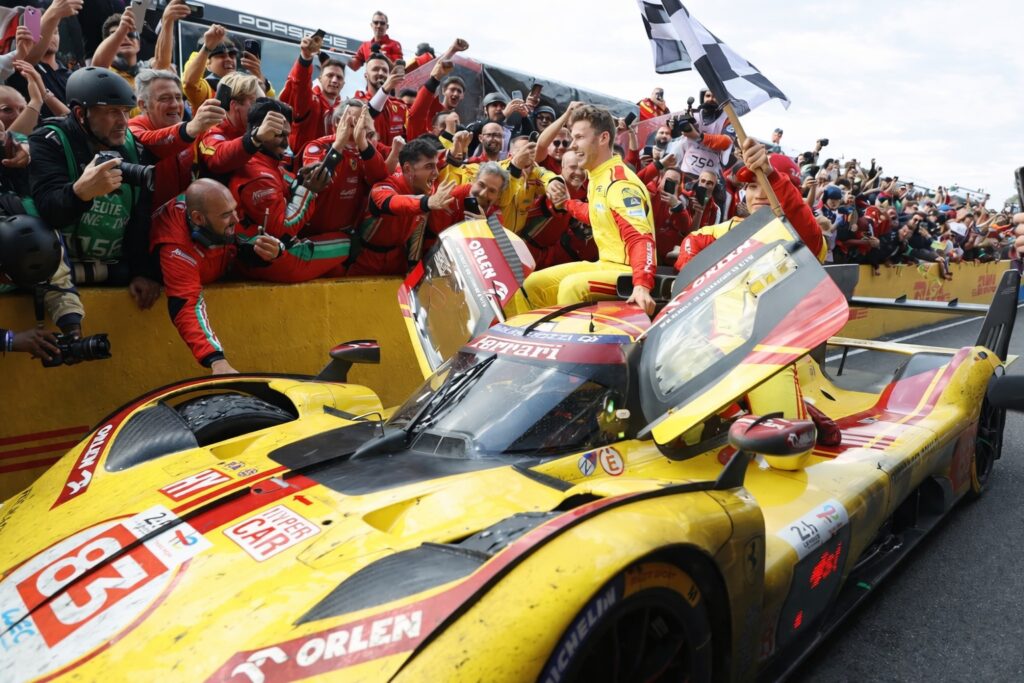
From the IMSA WeatherTech SportsCar Championship:
- 24 Hours of Daytona — Florida, USA
- 12 Hours of Sebring — Florida, USA
- 6 Hours of Watkins Glen — New York, USA
- Petit Le Mans — Georgia, USA
These races form the Michelin Endurance Cup and are known for intense multi-class competition.
European Endurance and GT Series
European Le Mans Series (ELMS):
- 4 Hours of Barcelona — Spain
- 4 Hours of Le Castellet — France
- 4 Hours of Monza — Italy
- 4 Hours of Spa — Belgium
- 4 Hours of Portimão — Portugal
GT World Challenge Europe Endurance Cup:
- 3 Hours of Monza — Italy
- 24 Hours of Spa — Belgium
- 6 Hours of Nürburgring — Germany
- 3 Hours of Barcelona — Spain
Asia and Middle East Endurance Racing
Asian Le Mans Series:
- 4 Hours of Dubai — UAE
- 4 Hours of Abu Dhabi — UAE
- 4 Hours of Sepang — Malaysia
Standalone endurance events:
- Dubai 24 Hour — UAE
- Gulf 12 Hours — UAE
Japan Endurance Racing
- Fuji 500 Miles — Japan
- Suzuka 1000km — Japan
Japan blends high-tech racing with endurance formats across Super GT competition.
Other Notable Global Endurance Events
Creventic 24H Series:
- 24H Dubai Series — UAE
- 24H Barcelona — Spain
- 24H COTA — USA
Other races:
- Kyalami 9 Hour — South Africa
- 6 Hours of Interlagos — Brazil
- Mexico 6 Hours — Mexico
Final Perspective
Endurance racing spans continents, cultures, and racing philosophies—but the mission is always the same:
Push the car to its limits.
Push the driver beyond exhaustion.
Push the team to perfection under pressure.
From 4-hour strategic battles to 24-hour wars of attrition, these races define what it truly means to operate at—and beyond—the redline.