


Disruptions to global shipping could redirect some supercars and hypercars from the Gulf to Europe and North America.
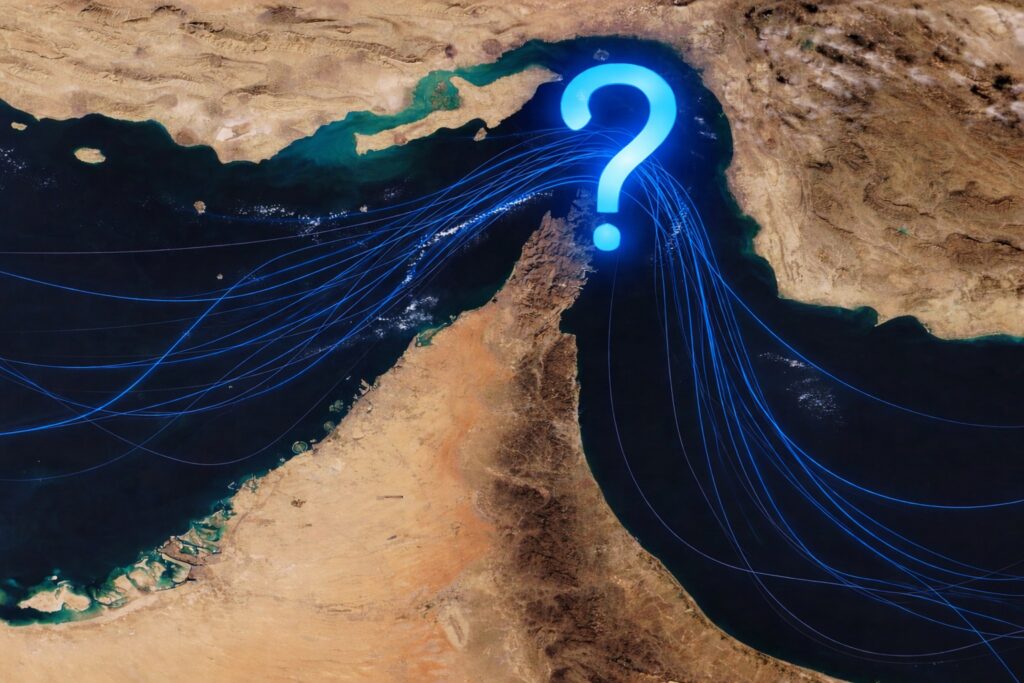
The escalating conflict in the Middle East is beginning to send shockwaves far beyond oil and shipping lanes, with the supercar and hypercar market now facing a new layer of uncertainty. As the Strait of Hormuz remains heavily disrupted and major roll-on/roll-off logistics providers reroute or pause nonessential cargo, exotic car brands and wealthy buyers alike are being forced to think about delays, allocation changes, and where some of the world’s most desirable vehicles may ultimately be delivered.
Shipping disruptions are not just a geopolitical headline—they are a direct threat to how ultra-luxury vehicles move across the globe. For manufacturers operating on tight delivery schedules and high-value allocations, even minor delays can ripple across continents.
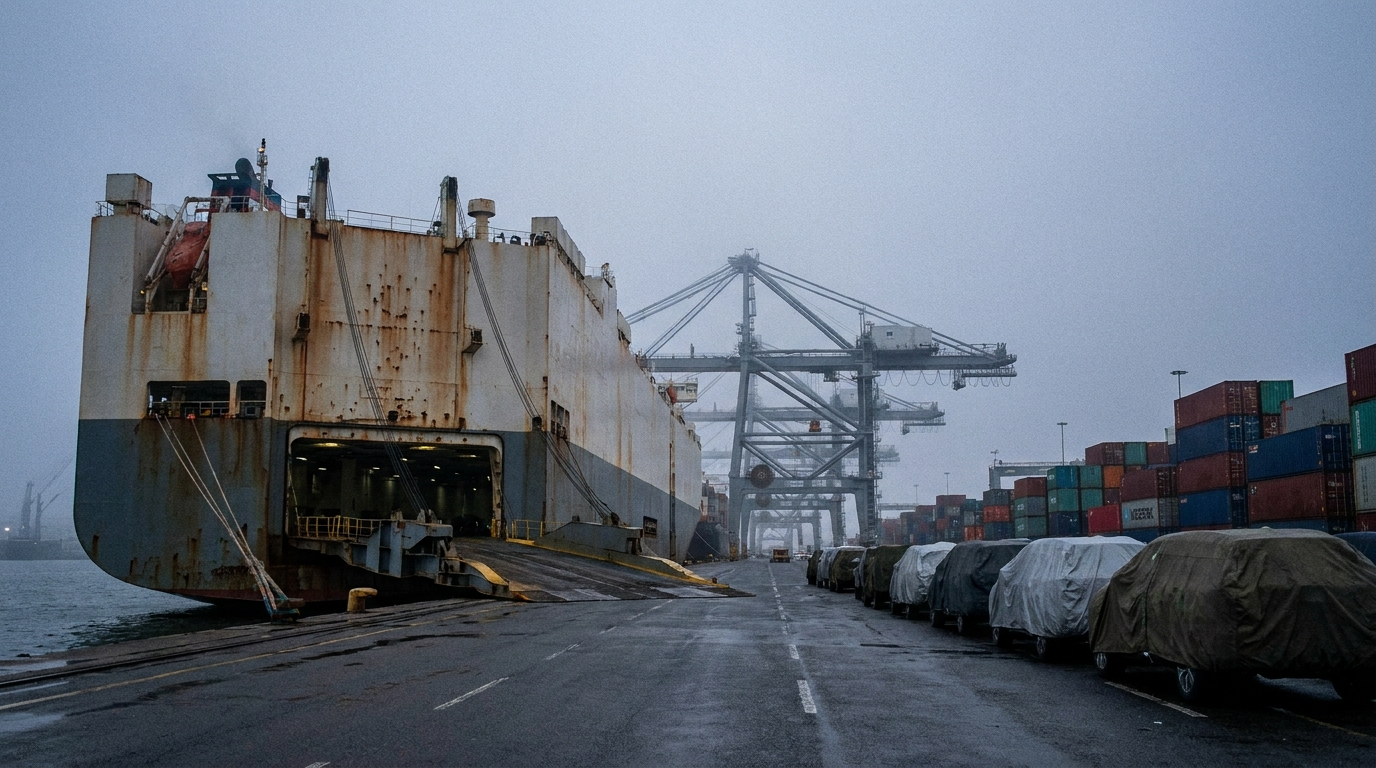
For the exotic and ultra-luxury segment, the Middle East is one of the most important markets in the world. Cities like Dubai, Abu Dhabi, and Doha consistently absorb highly optioned supercars and hypercars, often serving as key delivery hubs for limited-production vehicles.
Brands such as Ferrari, Lamborghini, Porsche, Bentley, and Rolls-Royce rely heavily on demand from the region. When instability affects a market known for high-margin, high-volume luxury purchases, it immediately raises questions about how manufacturers will respond.
If buyer activity slows or deliveries become difficult, manufacturers may look to rebalance supply toward more stable regions.
Shipping Disruptions Reshape the Supercar and Hypercar Market
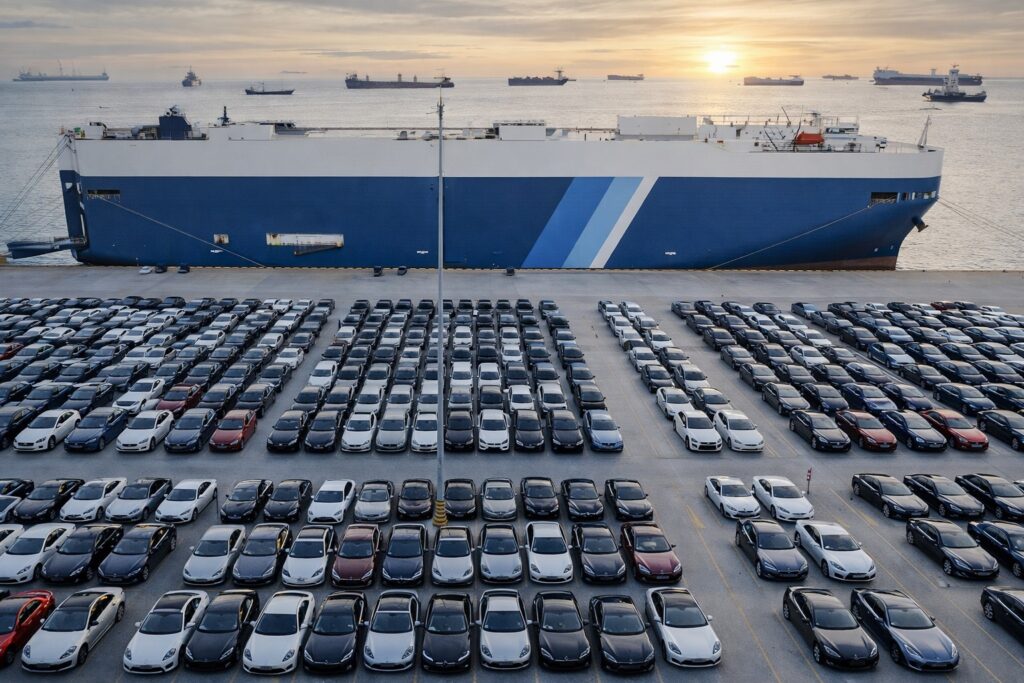
The most immediate impact is logistics. With shipping routes disrupted and insurance, fuel, and rerouting costs rising, luxury vehicles are not a priority cargo category compared to essentials like food and energy.
This creates a unique scenario: vehicles originally destined for the Middle East may face delays—or in some cases, be redirected.
Europe becomes the most logical short-term alternative due to geographic proximity and established distribution networks. North America is another strong candidate, supported by deep demand and a mature luxury dealer ecosystem capable of absorbing high-value inventory quickly.
While no major manufacturer has publicly confirmed large-scale reallocations, current conditions make selective redirection increasingly plausible.
Limited-Production Cars Add Another Layer of Complexity

For limited-production hypercars and exclusive halo models, the situation becomes even more challenging.
Many of these vehicles are already sold out years in advance, meaning manufacturers are not searching for buyers—they are managing delivery logistics. If a vehicle is complete but cannot be shipped efficiently to its intended destination, brands may choose to temporarily redirect deliveries to regions where fulfillment is more predictable.
This could subtly shift availability in key markets. A small number of redirected units can have an outsized impact on dealer inventory, pricing leverage, and buyer wait times.
The Supercar and Hypercar Market Splits: Delays vs Opportunity
The broader impact of the conflict could create a split in the market:
- Some buyers may face extended delivery timelines due to shipping disruptions
- Others, particularly in Europe and North America, could benefit from unexpected availability
At the same time, rising global shipping costs and potential softening demand in the Middle East could influence how aggressively manufacturers allocate future production.
What It Means for the Supercar and Hypercar Market
The Middle East conflict is not collapsing the supercar and hypercar market—but it is introducing a level of logistical uncertainty that could reshape short-term delivery patterns.
If disruptions continue, Europe and North America are the most likely regions to benefit from any redirected inventory. However, these shifts will likely be selective, strategic, and largely behind the scenes rather than publicly announced.
In a market where timing, exclusivity, and allocation define value, even minor changes in global delivery flows can have a meaningful impact.