

The future of exotic cars was supposed to be fully electric. But in 2026, something unexpected is happening—hybrid supercars are dominating the luxury performance market, while full EV exotics struggle to win over buyers.
The Rise of Hybrid Supercars
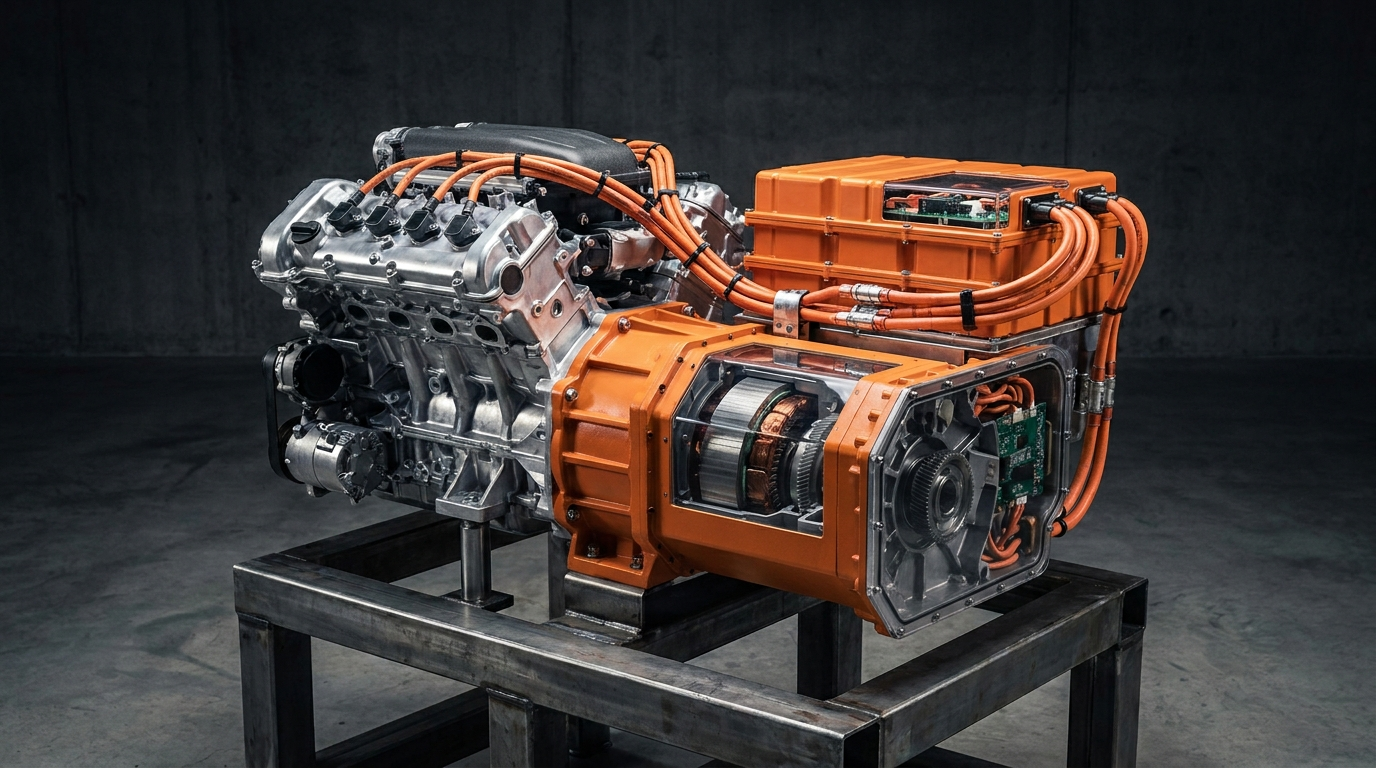
Hybrid technology has evolved from efficiency-focused systems into performance-enhancing powertrains.
Cars like the Ferrari SF90 Stradale and Lamborghini Revuelto prove that electrification can actually make supercars faster, not softer.
Why hybrids are winning:
- Instant electric torque = faster acceleration
- Improved handling with torque vectoring
- Higher total horsepower output
- Maintains internal combustion engine sound and feel
Hybrid systems are no longer a compromise—they are now the peak of performance engineering.
Why Full Electric Supercars Are Facing Resistance
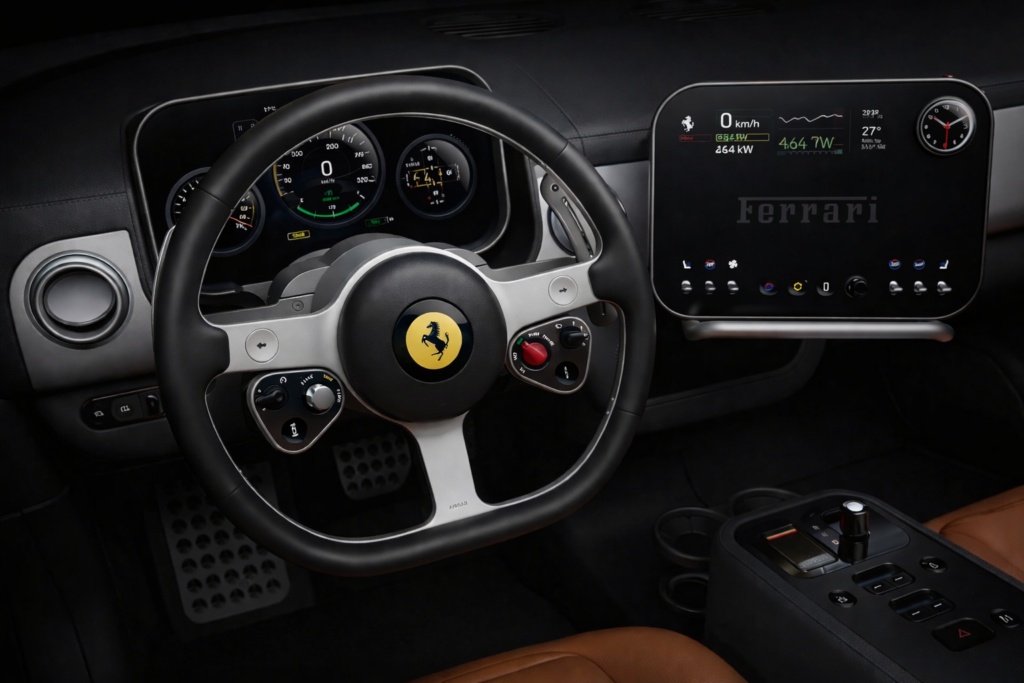
While EV technology dominates the mainstream automotive world, exotic buyers are more hesitant.
Key challenges for EV supercars:
1. Lack of Emotion
The sound of a V8 or V12 engine is part of the experience. EVs, while fast, often feel sterile to enthusiasts.
2. Weight Concerns
Battery packs add significant weight, impacting agility—something critical in the exotic car segment.
3. Charging vs Convenience
Ultra-wealthy buyers value convenience. Waiting to charge doesn’t match the instant usability of gas-powered or hybrid vehicles.
4. Investment & Collectibility
Collectors are still favoring internal combustion and hybrid models over fully electric cars.
What Ferrari, Lamborghini, and Porsche Are Doing
Ferrari
Ferrari is carefully balancing innovation with tradition. While an EV is coming, the brand continues to prioritize hybrid performance models.
The Ferrari 296 GTB and SF90 represent Ferrari’s future—electrified, but still emotional.
Lamborghini
Lamborghini has already committed to a fully hybrid lineup.
The Revuelto replaces the Aventador with a V12 hybrid system, proving the brand is evolving without abandoning its DNA.
Porsche
Porsche continues to refine hybrid performance while keeping internal combustion alive.
The legendary Porsche 918 Spyder set the stage years ago, and Porsche’s future strategy suggests more high-performance hybrid flagships are coming.
What This Means for the Future of Exotic Cars
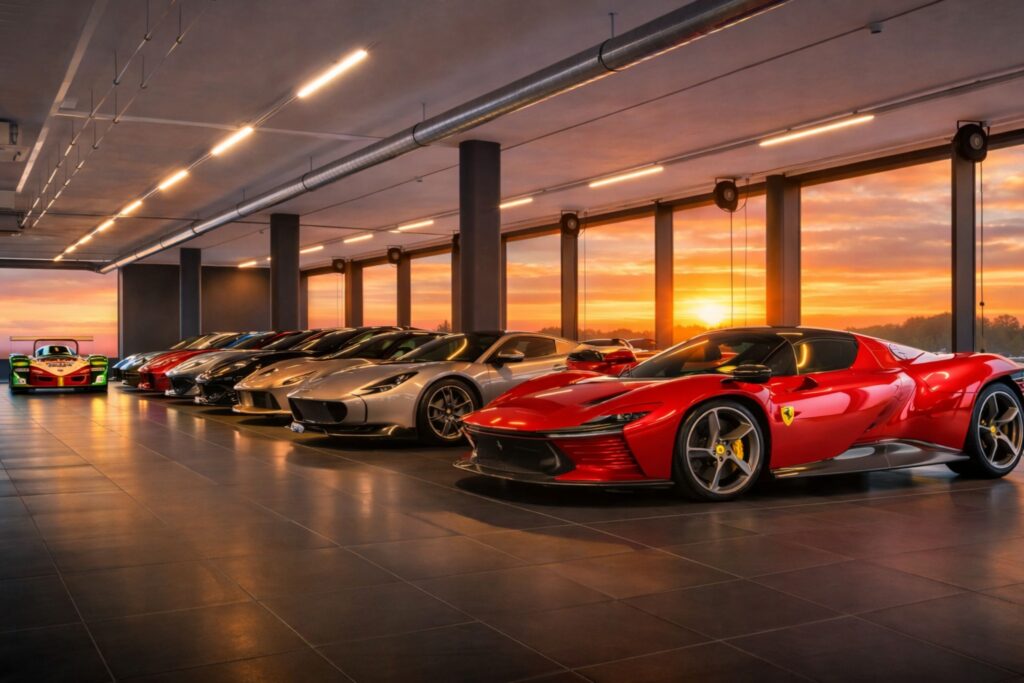
The shift is clear:
👉 Hybrid is the bridge between tradition and the future
👉 EVs will come—but not as fast as predicted in the exotic segment
👉 Internal combustion is evolving, not disappearing
For now, hybrid supercars offer the perfect balance of speed, sound, and sustainability.
Final Thoughts
Hybrid supercars aren’t just a trend—they are the new standard for high-performance luxury vehicles.
As brands continue to innovate, one thing is certain:
The future of exotic cars won’t be silent—it will be electrified, but still loud where it matters.